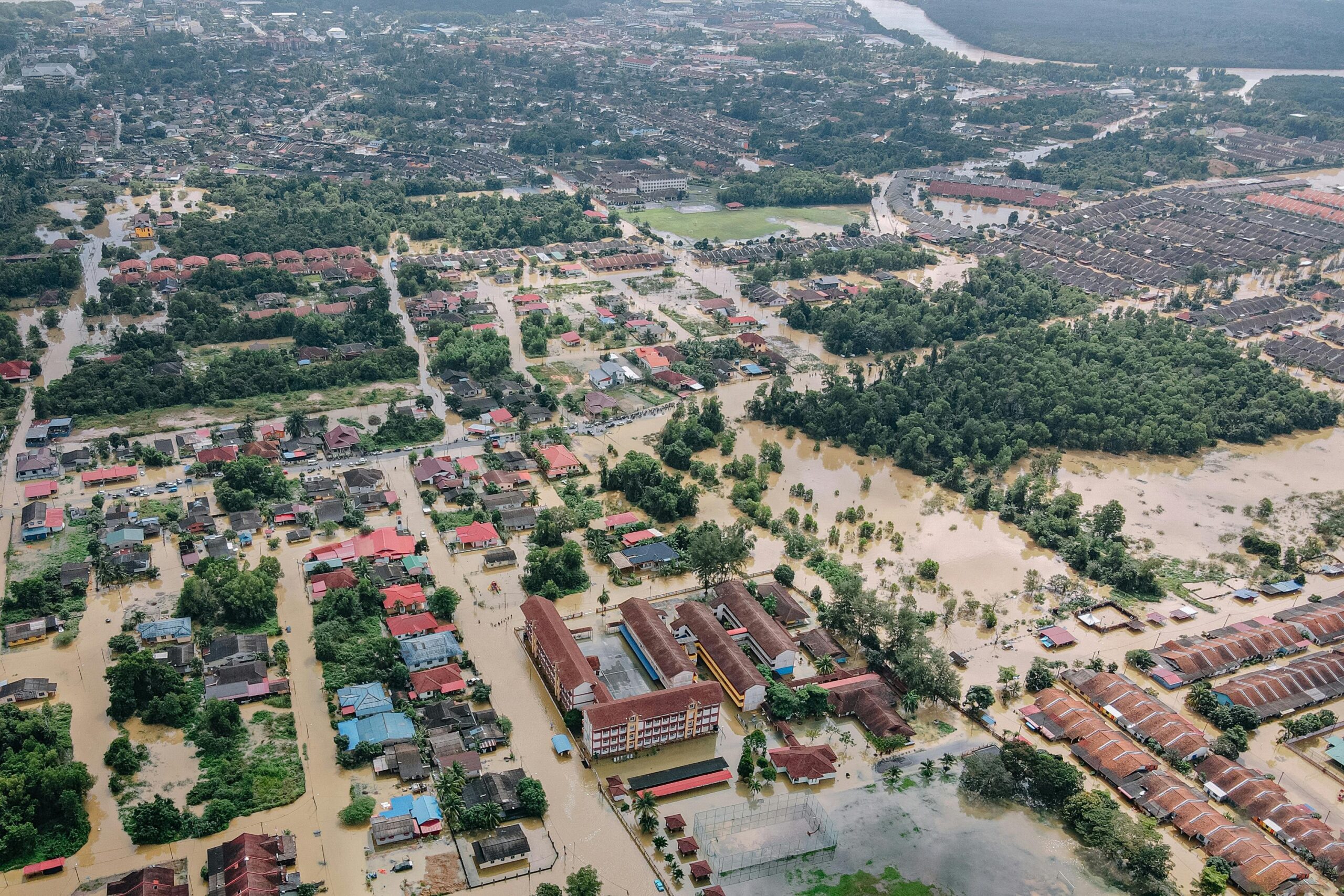
Modern construction demands more than blueprints and materials—it requires systematic approaches to identify vulnerabilities before they become catastrophic failures, making resilience mapping an essential pillar of safety.

🏗️ Understanding Resilience Mapping in Modern Construction
Resilience mapping represents a revolutionary approach to construction safety that goes far beyond traditional risk assessment methods. This comprehensive methodology involves systematically identifying, analyzing, and documenting potential vulnerabilities across every phase of a construction project, from initial site selection through long-term structural maintenance.
At its core, resilience mapping creates detailed visual representations of how structures respond to various stressors—whether environmental, operational, or human-induced. By mapping these resilience factors, construction professionals can anticipate failure points, optimize design strategies, and implement preventive measures that significantly enhance overall safety performance.
The process integrates multiple data sources including geological surveys, climate modeling, material stress testing, and historical performance data to create multidimensional profiles of structural integrity. This holistic perspective enables teams to visualize complex interdependencies that might otherwise remain hidden until problems emerge.
The Critical Components of Effective Resilience Mapping
Successful resilience mapping relies on several interconnected elements that work together to provide comprehensive safety insights. Understanding these components helps construction teams implement more effective mapping strategies tailored to specific project requirements.
Site-Specific Environmental Analysis 🌍
Every construction site presents unique environmental challenges that directly impact structural resilience. Comprehensive environmental analysis examines soil composition, water table fluctuations, seismic activity patterns, wind exposure profiles, and precipitation trends. This foundational layer of resilience mapping identifies natural conditions that could compromise structural integrity over time.
Advanced geotechnical investigations now incorporate real-time monitoring systems that track subtle ground movements, moisture content variations, and temperature fluctuations. These continuous data streams feed into dynamic resilience maps that update as conditions change, providing early warning systems for emerging environmental threats.
Material Performance Profiling
Different construction materials respond uniquely to stress, aging, and environmental exposure. Resilience mapping includes detailed profiles of how specific materials perform under various conditions—accounting for factors like thermal expansion, corrosion resistance, fatigue thresholds, and degradation rates.
Modern material science enables predictive modeling that forecasts long-term performance based on initial specifications and expected environmental exposures. These projections become integral components of resilience maps, highlighting which structural elements may require enhanced monitoring or earlier replacement schedules.
Structural Load Distribution Modeling
Understanding how forces distribute throughout a structure under different loading scenarios forms another crucial layer of resilience mapping. Engineers create sophisticated models that simulate static loads, dynamic forces, impact events, and cumulative stress patterns across all structural components.
These models reveal critical stress concentration points where failures are most likely to initiate. By identifying these vulnerabilities during design phases, teams can implement targeted reinforcement strategies that dramatically improve overall structural resilience without unnecessarily increasing costs across the entire project.
How Resilience Mapping Transforms Construction Safety Practices 🛡️
The implementation of resilience mapping fundamentally changes how construction professionals approach safety throughout project lifecycles. Rather than reactive responses to problems as they arise, this methodology enables proactive identification and mitigation of potential hazards before construction even begins.
Design teams now utilize resilience maps as living documents that inform decision-making at every stage. When architects propose modifications, engineers immediately reference resilience data to understand implications for structural integrity. This integrated approach prevents design decisions that might inadvertently create safety vulnerabilities.
During construction phases, resilience maps guide quality control inspections by highlighting critical connection points, material interfaces, and structural elements where precision becomes paramount. Inspectors focus attention where it matters most, ensuring that construction execution aligns with resilience requirements identified during planning stages.
Technology Integration: Digital Tools Revolutionizing Resilience Mapping
Contemporary resilience mapping leverages cutting-edge technologies that were unavailable to previous generations of construction professionals. These digital innovations dramatically enhance both the accuracy and accessibility of resilience data across project teams.
Building Information Modeling (BIM) Integration 📱
BIM platforms now incorporate resilience mapping layers directly into three-dimensional building models. This integration allows stakeholders to visualize vulnerability zones within spatial contexts, making abstract resilience data immediately comprehensible to diverse team members regardless of technical expertise.
Real-time collaboration features enable multiple specialists to contribute resilience data simultaneously—structural engineers add load analysis, environmental consultants input climate projections, and materials experts overlay degradation forecasts. This collective intelligence produces far more comprehensive resilience maps than any single discipline could create independently.
Sensor Networks and IoT Monitoring
Internet of Things (IoT) devices embedded within structures provide continuous resilience data throughout building lifecycles. Strain gauges, moisture sensors, vibration monitors, and thermal imaging systems generate constant streams of performance information that update resilience maps in real-time.
Machine learning algorithms analyze these sensor feeds to detect subtle patterns indicating emerging structural concerns. Early warning systems alert maintenance teams to investigate anomalies before they escalate into safety hazards, transforming resilience mapping from static documentation into dynamic safety management systems.
Geographic Information Systems (GIS) Applications
GIS technology enables resilience mapping at multiple scales—from individual structural elements to entire urban development zones. Spatial analysis tools identify regional vulnerability patterns, helping planners understand how site selection decisions impact long-term structural resilience.
Overlay analysis capabilities allow teams to examine relationships between various resilience factors—such as flood zones intersecting with seismic risk areas—revealing compound vulnerabilities that require specialized mitigation strategies. This geographic perspective proves particularly valuable for infrastructure projects spanning large areas.
Implementing Resilience Mapping: Practical Steps for Construction Teams 🔧
Transitioning from traditional safety approaches to comprehensive resilience mapping requires systematic implementation strategies that address both technical capabilities and organizational culture. Successful adoption involves several coordinated phases.
Phase One: Assessment and Planning
Begin by evaluating current safety assessment processes to identify gaps that resilience mapping can address. Conduct stakeholder interviews to understand specific concerns, historical problem patterns, and desired safety outcomes. This foundation ensures that resilience mapping implementation targets actual needs rather than theoretical ideals.
Develop clear objectives defining what resilience mapping should accomplish for your organization. Whether focusing on reducing insurance costs, minimizing project delays, enhancing worker safety, or improving long-term structural performance, explicit goals guide subsequent implementation decisions.
Phase Two: Technology Selection and Integration
Research available resilience mapping platforms considering factors like compatibility with existing systems, scalability for future growth, user interface accessibility, and vendor support quality. Prioritize solutions that integrate smoothly with current BIM, project management, and documentation workflows to minimize disruption during adoption.
Pilot selected technologies on smaller projects before full-scale deployment. These trial implementations reveal practical challenges and optimization opportunities that aren’t apparent during vendor demonstrations, allowing refinement of processes before committing to organization-wide changes.
Phase Three: Team Training and Cultural Adoption
Invest substantially in comprehensive training programs that build genuine competency rather than superficial familiarity. Effective training addresses not just software operation but the underlying resilience concepts that make mapping meaningful—helping team members understand why they’re collecting specific data and how it contributes to safety outcomes.
Cultivate organizational culture that values proactive resilience thinking over reactive problem-solving. Recognize and reward team members who identify potential vulnerabilities early, even when those discoveries complicate project timelines. This cultural shift proves essential for realizing resilience mapping’s full potential.
Measuring Success: Key Performance Indicators for Resilience Mapping Programs 📊
Quantifying resilience mapping effectiveness requires tracking meaningful metrics that demonstrate tangible safety improvements and business value. Establishing clear performance indicators enables continuous program refinement and justifies ongoing investment.
- Incident Reduction Rates: Track frequency and severity of safety incidents before and after resilience mapping implementation, demonstrating direct safety improvements.
- Early Detection Metrics: Monitor how often resilience mapping identifies potential problems before they manifest as actual failures, quantifying preventive value.
- Cost Avoidance Calculations: Document expenses prevented through early vulnerability identification—including repair costs, project delays, and liability claims avoided.
- Design Optimization Efficiency: Measure time required to evaluate design alternatives and make resilience-informed decisions compared to previous processes.
- Stakeholder Confidence Levels: Survey clients, insurers, and regulatory agencies regarding their confidence in project safety based on resilience mapping documentation.
Regulatory Considerations and Compliance Benefits ⚖️
Building codes and safety regulations increasingly recognize resilience-based approaches, with some jurisdictions beginning to mandate systematic vulnerability assessments for certain project types. Early adoption of resilience mapping positions organizations favorably as regulatory frameworks evolve toward more comprehensive safety requirements.
Detailed resilience documentation simplifies compliance demonstration by providing auditable records of safety considerations throughout project lifecycles. Rather than scrambling to compile evidence during inspections, teams with established resilience mapping practices present comprehensive safety narratives that expedite approval processes.
Insurance providers increasingly offer premium reductions for projects demonstrating advanced risk management through resilience mapping. The detailed vulnerability assessments and mitigation documentation satisfy underwriter requirements for favorable coverage terms, translating safety investments into direct cost savings.
Future Horizons: Emerging Trends in Construction Resilience
Resilience mapping continues evolving as new technologies and methodologies emerge. Artificial intelligence systems now analyze historical project data to predict vulnerability patterns with unprecedented accuracy, learning from thousands of completed structures to identify risks that human experts might overlook.
Climate change adaptation represents an expanding dimension of resilience mapping as construction professionals grapple with increasingly unpredictable environmental conditions. Advanced climate modeling integrates into resilience frameworks, helping teams design structures capable of withstanding scenarios that fall outside historical precedent.
Circular economy principles increasingly influence resilience mapping approaches, with emphasis shifting from single-lifecycle durability toward adaptability and material recovery. This evolution requires mapping frameworks that assess not just structural safety but also disassembly feasibility and component reusability.

Creating Lasting Safety Cultures Through Resilience Thinking 💡
Beyond technical methodologies and digital tools, resilience mapping’s greatest value lies in fostering organizational mindsets that prioritize systematic safety thinking. When resilience principles become embedded in company culture, safety improvements extend far beyond what any single technology or process can achieve.
Teams trained in resilience thinking naturally approach problems more holistically, considering interconnected vulnerabilities rather than isolated issues. This cognitive shift enhances decision quality across all project aspects, from initial client consultations through final commissioning procedures.
The transition toward resilience-centered construction practices represents more than adopting new tools—it embodies fundamental philosophical shifts regarding how we conceptualize, design, build, and maintain the structures that house human activity. As this transformation accelerates, organizations embracing resilience mapping position themselves as industry leaders defining construction’s safer, more sustainable future.
Ultimately, resilience mapping ensures that every structure built today incorporates tomorrow’s safety requirements, creating built environments that protect occupants not just at completion but throughout decades of service life. This forward-looking approach transforms construction from creating static objects into nurturing dynamic systems that adapt, respond, and endure.