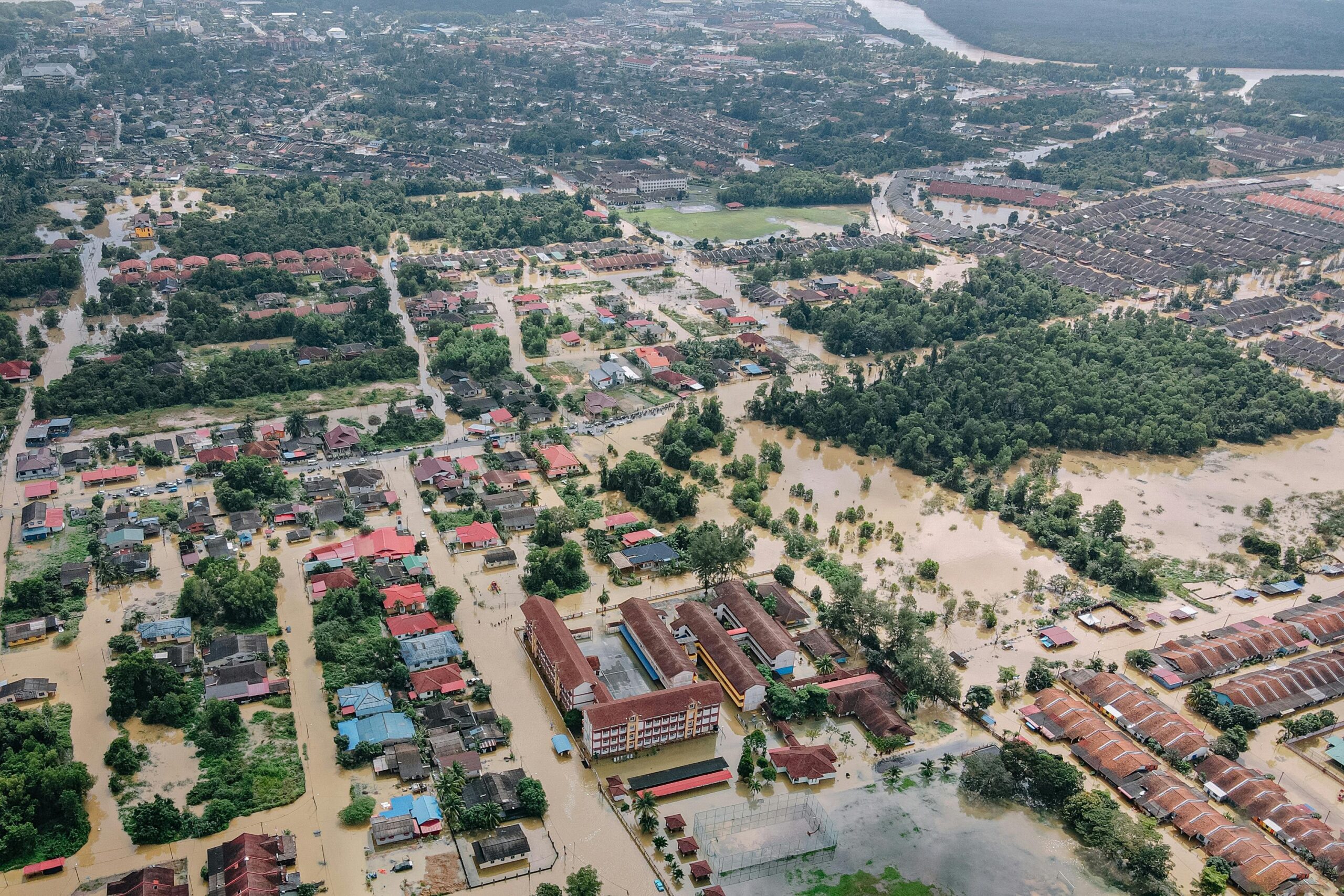
Resilient communities start with sustainable housing that protects families, preserves resources, and adapts to climate challenges while remaining affordable for everyone.

🏘️ Understanding the Foundation: What Makes Communities Resilient
Community resilience isn’t just about bouncing back from disasters—it’s about building systems that anticipate challenges, adapt to changing conditions, and emerge stronger. When we talk about affordable housing upgrades through the lens of resilience mapping, we’re essentially creating a blueprint for communities that can withstand economic shocks, environmental pressures, and social stresses while maintaining quality of life for residents.
Resilience mapping identifies vulnerabilities in housing infrastructure before they become critical problems. This proactive approach examines everything from structural integrity and energy efficiency to access to services and community support networks. For affordable housing developments, this mapping process becomes even more crucial because residents often lack the financial buffer to absorb unexpected housing costs or relocate when problems arise.
The intersection of resilience and affordability creates unique challenges. Traditional housing upgrades can price out existing residents through increased rents or property values. However, strategic resilience mapping allows communities to prioritize improvements that simultaneously reduce long-term costs, improve safety, and maintain affordability—creating a win-win scenario for residents and property managers alike.
🗺️ The Resilience Mapping Process: From Assessment to Action
Effective resilience mapping begins with comprehensive community assessment. This involves collecting data on physical infrastructure, environmental risks, social demographics, and economic factors. Community members themselves become essential partners in this process, providing insights that external assessors might miss about daily challenges, neighborhood strengths, and local priorities.
Geographic Information Systems (GIS) technology has revolutionized how communities can visualize resilience factors. By layering data about flood zones, heat islands, building age, energy consumption, and demographic information, planners can identify patterns and prioritize intervention areas. Mobile applications now make this technology accessible even to smaller community organizations working with limited budgets.
The mapping process should identify both immediate hazards and long-term vulnerabilities. Immediate concerns might include structural issues, electrical hazards, or inadequate heating systems. Long-term vulnerabilities could encompass energy inefficiency, susceptibility to climate change impacts, or isolation from essential services. This dual focus ensures that upgrades address urgent safety needs while building capacity for future challenges.
Creating Actionable Resilience Maps
A resilience map only creates value when it translates into concrete action. The most effective maps prioritize interventions based on multiple criteria: severity of risk, number of people affected, cost-effectiveness of solutions, and potential for leveraging additional resources. This prioritization helps communities with limited funds maximize their impact.
Community engagement throughout the mapping process ensures that technical assessments align with lived experiences. Residents know which homes experience flooding during storms, which buildings stay dangerously cold in winter, and where children lack safe outdoor spaces. Incorporating this knowledge creates maps that reflect reality rather than just data points.
💰 Financing Strategies That Preserve Affordability
The greatest challenge in upgrading affordable housing is finding funding mechanisms that don’t shift costs to vulnerable residents. Traditional financing often increases rents to recover improvement costs, defeating the purpose of maintaining affordability. Innovative financing strategies address this dilemma through public-private partnerships, green bonds, utility rebates, and revolving loan funds.
Energy efficiency upgrades offer particularly strong financial models because they reduce operating costs. Savings from lower utility bills can fund loan repayments without increasing resident expenses. Many utilities now offer on-bill financing specifically for efficiency improvements, where monthly loan payments appear on utility bills but remain lower than the energy savings achieved.
Government programs at federal, state, and local levels provide crucial funding for resilience upgrades. Programs like the Community Development Block Grant (CDBG), HOME Investment Partnerships, and Low-Income Housing Tax Credits can finance improvements when properly structured. Understanding how to layer multiple funding sources maximizes available resources and reduces dependence on any single program.
Leveraging Climate Resilience Funding
Climate adaptation funding represents a growing resource for housing upgrades. As governments recognize the intersection between climate resilience and housing stability, new funding streams emerge for improvements that address climate vulnerabilities. These might include flood mitigation, cooling systems for extreme heat, or renewable energy installations that maintain power during grid disruptions.
Insurance considerations also play a role in financing decisions. Properties with demonstrated resilience measures often qualify for reduced insurance premiums, creating ongoing savings. Some communities have successfully argued that resilience investments should qualify for insurance discounts, creating additional financial benefits that help justify upfront costs.
🔧 Priority Upgrade Categories for Maximum Impact
Not all upgrades deliver equal resilience benefits. Strategic prioritization focuses on improvements that address multiple challenges simultaneously. Energy efficiency measures, for example, reduce costs, decrease carbon emissions, improve comfort, and enhance energy security—making them high-priority interventions in most resilience plans.
- Building envelope improvements: Proper insulation, air sealing, and quality windows reduce energy consumption while protecting against extreme temperatures
- Water management systems: Upgraded drainage, rain gardens, and permeable surfaces prevent flooding and manage stormwater sustainably
- Mechanical systems: Efficient heating and cooling equipment with backup power capabilities maintain livability during extreme weather
- Structural reinforcements: Seismic upgrades, roof improvements, and foundation repairs protect against catastrophic failures
- Health and safety systems: Ventilation improvements, lead and asbestos abatement, and fire safety upgrades protect resident wellbeing
The Role of Green Infrastructure
Green infrastructure represents an often-overlooked category of resilience upgrades with outsized benefits. Community gardens, green roofs, urban forests, and bioswales provide cooling, manage stormwater, create gathering spaces, and improve mental health. These nature-based solutions often cost less than grey infrastructure while delivering multiple co-benefits that strengthen community bonds.
Incorporating vegetation around housing developments reduces the urban heat island effect that disproportionately affects low-income neighborhoods. Strategic tree planting can reduce building cooling costs by up to 30% while creating more pleasant outdoor environments that encourage community interaction and physical activity.
👥 Community Participation: The Secret Ingredient
Technical expertise alone cannot create truly resilient communities. Meaningful resident participation ensures that upgrades address actual needs, builds community ownership of improvements, and creates social cohesion that itself enhances resilience. Communities with strong social networks recover faster from disasters and better maintain infrastructure investments over time.
Participatory planning processes recognize residents as experts in their own lives and communities. Workshops, surveys, community walks, and design charrettes gather input about priorities, concerns, and aspirations. This engagement also builds resident capacity to advocate for their communities and participate in ongoing maintenance and improvement efforts.
Youth engagement deserves particular attention in resilience planning. Young people will experience the long-term impacts of today’s decisions and often bring fresh perspectives to problem-solving. Programs that train young residents in energy auditing, green infrastructure maintenance, or community mapping create pathways to employment while building community capacity.
📊 Measuring Success: Resilience Metrics That Matter
Effective resilience initiatives establish clear metrics to track progress and demonstrate impact. These measurements should balance quantitative data—energy savings, reduced maintenance costs, improved structural ratings—with qualitative indicators like resident satisfaction, community cohesion, and sense of security.
| Metric Category | Example Indicators | Why It Matters |
|---|---|---|
| Physical Resilience | Building condition scores, energy efficiency ratings, disaster preparedness assessments | Tracks infrastructure improvements and vulnerability reduction |
| Economic Resilience | Utility cost savings, maintenance expense reduction, housing cost stability | Demonstrates affordability preservation and financial benefits |
| Social Resilience | Community participation rates, social network strength, resident satisfaction | Measures community capacity and social cohesion |
| Environmental Resilience | Carbon emissions reduction, water management effectiveness, green space availability | Assesses environmental sustainability and climate adaptation |
Baseline measurements before interventions begin provide essential comparison points for evaluating effectiveness. Regular monitoring allows for course corrections and helps identify which strategies deliver the greatest impact for specific communities. This data also strengthens applications for additional funding by demonstrating proven results.
🌍 Learning from Success Stories Across Communities
Communities across the globe offer valuable lessons about successful resilience upgrades in affordable housing. Portland, Oregon’s focus on multifamily energy efficiency has demonstrated that comprehensive upgrades can reduce energy costs by 20-30% while improving resident comfort. Their program combines technical assistance, financing, and workforce development to create a replicable model.
In New York City, the Retrofit Accelerator program provides free support to building owners pursuing energy efficiency and resilience improvements. By reducing barriers to participation and connecting owners with contractors and financing, the program has upgraded thousands of housing units while maintaining affordability requirements.
International examples also inspire innovation. The Netherlands’ approach to flood resilience through floating homes and water plazas demonstrates how communities can adapt to rather than fight against environmental challenges. These solutions create distinctive, desirable communities while addressing serious climate vulnerabilities.
Indigenous Knowledge and Community Resilience
Indigenous communities have practiced resilience for millennia, offering wisdom about sustainable building practices, community cooperation, and adaptation to local conditions. Incorporating traditional ecological knowledge alongside modern technology creates more robust and culturally appropriate solutions. Passive solar design, natural ventilation, and locally-sourced materials represent time-tested approaches that enhance resilience while reducing costs.
🚀 Future-Proofing Affordable Housing
Building resilient communities requires thinking beyond immediate needs to anticipate future challenges. Climate projections, demographic shifts, economic trends, and technological changes all influence long-term housing resilience. Upgrades should incorporate flexibility to adapt as conditions evolve rather than locking in solutions optimized for current circumstances alone.
Modular design approaches allow for incremental improvements as resources become available and needs change. Installing infrastructure for future solar panels, designing spaces that can accommodate multiple uses, and creating mechanical systems with capacity for expansion all build adaptability into housing stock.
Digital infrastructure increasingly becomes essential to community resilience. High-speed internet access enables remote work, online education, telemedicine, and access to services—all critical during disruptions to normal activities. Resilience planning must ensure that affordable housing communities have equitable access to digital infrastructure that higher-income areas take for granted.
🤝 Building Partnerships That Amplify Impact
No single organization possesses all the resources, expertise, and connections needed for comprehensive resilience upgrades. Successful initiatives build partnerships among housing providers, local governments, utilities, nonprofits, academic institutions, and private sector companies. Each partner contributes unique strengths—funding, technical knowledge, community relationships, or implementation capacity.
Utility companies make particularly valuable partners because they benefit from reduced peak demand and can access dedicated funding for energy efficiency programs. Many utilities now employ staff specifically to work with affordable housing providers on upgrade projects. These partnerships can dramatically reduce project costs while delivering mutual benefits.
Academic partnerships bring research capabilities, student volunteers, and connections to funding opportunities. University researchers can provide sophisticated modeling, monitoring, and evaluation while students gain practical experience. These collaborations often produce innovations that benefit communities far beyond the initial project site.
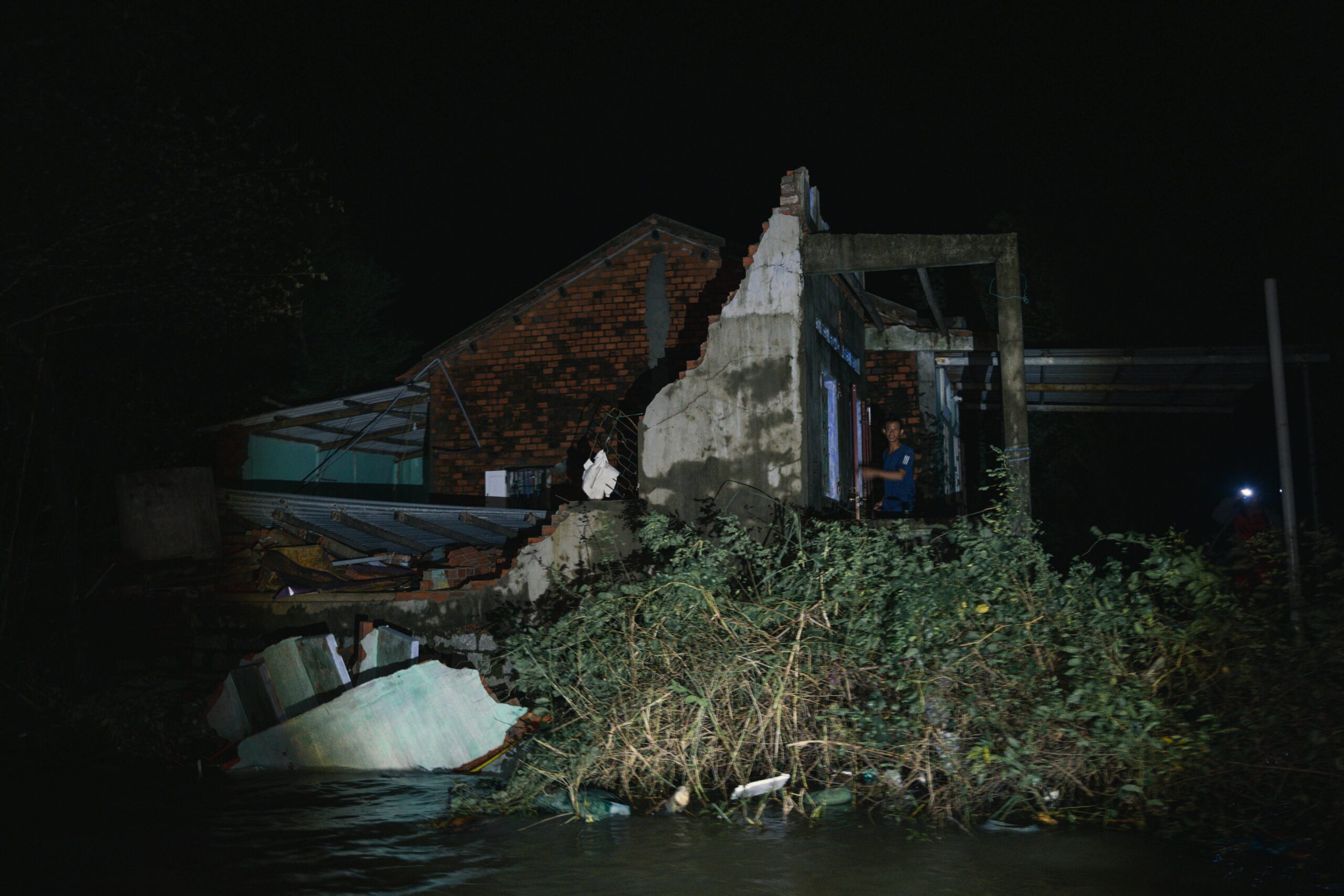
🎯 Taking the First Steps Toward Resilient Communities
Beginning the journey toward resilient affordable housing might feel overwhelming, but starting with small, achievable steps builds momentum and capacity. Simple energy audits identify low-cost improvements that generate quick wins and savings to fund larger projects. Community meetings build relationships and gather ideas that shape comprehensive plans.
Seeking out peers who have successfully completed similar projects provides invaluable guidance. Many organizations freely share their experiences, templates, and lessons learned. Regional networks of affordable housing providers often facilitate these connections through conferences, webinars, and collaborative projects.
Grant opportunities specifically supporting planning and capacity-building help communities develop the expertise needed for larger resilience initiatives. Investing time in thorough planning, community engagement, and partnership development creates foundations for successful implementation when construction funding becomes available.
The path to building stronger, more resilient communities through affordable housing upgrades requires patience, persistence, and collaboration. Yet the rewards—safer homes, lower costs, healthier residents, and communities prepared for an uncertain future—justify every effort. By mapping resilience thoughtfully and implementing upgrades strategically, we create housing that truly serves as a foundation for thriving communities where everyone can flourish regardless of income level. The work begins with a single assessment, a first conversation, or an initial upgrade, but it builds toward transformed communities where resilience and affordability reinforce rather than contradict each other.