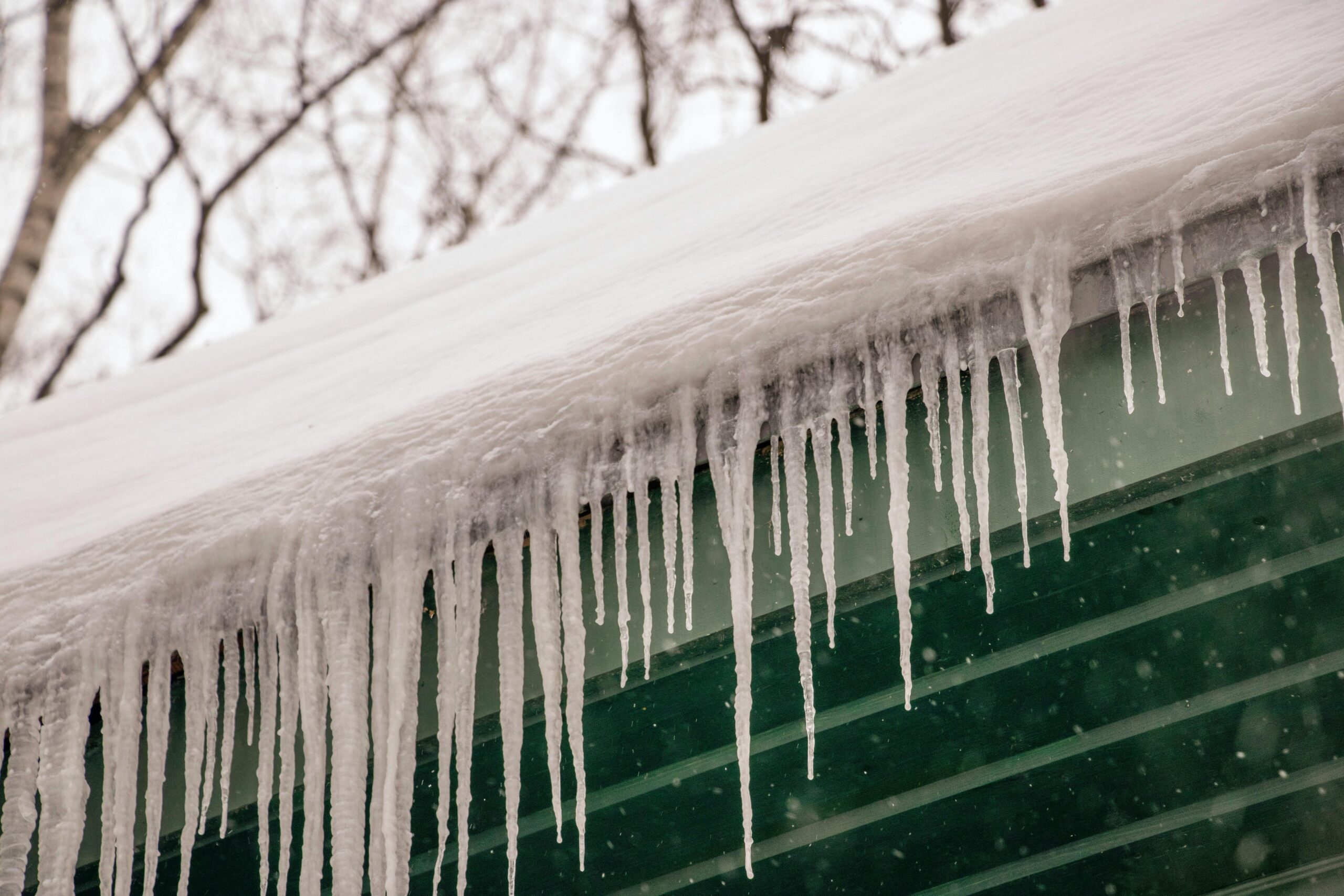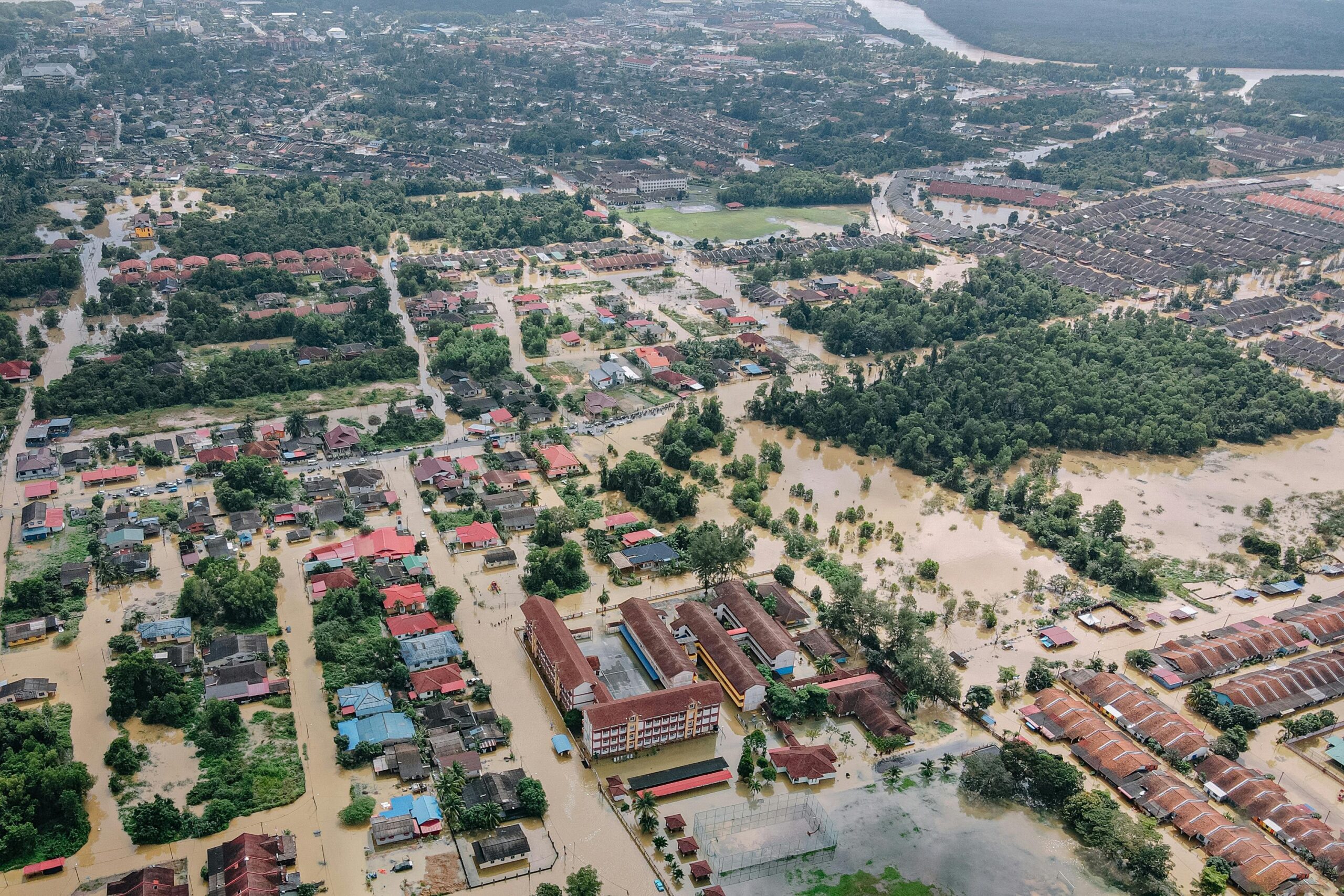
Extreme temperatures shape our planet’s landscapes, ecosystems, and human civilizations. Understanding thermal resilience has become crucial as climate variability intensifies worldwide.

🌡️ The Science Behind Thermal Extremes
Thermal extremes represent the boundary conditions where life, infrastructure, and natural systems face significant stress. These conditions occur when temperatures deviate substantially from regional norms, creating challenges that demand adaptive strategies. The science of thermal resilience examines how organisms, communities, and ecosystems respond to heat waves and cold snaps that push survival mechanisms to their limits.
Climate scientists define thermal extremes not just by absolute temperature values but by their duration, intensity, and frequency. A heat wave in Scandinavia at 30°C poses different challenges than the same temperature in equatorial regions, where biological and social systems have evolved different tolerance thresholds. Similarly, cold extremes in subtropical areas can devastate unprepared infrastructure and populations.
The physiological impact of thermal stress on humans involves complex thermoregulatory mechanisms. Our bodies maintain core temperatures around 37°C through sweating, shivering, and vascular adjustments. When external temperatures exceed our adaptive capacity, heat exhaustion, heat stroke, or hypothermia can develop rapidly. Understanding these biological limits informs strategies for protecting vulnerable populations during extreme weather events.
Mapping Vulnerability: Identifying High-Risk Zones
Geographic information systems have revolutionized how we map thermal vulnerability across landscapes. Urban heat islands demonstrate how built environments trap and amplify heat, creating temperature differentials of 5-10°C between city centers and surrounding rural areas. These microclimatic variations affect energy consumption, air quality, and public health outcomes significantly.
Vulnerability mapping integrates multiple data layers including surface temperatures, vegetation cover, building density, socioeconomic indicators, and demographic information. High-risk zones typically feature dense concrete surfaces, limited green space, aging infrastructure, and populations with reduced adaptive capacity such as elderly residents or those with chronic health conditions.
Coastal communities face unique thermal challenges, oscillating between maritime cooling effects and vulnerability to tropical storms that can disrupt power supplies during critical heating or cooling periods. Mountain regions experience rapid temperature fluctuations with elevation changes, creating distinct thermal zones within relatively small geographic areas.
🏗️ Architectural Solutions for Thermal Management
Building design represents the first line of defense against temperature extremes. Passive cooling strategies have sustained civilizations for millennia, from the wind catchers of Persian architecture to the thick adobe walls of Southwestern American pueblos. These time-tested approaches minimize energy consumption while maintaining comfortable interior environments.
Modern sustainable architecture incorporates thermal mass principles, using materials that absorb heat during hot periods and release it when temperatures drop. Phase-change materials embedded in walls or ceilings can store and release thermal energy at predetermined temperature thresholds, smoothing indoor temperature fluctuations without active mechanical systems.
Green roofs and living walls provide insulation, evaporative cooling, and stormwater management benefits simultaneously. Vegetation layers reduce surface temperatures by 20-40°C compared to conventional roofing materials, extending roof lifespans while decreasing urban heat island effects. Strategic window placement, overhangs, and shading devices control solar gain, reducing cooling loads during summer while allowing passive solar heating in winter months.
Innovative Materials Reshaping Thermal Performance
Advanced materials science has produced revolutionary solutions for managing thermal extremes. Radiative cooling materials reflect solar radiation while emitting heat in infrared wavelengths that pass through the atmosphere, potentially cooling surfaces below ambient air temperature even in direct sunlight. These materials could transform roofing, vehicle surfaces, and outdoor infrastructure.
Aerogels represent another breakthrough, offering exceptional insulation properties with minimal thickness and weight. Originally developed for aerospace applications, these materials are increasingly accessible for residential and commercial construction, enabling superior thermal performance in space-constrained applications.
Smart glass technologies adjust their tint automatically based on temperature and light conditions, reducing cooling loads by up to 30% while maintaining natural daylighting. Electrochromic windows respond to electrical signals, while thermochromic variants change properties based solely on temperature, requiring no external power input.
Urban Planning Strategies for Thermal Resilience
City-scale interventions create systemic improvements in thermal comfort and resilience. Strategic placement of parks, water features, and urban forests generates cooling corridors that channel breezes through dense neighborhoods. Cities like Singapore and Melbourne have implemented comprehensive greening programs that demonstrably reduce ambient temperatures while improving air quality and mental health outcomes.
Street design significantly influences pedestrian thermal comfort. Narrow streets with tall buildings provide shade in hot climates, while wider boulevards with deciduous trees offer seasonal variation—shade in summer, solar access in winter. Surface materials matter tremendously; reflective pavement coatings can reduce surface temperatures by 10-20°C compared to traditional asphalt.
Mixed-use development patterns reduce vehicle dependence, decreasing waste heat from transportation while creating walkable neighborhoods where thermal comfort becomes paramount. When residents can access daily needs within comfortable walking or cycling distance, urban form directly supports thermal resilience.
🌿 Nature-Based Solutions for Temperature Regulation
Ecosystem-based approaches offer cost-effective, multifunctional strategies for managing thermal extremes. Wetlands restoration provides cooling through evapotranspiration while managing flooding and supporting biodiversity. Urban wetlands can reduce surrounding air temperatures by 2-5°C during heat waves, creating refugia for heat-stressed populations.
Reforestation and afforestation programs deliver long-term thermal benefits as tree canopies mature. Strategic tree placement maximizes shading for buildings, streets, and public spaces. Species selection matters—deciduous trees provide summer cooling while allowing winter solar gain, while evergreens offer year-round wind protection in cold climates.
Agricultural landscapes can be designed for thermal resilience through agroforestry, cover cropping, and integrated livestock management. These practices moderate soil temperatures, reduce erosion, and maintain productivity during temperature extremes that would devastate conventional monocultures.
Water Management as Thermal Infrastructure
Water bodies moderate temperature extremes through thermal mass effects and evaporative cooling. Retention ponds, bioswales, and constructed wetlands serve multiple functions including stormwater management, water quality improvement, and microclimate regulation. Cities incorporating blue-green infrastructure networks demonstrate measurably lower temperatures and improved resilience to both flooding and drought.
Misting systems and water features in public spaces provide immediate cooling effects, making outdoor areas usable during otherwise uncomfortable conditions. While these require water inputs, properly designed systems using recycled water can deliver significant thermal comfort improvements with manageable resource consumption.
🔌 Technology and Smart Systems for Climate Control
Internet-of-Things sensors enable real-time monitoring and responsive management of thermal environments. Smart thermostats learn occupancy patterns and optimize heating and cooling schedules, reducing energy consumption by 10-25% while maintaining comfort. Building management systems integrate weather forecasts, occupancy data, and utility pricing to minimize costs and environmental impacts.
Predictive analytics identify vulnerable populations and neighborhoods before heat waves or cold snaps arrive, enabling targeted interventions. Public health agencies can deploy cooling centers, conduct wellness checks, and distribute resources based on data-driven risk assessments rather than waiting for emergency calls.
Personal thermal management technologies are evolving rapidly. Wearable cooling devices, phase-change vests, and heated garments extend human thermal tolerance ranges, enabling outdoor work and recreation during conditions that would otherwise be prohibitive. These technologies prove particularly valuable for essential workers, athletes, and military personnel.
Community-Based Adaptation Strategies
Social cohesion proves critical during thermal extremes. Neighborhood networks that check on vulnerable residents during heat waves and cold snaps save lives. Community cooling centers and warming shelters provide accessible refuge when home conditions become dangerous, but only function effectively when residents know about them and feel comfortable accessing services.
Cultural practices around thermal extremes vary globally, offering diverse adaptation strategies. Siesta traditions in hot climates shift activity patterns to cooler hours. Cold-climate cultures have developed sophisticated clothing systems, insulation techniques, and seasonal rhythms that modern populations can learn from as climate variability increases.
Education programs build community capacity to recognize and respond to thermal stress. Simple interventions like knowing the signs of heat exhaustion, understanding proper hydration practices, and recognizing when to seek help can prevent serious health consequences. Schools, workplaces, and community organizations serve as critical channels for disseminating this life-saving information.
⚡ Energy Systems Enabling Thermal Resilience
Reliable energy access underpins most modern thermal management strategies. Power outages during heat waves or cold snaps can quickly become life-threatening for vulnerable populations dependent on climate control systems. Resilient energy infrastructure incorporates distributed generation, microgrids, and backup systems that maintain critical services during grid disruptions.
Renewable energy systems reduce the urban heat island effect by displacing fossil fuel combustion that releases waste heat into urban environments. Solar panels, while absorbing significant radiation, replace fossil generation that would produce even more total heat when accounting for extraction, processing, and combustion inefficiencies.
Thermal energy storage systems shift heating and cooling loads to off-peak hours, reducing strain on electrical grids during extreme conditions when demand peaks. Ice storage systems freeze water at night for daytime cooling, while thermal mass storage heats materials with excess renewable energy for later use.
Policy Frameworks Supporting Thermal Adaptation
Effective governance structures translate thermal resilience knowledge into action. Building codes establishing minimum insulation standards, maximum urban heat island intensities, and energy performance requirements drive widespread adoption of best practices. Progressive jurisdictions regularly update standards to reflect evolving climate conditions and technological capabilities.
Zoning regulations can mandate green space minimums, tree canopy coverage requirements, and climate-responsive design standards. These tools shape development patterns over decades, creating neighborhoods inherently more resilient to temperature extremes than conventional auto-oriented sprawl.
Financial incentives accelerate voluntary adoption of thermal resilience measures. Tax credits, rebates, and low-interest loans for insulation upgrades, efficient HVAC systems, and renewable energy installations make adaptation accessible to broader populations. Utility rate structures that reward conservation and load shifting encourage behaviors that benefit individual households and collective resilience.
🌍 Global Perspectives on Thermal Challenges
Different regions face distinct thermal resilience challenges requiring tailored solutions. Arctic communities confront thawing permafrost undermining infrastructure while longer ice-free seasons disrupt traditional subsistence patterns. Adaptation strategies include elevated foundations, refrigerated ground systems, and diversified food security approaches.
Tropical regions already near human thermal tolerance limits face the most acute heat stress risks as global temperatures rise. Solutions emphasize passive cooling, urban greening, and scheduling adjustments that shift activities to cooler periods. Some low-lying tropical islands face the dual challenge of rising temperatures and sea level rise threatening freshwater supplies needed for evaporative cooling.
Temperate regions experience increasing climate variability with more frequent extremes in both directions. Infrastructure designed for historical climate norms proves inadequate for contemporary conditions. Adaptation requires flexible systems that handle expanded temperature ranges rather than optimizing for narrow historical averages.
Measuring Success: Metrics for Thermal Resilience
Quantifying thermal resilience requires multidimensional metrics beyond simple temperature measurements. The Universal Thermal Climate Index combines temperature, humidity, wind speed, and radiation to assess actual human thermal comfort. Heat stress indicators like wet-bulb temperature identify conditions where evaporative cooling fails, creating potentially fatal situations.
Infrastructure metrics track system performance during temperature extremes. Power grid reliability, water system functionality, and transportation network operability during heat waves and cold snaps reveal true resilience. Mortality and morbidity statistics during extreme events provide sobering assessments of community-level resilience adequacy.
Economic metrics quantify adaptation benefits and climate change impacts. Productivity losses during extreme heat, emergency response costs, infrastructure damage from thermal cycling, and energy expenditures for climate control all represent measureable consequences of inadequate thermal resilience.
🚀 Emerging Frontiers in Thermal Adaptation
Cutting-edge research explores transformative approaches to thermal management. Engineered organisms could produce structural materials with superior insulation properties or develop photosynthetic building skins that cool while producing energy. Genetic research investigates thermal tolerance mechanisms that might enhance crop and livestock resilience to temperature stress.
Geoengineering proposals range from localized urban interventions to planetary-scale solar radiation management. While controversial and potentially risky at large scales, controlled experiments with reflective surfaces, cloud brightening, and stratospheric aerosols continue. Most experts advocate prioritizing emissions reduction and conventional adaptation before considering large-scale climate intervention.
Artificial intelligence and machine learning optimize complex thermal systems with thousands of interacting variables. These tools design building envelopes, control smart grid responses to weather forecasts, and identify optimal tree planting locations for maximum thermal benefit. As computing power increases and algorithms improve, automated thermal management systems will likely become ubiquitous.
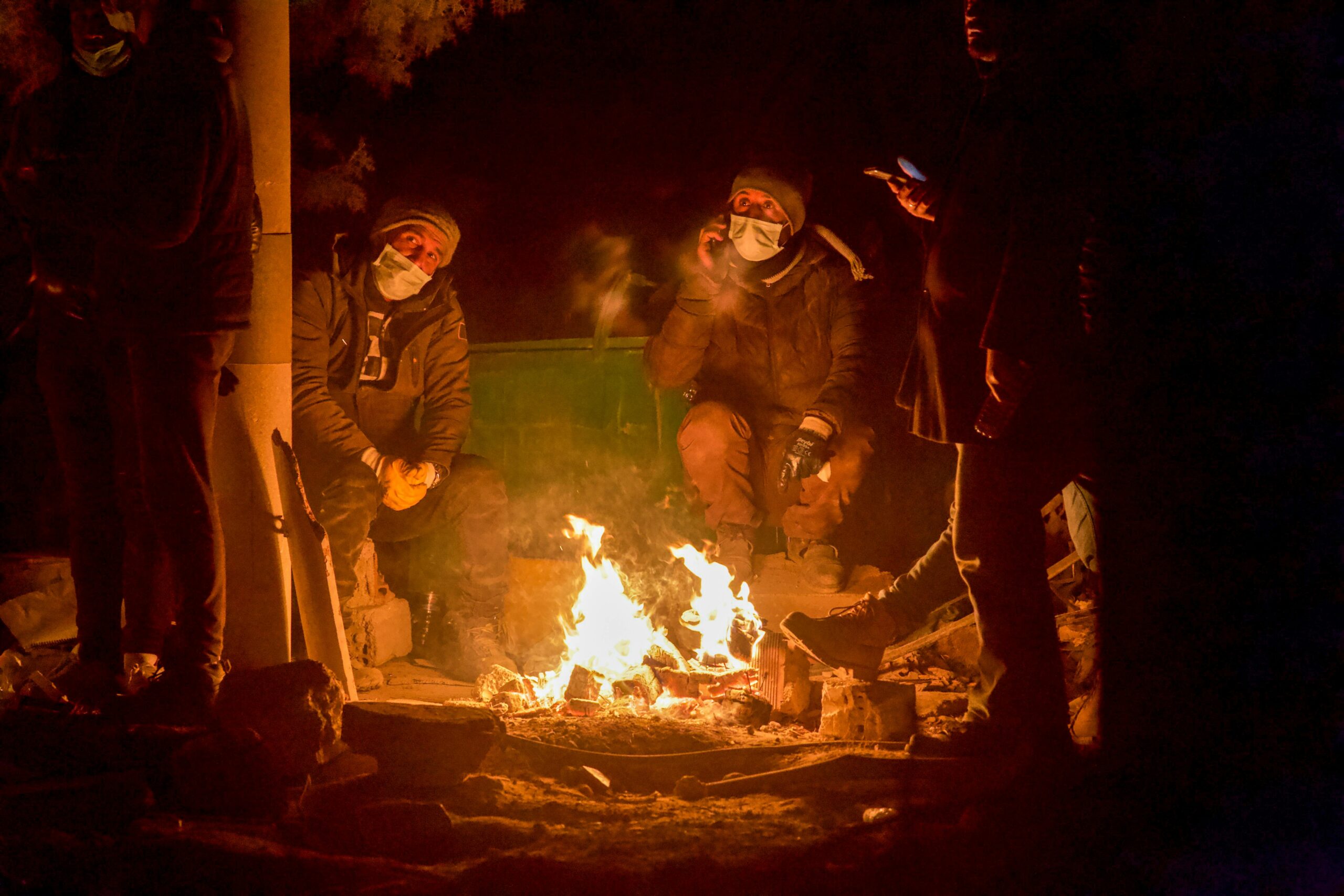
Forging a Thermally Resilient Future
The path toward thermal resilience requires integrating ancient wisdom with modern innovation, combining individual actions with systemic change, and balancing technological solutions with nature-based approaches. No single strategy suffices; comprehensive resilience emerges from layered, redundant systems that maintain functionality when individual components fail.
Investment in thermal resilience delivers returns across multiple domains including public health, economic productivity, energy security, and environmental quality. As climate variability increases, communities prioritizing adaptation will experience significantly better outcomes than those maintaining status quo approaches designed for historical conditions no longer representative of future realities.
The thermal challenges ahead are substantial but not insurmountable. Humanity possesses the knowledge, tools, and resources needed to create resilient systems supporting wellbeing across temperature extremes. Success requires political will, sustained investment, equitable implementation, and recognition that thermal resilience represents not just infrastructure and technology but fundamentally about protecting human dignity and enabling flourishing lives regardless of external conditions.