Coastal properties face unique environmental challenges that demand strategic protection planning. Understanding how salt, corrosion, and humidity interact with your assets is essential for long-term preservation and value retention.

🌊 The Triple Threat to Coastal Infrastructure
Living near the ocean offers breathtaking views and lifestyle benefits, but it comes with a hidden cost. The combination of salt-laden air, persistent moisture, and corrosive elements creates a perfect storm for property degradation. Whether you own a beachfront home, manage commercial coastal property, or operate marine facilities, these environmental factors work relentlessly to compromise structural integrity.
Salt particles carried by ocean breezes can travel several kilometers inland, affecting properties far from the immediate shoreline. These microscopic crystals penetrate building materials, accelerate metal oxidation, and degrade protective coatings. Meanwhile, elevated humidity levels create ideal conditions for moisture intrusion, mold growth, and material deterioration that compounds the damage caused by salt exposure.
The economic impact of coastal corrosion is staggering. Industry estimates suggest that corrosion-related damage costs billions annually in coastal regions worldwide. For individual property owners, inadequate protection can result in premature replacement of roofing, HVAC systems, vehicles, and structural components—expenses that far exceed preventive maintenance investments.
Understanding Coastal Corrosion Mechanics
Corrosion in coastal environments follows predictable patterns driven by electrochemical reactions. When salt particles dissolve in atmospheric moisture, they create an electrolyte solution that accelerates the oxidation of metals. This process intensifies in areas with higher humidity, temperature fluctuations, and direct salt spray exposure.
Different materials respond uniquely to these conditions. Ferrous metals like steel and iron are particularly vulnerable, developing rust that weakens structural capacity. Aluminum, while more resistant, still suffers from pitting corrosion that compromises aesthetic appeal and functionality. Even stainless steel, often considered corrosion-resistant, can experience stress corrosion cracking in highly saline environments.
Non-metallic materials aren’t immune either. Concrete absorbs chloride ions that penetrate to embedded reinforcement bars, causing internal corrosion that leads to concrete spalling and structural failure. Wood products experience accelerated decay when moisture content remains elevated, while plastics and composites can degrade under UV exposure combined with salt contamination.
The Humidity Factor in Coastal Degradation
Relative humidity above 60% creates conditions where salt particles become deliquescent—they absorb moisture from the air and form corrosive solutions even without visible wetness. Coastal areas frequently experience humidity levels between 70-90%, meaning corrosion processes continue around the clock, not just during rain or fog events.
This persistent moisture also promotes biological growth. Mold, mildew, and algae thrive in humid coastal environments, causing aesthetic damage and potentially hazardous air quality issues. These organisms produce organic acids that further accelerate material degradation, creating a cascading effect that compounds traditional corrosion mechanisms.
🗺️ Mapping Your Vulnerability: Assessment Strategies
Effective protection begins with comprehensive vulnerability mapping. This process identifies which assets face the greatest exposure and prioritizes protective interventions based on risk and value. A systematic assessment approach enables data-driven decision-making rather than reactive repairs after damage occurs.
Start by categorizing your coastal assets into distinct zones based on distance from the shoreline. Properties within 300 meters of breaking waves experience the most intense salt spray exposure. Assets between 300 meters and 2 kilometers face moderate exposure from aerosol drift, while properties beyond 2 kilometers typically encounter lower but still significant salt concentrations depending on prevailing wind patterns.
Document all metallic components on your property, including roofing systems, fasteners, railings, outdoor fixtures, HVAC equipment, vehicles, and structural elements. Create a simple inventory noting material type, current condition, protective coatings, and estimated replacement cost. This inventory becomes your baseline for monitoring degradation rates and planning maintenance cycles.
Environmental Monitoring Techniques
Installing basic environmental monitoring equipment provides valuable data for protection planning. Humidity sensors track moisture levels in critical areas like attics, crawl spaces, and equipment rooms. Salt deposition collectors—simple devices that capture airborne particles—quantify actual salt exposure rates at your specific location.
Temperature and humidity data loggers are now affordable and easy to deploy. These devices record conditions continuously, revealing patterns that might not be obvious during casual observation. For example, you might discover that your garage maintains humidity levels above the critical corrosion threshold even when outdoor conditions seem favorable.
Several mobile applications can assist with environmental monitoring and data logging. While professional-grade equipment offers greater accuracy, smartphone-based tools provide useful insights for property owners developing protection strategies. These apps can track weather patterns, log inspection findings, and set maintenance reminders based on environmental conditions.
Material Selection for Coastal Resilience
When building new structures or replacing damaged components in coastal environments, material selection becomes paramount. The initial cost premium for marine-grade materials typically represents a fraction of the expense associated with premature failure and replacement of standard products.
For metal applications, consider these hierarchy of corrosion resistance:
- Marine-grade stainless steel (316/316L): Contains molybdenum for superior chloride resistance, ideal for fasteners, railings, and outdoor fixtures
- Aluminum alloys (5000 and 6000 series): Good corrosion resistance when properly finished, suitable for window frames and cladding
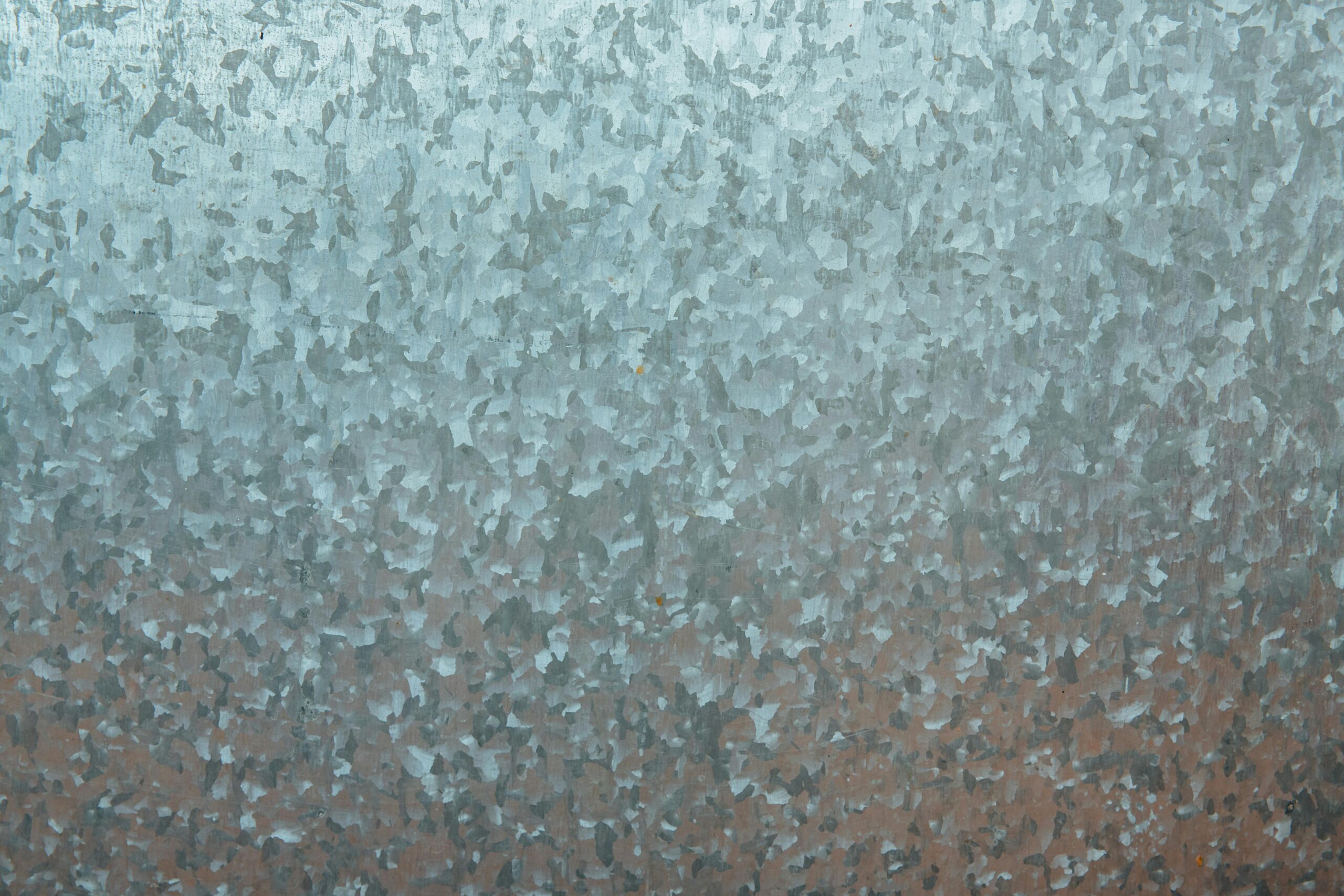
- Hot-dip galvanized steel: Sacrificial zinc coating provides extended protection for structural applications
- Copper and bronze alloys: Naturally corrosion-resistant, excellent for electrical components and decorative elements
- Fiber-reinforced polymers: Excellent corrosion resistance but require UV stabilization
Avoid dissimilar metal contact, which accelerates galvanic corrosion in conductive salt solutions. When different metals must connect, use insulating barriers and protective sealants. Fasteners should match or exceed the corrosion resistance of materials they secure—a stainless steel fastener in aluminum is acceptable, but aluminum fasteners in stainless steel creates corrosion problems.
Protective Coating Systems
Even corrosion-resistant materials benefit from protective coatings in harsh coastal environments. Modern coating systems employ multiple layers, each serving distinct functions: surface preparation removes contaminants and creates mechanical bonding, primer layers provide corrosion inhibition, intermediate coats build thickness, and topcoats resist UV degradation and moisture penetration.
Epoxy-based primers offer excellent adhesion and barrier properties for metal substrates. Polyurethane topcoats provide UV resistance and aesthetic durability. For maximum protection in severe exposure zones, consider zinc-rich primers that provide cathodic protection similar to galvanizing.
Coating maintenance follows predictable cycles based on exposure intensity. Direct spray zones may require recoating every 3-5 years, while protected areas can extend to 7-10 year intervals. Regular inspection and minor touch-ups prevent the exponential degradation that occurs once coatings fail and substrate corrosion begins.
⚙️ Engineered Protection Systems
Beyond material selection and coatings, several engineered systems provide active protection against coastal degradation. These technologies address specific vulnerability factors and can significantly extend asset lifespan when properly implemented.
Cathodic Protection for Metal Structures
Cathodic protection prevents corrosion by making the protected metal the cathode in an electrochemical cell. Two primary methods exist: sacrificial anode systems use more reactive metals (typically zinc or magnesium) that corrode preferentially, protecting the asset. Impressed current systems use external power sources to achieve the same protective electrochemical conditions.
Marine piers, seawalls, and buried pipelines commonly employ cathodic protection. For coastal property owners, sacrificial anodes can protect dock structures, boat lifts, and even foundation pilings. Professional installation and periodic monitoring ensure system effectiveness, but maintenance requirements are minimal compared to coating-only approaches.
Dehumidification and Climate Control
Controlling indoor humidity represents one of the most cost-effective protection strategies. Whole-house dehumidification systems maintain relative humidity below 50%, dramatically slowing corrosion rates for everything inside the building envelope. This protection extends to furniture, appliances, electronics, and personal property—not just structural components.
For specific high-value assets like vehicles, tools, or equipment, consider dedicated climate-controlled storage. A properly sealed garage with dehumidification can maintain conditions similar to inland environments, eliminating the accelerated degradation that typically affects vehicles in coastal areas.
Energy-efficient heat recovery ventilators (HRVs) provide fresh air while managing humidity. These systems exhaust humid indoor air while recovering thermal energy, maintaining comfortable conditions without the moisture loads that promote corrosion and mold growth.
📊 Developing Your Protection Timeline
Effective coastal asset protection requires long-term planning with scheduled maintenance intervals. Reactive approaches—waiting for visible damage before taking action—inevitably cost more and result in reduced asset lifespan. A proactive maintenance calendar based on environmental exposure prevents minor issues from escalating into major expenses.
| Frequency | Activity | Focus Areas |
|---|---|---|
| Monthly | Visual inspection | Surface rust, coating damage, moisture accumulation |
| Quarterly | Detailed assessment | Fasteners, moving parts, drainage systems, HVAC components |
| Bi-annually | Professional evaluation | Structural elements, hidden spaces, electrical systems |
| Annually | Comprehensive maintenance | Touch-up coatings, lubrication, system servicing, documentation update |
| 3-5 Years | Major interventions | Coating renewal, component replacement, system upgrades |
Document every inspection with dated photographs and detailed notes. This record establishes degradation trends, validates maintenance effectiveness, and provides valuable information for insurance purposes or property transactions. Digital tools and smartphone apps can streamline documentation, making it easier to maintain consistent records over time.
Economic Analysis of Protection Investment
Property owners often question whether extensive protection measures justify their cost. A lifecycle cost analysis typically demonstrates significant long-term savings from proactive protection compared to reactive replacement strategies.
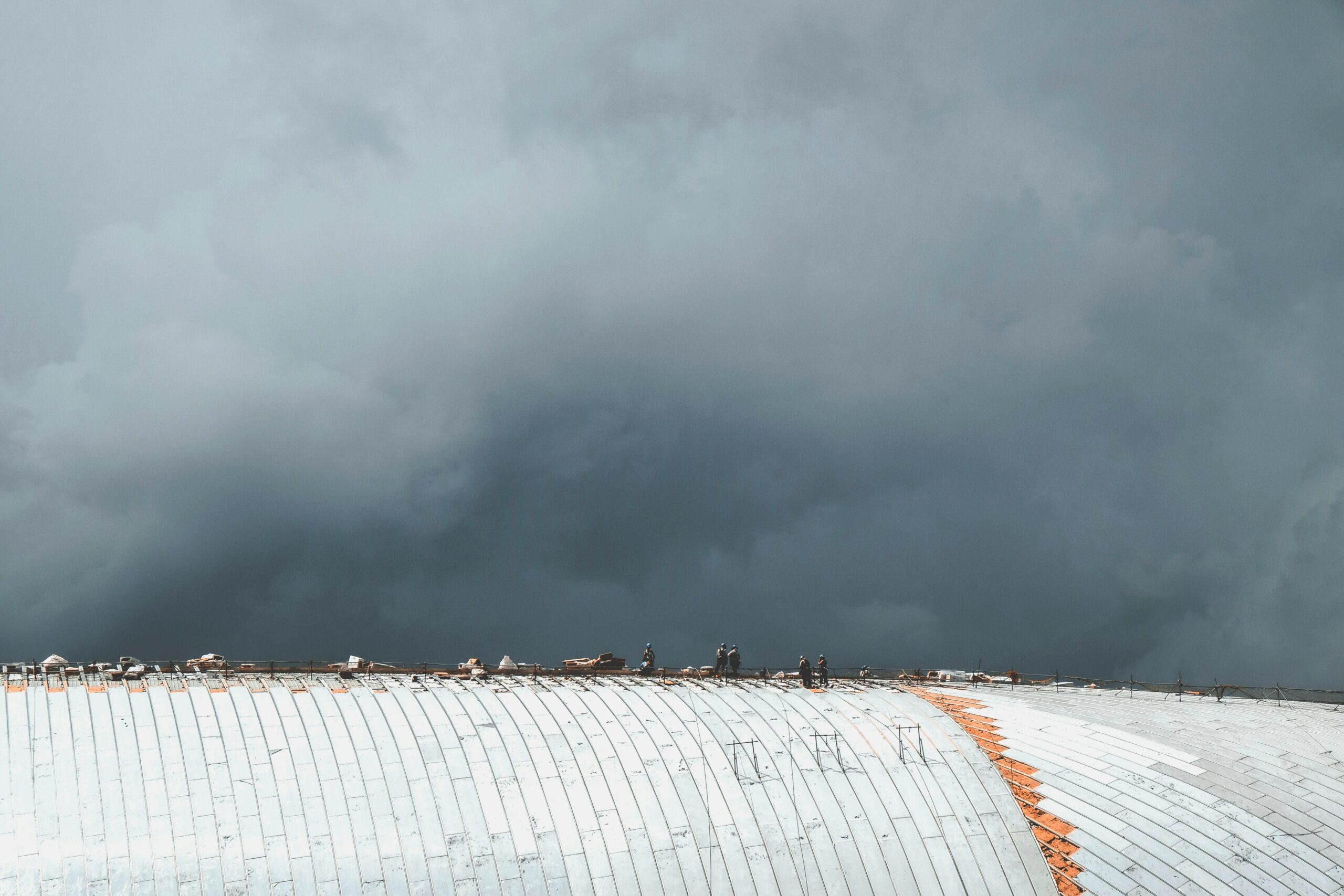
Consider a typical metal roof in a coastal environment. A standard painted steel roof might cost $15,000 installed with an expected lifespan of 10-15 years before corrosion requires replacement. A marine-grade aluminum roof with proper coating might cost $25,000 but last 30-40 years. Over a 40-year ownership period, the premium material saves approximately $20,000 in replacement costs—not including the disruption and secondary damage associated with mid-life roof failure.
Protection investments also enhance property value and marketability. Documented maintenance programs demonstrate responsible ownership and reduce buyer concerns about coastal property durability. This verification can translate into higher sale prices and faster transactions when you eventually sell.
Insurance Considerations
Many coastal property insurance policies include specific exclusions for damage resulting from lack of maintenance. Implementing and documenting comprehensive protection programs may reduce premiums, expand coverage options, or simplify claim processes when storm damage occurs.
Consult with your insurance provider about their requirements and recommendations for coastal properties. Some insurers offer discounts for properties with impact-resistant roofing, storm shutters, and other protective features. Your maintenance documentation becomes evidence of due diligence that can influence claim settlements favorably.
🔬 Advanced Monitoring Technologies
Technology continues advancing the capabilities available for monitoring coastal asset condition. Corrosion sensors embedded in structures provide real-time data about degradation rates. These devices measure actual metal loss, coating integrity, or environmental conditions at critical locations, enabling predictive maintenance rather than time-based schedules.
Drone inspections allow comprehensive assessment of roofs, facades, and other difficult-to-access areas without expensive scaffolding or lift equipment. Thermal imaging reveals moisture intrusion and insulation deficiencies invisible to conventional inspection. These technologies are increasingly affordable for residential property owners, not just commercial facilities.
Internet-connected environmental sensors create automated monitoring systems that alert you to condition changes requiring attention. A humidity sensor in your attic can send smartphone notifications when levels exceed safe thresholds, enabling immediate intervention before mold or corrosion progresses significantly.
Regional Variations in Coastal Exposure
Not all coastlines present identical challenges. Properties facing prevailing winds experience more intense salt deposition than those on protected shores. Northern climates add freeze-thaw cycling that accelerates material breakdown when combined with salt exposure. Tropical regions introduce biological degradation factors absent in temperate zones.
Research specific conditions in your locality. Coastal engineering studies, university extension services, and local building departments often provide detailed environmental data relevant to protection planning. Neighboring property owners with longer experience can offer practical insights about which materials and strategies perform well in your specific microclimate.
Building codes in coastal jurisdictions typically reflect regional exposure levels with specific requirements for corrosion resistance, wind loading, and moisture management. Following code minimums provides baseline protection, but properties with high asset value or extended ownership plans benefit from exceeding these standards.
🛡️ Creating Your Personal Protection Plan
Armed with understanding of corrosion mechanisms, assessment techniques, material options, and maintenance strategies, you can develop a customized protection plan for your coastal assets. This plan should reflect your property’s specific exposure, asset values, budget constraints, and ownership timeline.
Begin with a thorough inventory and vulnerability assessment. Identify your most valuable and most vulnerable assets—these become protection priorities. Quick wins like improved drainage, humidity control, and protective coatings for critical components often deliver immediate benefits at modest cost.
Establish maintenance routines that fit your schedule and capabilities. Simple monthly inspections take minimal time but catch problems early when remediation remains straightforward. Schedule professional assessments for complex systems and areas requiring specialized knowledge or equipment.
Budget for protection as an ongoing operating expense rather than unexpected emergency repairs. Setting aside 1-2% of property value annually for preventive maintenance typically proves far more economical than deferred maintenance followed by crisis-driven replacements.
Community-Level Protection Strategies
Coastal communities that coordinate protection efforts often achieve better outcomes than individual property owners working in isolation. Shared resources like specialized equipment, bulk purchasing of marine-grade materials, or contracted professional services reduce costs for everyone involved.
Homeowner associations in coastal areas should incorporate corrosion management into community planning. Shared structures like seawalls, docks, and common facilities benefit from professional maintenance programs that distribute costs across multiple property owners while ensuring consistent protection quality.
Advocacy for improved building standards, environmental monitoring, and protective infrastructure serves entire coastal communities. Participating in local planning processes ensures that new development doesn’t increase exposure for existing properties and that community resources support long-term asset preservation.
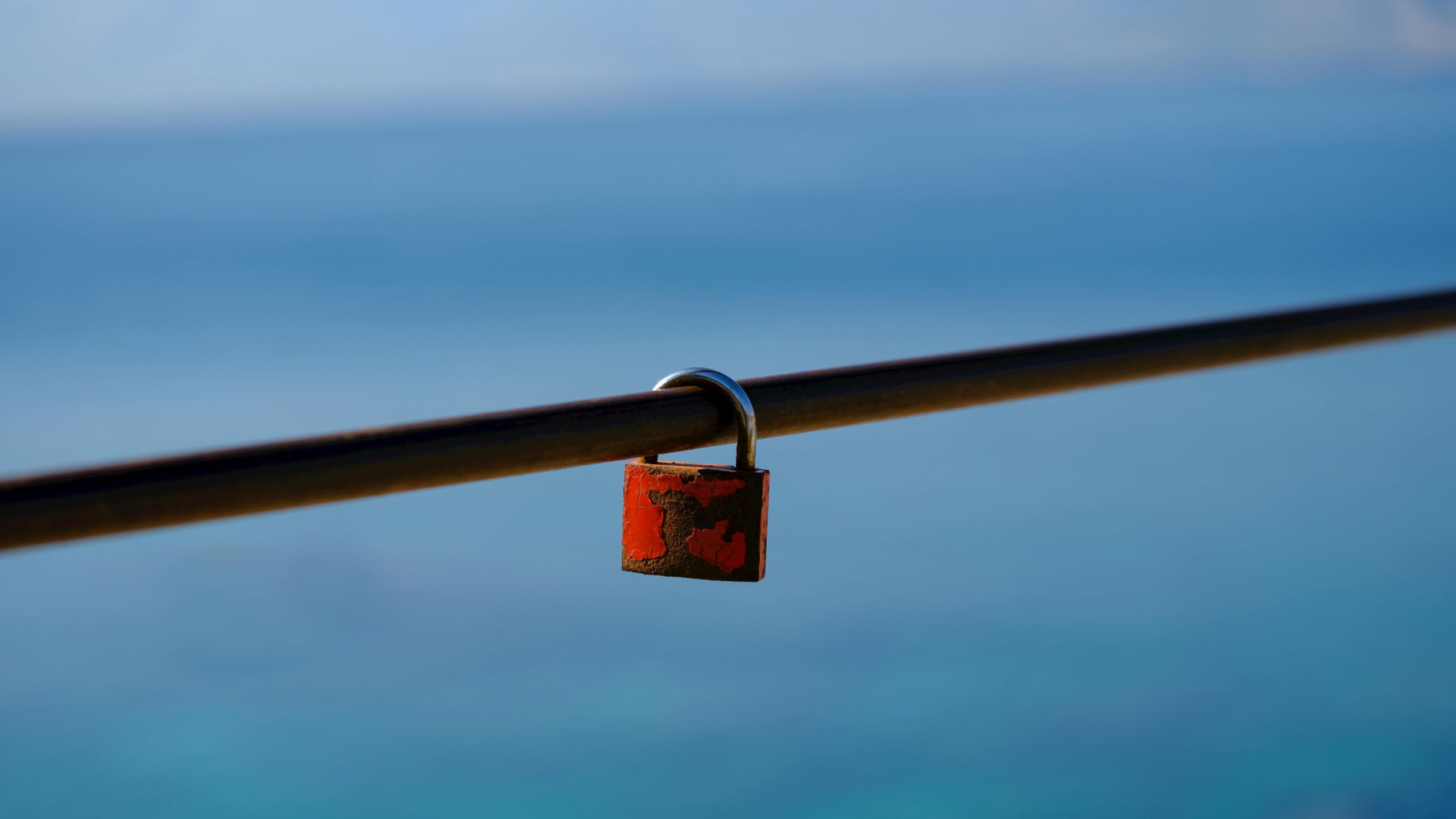
🌅 Embracing Coastal Living with Confidence
Protecting coastal assets requires commitment, but the rewards extend beyond financial considerations. Properties that resist environmental degradation maintain their beauty, functionality, and value throughout your ownership. The peace of mind from knowing your investment is properly protected enhances the coastal lifestyle you chose.
Modern materials, protective technologies, and systematic maintenance approaches have made coastal property ownership more sustainable than ever before. Properties that would have deteriorated rapidly just decades ago can now maintain excellent condition for generations when protected thoughtfully.
Your protection journey begins with education—understanding how salt, corrosion, and humidity threaten your assets. Armed with this knowledge, implementing appropriate materials, coatings, and maintenance practices becomes straightforward. The initial effort establishing protection systems pays dividends year after year as your coastal assets continue performing while unprotected properties deteriorate.
Start today by conducting a simple walkthrough of your property. Note areas where rust, corrosion, or moisture damage are visible. These observations become your baseline for measuring improvement as you implement protection strategies. Each small step—fixing a drainage issue, touching up protective coatings, improving ventilation—contributes to the comprehensive resilience your coastal assets deserve.
The ocean’s power and beauty drew you to coastal living. With proper protection planning, your assets can withstand that same marine environment for decades, allowing you to enjoy the benefits without the anxiety of accelerated degradation. Your coastal property represents both significant financial investment and lifestyle choice—both deserve the protection that mapping salt, corrosion, and humidity resilience provides.