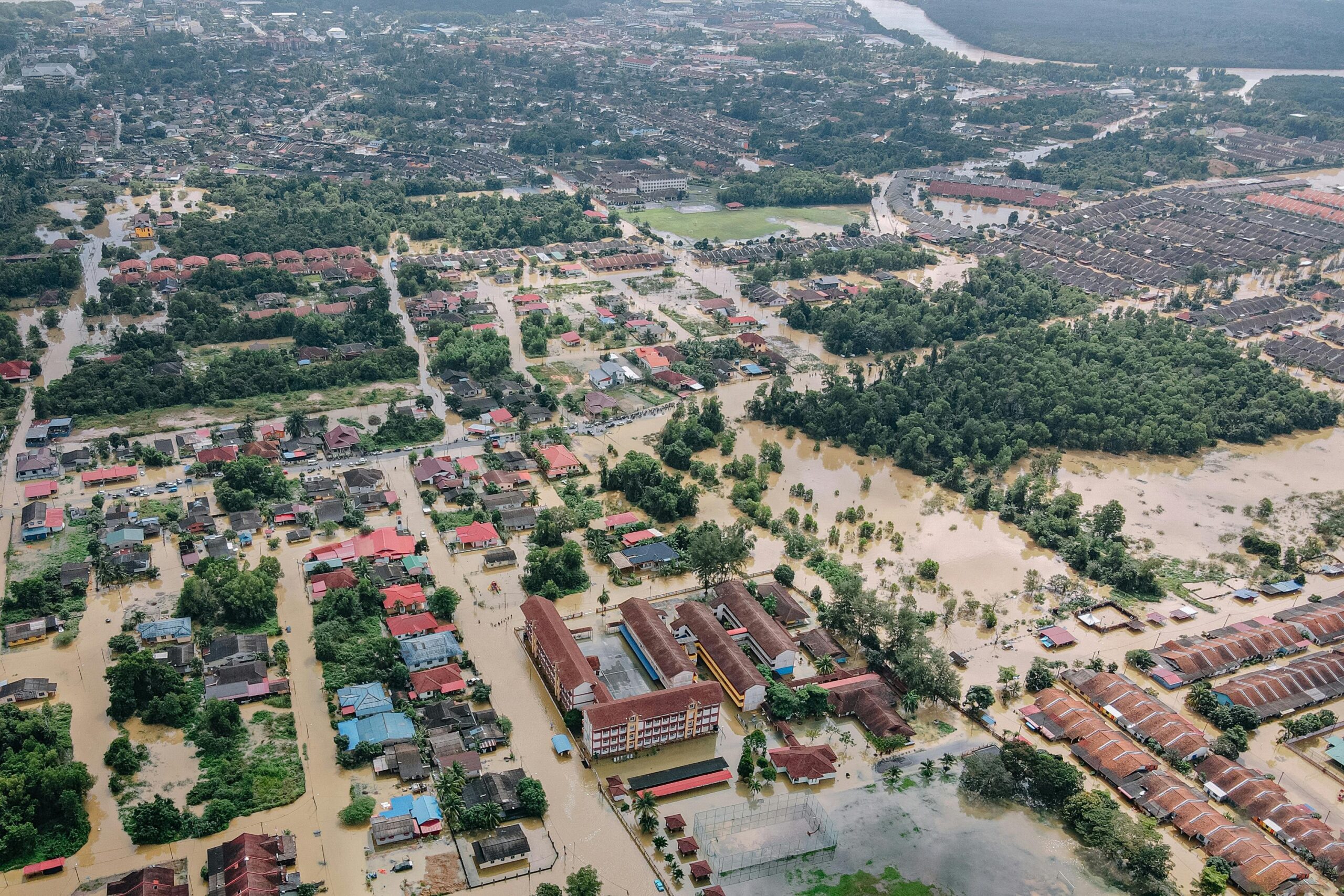
Resilience isn’t just about bouncing back—it’s about visualizing your path forward with clarity and purpose, transforming mental mapping into a powerful strategic advantage.

🧠 The Intersection of Resilience and Visual Thinking
In today’s rapidly changing world, the ability to adapt and thrive under pressure has become a critical skill. Resilience, once viewed as an innate trait, is now understood as a capability that can be developed through deliberate practice and strategic thinking. At the heart of this development lies a powerful yet often overlooked tool: visualization techniques combined with effective mapping strategies.
Visualization isn’t merely about creating mental images—it’s about constructing a cognitive framework that allows us to navigate complexity, anticipate challenges, and identify opportunities before they materialize. When we pair this mental capacity with structured mapping strategies, we create a synergistic approach that enhances our resilience exponentially.
The human brain processes visual information 60,000 times faster than text, making visualization one of the most efficient methods for encoding, storing, and retrieving information. This biological advantage becomes particularly valuable when facing adversity, as our cognitive resources are often stretched thin during challenging times.
Understanding the Foundation: What Makes Visualization Effective
Visualization techniques work because they engage multiple neural pathways simultaneously. When we visualize a scenario, outcome, or strategy, our brains activate the same regions that would fire if we were actually experiencing that situation. This phenomenon, known as neural activation, creates a form of mental rehearsal that prepares us for real-world challenges.
Research in neuroscience has demonstrated that consistent visualization practice can actually rewire our neural networks, strengthening connections that support resilient thinking patterns. This neuroplasticity means that the more we visualize successful outcomes and strategic pathways, the more naturally our brains will gravitate toward these patterns during actual challenges.
The key to effective visualization lies in specificity and emotional engagement. Vague mental images produce minimal impact, while detailed, sensory-rich visualizations that incorporate emotional elements create lasting neurological imprints. This is why athletes who visualize not just their movements but also the sounds, sensations, and emotions of competition perform significantly better than those who simply “think about” their performance.
The Three Pillars of Resilient Visualization
Effective visualization for resilience building rests on three foundational elements that work together to create sustainable mental strength:
- Clarity of Vision: Understanding exactly what you’re visualizing and why it matters to your resilience goals
- Emotional Anchoring: Connecting your visualizations to meaningful emotions that reinforce positive neural pathways
- Strategic Repetition: Consistently practicing visualization to build strong mental muscle memory
🗺️ Mapping Strategies: Your Blueprint for Resilient Action
While visualization provides the mental framework, mapping strategies offer the structural blueprint that transforms abstract thoughts into actionable plans. Mapping, in this context, refers to the process of creating visual representations of information, relationships, processes, or strategies that help us understand complex situations and navigate them effectively.
The most resilient individuals and organizations don’t just react to challenges—they map out potential scenarios in advance, creating mental and physical frameworks that guide decision-making under pressure. This proactive approach to resilience building separates those who merely survive adversity from those who emerge stronger from it.
Effective mapping strategies come in various forms, each serving different purposes in building resilience. Mind maps help us understand relationships between ideas and identify patterns. Process maps clarify workflows and identify potential bottlenecks before they become problems. Strategic maps outline long-term goals and the pathways to achieve them, while scenario maps prepare us for multiple possible futures.
The Visual Mapping Hierarchy
Different situations call for different mapping approaches. Understanding this hierarchy allows you to select the most effective tool for your specific resilience challenge:
- Conceptual Maps: For understanding abstract relationships and building mental models
- Operational Maps: For planning specific actions and workflows in response to challenges
- Strategic Maps: For long-term resilience planning and goal achievement
- Emotional Maps: For tracking and managing emotional responses to stressors
Integrating Visualization with Mapping: A Synergistic Approach
The true power of resilience emerges when we combine visualization techniques with mapping strategies. This integration creates a comprehensive system that engages both the intuitive and analytical aspects of our cognition, producing results that exceed what either approach could achieve independently.
Start by creating a physical or digital map of your current situation, challenge, or goal. This map serves as your external cognitive scaffold—a tool that extends your mental processing capacity beyond the limitations of working memory. Once your map is created, use visualization techniques to mentally traverse it, exploring different pathways, testing various scenarios, and emotionally experiencing potential outcomes.
This combined approach works because it bridges the gap between abstract thinking and concrete action. The map provides structure and clarity, while visualization adds emotional depth and neural reinforcement. Together, they create a resilience toolkit that is both intellectually rigorous and emotionally compelling.
🎯 Practical Techniques for Daily Implementation
Mastering resilience through visualization and mapping requires consistent practice. Here are proven techniques you can implement immediately to begin building this powerful skill set:
The Morning Resilience Ritual
Begin each day with a five-minute visualization and mapping session. Visualize yourself successfully navigating the day’s challenges while mentally reviewing your strategic map of priorities and potential obstacles. This practice primes your brain for resilient responses throughout the day.
Start by closing your eyes and taking three deep breaths. Then, visualize your day unfolding in detail, seeing yourself responding to challenges with calm confidence. Picture specific scenarios that might arise and mentally rehearse your resilient response. Follow this with a quick review of your daily priority map, ensuring your actions align with your strategic goals.
The Obstacle Mapping Method
When facing a significant challenge, create a detailed map of the obstacle and all its components. Include not just the practical elements but also the emotional and psychological aspects. Then, systematically visualize yourself navigating through each component, finding solutions and building confidence with each mental success.
This technique transforms overwhelming challenges into manageable components. By breaking down complex problems into mapped elements, you reduce cognitive load and create multiple entry points for solution-finding. The visualization component then allows you to practice these solutions mentally before implementing them in reality.
Reverse Outcome Mapping
Start with the desired outcome and work backwards, mapping all the steps that would need to occur for that outcome to materialize. Then, visualize yourself moving forward through these steps, building confidence and identifying potential challenges before they arise in reality.
This technique is particularly powerful because it combines goal clarity with strategic planning. By starting with the end in mind and mapping backwards, you ensure that every action you visualize and take moves you closer to your desired resilient outcome.
⚡ Neurological Benefits of Combined Visualization and Mapping
The neuroscience behind this combined approach reveals why it’s so effective for building resilience. When we engage in visualization while referencing a map, we activate multiple brain regions simultaneously—visual processing centers, spatial navigation systems, emotional regulation networks, and executive function areas all work in concert.
This multi-region activation creates what neuroscientists call “distributed learning,” where information is encoded across multiple neural networks rather than in a single location. This distributed encoding makes the information more resilient to stress and easier to retrieve under pressure—exactly what we need when facing real-world challenges.
Furthermore, the combination of visualization and mapping strengthens the default mode network, the brain system responsible for self-reflection, future planning, and emotional regulation. A robust default mode network is strongly correlated with psychological resilience and the ability to maintain perspective during adversity.
🔄 Adaptive Mapping for Dynamic Challenges
One of the most powerful aspects of combining visualization with mapping is the ability to create adaptive strategies that evolve with changing circumstances. Static plans fail when conditions change, but adaptive maps paired with flexible visualization allow you to pivot quickly while maintaining strategic coherence.
Create living maps that you update regularly based on new information and changing circumstances. Use visualization to mentally test how these changes affect your strategic pathways, allowing you to course-correct before investing resources in potentially ineffective approaches.
This adaptive approach to resilience building acknowledges a fundamental truth: resilience isn’t about rigidity or unwavering commitment to a single path. Instead, it’s about maintaining clear vision of your destination while remaining flexible about the route you take to get there.
The Scenario Visualization Matrix
Develop a matrix that maps out multiple potential scenarios you might face. For each scenario, create a detailed visualization protocol that prepares you emotionally and strategically for that possibility. This preparation doesn’t mean you’re expecting the worst—it means you’re building confidence that you can handle whatever comes.
The scenario matrix might include best-case, worst-case, and most-likely-case scenarios for important areas of your life or work. For each, map out the key decision points and resource requirements, then regularly visualize yourself successfully navigating these scenarios.
Building Long-Term Resilience Through Pattern Recognition
As you consistently practice visualization and mapping techniques, you’ll develop an increasingly sophisticated ability to recognize patterns in challenges and opportunities. This pattern recognition is a hallmark of resilient thinking—the capacity to see connections and possibilities that others miss.
Your maps become repositories of wisdom, capturing lessons learned from past experiences and making them available for future application. When combined with visualization, these pattern maps allow you to mentally simulate solutions based on past successes, dramatically reducing the time needed to respond effectively to new challenges.
Keep a resilience journal that documents both your mapping efforts and visualization practices. Over time, this journal will reveal patterns in your own resilience journey—what strategies work best for you, which visualizations produce the strongest emotional anchoring, and how your capacity for resilience has grown through deliberate practice.
💪 Measuring Your Resilience Development
To ensure your visualization and mapping practices are producing real results, establish clear metrics for measuring your resilience development. These metrics should be both quantitative and qualitative, capturing not just observable outcomes but also internal shifts in perspective and emotional regulation.
Track how quickly you recover from setbacks, how confident you feel when facing new challenges, and how effectively you can maintain perspective during stressful situations. Note how your visualization clarity improves over time and how your maps become more sophisticated and useful.
Consider creating a resilience dashboard—a visual map that tracks multiple dimensions of your resilience development over time. This meta-map serves as both a measurement tool and a powerful visualization anchor, reminding you of your progress and reinforcing your commitment to continued growth.
🌟 From Practice to Mastery: The Resilience Journey
Mastering resilience through visualization and mapping is not a destination but a continuous journey of development and refinement. As your skills grow, you’ll find that the practices that once required conscious effort become increasingly automatic, integrated into your natural way of thinking and problem-solving.
This automaticity represents the ultimate goal of resilience training—developing such robust mental frameworks that resilient thinking becomes your default mode rather than something you have to consciously activate. When visualization and mapping become second nature, you’ll find yourself naturally anticipating challenges, identifying opportunities, and maintaining emotional equilibrium even in highly stressful situations.
The journey from conscious practice to unconscious competence typically takes consistent effort over several months, but the investment pays dividends throughout your life. Each challenge you face becomes an opportunity to refine your visualization skills and enhance your mapping sophistication, creating a virtuous cycle of continuous improvement.
Creating Your Personal Resilience Visualization Practice
The most effective resilience practices are personalized to your unique needs, learning style, and life circumstances. Use the techniques outlined in this article as a starting point, then experiment to discover which approaches resonate most powerfully with you.
Some people find that digital mapping tools enhance their practice, while others prefer hand-drawn maps that engage kinesthetic learning. Some individuals respond best to guided visualization recordings, while others prefer silent, self-directed visualization. The key is finding what works for you and committing to consistent practice.
Set aside dedicated time each day for your resilience practice—even just 10-15 minutes can produce significant results when practiced consistently. Treat this time as non-negotiable, recognizing that investing in your resilience capacity is one of the most valuable uses of your time and energy.
The Ripple Effect of Resilient Visualization
As you develop your personal resilience through visualization and mapping, you’ll likely notice a ripple effect that extends beyond your individual capacity. Your increased resilience positively impacts your relationships, teams, and communities, as resilience is often contagious.
When others observe your calm, strategic approach to challenges, they naturally begin to adopt similar mindsets and behaviors. By sharing your mapping strategies and visualization techniques with others, you multiply the impact of your practice, creating more resilient systems and communities.
Consider how you might apply these principles not just to personal resilience but to team and organizational resilience as well. Collaborative mapping sessions combined with group visualization exercises can build shared mental models that enhance collective resilience and coordination during challenging times.
The power of visualization techniques combined with effective mapping strategies lies in their versatility and accessibility. These are not esoteric practices requiring special equipment or environments—they are fundamental cognitive skills that anyone can develop with consistent practice. By mastering these approaches, you equip yourself with resilience tools that will serve you throughout your life, transforming how you perceive, prepare for, and respond to the inevitable challenges that come your way. The journey to resilient mastery begins with a single visualization and a simple map—the rest unfolds through your commitment to growth and your willingness to practice these powerful techniques consistently.