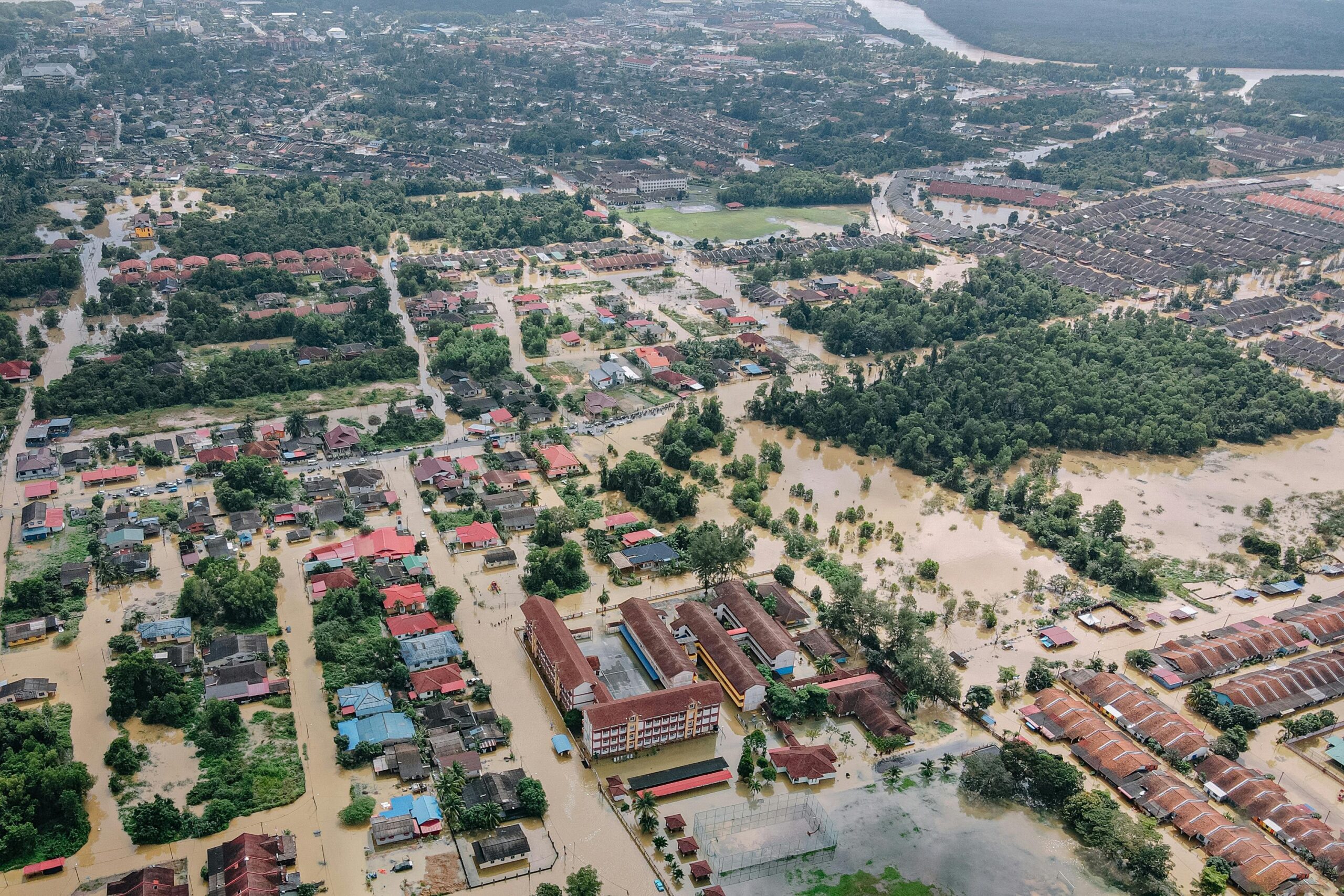
Modern construction demands smarter approaches to material selection and risk assessment. Material resilience mapping emerges as a transformative tool that revolutionizes how we build.

🏗️ Understanding Material Resilience Mapping in Modern Construction
Material resilience mapping represents a sophisticated methodology that evaluates how construction materials perform under stress, environmental challenges, and time-related degradation. This approach goes beyond traditional material testing by creating comprehensive visual and data-driven representations of material behavior across various conditions and scenarios.
The construction industry has witnessed remarkable technological advancement in recent decades, yet material failure remains one of the leading causes of structural problems, costly repairs, and even catastrophic failures. By implementing resilience mapping, construction professionals can predict material performance with unprecedented accuracy, ultimately leading to safer, more durable, and cost-effective structures.
This innovative approach integrates multiple data sources including laboratory testing results, real-world performance metrics, environmental exposure data, and predictive modeling algorithms. The result is a comprehensive understanding of how materials will behave throughout their intended lifecycle, allowing for informed decision-making at every stage of the construction process.
The Science Behind Material Behavior Analysis 🔬
At its core, material resilience mapping relies on understanding the fundamental properties that determine how construction materials respond to various stressors. These properties include tensile strength, compression resistance, thermal expansion coefficients, moisture absorption rates, and chemical stability among many others.
Traditional material testing provided isolated data points under controlled conditions. However, real-world construction environments are far more complex and variable. Materials face simultaneous exposure to temperature fluctuations, moisture variations, mechanical loads, chemical exposure, and ultraviolet radiation. Resilience mapping accounts for these interactions by creating multi-dimensional models that simulate realistic operating conditions.
Advanced sensors and monitoring technologies now enable continuous data collection from existing structures, feeding valuable information back into resilience mapping systems. This creates a feedback loop where theoretical models are constantly refined by actual performance data, improving prediction accuracy over time.
Key Parameters in Resilience Assessment
Effective material resilience mapping considers numerous parameters that influence long-term performance. Temperature sensitivity determines how materials expand, contract, and potentially degrade under thermal stress. Moisture interaction affects everything from structural integrity to mold growth potential. Load-bearing capacity under sustained stress reveals how materials perform beyond initial installation.
Chemical resistance becomes critical in industrial environments or areas with specific exposure risks. UV degradation impacts outdoor applications significantly. Fatigue characteristics determine performance under repetitive stress cycles. Each parameter contributes to the comprehensive resilience profile that guides material selection and application strategies.
Implementing Resilience Mapping in Project Planning 📊
The practical application of material resilience mapping begins during the earliest planning phases of construction projects. By incorporating resilience data into the design process, architects and engineers can make informed decisions that balance performance requirements, budget constraints, and sustainability goals.
Project teams can compare multiple material options using standardized resilience metrics, eliminating much of the guesswork traditionally associated with material selection. This data-driven approach reduces the risk of costly specification errors and creates documentation that supports design decisions throughout the project lifecycle.
Digital platforms now facilitate resilience mapping integration into Building Information Modeling (BIM) systems, creating seamless workflows where material performance data informs three-dimensional design models. This integration allows for scenario testing where design teams can simulate how different material choices impact overall building performance under various conditions.
Creating Effective Resilience Maps
Developing useful resilience maps requires systematic data collection and analysis. The process begins with defining the specific environmental conditions and performance requirements for the project. Climate data, site-specific exposure factors, intended building use, and expected service life all inform the mapping parameters.
Next, relevant materials are tested or evaluated against these parameters using both laboratory analysis and historical performance data. The resulting information is organized into visual representations that highlight strengths, vulnerabilities, and optimal application conditions for each material under consideration.
Color-coded heat maps often illustrate performance gradients across different conditions, making complex data accessible to diverse project stakeholders. Three-dimensional visualizations can show how material properties change over time or under varying environmental conditions, providing intuitive understanding of long-term performance expectations.
💡 Benefits Transforming the Construction Industry
The adoption of material resilience mapping delivers tangible benefits that extend across all phases of construction and building operation. Cost reduction ranks among the most immediate advantages, as informed material selection minimizes waste, reduces over-specification, and prevents premature failure requiring expensive remediation.
Safety improvements result from better understanding of material limitations and appropriate application conditions. Structures built with resilience-mapped materials are less prone to unexpected failures that could endanger occupants or workers. This proactive approach to safety represents a fundamental shift from reactive problem-solving to predictive risk management.
Sustainability gains significant traction through resilience mapping. By selecting materials that will perform optimally throughout their intended service life, the construction industry reduces the environmental impact associated with premature replacement, excess material use, and energy-intensive remediation efforts. Longer-lasting structures with lower maintenance requirements embody the principles of sustainable construction.
Enhanced Decision-Making Capabilities
Perhaps the most profound benefit lies in the enhanced decision-making capacity that resilience mapping provides. Construction professionals gain confidence in their material selections backed by comprehensive data rather than relying solely on experience, tradition, or manufacturer claims.
This evidence-based approach facilitates better communication among project stakeholders. When discussions about material choices reference objective resilience data, conflicts diminish and consensus emerges more readily. Owners understand the value proposition behind specific selections, contractors work with materials suited to actual conditions, and designers create specifications grounded in performance reality.
Real-World Applications Across Building Types 🏢
Material resilience mapping proves valuable across diverse construction sectors, each with unique performance requirements and environmental challenges. Commercial buildings benefit from mapping that optimizes materials for high-traffic areas, HVAC system integration, and long-term aesthetic durability under urban environmental conditions.
Residential construction leverages resilience data to balance comfort, durability, and cost-effectiveness. Homeowners increasingly demand materials that maintain performance and appearance with minimal maintenance, making resilience mapping an essential tool for residential developers and builders.
Infrastructure projects face particularly demanding conditions where material failure can have catastrophic consequences. Bridges, tunnels, and transportation facilities require materials that withstand constant stress, environmental exposure, and decades of service with minimal intervention. Resilience mapping identifies materials that meet these stringent requirements while remaining economically viable.
Specialized Environment Considerations
Coastal construction presents unique challenges where salt spray, high humidity, and extreme weather events test material resilience constantly. Mapping specific to marine environments identifies materials with superior corrosion resistance and moisture management properties essential for longevity in these harsh conditions.
Industrial facilities require materials that resist chemical exposure, extreme temperatures, and heavy mechanical loads. Resilience mapping for industrial applications prioritizes chemical compatibility, thermal stability, and structural robustness, ensuring materials perform reliably in demanding operational environments.
Healthcare facilities demand materials that support rigorous cleaning protocols, resist microbial growth, and maintain appearance under intensive use. Specialized resilience mapping addresses these unique requirements, guiding material selection that supports both functional performance and regulatory compliance.
🔧 Technologies Enabling Advanced Mapping
The evolution of material resilience mapping relies heavily on technological advancement across multiple domains. Sensor technology enables real-time monitoring of material performance in operational structures, providing valuable data that validates and refines theoretical models.
Artificial intelligence and machine learning algorithms process vast datasets to identify patterns and predict material behavior with increasing accuracy. These computational tools can simulate years of material aging in minutes, exploring scenarios that would be impractical to test physically.
Digital twin technology creates virtual representations of buildings where different material scenarios can be tested without physical construction. These digital models incorporate resilience mapping data to predict how entire structures will perform over time, identifying potential issues before they manifest in the physical world.
Data Integration Platforms
Modern resilience mapping systems aggregate data from diverse sources including material manufacturers, independent testing laboratories, academic research institutions, and field performance monitoring. Cloud-based platforms make this information accessible to project teams regardless of location, democratizing access to sophisticated material intelligence.
Application programming interfaces (APIs) enable seamless data exchange between resilience mapping systems and other construction software tools including BIM platforms, project management systems, and cost estimation applications. This integration creates comprehensive digital ecosystems where material performance data informs all aspects of project planning and execution.
Overcoming Implementation Challenges 🎯
Despite its clear advantages, implementing material resilience mapping faces several challenges that the construction industry must address. Initial investment in data collection, analysis tools, and training represents a barrier for some organizations, particularly smaller firms with limited resources.
Data standardization remains an ongoing challenge as different testing methods, rating systems, and reporting formats complicate comparison and integration. Industry-wide efforts to establish common standards will enhance the utility and adoption of resilience mapping approaches.
Cultural resistance to change persists in some corners of the construction industry where traditional practices and personal experience have long guided material selection. Demonstrating the tangible value of resilience mapping through case studies and performance outcomes helps overcome this resistance gradually.
Building Expertise and Knowledge
Effective use of resilience mapping requires new competencies among construction professionals. Educational institutions are beginning to incorporate material science and data analysis into construction management curricula, preparing the next generation of industry leaders to leverage these tools effectively.
Professional development programs and certification courses help existing professionals develop resilience mapping competencies without interrupting their careers. These educational initiatives prove essential for widespread adoption and effective implementation across the industry.
🌍 The Future of Resilient Construction
Looking forward, material resilience mapping will become increasingly sophisticated and integral to construction practice. Climate change introduces new uncertainties and extreme conditions that demand more robust approaches to material selection and building design. Resilience mapping will evolve to account for these changing environmental parameters, ensuring structures remain viable under future conditions.
Integration with circular economy principles will enhance sustainability benefits as resilience mapping incorporates end-of-life considerations, recyclability potential, and embodied carbon metrics. This holistic approach ensures material decisions support broader environmental goals beyond immediate performance requirements.
Automated decision support systems will leverage resilience mapping data to recommend optimal material combinations for specific applications, streamlining the specification process while improving outcomes. These intelligent systems will learn from each project, continuously improving their recommendations based on accumulated performance data.
Regulatory Evolution and Standards
Building codes and regulations will likely evolve to recognize and potentially require resilience mapping for certain project types or conditions. This regulatory recognition will accelerate adoption while establishing baseline standards for mapping methodologies and data quality.
International cooperation on resilience mapping standards will facilitate knowledge sharing across borders, particularly valuable as construction becomes increasingly globalized. Materials and techniques proven effective in one region can be evaluated for application elsewhere using standardized resilience metrics.

Transforming Construction Through Informed Material Choices ✨
Material resilience mapping represents far more than a technical innovation; it embodies a fundamental shift in how the construction industry approaches building. By grounding material decisions in comprehensive performance data rather than tradition or assumption, resilience mapping enables construction that is safer, more durable, more sustainable, and more cost-effective.
The journey toward widespread adoption continues, requiring ongoing investment in technology, education, and cultural change within the industry. However, the benefits already demonstrated by early adopters provide compelling evidence that this investment yields substantial returns in project outcomes and long-term building performance.
As climate challenges intensify, resource constraints tighten, and performance expectations rise, material resilience mapping will transition from competitive advantage to industry standard. Construction professionals who embrace this approach position themselves and their organizations at the forefront of an evolving industry, capable of delivering buildings that truly stand the test of time.
The power of material resilience mapping lies not merely in the data it generates but in the informed decisions it enables. Every material choice influences the safety, performance, and sustainability of our built environment. By mapping the resilience characteristics of materials with precision and foresight, we build better—creating structures that serve their purposes reliably, efficiently, and responsibly for generations to come.