Living in harsh climates means facing relentless moisture battles that can transform your sanctuary into a breeding ground for mold and mildew, threatening both your home’s integrity and your family’s health.

🌧️ Understanding the Moisture-Mold Connection in Extreme Weather Conditions
Harsh climates—whether excessively humid, cold and damp, or characterized by dramatic temperature swings—create perfect conditions for moisture accumulation. When relative humidity exceeds 60% indoors, mold spores find ideal growing conditions. These microscopic fungi don’t just appear overnight; they’re the result of persistent moisture problems that homeowners often overlook until visible damage appears.
Mold thrives in environments where moisture meets organic materials like wood, drywall, carpet, and even dust. In coastal regions with salt-laden air, mountain areas with heavy snowfall, or tropical zones with year-round humidity, the challenge intensifies exponentially. Understanding this relationship is your first step toward creating effective prevention strategies.
Temperature plays a crucial role in this equation. When warm, moist air contacts cold surfaces—common in poorly insulated homes during winter—condensation forms instantly. This phenomenon, known as the dew point effect, creates water droplets on windows, walls, and hidden spaces within your home’s structure, setting the stage for mold colonization.
Identifying High-Risk Areas in Your Home
Not all spaces in your home face equal moisture risks. Certain areas naturally accumulate more humidity and require vigilant monitoring. Your bathroom tops this list, where daily showers release gallons of moisture into the air. Without proper ventilation, this water vapor settles on surfaces, seeps into grout lines, and penetrates porous materials.
Kitchens rank second in vulnerability. Cooking generates substantial steam, and dishwashing adds to the moisture load. Basements and crawl spaces present unique challenges, especially in regions with high groundwater tables or heavy rainfall. These below-grade areas often lack adequate ventilation and suffer from foundation moisture intrusion.
Attics deserve special attention in harsh climates. Poor ventilation combined with temperature differentials between living spaces and roof areas creates condensation problems that many homeowners never see until significant damage occurs. Window frames, exterior walls, and corners where air circulation is minimal also warrant regular inspection.
🔍 Hidden Moisture Traps You’re Probably Missing
Behind appliances, moisture accumulates unnoticed. Your washing machine, refrigerator, and water heater can develop slow leaks that go undetected for months. Check these areas quarterly, looking for discoloration, musty odors, or soft spots in flooring.
Air conditioning units and HVAC systems can become moisture sources when drain lines clog or condensation pans overflow. Indoor plants, while beautiful, release moisture through transpiration—placing too many in poorly ventilated rooms compounds humidity problems.
Closets built against exterior walls, particularly in cold climates, often develop mold because warm indoor air meets cold surfaces with limited air circulation. Storage areas packed with belongings restrict airflow, creating stagnant pockets where moisture concentrates.
Essential Moisture Management Strategies for Harsh Environments
Controlling indoor humidity represents your primary defense against mold. Invest in quality hygrometers for different rooms to monitor relative humidity levels. Your target should be 30-50% humidity year-round. During humid seasons, this requires active intervention through dehumidification.
Dehumidifiers come in various capacities, measured in pints of moisture removed per 24 hours. For basements and large spaces in humid climates, 50-70 pint models provide adequate capacity. Smaller units work well for bedrooms and offices. Empty collection tanks daily or connect continuous drainage where possible.
Ventilation cannot be overstated. Exhaust fans in bathrooms should run during showers and for 20-30 minutes afterward. Kitchen range hoods vented to the exterior remove moisture at its source. Open windows strategically during dry weather to exchange indoor air, but close them when outdoor humidity exceeds indoor levels.
💨 The Power of Air Circulation
Stagnant air allows moisture to settle. Ceiling fans set to run continuously on low speed maintain air movement throughout rooms. In closets, install battery-operated fans or leave doors partially open. Position furniture away from exterior walls to allow air circulation behind large pieces.
HVAC systems should be professionally serviced annually. Clean filters monthly during peak use seasons. Ensure your system is properly sized for your home—undersized units run constantly without adequately dehumidifying, while oversized units cycle too quickly to remove moisture effectively.
Insulation and Vapor Barriers: Your First Line of Defense
Proper insulation regulates temperature differences that cause condensation. In cold climates, insulate exterior walls, attics, and rim joists to R-values appropriate for your region. This prevents warm interior air from reaching cold surfaces where condensation forms.
Vapor barriers belong on the warm side of insulation in most climates. In cold regions, this means installing them toward the interior living space. In hot, humid climates, building science often recommends vapor-permeable materials that allow walls to dry toward the interior. Consult local building codes, as requirements vary significantly.
Basement insulation requires special consideration. Closed-cell spray foam applied directly to foundation walls provides both insulation and vapor control. Never install fiberglass batts against basement walls without proper moisture management—they’ll absorb moisture and foster mold growth.
Window and Door Solutions
Older single-pane windows create significant condensation problems in harsh climates. Upgrading to double or triple-pane windows with low-E coatings dramatically reduces surface condensation. Storm windows offer a cost-effective alternative for historic homes where replacement isn’t feasible.
Weather-stripping around doors and windows prevents humid outdoor air from infiltrating during summer months and reduces condensation-causing air leaks in winter. Check and replace worn weather-stripping annually as part of your preventive maintenance routine.
🧼 Comprehensive Mold Prevention Maintenance Schedule
Prevention requires consistency. Develop a maintenance calendar that addresses moisture control systematically throughout the year. This proactive approach prevents small issues from escalating into costly remediation projects.
Weekly tasks include:
- Emptying dehumidifier tanks and checking operation
- Wiping down bathroom surfaces after use
- Checking under sinks for leaks
- Running exhaust fans after moisture-generating activities
- Monitoring indoor humidity levels in various rooms
Monthly responsibilities:
- Cleaning bathroom and kitchen exhaust fan covers
- Inspecting washing machine hoses and connections
- Checking HVAC filters and replacing if necessary
- Examining window frames for condensation or mold
- Testing sump pump operation in basement areas
Seasonal maintenance:
- Professional HVAC system servicing
- Gutter cleaning and downspout inspection
- Exterior caulking and weatherproofing checks
- Attic and crawl space moisture inspection
- Dehumidifier deep cleaning and maintenance
Smart Technology for Moisture Monitoring
Modern technology offers sophisticated tools for moisture management. Wi-Fi enabled humidity sensors send alerts to your smartphone when levels exceed preset thresholds. These devices prove invaluable for monitoring vacation homes, basements, or areas you check infrequently.
Smart home systems can integrate humidity control with your HVAC, automatically adjusting settings based on indoor and outdoor conditions. Some advanced thermostats include humidity sensing and can trigger dehumidification cycles without separate equipment.
Moisture meters help identify hidden water intrusion before visible mold appears. Pin-type meters measure moisture content in wood and drywall, while pinless models scan larger areas without surface penetration. These tools are essential for post-leak assessment and renovation moisture checks.
🏠 Addressing Existing Mold: When DIY Works and When to Call Professionals
Small mold patches (under 10 square feet) on non-porous surfaces can typically be addressed with DIY cleaning. Use solutions of detergent and water, never bleach on porous materials where it can’t penetrate to kill roots. Wear N95 masks and gloves during cleaning to avoid spore exposure.
However, certain situations require professional remediation. If mold covers areas larger than 10 square feet, appears within HVAC systems, results from contaminated water sources like sewage, or affects individuals with respiratory conditions, hiring certified mold remediators becomes necessary.
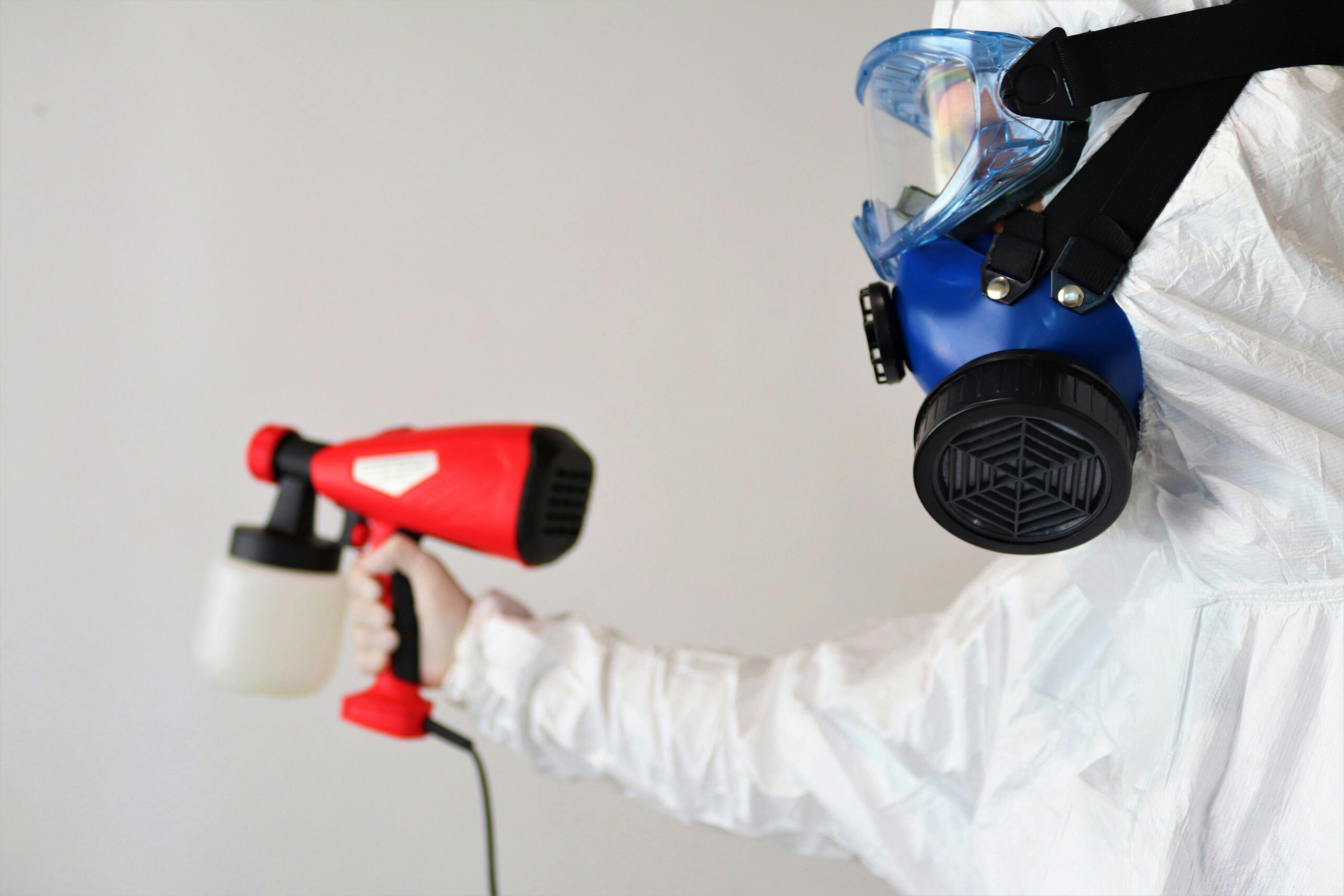
Professional remediation involves containment to prevent spore spread, HEPA filtration during removal, proper disposal of contaminated materials, and treating affected areas with antimicrobial solutions. Reputable companies also address the underlying moisture source to prevent recurrence.
Post-Remediation Prevention
After mold removal, preventing return requires addressing root causes. If poor drainage caused basement flooding, install or improve foundation drainage systems. If bathroom ventilation proved inadequate, upgrade to higher-CFM exhaust fans. Document the moisture source that caused the original problem and implement permanent solutions.
Climate-Specific Strategies for Different Harsh Environments
Coastal regions face salt air that corrodes metal components and constant humidity from ocean proximity. Here, corrosion-resistant materials become essential. Stainless steel hardware, aluminum or vinyl windows, and moisture-resistant drywall (purple board) in bathrooms provide longevity.
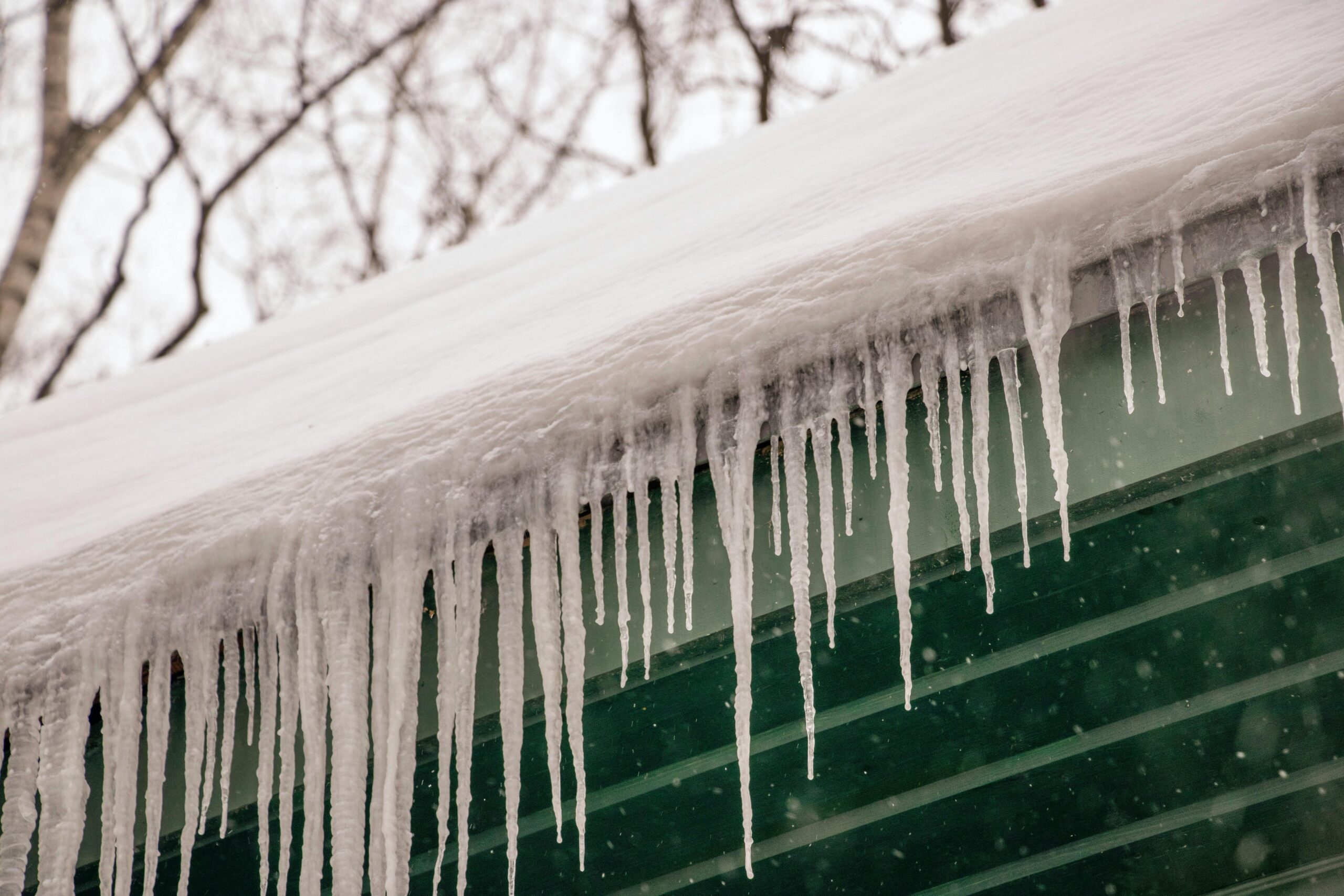
Cold, snowy climates battle ice dams that force water under shingles and condensation from extreme temperature differentials. Adequate attic ventilation and insulation prevent ice dam formation. Heated gutters may be warranted in extreme cases. Vapor barriers on the warm side of insulation are critical.
Tropical environments experience year-round high humidity with temperature stability. Continuous dehumidification becomes necessary, often requiring whole-house systems. Materials selection favors mold-resistant products like cement board, metal studs, and ceramic tile over organic materials.
🌡️ Desert Climates With Moisture Challenges
Even desert regions face moisture issues during monsoon seasons or from irrigation systems. Flash flooding can saturate foundations, and swamp coolers add significant indoor humidity. Proper drainage around foundations and strategic use of dehumidification during wet periods prevents problems.
Building Material Selection for Moisture Resistance
When renovating or building in harsh climates, material choices significantly impact moisture problems. Mold-resistant drywall incorporates fiberglass facing instead of paper, eliminating the primary food source for mold growth. These products cost marginally more but provide substantial protection in high-moisture areas.
Flooring selections matter tremendously. Solid hardwood expands and contracts with humidity changes, potentially cupping or buckling in extreme conditions. Engineered wood, luxury vinyl plank, or ceramic tile perform better in challenging moisture environments while maintaining aesthetic appeal.
Paint and primer formulations now include mold inhibitors. These specialized coatings don’t prevent moisture problems but slow mold growth on painted surfaces. They’re particularly valuable in bathrooms, kitchens, and basements where moisture exposure is inevitable.
💧 Exterior Moisture Management: Keeping Water Out
Your home’s exterior represents the first barrier against moisture intrusion. Gutters and downspouts must be properly sized, installed with correct slope, and maintained clean. Downspouts should discharge water at least 6 feet from foundations, preferably into drainage systems that carry water completely away from the structure.
Foundation grading is crucial—soil should slope away from the house at least 6 inches over the first 10 feet. Settle areas near foundations after landscaping or construction, creating paths for water to pool against basement walls.
Exterior caulking and sealants deteriorate over time. Annually inspect and repair caulking around windows, doors, and penetrations where pipes, wires, or vents enter the structure. Quality polyurethane or silicone caulks last longer in harsh weather than cheaper acrylic formulations.
Roof and Attic Considerations
Roof ventilation balances soffit intake with ridge or gable exhaust vents, creating continuous airflow that removes moisture from attic spaces. Calculate ventilation requirements based on attic square footage—typically one square foot of ventilation per 150 square feet of attic space.
Proper attic insulation depth varies by climate but generally ranges from R-38 to R-60. Insulation should never block soffit vents or touch the roof deck—maintain air channels for ventilation. Check attic spaces during winter for frost accumulation on nails or sheathing, indicating ventilation or air sealing problems.
Health Implications of Mold Exposure
Mold exposure affects health in various ways, depending on individual sensitivity and exposure duration. Common symptoms include respiratory irritation, nasal congestion, eye irritation, coughing, and wheezing. Individuals with asthma or mold allergies experience more severe reactions.
Certain mold species produce mycotoxins that can cause more serious health effects with prolonged exposure. Black mold (Stachybotrys chartarum) receives significant attention, though all mold growth indoors should be addressed regardless of species identification.
Children, elderly individuals, and those with compromised immune systems face higher risks from mold exposure. Creating and maintaining a healthy indoor environment becomes particularly critical for households with vulnerable occupants. If unexplained health symptoms improve when away from home, mold exposure should be investigated.
🛠️ Essential Tools and Products for Moisture Control
Building an effective moisture management toolkit doesn’t require enormous investment but should include key items. Quality hygrometers for multiple rooms cost $10-30 each and provide essential monitoring data. Moisture meters range from $30 for basic pin-type models to several hundred dollars for professional-grade equipment.
Appropriately sized dehumidifiers represent your largest investment, typically $200-400 for quality residential units. Look for Energy Star certified models with built-in humidistats, automatic shut-off, and continuous drainage options. Models with washable filters reduce ongoing costs.
Proper cleaning supplies include HEPA vacuum cleaners that trap mold spores rather than redistributing them, spray bottles for cleaning solutions, protective equipment including N95 masks and gloves, and scrub brushes specifically designated for mold cleaning to prevent cross-contamination.
Creating Long-Term Moisture Management Habits
Successful moisture control requires lifestyle adjustments that become second nature over time. After showering, squeegee shower walls and leave doors open for air circulation. When cooking, use exhaust fans and cover pots to reduce steam release. Dry bath mats and towels completely between uses.
Address spills and leaks immediately rather than allowing them to dry naturally. Even small water events can initiate mold growth within 24-48 hours if materials remain damp. Keep emergency cleanup supplies accessible, including towels, fans, and a wet-dry vacuum.
Educate all household members about moisture awareness. Children can learn to report leaks, use exhaust fans, and understand why windows get wiped down in winter. Making moisture control a family effort distributes responsibility and increases vigilance.
🏆 Final Thoughts on Mastering Your Indoor Environment
Conquering moisture and mold in harsh climates requires commitment, knowledge, and consistent action. The strategies outlined here provide a comprehensive framework for creating and maintaining healthy indoor environments regardless of external weather challenges. Your home should be a sanctuary, not a source of health concerns or structural deterioration.
Begin with assessment—walk through your home with fresh eyes, identifying current problem areas and potential vulnerabilities. Prioritize improvements based on severity and impact. Address active water intrusion immediately, then move to ventilation improvements, insulation upgrades, and finally preventive measures.
Remember that moisture management is ongoing, not a one-time project. Seasonal changes bring different challenges requiring adjusted strategies. Stay vigilant, maintain your monitoring routine, and address small issues before they escalate. Your investment in moisture control pays dividends through improved health, lower energy costs, extended building material life, and peace of mind.
The difference between homes that successfully resist moisture damage and those that succumb to mold problems often comes down to awareness and action. Armed with this comprehensive guide, you now possess the knowledge to create and maintain a dry, healthy home environment that protects both your property investment and your family’s wellbeing for years to come.