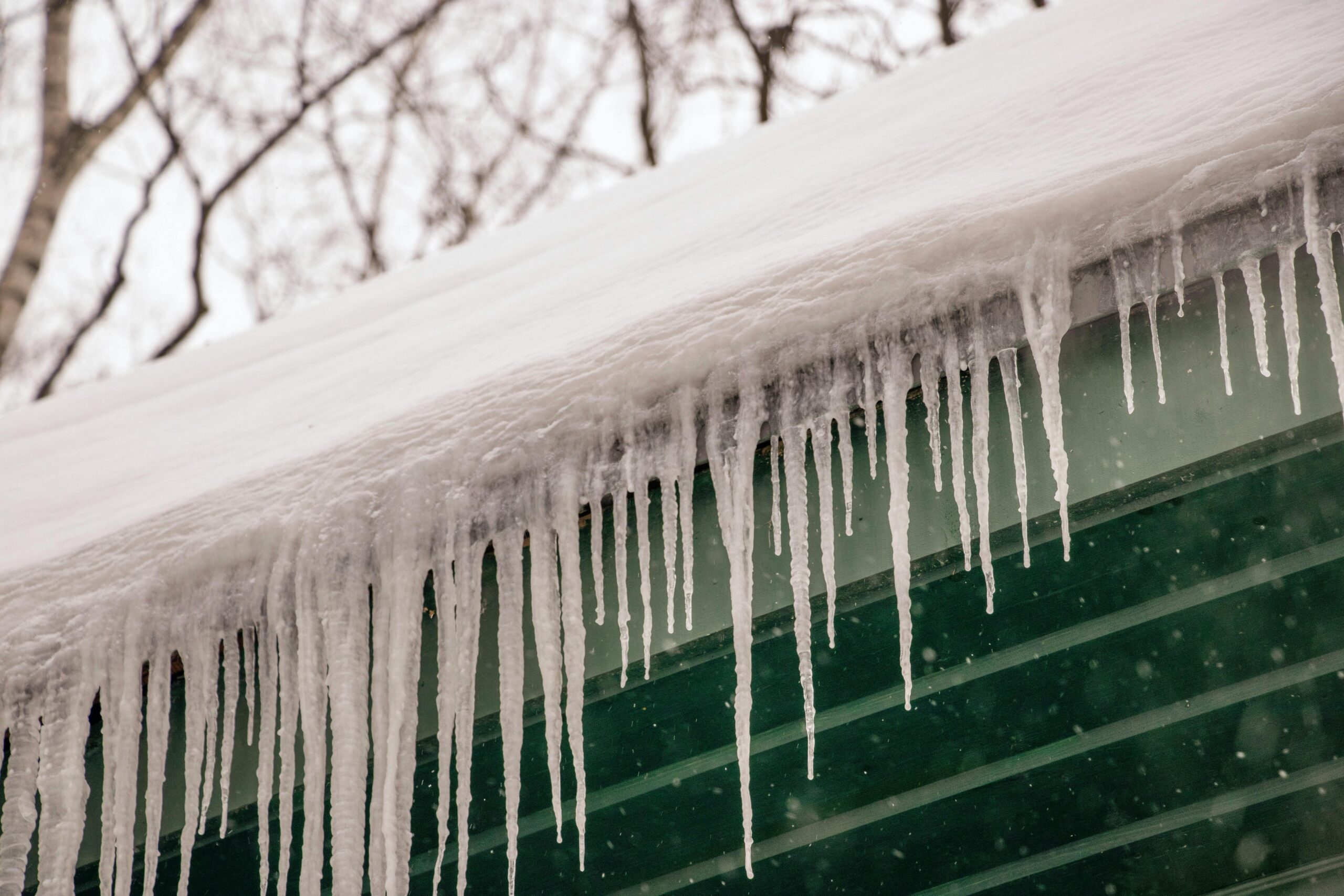
Building a tiny home is more than just downsizing—it’s about creating a secure, resilient structure that can withstand natural disasters and environmental challenges while maintaining comfort and safety.

The tiny home movement has captured the imagination of people worldwide, offering an affordable, sustainable, and minimalist lifestyle. However, as climate change intensifies and natural disasters become more frequent, the need to construct these compact dwellings with resilience in mind has never been more critical. From hurricanes and earthquakes to floods and wildfires, tiny homes face unique vulnerabilities that require thoughtful design and strategic planning.
This comprehensive guide explores how to build tiny homes that don’t just survive but thrive in the face of multiple environmental hazards. Whether you’re planning to construct your first tiny house or looking to retrofit an existing one, understanding these fundamental principles will help you create a safe haven that stands the test of time and nature.
🏗️ Understanding the Unique Vulnerabilities of Tiny Homes
Tiny homes present distinct challenges when it comes to hazard resistance. Their smaller footprint and lighter construction, while offering advantages in mobility and affordability, can also make them more susceptible to certain environmental threats. The reduced weight that makes them towable can also make them more vulnerable to high winds. Their compact size means less thermal mass to buffer temperature extremes, and their often-elevated design on trailers can create specific flood vulnerabilities.
Understanding these inherent vulnerabilities is the first step toward building resilience. Traditional homes benefit from substantial foundations, greater mass, and decades of building code refinements specific to regional hazards. Tiny homes, particularly those on wheels, must meet different standards—often RV codes rather than residential building codes—which may not adequately address all natural disaster scenarios.
The good news is that with proper planning, material selection, and construction techniques, tiny homes can be engineered to withstand multiple hazards effectively. In some cases, their small size actually works to their advantage, requiring less material investment to achieve superior protection compared to conventional homes.
Foundation Systems That Protect Against Multiple Threats
The foundation is arguably the most critical component in creating a resilient tiny home. Whether you’re building on wheels or a permanent foundation, this base layer determines how well your structure will perform against earthquakes, floods, high winds, and ground movement.
Permanent Foundation Options for Maximum Stability
For stationary tiny homes, permanent foundations offer the greatest protection against multiple hazards. Reinforced concrete slab foundations provide excellent earthquake resistance and can be elevated to mitigate flood risk. The monolithic design distributes forces evenly, reducing the likelihood of structural failure during seismic events.
Pier and beam foundations offer flexibility in uneven terrain and can be designed to elevate the structure well above flood zones. These foundations allow for natural ground movement without transferring destructive forces to the structure above. When properly anchored with steel reinforcements and concrete footings below the frost line, they provide exceptional stability against both lateral and vertical forces.
Helical pile foundations represent an innovative solution particularly suited to challenging soil conditions. These steel piles are screwed deep into stable soil layers, creating anchors that resist both uplift from high winds and lateral movement from seismic activity. They’re also ideal for areas with expansive soils that experience significant seasonal movement.
Securing Tiny Homes on Wheels
For mobile tiny homes, securing the structure becomes paramount. Professional-grade trailer frames designed specifically for tiny houses should be the starting point. These aren’t standard utility trailers—they’re engineered with appropriate load ratings, axle configurations, and frame reinforcements to handle residential structures.
When parked, comprehensive anchoring systems are essential. Hurricane ties, ground anchors, and steel cables should secure the home from multiple angles. In hurricane-prone regions, mobile home tie-down systems rated for extreme winds should be employed, with anchors installed at strategic points around the structure and connected to frame members capable of distributing these forces.
⚡ Wind Resistance: Designing for Hurricanes and Tornadoes
High winds pose one of the most significant threats to tiny homes. Their lighter weight and smaller mass make them more susceptible to uplift and lateral forces that can compromise structural integrity or even completely destroy an inadequately prepared dwelling.
Aerodynamic design principles can significantly reduce wind loading. Rounded or sloped rooflines deflect wind rather than catching it. Hip roofs generally perform better than gable roofs in high winds, as they present less surface area perpendicular to wind direction. If aesthetic preferences favor gable roofs, proper bracing and reinforced connections become even more critical.
The roof-to-wall connection represents a critical vulnerability point. Hurricane straps or clips should connect every rafter or truss to the top plate of the wall frame. These metal connectors create continuous load paths that transfer wind uplift forces from the roof through the walls and into the foundation. In extreme wind zones, engineers may specify additional strapping patterns or upgraded connector ratings.
Window and door openings create structural weak points while also representing potential breach points for wind and water. Impact-resistant windows rated for hurricane zones, while more expensive, provide multiple benefits: they resist shattering from flying debris, maintain the building envelope integrity, and prevent internal pressurization that can blow roofs off from the inside.
🌊 Flood Resilience: Staying Above the Water Line
Flooding affects more properties annually than any other natural disaster. For tiny homes, flood resilience begins with intelligent site selection and elevation strategies.
Building above base flood elevation (BFE) requirements is the primary defense. Local flood maps and historical data should inform minimum elevation levels, but exceeding these minimums provides additional safety margins. For homes on permanent foundations, this might mean elevated pier systems or engineered fill that raises the entire building pad.
Flood vents installed in foundation walls or skirting allow water to flow through rather than building up against the structure. These engineered openings automatically open under flood conditions, equalizing pressure and reducing the likelihood of structural failure from hydrostatic forces.
Material selection plays a crucial role in flood resilience. Using flood-resistant materials in lower levels or undersides prevents catastrophic damage even if water intrusion occurs. Marine-grade plywood, pressure-treated lumber, closed-cell foam insulation, and ceramic tile flooring can withstand temporary inundation and be cleaned and restored rather than requiring complete replacement.
Drainage Systems and Site Grading
Proper site drainage prevents water from pooling around the foundation. Grading should slope away from the structure in all directions, with a minimum fall of 6 inches over the first 10 feet. French drains, swales, and catch basins can redirect surface water away from vulnerable areas.
For tiny homes on wheels, parking pad design becomes critical. Permeable surfaces like gravel or permeable pavers prevent water pooling while providing stable support. The pad should be crowned or sloped to promote drainage, and the surrounding area should be landscaped to channel water away from the parking location.
🔥 Wildfire Protection: Creating Defensible Space in Compact Settings
Wildfire risk has expanded dramatically as climate change extends fire seasons and expands affected regions. Tiny homes, often situated in rural or interface zones where development meets wildland, face particular exposure.
Fire-resistant building materials form the first line of defense. Metal roofing (steel, aluminum, or copper) provides excellent fire resistance compared to asphalt shingles or wood shakes. Fiber cement siding, stucco, or metal cladding protects exterior walls better than wood or vinyl siding. Tempered or multi-pane windows reduce the likelihood of heat-induced shattering that can allow embers to enter the structure.
Defensible space—the buffer between the structure and flammable vegetation—becomes challenging with tiny homes on small lots. However, creative landscaping with fire-resistant plants, rock gardens, and non-combustible hardscaping can provide protection even in compact settings. The immediate 5-foot zone around the structure should be free of all combustible materials, including mulch, dead vegetation, and firewood storage.
Ember-proofing details matter enormously. Most structures ignite not from direct flame contact but from wind-blown embers that find vulnerable entry points. Enclosed eaves, screened vents with fine metal mesh, and sealed joints prevent embers from accessing attic spaces or wall cavities where they can smolder undetected.
🌍 Earthquake Engineering for Tiny Structures
Seismic resilience requires structures to flex and absorb energy rather than resist rigidly. Tiny homes actually have some inherent advantages here—their lighter weight generates less inertial force during ground motion, reducing the destructive loads they must withstand.
Proper framing connections create the structural continuity needed for seismic performance. Shear walls—sections of wall framing reinforced with structural sheathing and appropriate fastener patterns—resist the lateral forces that earthquake ground motion produces. Building codes specify shear wall requirements based on seismic zones, but exceeding minimum standards provides additional safety margins.
Foundation anchorage prevents structures from sliding or bouncing off foundations during seismic events. Anchor bolts embedded in concrete foundations and connected to structural framing members create this critical connection. For homes on trailer frames, reinforced connection points between the house structure and trailer frame serve this same function.
Interior bracing and secured heavy items prevent contents from becoming hazards during shaking. Tall furniture should be anchored to walls, and cabinet latches should prevent doors from flying open and contents from ejecting. Water heaters, appliances, and other heavy equipment need secure mounting with appropriate seismic restraints.
🛡️ Material Selection for Multi-Hazard Resilience
Strategic material choices create overlapping protections against multiple threats. Some materials excel at addressing several hazards simultaneously, offering excellent value in comprehensive resilience strategies.
Metal framing, while less common in tiny home construction, provides superior performance against fire, termites, rot, and some seismic scenarios compared to wood framing. Steel studs don’t combust, aren’t affected by moisture, and maintain dimensional stability. However, thermal bridging and specialized connection requirements present trade-offs to consider.
Structural insulated panels (SIPs) offer remarkable strength-to-weight ratios while providing superior insulation. The continuous foam core and structural sheathing create exceptionally strong wall and roof sections that resist high winds and provide excellent thermal performance. Properly detailed, they also create tight building envelopes resistant to water intrusion and air infiltration.
Advanced sheathing products like ZIP System integrate water-resistive barriers with structural sheathing, reducing the number of envelope layers while improving water protection. These systems create continuous water barriers with taped seams, significantly reducing the leak potential that exists with traditional house wrap applications.
📱 Technology and Monitoring Systems
Smart home technology enhances tiny home resilience by providing early warnings and automated responses to developing threats. Weather monitoring systems can alert occupants to approaching severe weather, triggering protective actions or automated responses like closing storm shutters.
Water sensors placed in vulnerable locations detect leaks or flooding before significant damage occurs. Connected to smart home hubs, these sensors can trigger alerts, shut off water supplies, or activate sump pumps automatically.
Structural monitoring systems, while advanced, offer valuable data in high-hazard zones. Strain gauges, accelerometers, and tilt sensors can detect foundation movement, structural stress, or concerning shifts that warrant professional inspection.
🌱 Resilient Living: Preparation Beyond Structure
A resilient tiny home requires more than just robust construction—it needs systems and planning that support occupant safety and post-disaster recovery.
Emergency power systems ensure critical functions continue during grid outages. Solar panels with battery storage provide renewable backup power, while properly installed generators offer another option. Sizing these systems to support essential loads—refrigeration, lighting, water pumping, and communication—maintains habitability during extended outages.
Water storage and treatment capabilities create independence from utility disruptions. Integrated cisterns, rain catchment systems, and portable water filtration ensure access to potable water even when municipal systems fail. In drought-prone regions, this storage also provides fire suppression resources.
Emergency supply caching within the tiny home structure requires creative solutions given limited space. Under-floor storage, integrated bench seating with interior access, and loft spaces can house emergency provisions, tools, and supplies without compromising daily living space.
💪 Building Codes, Permits, and Professional Guidance
Navigating building codes for tiny homes presents unique challenges, as many jurisdictions lack specific tiny house regulations. Some localities regulate them as RVs, others as accessory dwelling units, and some have created specific tiny house codes.
Working with professionals experienced in both tiny home construction and hazard mitigation ensures compliant, resilient designs. Structural engineers can perform load calculations and specify connection details for specific hazard exposures. Architects familiar with regional hazards incorporate protective features while maintaining aesthetic appeal and functional layouts.
Certification programs like those offered by the Tiny Home Industry Association provide standardized construction standards addressing safety concerns. Following these guidelines not only improves resilience but can facilitate financing, insurance, and permitting in jurisdictions that recognize these certifications.
Long-Term Maintenance and Adaptation Strategies
Resilience isn’t achieved once during construction—it requires ongoing maintenance and periodic upgrades as structures age and hazard profiles evolve.
Regular inspections identify developing issues before they compromise protective features. Annual checks of roof integrity, foundation connections, weatherproofing, and structural conditions catch problems early. After significant weather events, immediate inspections verify that protective systems performed as designed and identify any damage requiring repair.
Retrofitting existing tiny homes for improved hazard resistance represents a practical path for current owners. Adding hurricane straps, upgrading windows, improving drainage, or installing fire-resistant siding incrementally improves protection without requiring complete reconstruction.
Documenting construction details, material specifications, and structural modifications creates valuable records for future maintenance, insurance claims, and eventual resale. Detailed photos during construction capture hidden structural elements, and maintaining organized files of permits, inspections, and professional reports demonstrates diligent stewardship.

Creating Your Personal Resilient Sanctuary 🏡
Building a tiny home capable of withstanding multiple environmental hazards requires thoughtful planning, quality materials, and skilled construction. While the challenges are real, the rewards extend beyond simple disaster protection—these strategies create more durable, comfortable, and valuable homes that perform better in all conditions.
The integration of resilience features need not compromise the aesthetic appeal, functionality, or affordability that make tiny homes attractive. Many protective measures actually enhance daily performance: better insulation improves comfort and reduces energy costs; superior drainage prevents routine water problems; fire-resistant landscaping reduces maintenance; and robust construction reduces repair needs.
As extreme weather becomes more common and severe, the investment in multi-hazard resilience pays dividends in safety, insurance costs, and peace of mind. Your tiny home can be more than just a dwelling—it can be a secure, adaptable refuge that protects what matters most while treading lightly on the earth. By incorporating these principles from the design phase through construction and into ongoing maintenance, you create a strong foundation for sustainable, resilient tiny home living that can weather whatever storms may come.