Hailstorms cause billions of dollars in roofing damage annually across North America, making hail-resistant materials an essential consideration for homeowners in vulnerable regions.

🌩️ Understanding the Reality of Hail Damage to Roofs
Every year, thousands of homeowners face the devastating aftermath of hailstorms. From minor cosmetic damage to complete roof failure, hail can transform your home’s first line of defense into a liability. The frequency and intensity of severe hailstorms have increased in recent decades, making the selection of appropriate roofing materials more critical than ever.
Hail damage doesn’t always manifest immediately. While large hailstones can create obvious dents and cracks, smaller impacts may compromise your roof’s integrity gradually, leading to leaks, mold growth, and structural deterioration over time. Understanding how different roofing materials respond to hail impact can save you thousands in repair costs and provide invaluable peace of mind.
Geographic location plays a significant role in hail risk assessment. The infamous “Hail Alley” stretching from Texas through Nebraska experiences some of the most severe hailstorms globally, but no region is entirely immune. Even areas with historically low hail activity have experienced unexpected severe weather events, underscoring the importance of proactive protection.
Decoding the UL 2218 Impact Resistance Rating System
The Underwriters Laboratories (UL) 2218 standard represents the industry benchmark for measuring roofing material impact resistance. This classification system uses steel balls dropped from specific heights to simulate hail impacts, categorizing materials into four distinct classes based on their performance.
Class 1 roofing materials withstand impacts from 1.25-inch diameter steel balls, roughly equivalent to 1-inch hailstones. Class 2 materials resist 1.5-inch diameter balls (1.25-inch hail), while Class 3 withstands 1.75-inch diameter impacts (1.5-inch hail). Class 4, the highest rating, indicates resistance to 2-inch diameter steel balls, simulating approximately 2-inch hailstones or larger.
Understanding these classifications helps homeowners make informed decisions aligned with their regional risk levels. Insurance companies recognize these ratings too, often offering premium discounts ranging from 10% to 35% for homes with Class 4 rated roofing materials. This financial incentive can offset higher initial material costs within just a few years.
How Impact Testing Actually Works
The UL 2218 testing protocol involves mounting roofing samples on a substrate that mimics typical installation conditions. Steel balls are then dropped from heights between 12 and 20 feet, depending on the target classification. To achieve a particular rating, the material must show no cracks, tears, splits, ruptures, or other failures after two impacts in the same location.
This rigorous testing ensures that certified products can withstand real-world hailstorm conditions. However, it’s important to note that proper installation remains crucial—even the most resistant materials can fail if improperly secured or installed over inadequate decking.
💪 Top-Performing Hail-Resistant Roofing Materials
Not all roofing materials are created equal when facing Mother Nature’s frozen projectiles. Let’s explore the options that consistently deliver superior hail protection while considering aesthetics, longevity, and cost-effectiveness.
Impact-Resistant Asphalt Shingles
Modern impact-resistant asphalt shingles represent the most popular choice for hail protection, combining affordability with proven performance. These engineered products incorporate a rubberized asphalt or SBS (styrene-butadiene-styrene) modified asphalt layer that absorbs impact energy, preventing the brittle cracking common in standard shingles.
Many premium manufacturers now offer Class 4 rated shingles with warranties extending 30 to 50 years. These products typically cost 10% to 20% more than conventional shingles but deliver substantially improved durability. The rubberized backing creates flexibility that allows the shingle to absorb and dissipate hail impact forces rather than shattering under stress.
Leading brands have invested heavily in impact-resistant technology, producing shingles that maintain their protective qualities across temperature extremes. This matters because roof surface temperature during a hailstorm significantly affects damage potential—hot summer roof surfaces are actually more vulnerable than cooler ones.
Metal Roofing: The Durability Champion
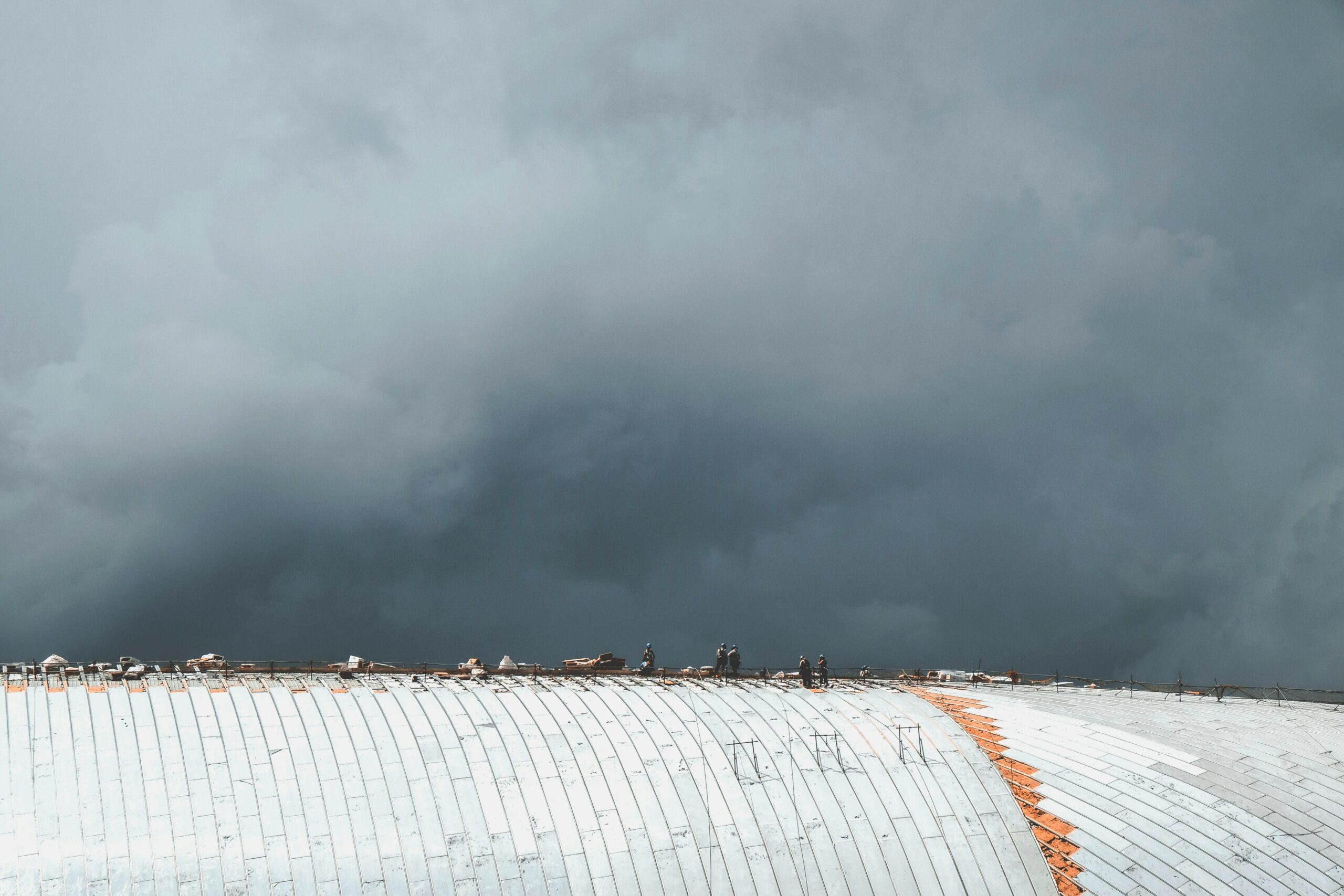
Metal roofing systems, particularly aluminum and steel panels, offer exceptional hail resistance when properly installed. While hail may dent metal surfaces, these cosmetic imperfections rarely compromise the roof’s waterproofing integrity or structural function. Many metal roofs achieve Class 4 ratings, with some specialized products designed specifically for hail-prone regions.
Steel roofing with appropriate thickness (typically 26-gauge or thicker) resists hail penetration remarkably well. Aluminum, though softer, demonstrates excellent impact absorption properties. Standing seam metal roofs provide particular advantages, as their raised seams and interlocking panels create a robust barrier against weather intrusion even after hail impacts.
The longevity of metal roofing—often 40 to 70 years—makes it cost-competitive despite higher upfront expenses. For homeowners planning long-term residence or seeking maximum storm protection, metal roofing delivers unmatched value. Stone-coated steel products combine metal’s durability with aesthetics resembling traditional shingles or tiles.
Synthetic and Composite Roofing Products
Revolutionary synthetic roofing materials engineered from rubber, plastic polymers, and polymer composites offer Class 4 impact resistance while mimicking the appearance of slate, shake, or tile. These products combine the aesthetic appeal of premium natural materials with superior performance characteristics and reduced weight.
Synthetic slate and shake products resist cracking, splitting, and breaking under hail impact thanks to their polymer composition. Unlike natural slate—which can shatter—or wood shakes—which can split—these engineered alternatives flex and absorb impact energy. They’re also significantly lighter than their natural counterparts, reducing structural load requirements.
Composite roofing tiles incorporate recycled materials while delivering excellent hail resistance. Some products blend recycled rubber and plastic with virgin polymers, creating environmentally responsible options without performance compromises. These materials typically carry 50-year warranties and require minimal maintenance throughout their service life.
Clay and Concrete Tiles: Traditional with Limitations
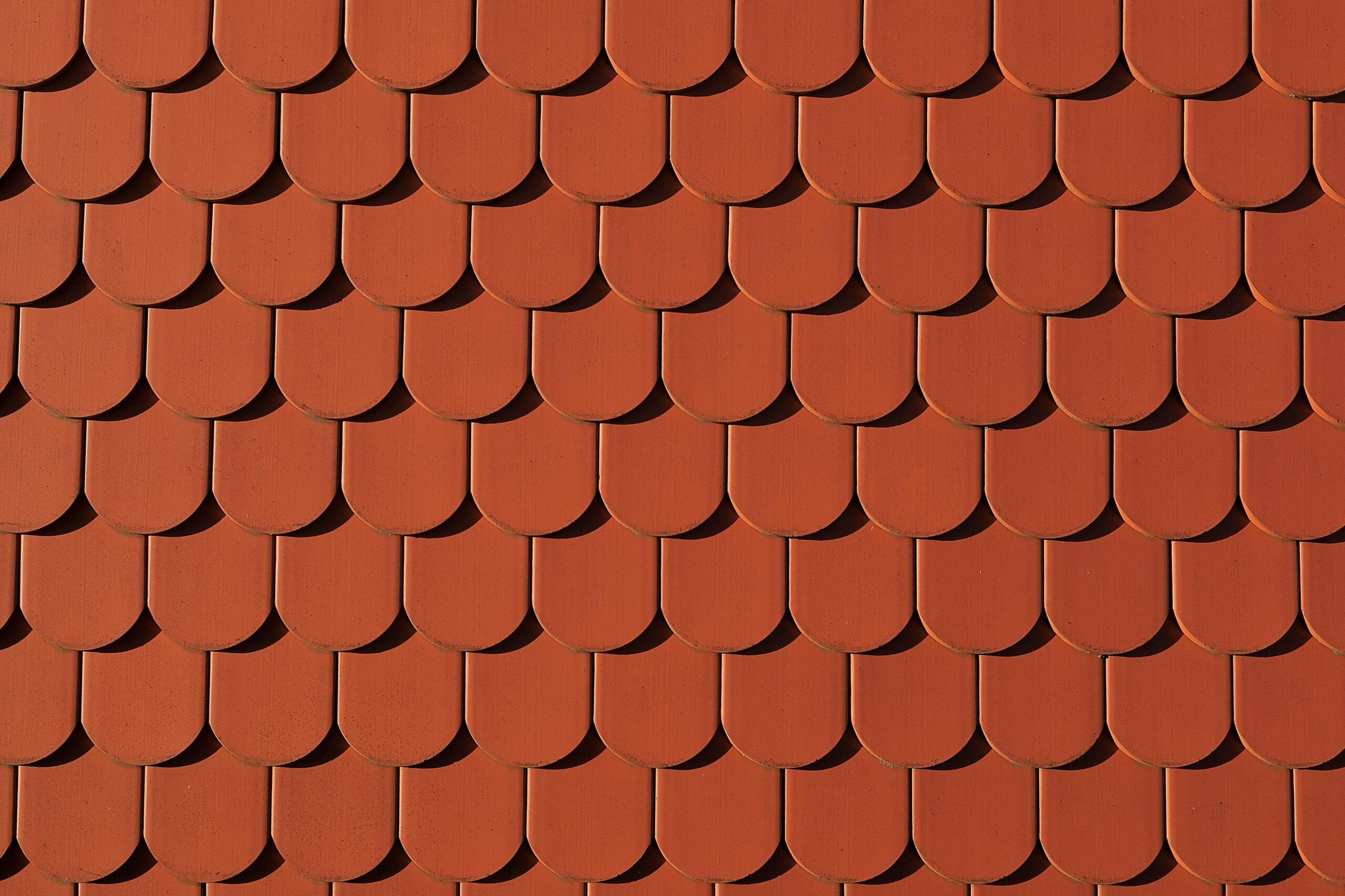
Clay and concrete tiles present a complex case in hail resistance discussions. While extremely durable against many weather elements, traditional tiles can crack or break under large hail impacts. However, manufacturers have developed impact-resistant versions incorporating polymer additives or specialized coatings that significantly improve hail performance.
High-quality concrete tiles with impact-resistant formulations can achieve Class 3 or even Class 4 ratings. These products maintain the timeless aesthetic of traditional tile roofing while offering enhanced storm protection. The substantial weight of tile roofs also provides inherent wind resistance, though structural considerations must address this added load.
For homeowners committed to tile aesthetics in hail-prone areas, synthetic tile alternatives often provide superior impact resistance at reduced weight and cost. These products faithfully replicate tile appearance while eliminating brittleness concerns associated with clay and standard concrete formulations.
🏠 Factors Beyond Material Selection
Choosing Class 4 rated materials represents just one component of comprehensive hail protection. Installation quality, roof design, and maintenance practices significantly influence your roof’s actual performance during severe weather events.
The Critical Importance of Professional Installation
Even premium impact-resistant materials fail prematurely when improperly installed. Professional installation by certified contractors familiar with manufacturer specifications ensures materials perform as designed. Proper fastening patterns, appropriate underlayment selection, adequate ventilation, and correct flashing details all contribute to overall system resilience.
Many manufacturers void warranties if installation doesn’t meet their standards or if uncertified contractors perform the work. This makes contractor selection nearly as important as material choice. Verify that your contractor carries proper licensing, insurance, and manufacturer certifications specific to your chosen roofing product.
Roof Slope and Design Considerations
Roof pitch affects hail impact severity—steeper slopes receive glancing blows rather than direct impacts, potentially reducing damage. Complex roof designs with multiple angles, valleys, and penetrations create more vulnerable points where water intrusion can occur if hail compromises sealing integrity.
Architectural elements like wide overhangs, quality gutters, and proper drainage systems protect not just from hail but from the water infiltration that often follows storm damage. Integrated design thinking considers how all roof components work together to shield your home from various weather threats.
📊 Cost Analysis: Investment Versus Protection
Understanding the financial implications of hail-resistant roofing requires examining both immediate costs and long-term value. While impact-resistant materials command premium prices, multiple factors contribute to their overall cost-effectiveness.
| Material Type | Average Cost per Square | Typical Impact Rating | Expected Lifespan |
|---|---|---|---|
| Standard Asphalt Shingles | $350-$500 | Class 1-2 | 15-25 years |
| Impact-Resistant Shingles | $450-$650 | Class 4 | 25-50 years |
| Metal Roofing | $700-$1,200 | Class 3-4 | 40-70 years |
| Synthetic Composite | $800-$1,400 | Class 4 | 40-50 years |
| Impact-Resistant Tile | $1,000-$1,800 | Class 3-4 | 50+ years |
Insurance premium reductions provide tangible ongoing savings that accumulate over time. In high-risk areas, annual savings of $200 to $500 or more are common for homes with Class 4 roofing. Over a 30-year period, these savings can total $6,000 to $15,000 or more, substantially offsetting higher material costs.
Hidden Costs of Inadequate Hail Protection
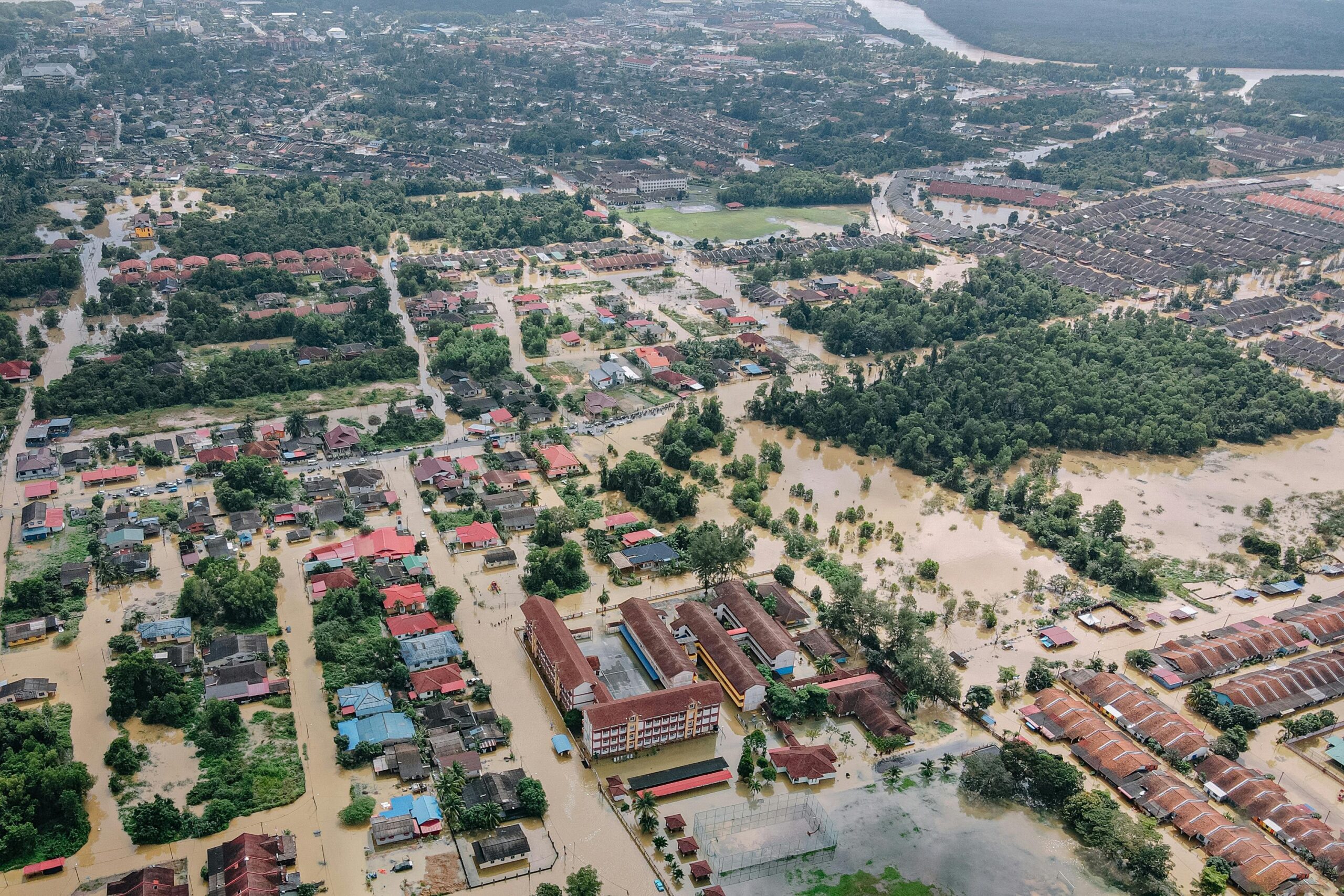
Beyond direct roof replacement expenses, hail damage triggers cascading costs that impact your financial situation and quality of life. Water intrusion following roof compromise leads to interior damage, mold remediation needs, increased energy costs from compromised insulation, and potential structural repairs.
Insurance deductibles for roof claims typically range from $1,000 to $5,000 or more. Each claim also affects your insurance history, potentially increasing future premiums or even jeopardizing coverage availability. Homes with documented hail damage history face challenges in resale situations, as disclosure requirements and buyer concerns can impact market value.
🔍 Recognizing and Addressing Hail Damage
Identifying hail damage quickly allows for timely repairs that prevent secondary problems. Different roofing materials exhibit distinct damage patterns that homeowners should understand for effective monitoring and maintenance.
Visual Indicators of Hail Impact
Asphalt shingles show hail damage through lost granules, exposing darker substrate beneath. Look for random patterns of dark spots or shiny areas where granules have been knocked away. Dents in metal flashing, gutters, or vents often accompany roof damage and serve as easily accessible indicators.
Metal roofs display obvious denting but may function perfectly despite cosmetic imperfections. However, severe impacts can compromise protective coatings or create punctures at fastener locations. Check for paint damage, exposed substrate, or deformation around attachment points.
Synthetic and composite materials may show cracking or chipping at impact sites. Tiles—whether clay, concrete, or synthetic—can exhibit cracks, chips along edges, or complete breaks. Ground debris around your home’s perimeter after storms often includes fallen granules or broken material pieces indicating roof damage.
Professional Inspection Importance
Many significant hail damage indicators aren’t visible from ground level or to untrained observers. Professional roof inspectors use specialized tools and expertise to assess damage comprehensively, documenting issues for insurance claims and repair planning.
Schedule professional inspections after any significant hailstorm, especially if stones exceeded one inch in diameter. Timely documentation supports insurance claims and prevents disputes about damage timing. Most reputable roofing contractors offer free storm damage inspections, though verify they’re not simply storm-chasing scammers who exploit disasters.
Maximizing Insurance Benefits for Hail-Resistant Roofing
Strategic engagement with insurance providers ensures you capture all available benefits related to impact-resistant roofing investments. Many homeowners leave money on the table by not fully understanding or leveraging available discounts and coverage options.
Contact your insurance agent before material selection to understand specific discount structures and requirements. Some insurers require pre-approval or documentation of Class 4 ratings to qualify for premium reductions. Obtain written confirmation of discount amounts and duration to avoid future disputes.
Document your roofing installation thoroughly with photographs, contractor certifications, material specification sheets, and warranty information. This documentation proves invaluable if you change insurance providers or if questions arise about your roof’s impact rating years after installation.
Understanding Coverage Limitations and Exclusions
Even with impact-resistant roofing, understand your policy’s specific hail damage coverage terms. Some policies limit coverage based on roof age, impose special deductibles for hail claims, or exclude cosmetic damage to materials like metal that remain functionally sound despite denting.
Replacement cost coverage versus actual cash value policies dramatically affect claim payouts. Replacement cost coverage pays for new materials without depreciation deductions, while actual cash value reduces payments based on your roof’s age and condition. This difference can amount to thousands of dollars in claim settlements.
🌱 Future-Proofing Your Roofing Investment
Climate patterns shift continuously, making today’s roofing decisions critical for decades of future protection. Selecting materials and systems with adaptability and longevity positions your home to weather whatever storms lie ahead.
Energy efficiency considerations complement hail resistance in comprehensive roofing decisions. Cool roof technologies, reflective coatings, and proper ventilation reduce energy costs while maintaining storm protection. Many impact-resistant products now incorporate these features, delivering multiple benefits from a single investment.
Sustainable materials gain importance as environmental consciousness grows. Recyclable metal roofing, composite products incorporating recycled content, and long-lasting materials that reduce replacement frequency all contribute to reduced environmental impact while providing superior storm protection.
Making Your Final Material Selection
Armed with comprehensive knowledge about hail-resistant roofing options, ratings, costs, and considerations, you’re positioned to make informed decisions protecting your most valuable asset. Prioritize Class 4 rated materials if you live in moderate to high hail-risk areas, considering the long-term financial and practical benefits these products deliver.
Consult multiple qualified contractors for estimates and material recommendations specific to your home’s architecture, local climate conditions, and budget parameters. Don’t automatically select the lowest bid—installation quality and contractor reputation significantly impact your roofing system’s actual performance and longevity.
Balance aesthetics with performance, recognizing that today’s impact-resistant materials offer diverse appearance options matching virtually any architectural style. You need not sacrifice visual appeal for storm protection—premium products deliver both simultaneously.
Review manufacturer warranties carefully, understanding exactly what’s covered, for how long, and under what conditions. Transferable warranties add value if you sell your home, while comprehensive coverage including materials and labor provides maximum protection for your investment.
Your roof represents far more than shingles or panels overhead—it’s your home’s primary defense against nature’s fury, a major component of property value, and a long-term financial commitment affecting insurance costs, energy consumption, and maintenance requirements. Investing in properly rated, professionally installed, hail-resistant roofing materials delivers peace of mind worth far more than any premium price difference, ensuring your family stays safe and dry regardless of what storms approach your horizon. 🏡