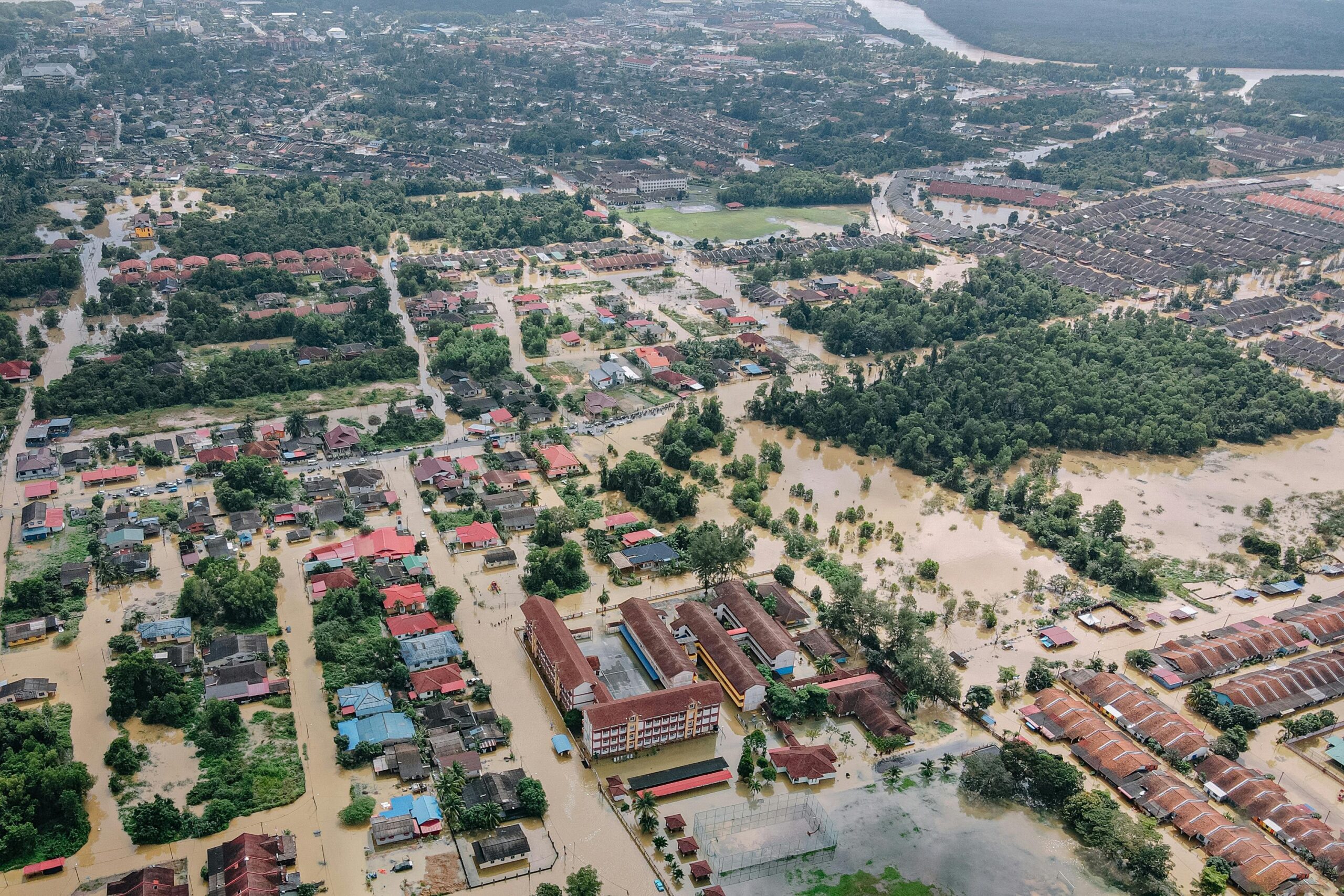
Heavy rainfall can overwhelm even the most robust roofing systems, making strategic drainage design essential for protecting your property from water damage and structural deterioration.

🌧️ Understanding the Critical Role of Roof Drainage Systems
Roof drainage isn’t just about moving water off your building—it’s about managing one of nature’s most persistent and potentially destructive forces. When rainfall intensity exceeds your system’s capacity, the consequences can be severe: pooling water, structural stress, leaks, foundation damage, and even complete system failure.
Modern building codes recognize the importance of adequate drainage, but minimum compliance doesn’t always equal optimal performance. Climate change has intensified rainfall patterns in many regions, with storms delivering more water in shorter periods than historical data predicted. This reality demands that property owners and designers think beyond basic requirements to create truly resilient drainage solutions.
The physics of water movement on roofs involves several interconnected factors: roof pitch, surface area, material type, gutter capacity, downspout sizing, and discharge points. Each element must work harmoniously to handle peak flow rates during the most intense storms your region experiences.
Calculating Your Roof’s Drainage Requirements
Before designing any drainage system, you need accurate calculations based on your specific circumstances. The fundamental formula considers rainfall intensity, roof area, and a runoff coefficient that accounts for your roofing material’s absorption characteristics.
Rainfall intensity data comes from local meteorological records, typically expressed in inches per hour for a specific storm duration and frequency. Most residential and commercial projects use either a 10-year or 25-year storm event as the design standard, though critical facilities may require 50-year or 100-year calculations.
Your roof’s effective area isn’t simply its horizontal footprint. Pitched roofs require adjustment factors, and surrounding features like parapet walls or adjacent taller structures can funnel additional water onto your roof surface. Professional drainage design accounts for these variables to prevent undersizing.
The Runoff Coefficient Factor
Different roofing materials handle water differently. Metal roofs shed water almost instantly with runoff coefficients near 0.95, meaning 95% of rainfall becomes immediate runoff. Asphalt shingles typically rate around 0.85-0.90, while green roofs may drop to 0.30-0.50 depending on soil depth and vegetation.
This coefficient dramatically affects your drainage requirements. A 2,000 square foot metal roof experiencing a 4-inch-per-hour rainfall requires significantly more drainage capacity than the same-sized green roof under identical conditions.
Strategic Gutter Sizing and Placement
Gutters serve as the primary collection mechanism for most roof drainage systems, yet they’re frequently undersized or improperly installed. Standard residential 5-inch K-style gutters handle moderate rainfall well, but heavy precipitation demands 6-inch or even 7-inch profiles for adequate capacity.
Gutter capacity depends on several factors beyond width: depth, slope, material smoothness, and the number and placement of outlets all influence performance. A perfectly sized gutter installed with insufficient slope becomes a decorative water feature rather than a functional drainage component.
Optimal Slope Configuration ⚡
Gutters should slope toward downspouts at a minimum rate of 1/16 inch per foot, though 1/8 inch per foot provides better flow and self-cleaning action. Longer gutter runs may benefit from center-high configurations with slopes toward downspouts at each end, preventing any single section from becoming overwhelmed.
For commercial or large residential installations, consider breaking long roof edges into multiple drainage zones. Rather than channeling an entire 80-foot roofline into gutters flowing to a single corner downspout, divide it into three or four sections with independent drainage paths.
Downspout Design for Maximum Flow
Downspouts are the critical bottleneck in most drainage systems. A beautifully designed gutter system fails catastrophically if downspouts can’t handle the collected volume. The relationship between gutter size and downspout quantity follows established hydraulic principles that shouldn’t be ignored.
Standard 2×3-inch downspouts suit typical residential applications with moderate rainfall, but areas prone to heavy precipitation should default to 3×4-inch or even 4×5-inch profiles. The increased cross-sectional area dramatically improves flow capacity with minimal additional cost or aesthetic impact.
Calculating Downspout Requirements
A general rule suggests one square inch of downspout cross-section per 100 square feet of roof area for moderate rainfall regions. Heavy rainfall areas should increase this to one square inch per 75 or even 50 square feet, depending on local intensity data.
Practical application means a 1,500 square foot roof section in a high-rainfall zone needs approximately 30 square inches of downspout area. Two 3×4-inch downspouts (24 square inches total) would be marginal, while three would provide appropriate capacity with safety margin.
🏗️ Flat and Low-Slope Roof Considerations
Flat roofs present unique drainage challenges since gravity provides minimal assistance. These systems rely on internal drains, scuppers, or perimeter gutters, each with specific design requirements and performance characteristics.
The term “flat roof” is actually a misnomer—even minimal slope is essential for effective drainage. Current best practices recommend minimum slopes of 1/4 inch per foot, with 1/2 inch per foot preferred for optimal performance and reduced maintenance.
Internal Drain Systems
Internal roof drains connect directly to building plumbing systems, offering clean aesthetics and protection from freezing in heated buildings. Proper design requires multiple drains positioned to prevent any roof area from being more than 50 feet from a drain inlet.
Strainer domes on internal drains must be oversized—at least four times the pipe diameter—to prevent leaf debris from reducing capacity during storms when you need maximum flow. Regular maintenance becomes critical since blocked internal drains can’t be observed from ground level like overflowing gutters.
Scupper Integration
Scuppers function as overflow relief valves, typically positioned through parapet walls to discharge water externally when primary drainage becomes overwhelmed. These shouldn’t be afterthoughts but integral design elements sized to handle significant flow.
Effective scupper design places the opening low in the parapet wall with sufficient width and height to discharge heavy volumes. A 4-inch by 6-inch scupper opening provides much better overflow protection than multiple small holes, and positioning scuppers over landscaping rather than walkways prevents safety issues.
Advanced Drainage Technologies for Extreme Weather
Traditional gutter and downspout systems work well within their design parameters, but extreme weather events increasingly exceed those assumptions. Advanced drainage technologies offer enhanced capacity and resilience for critical applications or high-risk environments.
Siphonic roof drainage systems use specially designed outlets that eliminate air from the piping system, allowing water to flow at much higher velocities than gravity systems. This technology reduces pipe sizes, minimizes the number of drains needed, and handles extreme rainfall intensities that would overwhelm conventional systems.
Green Infrastructure Integration 🌱
Rather than viewing all rainfall as waste to be quickly removed, integrated green infrastructure approaches capture, slow, and filter stormwater. Rain gardens, vegetated swales, and detention ponds positioned at downspout discharge points reduce peak flows while providing environmental and aesthetic benefits.
Blue roof systems intentionally pond water on specially designed roof surfaces, slowly releasing it over hours rather than minutes. This controlled release prevents overwhelming municipal storm systems during intense rainfall events while reducing the drainage infrastructure needed on the building itself.
Material Selection for Longevity and Performance
Drainage system materials must withstand constant moisture exposure, temperature fluctuations, UV radiation, and physical stress from water flow. Material choice affects both initial performance and long-term reliability, making it a critical decision point in system design.
Aluminum gutters offer excellent corrosion resistance, light weight, and easy installation at moderate cost. Copper provides superior longevity and develops an attractive patina but commands premium pricing. Steel gutters work well when properly finished but require vigilant maintenance to prevent rust failure.
Emerging Material Technologies
Modern PVC and vinyl systems have evolved beyond early products that became brittle and cracked. Current formulations include UV stabilizers and impact modifiers that deliver decades of reliable service in most climates. These materials offer cost advantages and eliminate corrosion concerns entirely.
Specialty coatings on metal systems extend service life significantly. Kynar and other fluoropolymer finishes provide superior weather resistance compared to standard painted finishes, justifying their higher initial cost through reduced maintenance and replacement frequency.
Preventing Common Drainage Failures
Even well-designed systems fail when installation quality suffers or maintenance lapses. Understanding common failure modes helps property owners implement preventive measures rather than reactive repairs after damage occurs.
Gutter sagging results from inadequate hanger spacing, thermal expansion stress, or accumulated debris weight. Hangers should be spaced no more than 24 inches apart in snow-prone regions, with 36 inches acceptable in mild climates. Hidden hangers provide cleaner aesthetics than spike-and-ferrule systems while distributing stress more effectively.
Ice Dam Prevention Strategies ❄️
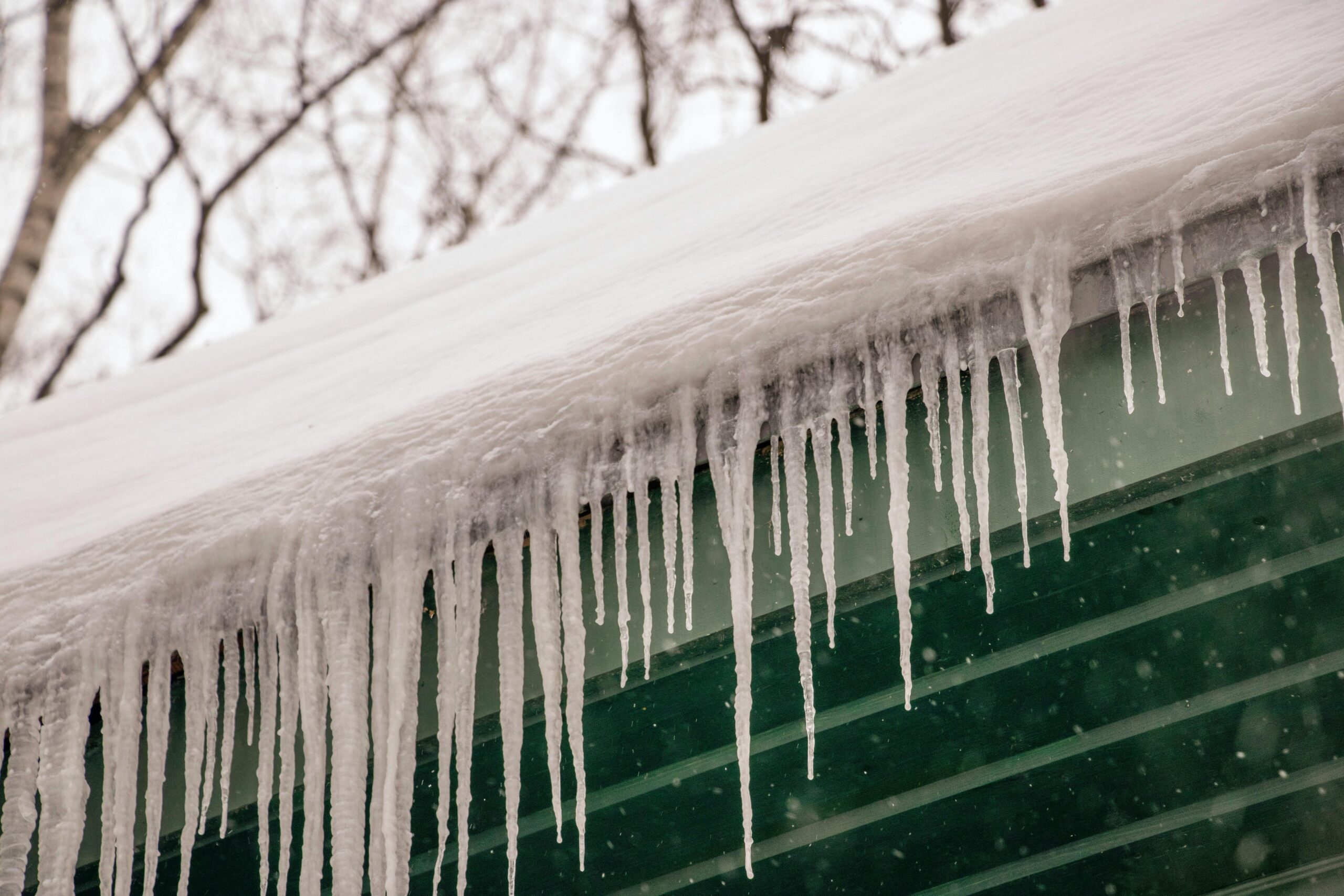
Cold climate drainage systems face the additional challenge of ice dams—ice accumulations at roof edges that block drainage and force water under roofing materials. Effective prevention combines proper attic insulation and ventilation with heated cable systems or special ice-and-water shield membranes.
Gutter heating cables prevent ice blockages in gutters and downspouts, maintaining drainage capacity during freeze-thaw cycles. These systems should activate automatically based on temperature and moisture sensors rather than manual operation, ensuring protection during unattended properties or overnight freezing events.
Maintenance Protocols for Sustained Performance
The most sophisticated drainage system degrades into ineffectiveness without appropriate maintenance. Seasonal inspection and cleaning schedules prevent small issues from escalating into expensive failures while ensuring full capacity when heavy storms arrive.
Spring and fall cleaning removes accumulated debris before and after leaf drop seasons. This simple maintenance step prevents the majority of drainage failures and extends system life significantly. Professional cleaning services typically cost far less than repairing water damage from clogged gutters.
Inspection Checkpoints
Effective inspections go beyond simply scooping leaves from gutters. Check gutter slope with a level, ensuring sections haven’t sagged. Test downspout flow by running a hose, watching for slow drainage indicating partial blockages. Examine all fasteners for loosening or corrosion, and seal any gaps at gutter joints before they become leaks.
Document inspection findings with photos and notes, creating a maintenance history that reveals patterns or recurring issues requiring design modifications rather than repeated repairs.
Integrating Drainage with Landscape and Site Design
Roof drainage doesn’t end at the downspout outlet—the discharged water must be managed at ground level to prevent foundation problems, erosion, and property damage. Thoughtful site design integrates roof drainage with overall stormwater management strategies.
Downspout extensions should carry water at least 6 feet from building foundations, with 10 feet preferred for basement structures. Simple splash blocks work for occasional rainfall, but high-volume situations require underground piping to proper discharge points or detention areas.
Creating Positive Drainage Patterns
Ground slopes should direct water away from buildings at minimum grades of 2% for the first 10 feet. Shallow swales channel surface water toward street drains or designated collection areas rather than allowing it to sheet flow across paved surfaces where it becomes a safety hazard.
French drains buried alongside foundations intercept groundwater and roof drainage discharge, directing it away from vulnerable structural elements. These systems require proper sizing, filtration fabric to prevent soil intrusion, and adequate outlet capacity to function reliably during heavy rainfall.
🔧 Retrofitting Existing Systems for Improved Capacity
Many existing buildings have drainage systems designed for lighter rainfall intensities than current weather patterns deliver. Retrofitting improved capacity into existing structures presents challenges but often proves more cost-effective than repairing repeated water damage.
Adding supplementary downspouts provides the simplest capacity upgrade path. Most gutter systems can accommodate additional outlets with minimal structural modification. Route new downspouts through less visible building areas to minimize aesthetic impact while dramatically improving drainage performance.
Gutter Replacement Considerations
When existing gutters require replacement due to age or damage, upgrading to larger profiles costs only marginally more than same-size replacement while significantly improving capacity. This opportunistic approach captures the value of improved performance at minimal incremental investment.
Seamless gutter systems eliminate the leak-prone seams of sectional gutters while allowing custom profiles sized precisely for your building’s requirements. Mobile fabrication equipment creates gutters on-site in any length needed, reducing joints to only inside and outside corners.
Regulatory Compliance and Insurance Considerations
Building codes establish minimum drainage standards, but these represent baseline requirements rather than optimal designs. Many jurisdictions have updated codes to reflect increased rainfall intensities, requiring capacity calculations based on more recent meteorological data.
Insurance policies increasingly scrutinize drainage adequacy when evaluating claims for water damage. Demonstrating proper system design, installation, and maintenance helps support coverage claims while potentially qualifying for premium reductions through risk mitigation.
Professional engineering certification of drainage designs provides documentation of code compliance and performance expectations. This relatively modest investment during initial construction or renovation proves valuable if questions arise about system adequacy following storm damage.
Monitoring and Smart Technology Integration 📱
Emerging smart building technologies extend to drainage systems, offering real-time monitoring and predictive maintenance capabilities. Moisture sensors detect leaks or overflow conditions, triggering alerts before minor issues become major damage.
Weather-integrated systems combine forecast data with building sensor information to provide advance warning of potential capacity exceedance during extreme storms. This intelligence allows pre-storm preparation like clearing known debris accumulation points or activating supplementary drainage measures.
While smart drainage monitoring remains relatively uncommon in residential applications, commercial properties and critical facilities increasingly adopt these technologies as component costs decline and reliability improves. The damage prevention value far exceeds modest system costs for high-value properties or operations vulnerable to water intrusion.
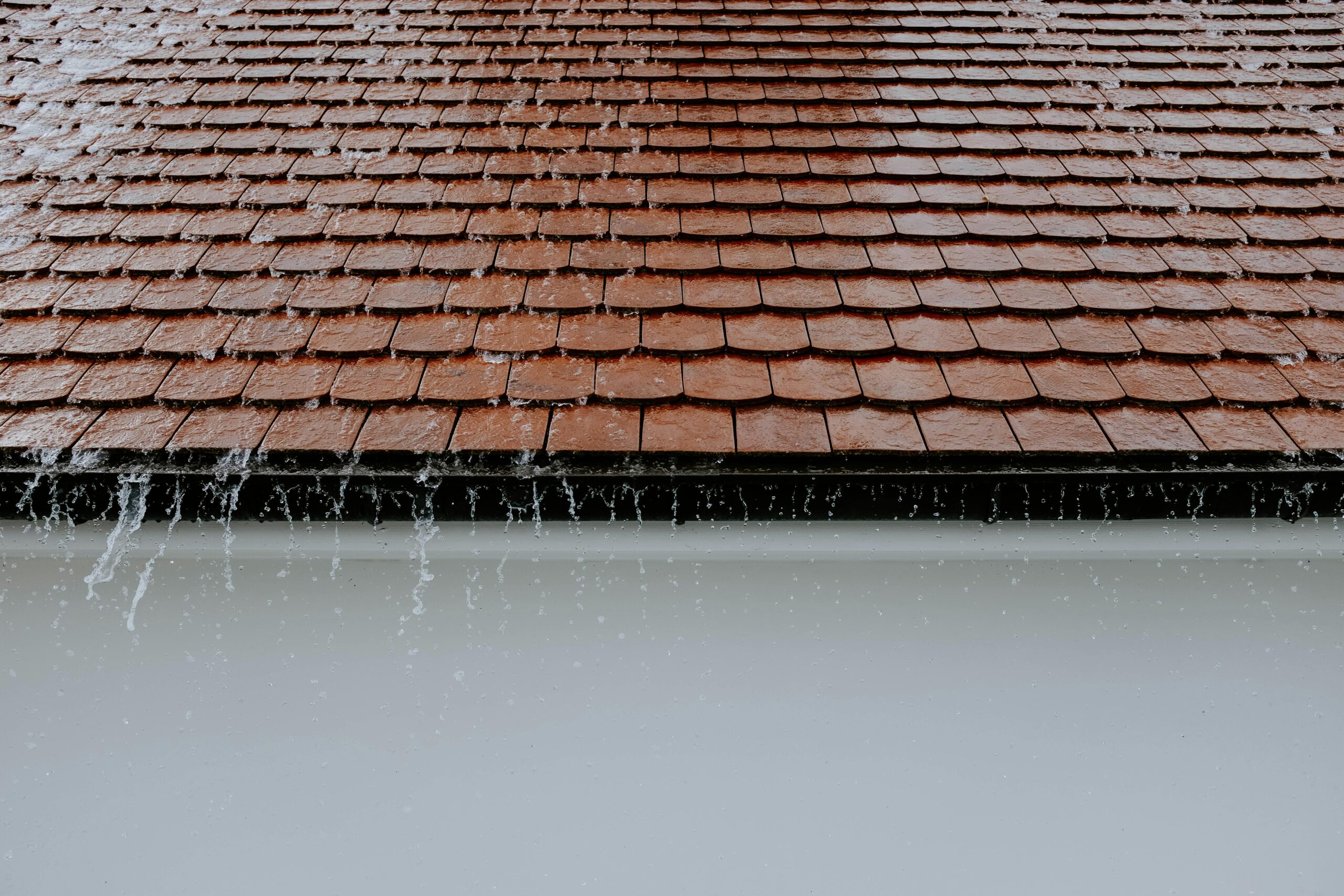
Creating Resilient Drainage Solutions for an Uncertain Climate
Climate projections indicate continued intensification of precipitation patterns across many regions, with heavier individual storm events even if total annual rainfall remains similar. Designing drainage systems with built-in capacity margins acknowledges this uncertainty while providing practical protection.
Rather than designing precisely to calculated requirements, incorporate 25-30% excess capacity as a buffer against changing conditions and calculation uncertainties. This margin costs little during initial construction but delivers substantial resilience against increasingly variable weather patterns.
Modular drainage designs allow future expansion if climate trends require additional capacity. Planning pipe routes, gutter support structures, and discharge points with expansion possibilities creates flexibility to adapt systems as conditions evolve without complete reconstruction.
Effective roof drainage represents an intersection of physics, practical construction, and climate adaptation. Heavy rainfall will always challenge building systems, but thoughtful design, quality installation, and consistent maintenance create robust solutions that protect structures and occupants from water’s destructive potential. By moving beyond minimum code compliance to embrace capacity margins, advanced materials, and integrated site design, property owners build resilience against both today’s storms and tomorrow’s uncertainties.