Tiny homes have surged in popularity, but their compact footprint demands roofing solutions that can withstand extreme weather while maximizing space efficiency and sustainability.

The tiny house movement represents more than just downsizing—it’s a lifestyle revolution embracing minimalism, financial freedom, and environmental consciousness. As climate patterns become increasingly unpredictable, with intensifying storms, heat waves, and precipitation extremes, the roofs protecting these small dwellings must work harder than ever before. Unlike traditional homes, tiny houses often face unique challenges: limited structural capacity for heavy materials, mobility requirements for those on trailers, and the need for multi-functional design elements that serve beyond basic protection.
Climate-proofing a tiny home roof isn’t simply about selecting durable materials—it requires understanding regional weather patterns, thermal dynamics in compact spaces, and how roofing choices impact the entire living experience. The right roofing solution can transform a tiny house from a vulnerable structure into a resilient, comfortable sanctuary that stands strong against nature’s forces while keeping energy costs minimal and environmental impact low.
🌡️ Understanding Climate Challenges for Tiny Home Roofing
Tiny homes face disproportionate climate impacts compared to conventional houses. Their smaller thermal mass means they heat up and cool down rapidly, placing enormous demands on roofing systems to regulate interior temperatures. A standard tiny home measuring 100-400 square feet has significantly less insulation volume and thermal buffering capacity than a traditional residence.
Wind loading presents another critical concern, especially for tiny homes on wheels. The elevated profile and lightweight construction make them susceptible to wind uplift forces that could compromise roof integrity during storms. In hurricane-prone regions, this vulnerability multiplies, requiring specialized attachment methods and aerodynamic design considerations.
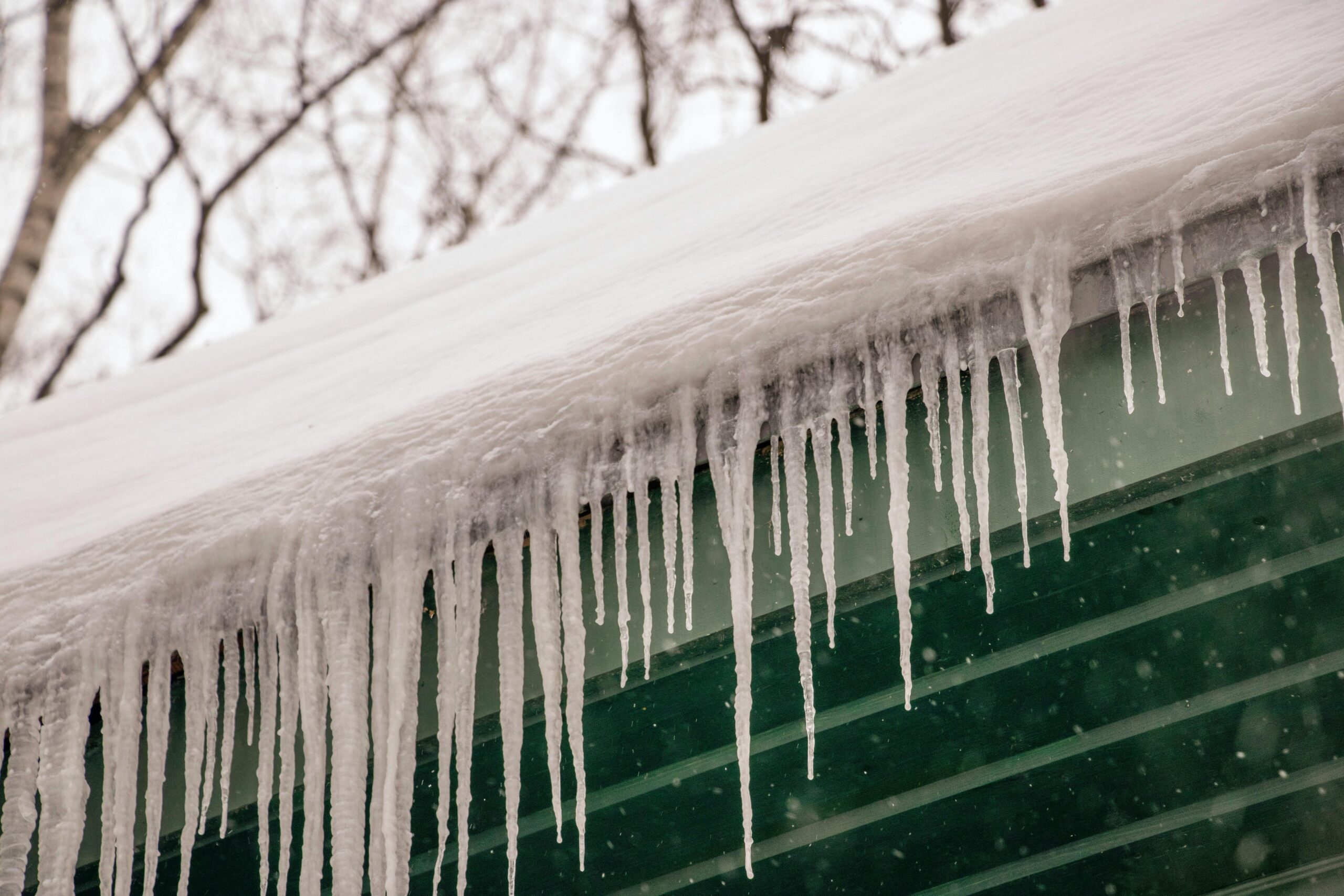
Heavy precipitation and snow loads also challenge tiny home roofs differently. While the smaller surface area means less total weight accumulation, the structural framing in many tiny houses isn’t engineered to the same load-bearing standards as conventional construction. Ice dams, a common winter problem, become particularly problematic in tiny homes where inadequate attic ventilation and insulation depth create perfect conditions for freeze-thaw cycles.
Extreme heat poses perhaps the most underestimated threat. Dark roofing materials can reach temperatures exceeding 150°F (65°C) in summer, turning tiny home interiors into unbearable hotboxes. Without adequate ceiling height for thermal stratification, heat radiating from the roof directly impacts living spaces, overwhelming small air conditioning units and creating health hazards.
🏠 Material Selection: Balancing Weight, Durability, and Performance
Selecting appropriate roofing materials for tiny homes requires balancing multiple factors that don’t always align. Weight restrictions, particularly for mobile tiny houses, immediately eliminate many conventional options. Most tiny homes on trailers must maintain total weight under 10,000-14,000 pounds to remain towable with standard vehicles, leaving limited capacity for roofing materials.
Metal Roofing: The Lightweight Champion
Metal roofing has emerged as the preferred choice for tiny home builders, and for compelling reasons. Standing seam metal roofs typically weigh just 1-3 pounds per square foot—dramatically lighter than asphalt shingles at 2-4 pounds or concrete tiles at 8-12 pounds. This weight advantage becomes critical when every pound counts toward towing capacity and structural load limits.
Beyond weight benefits, metal roofing excels in climate resilience. Quality metal roofs withstand wind speeds exceeding 140 mph when properly installed, shed snow and rain efficiently, and reflect solar radiation to reduce heat gain by up to 25%. Their expected lifespan of 40-70 years far exceeds other options, making them cost-effective despite higher initial investment.
Modern metal roofing comes in corrugated profiles, standing seam systems, and metal shingles that mimic traditional aesthetics. For tiny homes, standing seam roofs offer superior weather tightness and expansion/contraction accommodation—essential for structures that experience road vibration and temperature extremes.
Architectural Shingles: Affordable Versatility
Architectural asphalt shingles remain popular for stationary tiny homes where weight concerns are less critical. These dimensionally textured shingles provide good wind resistance (up to 130 mph when properly installed), reasonable longevity (25-30 years), and extensive color options to match aesthetic preferences.
For climate-proofing, impact-resistant shingles rated Class 4 offer protection against hail damage—a growing concern as severe weather events increase. These modified asphalt shingles incorporate special polymers that absorb impact energy, significantly reducing damage from hailstones that would shatter standard shingles.
Membrane Roofing for Modern Designs
Single-ply membrane systems like TPO (thermoplastic polyolefin) and EPDM (ethylene propylene diene monomer) provide excellent solutions for flat or low-slope tiny home roofs. These lightweight membranes (0.5-1.5 pounds per square foot) offer exceptional waterproofing, UV resistance, and thermal performance when paired with proper insulation.
TPO membranes, with their bright white finish, reflect up to 85% of solar radiation, dramatically reducing cooling loads in hot climates. EPDM’s rubber composition provides outstanding flexibility and durability in freeze-thaw cycles, making it ideal for cold-weather regions. Both systems accommodate the slight flexing that tiny homes on trailers experience without compromising water-tightness.
⚡ Insulation Strategies for Maximum Climate Protection
Even the most advanced roofing materials fail without proper insulation strategies. In tiny homes, where every inch matters, achieving adequate R-values requires innovative approaches that balance thermal performance against space limitations.
Spray foam insulation has revolutionized tiny home roof systems, providing exceptional R-values (R-6 to R-7 per inch) while simultaneously air-sealing and adding structural rigidity. Closed-cell spray foam creates a continuous insulation barrier that eliminates thermal bridging through roof framing—a critical advantage in tiny homes where stud spacing and compact design make heat transfer particularly problematic.
For those seeking eco-friendly alternatives, sheep’s wool insulation offers excellent performance (R-3.5 to R-4 per inch) with natural moisture-wicking properties that help regulate interior humidity. Rigid foam boards, particularly polyisocyanurate with foil facing, provide high R-values in minimal thickness, perfect for tiny home applications where ceiling height is precious.
Ventilation remains essential even with superior insulation. Ridge vents combined with soffit vents create continuous airflow that removes moisture buildup and heat accumulation. This ventilation proves especially critical in tiny homes where cooking, showering, and breathing generate substantial moisture in concentrated spaces, potentially leading to condensation and mold growth within roof assemblies.
💧 Waterproofing and Drainage Solutions
Water intrusion represents the most common and destructive failure mode for tiny home roofs. The compact living space means any leak immediately impacts occupants, and the limited structural framing makes water damage particularly devastating. Climate-proofing requires multi-layered waterproofing strategies that account for both normal precipitation and extreme weather events.
High-quality underlayment provides the critical first defense layer. Synthetic underlayments outperform traditional felt paper, offering superior tear resistance, UV stability, and water-shedding during installation delays. For maximum protection, self-adhering modified bitumen membranes create waterproof barriers at vulnerable areas: valleys, roof-to-wall transitions, and around penetrations.
Proper flashing installation cannot be overstated. Metal flashing at roof edges (drip edge), valleys, chimneys, and wall intersections directs water away from vulnerable joints. Many tiny home leaks originate not from roofing material failure but from inadequate flashing that allows water to wick behind siding or seep through joints during wind-driven rain.
Gutter systems, often overlooked in tiny home design, protect both the roof and foundation from water damage. Oversized gutters (5-6 inch) handle heavy rainfall more effectively than standard 4-inch systems, reducing overflow that saturates walls and undermines foundation stability. Gutter guards prevent debris accumulation that could cause backups and ice dams.
🌤️ Energy Efficiency and Solar Integration
Climate-proof roofing extends beyond weather resistance to encompass energy performance that reduces environmental impact and operational costs. Tiny home roofs offer ideal platforms for solar installations, transforming them from passive protection into active energy generators.
Cool roofing technologies significantly reduce cooling demands in warm climates. Light-colored metal roofs, reflective coatings, and specialized shingles with solar-reflective granules can decrease roof surface temperatures by 50-60°F compared to traditional dark materials. This temperature reduction translates directly to lower interior temperatures and reduced air conditioning requirements—critical in tiny spaces where small HVAC systems struggle during heat waves.
Solar panel integration requires early planning in tiny home roof design. The roof structure must support panel weight (2-4 pounds per square foot), mounting hardware loads, and potential snow accumulation on panels. Orientation becomes crucial—tiny homes should be positioned to maximize southern exposure (in the Northern Hemisphere) for optimal solar collection.
For tiny homes on wheels, flexible solar panels offer lightweight alternatives to rigid crystalline panels. These thin-film panels adhere directly to metal roofs, adding minimal weight while providing sufficient power for LED lighting, electronics, and small appliances. Battery storage systems complete the energy independence equation, allowing tiny home dwellers to maintain power during grid outages increasingly common with climate-related infrastructure failures.
🛠️ Installation Best Practices for Long-Term Resilience
Even premium roofing materials fail when improperly installed. Tiny home roofs demand meticulous attention to details that might seem minor in conventional construction but become critical in compact, mobile structures exposed to road vibration and varied climates.
Fastener selection and spacing directly impact wind resistance. Roofing screws specifically designed for metal roofing include neoprene washers that seal penetrations while accommodating thermal expansion. Over-driving fasteners compresses washers and compromises sealing; under-driving leaves gaps for water intrusion. Proper installation requires calibrated tools and experienced installers familiar with tiny home applications.
Roof pitch influences both water shedding and snow load capacity. Steeper pitches (6:12 to 12:12) shed precipitation more effectively and reduce snow accumulation, but increase wind exposure and complicate mobility clearances for trailers. Shallower pitches (3:12 to 5:12) minimize height but require more robust waterproofing and may accumulate snow loads that exceed structural capacity.
Sealants provide essential backup protection at all joints, transitions, and penetrations. High-quality polyurethane or silicone sealants remain flexible across temperature extremes, resist UV degradation, and maintain adhesion for 20-30 years. Annual sealant inspection and touch-up prevents minor gaps from becoming major leaks during severe weather.
🌍 Regional Considerations for Climate-Specific Solutions
Effective climate-proofing requires tailoring roofing strategies to specific regional challenges. What works brilliantly in Arizona’s desert climate may fail catastrophically in Maine’s winter conditions.
Hot and Arid Climates
Desert regions demand maximum solar reflectivity and UV resistance. White or light-colored metal roofs, TPO membranes, and cool-roof coatings minimize heat gain. Extended roof overhangs provide shade for walls and windows, reducing overall thermal load. Ventilation systems must handle extreme temperature differentials between day and night, when desert temperatures can swing 40-50°F.
Cold and Snowy Regions
Northern climates require roofs engineered for substantial snow loads—potentially 40-60 pounds per square foot in heavy snowfall areas. Steep roof pitches shed snow naturally, reducing structural demands. Metal roofing with smooth surfaces encourages snow slides, but snow guards prevent dangerous avalanches near entry doors. Robust insulation (minimum R-49 for ceilings) prevents heat loss that creates ice dams along roof edges.
Hurricane-Prone Areas
Coastal regions threatened by hurricanes need roofs engineered to withstand extreme winds and wind-driven rain. Impact-resistant materials protect against flying debris. Hurricane straps connecting roof framing to walls prevent uplift failures. Sealed roof decks using adhesive-applied shingles or standing seam metal with clip systems rated for 180+ mph winds provide maximum security.
High Humidity and Rainfall Regions
Areas with persistent humidity and heavy rainfall require exceptional waterproofing and ventilation. Mold-resistant materials, including treated wood sheathing and mold-inhibiting insulation, prevent decay. Generous roof overhangs (24-36 inches) protect walls from driving rain. Continuous ventilation removes moisture before condensation occurs within roof assemblies.
💰 Cost Considerations and Long-Term Value
Roofing represents one of the most significant investments in tiny home construction, typically consuming 10-15% of total building costs. Initial material expenses vary dramatically—asphalt shingles might cost $2,000-$4,000 for a typical tiny home, while premium metal roofing could reach $5,000-$8,000. However, lifecycle cost analysis reveals that higher initial investment often delivers superior long-term value.
A quality metal roof lasting 50 years costs significantly less annually than asphalt shingles requiring replacement every 20-25 years. Factor in energy savings from reflective surfaces, reduced maintenance requirements, and avoided water damage from premature failures, and premium roofing systems frequently justify their initial premium within 10-15 years.
DIY installation can reduce costs substantially for skilled builders, but roofing mistakes prove expensive to correct. Professional installation ensures proper waterproofing, flashing details, and structural connections that DIY builders might overlook. For mobile tiny homes, professional installation familiar with road vibration concerns and trailer-specific requirements provides peace of mind worth the investment.
🔧 Maintenance and Inspection for Lasting Protection
Even climate-proof roofing requires regular maintenance to deliver promised longevity and performance. Establishing inspection routines prevents minor issues from escalating into catastrophic failures.
Seasonal inspections should occur twice yearly—spring and fall—to identify damage from winter weather and prepare for coming seasons. Check sealants around penetrations, inspect flashing for loosening or corrosion, clear gutters and downspouts of debris, and examine roofing materials for damage, lifting, or wear. After severe weather events, immediate inspections catch problems before subsequent storms compound damage.
Tiny home mobility adds maintenance considerations absent in stationary structures. Road vibration can loosen fasteners, crack sealants, and stress flashing connections. Pre-travel and post-travel inspections ensure transportation hasn’t compromised roof integrity. Retightening loose fasteners and refreshing stressed sealants maintains weather-tightness.
Document maintenance history with photos and notes. This record helps identify developing patterns—recurring leaks suggesting underlying flashing issues, or premature material degradation indicating installation defects. Maintenance logs also prove valuable when filing warranty claims or selling your tiny home.
🚀 Innovative Technologies Shaping Tiny Home Roofing
Emerging technologies promise to enhance tiny home roof performance and climate resilience. Smart roof coatings with phase-change materials absorb and release heat to moderate temperature fluctuations, reducing HVAC demands. These coatings transition between solid and liquid states at specific temperatures, absorbing excess heat during hot periods and releasing stored heat when temperatures drop.
Integrated solar roofing systems, like solar shingles, combine weather protection with energy generation in unified products. While currently expensive, these technologies eliminate the visual distinction between roof and solar panels, offering aesthetic advantages alongside functionality. As costs decrease, integrated solar roofing may become standard for off-grid tiny homes.
Advanced monitoring systems track roof performance in real-time, alerting owners to moisture intrusion, temperature anomalies, or structural stress before visible damage occurs. Wireless sensors embedded in roof assemblies during construction provide continuous data accessible via smartphone apps, enabling preventive maintenance rather than reactive repairs.

🌟 Making Your Tiny Home Roof Work Harder
Climate-proof roofing for tiny homes represents far more than basic weather protection—it’s an integrated system balancing structural requirements, thermal performance, energy generation, water management, and aesthetic preferences within severe space and weight constraints. As climate extremes intensify, the importance of thoughtful roofing design and quality materials only increases.
Successful tiny home roofing begins with understanding your specific climate challenges and prioritizing solutions that address your region’s most severe threats. Whether facing desert heat, winter snow loads, hurricane winds, or persistent humidity, appropriate material selection and expert installation provide foundations for decades of reliable protection.
The investment in climate-proof roofing pays dividends daily through reduced energy costs, enhanced comfort, and peace of mind during severe weather. For tiny home dwellers embracing sustainable living, a roof that performs efficiently while minimizing environmental impact aligns perfectly with core values driving the movement.
As you plan or upgrade your tiny home roof, remember that this critical building component shapes your daily living experience more than any other single element. Choose wisely, install properly, maintain regularly, and your tiny home roof will provide big protection for years to come, sheltering your minimalist lifestyle against whatever climate challenges the future brings. ☔🏡