Roofs face relentless challenges from nature’s fury, yet some structures stand triumphant while others crumble. Understanding what makes the difference can save lives and properties.

🏠 The Critical Role of Roofs in Disaster Mitigation
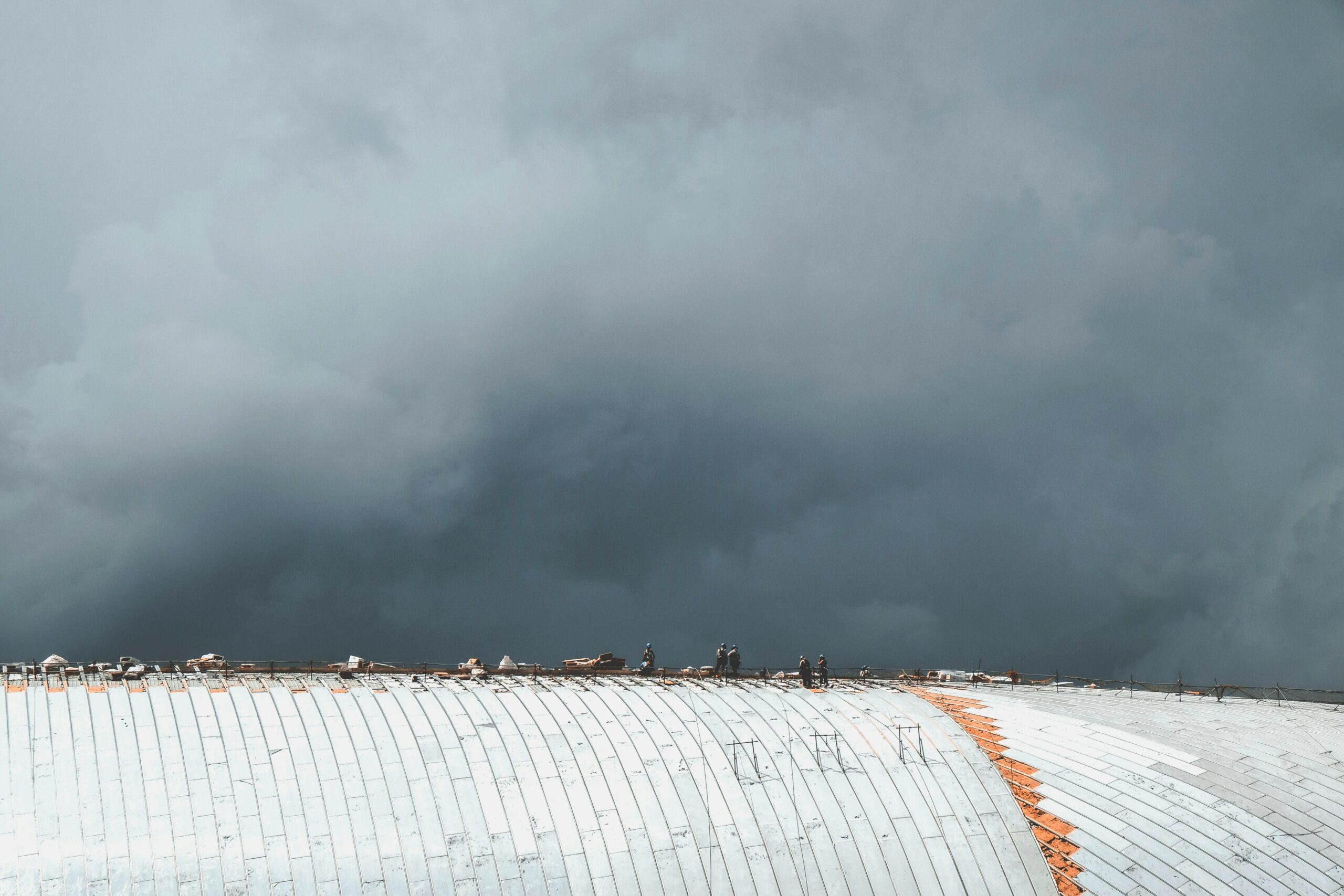
When disaster strikes, your roof serves as the first line of defense against nature’s most destructive forces. From hurricane-force winds to torrential rains, from blazing wildfires to crushing snow loads, roofing systems must withstand an increasingly diverse array of threats. The difference between a roof that survives and one that fails often determines whether a building remains habitable or becomes a total loss.
Recent decades have demonstrated that climate variability is increasing the frequency and intensity of extreme weather events. Coastal communities face stronger hurricanes, wildfire-prone regions experience longer fire seasons, and unexpected weather patterns bring unprecedented challenges to areas previously considered low-risk. This evolving landscape demands roofing solutions that can resist multiple hazards simultaneously rather than being optimized for just one threat.
The economic implications are staggering. According to insurance industry data, roof damage accounts for approximately 40% of all property insurance claims following major disasters. Buildings with resilient roofing systems not only protect occupants but also maintain structural integrity, prevent water intrusion that leads to mold and secondary damage, and enable faster recovery for communities.
🌪️ Hurricane Michael: Metal Roofing Triumphs in Panama City
When Category 5 Hurricane Michael slammed into the Florida Panhandle in October 2018 with sustained winds of 160 mph, the devastation was catastrophic. Entire neighborhoods were leveled, and conventional roofing materials failed spectacularly across thousands of structures. Yet amid the destruction, certain buildings stood remarkably intact, offering valuable lessons in resilient design.
The Mexico Beach area, which experienced the most intense winds, revealed a clear pattern: homes with standing-seam metal roofing performed significantly better than those with traditional asphalt shingles or clay tiles. One particular case study involves a residential property that sustained minimal damage while neighboring homes lost their roofs entirely.
Design Features That Made the Difference
This surviving structure incorporated several critical elements that contributed to its resilience:
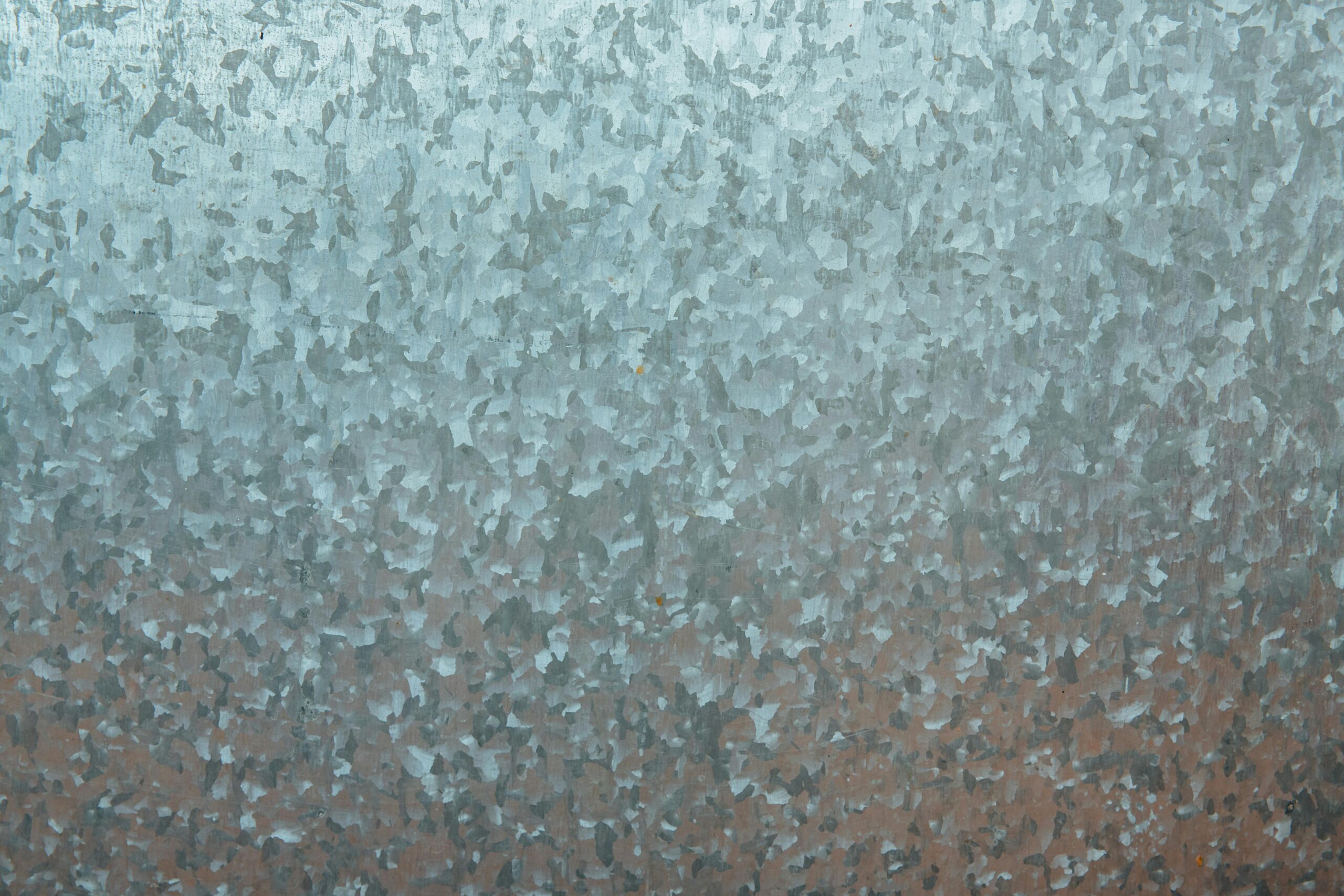
- 24-gauge galvanized steel roofing with mechanically seamed connections rather than exposed fasteners
- Reinforced attachment points with screws spaced every 12 inches along purlins
- Continuous load path from roof deck through walls to foundation
- Hurricane clips connecting roof trusses to wall plates at each connection point
- Sealed roof deck with self-adhering underlayment providing secondary water barrier
Post-storm analysis revealed that the metal panels’ interlocking seam design prevented wind from penetrating beneath the roofing material. This contrasted sharply with asphalt shingle installations, where once a single shingle lifted, progressive failure occurred rapidly. The continuous attachment system distributed wind loads across the entire structure rather than concentrating stress at individual fastener points.
The homeowner reported that while wind noise was intense during the storm, no water penetration occurred, and the roof required only minor cosmetic repairs afterward. Insurance adjusters documented this case extensively, as the home’s resilience demonstrated quantifiable benefits of investing in enhanced roofing systems for high-wind zones.
🔥 California Wildfires: Class A Ratings Save Neighborhoods
The 2018 Camp Fire that devastated Paradise, California, demonstrated the critical importance of fire-resistant roofing in wildfire-prone regions. This disaster destroyed nearly 19,000 structures, yet certain homes survived despite being surrounded by complete destruction. Investigation of these surviving structures revealed common characteristics, with roofing materials playing a decisive role.
One documented case involved a subdivision where approximately 15% of homes remained standing while others burned to the ground. The surviving homes shared a crucial feature: Class A fire-rated roofing materials, primarily concrete tiles and composition shingles meeting the highest fire resistance standards.
Understanding Fire Resistance Classifications
Fire ratings for roofing materials measure their ability to resist external fire exposure. Class A represents the highest level of fire resistance, withstanding severe fire exposure for extended periods. These materials don’t ignite easily, don’t spread flames rapidly, and don’t create flying brands that can ignite other structures.
The Paradise survivors illustrated how Class A roofing provided critical time advantages. When embers landed on these roofs, they either bounced off or failed to establish ignition. In contrast, homes with older wood shake roofs or non-rated materials quickly developed roof fires that spread into attic spaces and throughout structures.
One homeowner’s testimony described returning to find her concrete tile roof blackened but intact, with surrounding vegetation burned but the structure saved. The tiles had developed thermal shock cracks from extreme heat but maintained their protective function. She noted that her neighbor’s wood shake roof had ignited within minutes of ember exposure, resulting in total loss.
❄️ New England Ice Dams: Ventilation and Insulation Success Stories
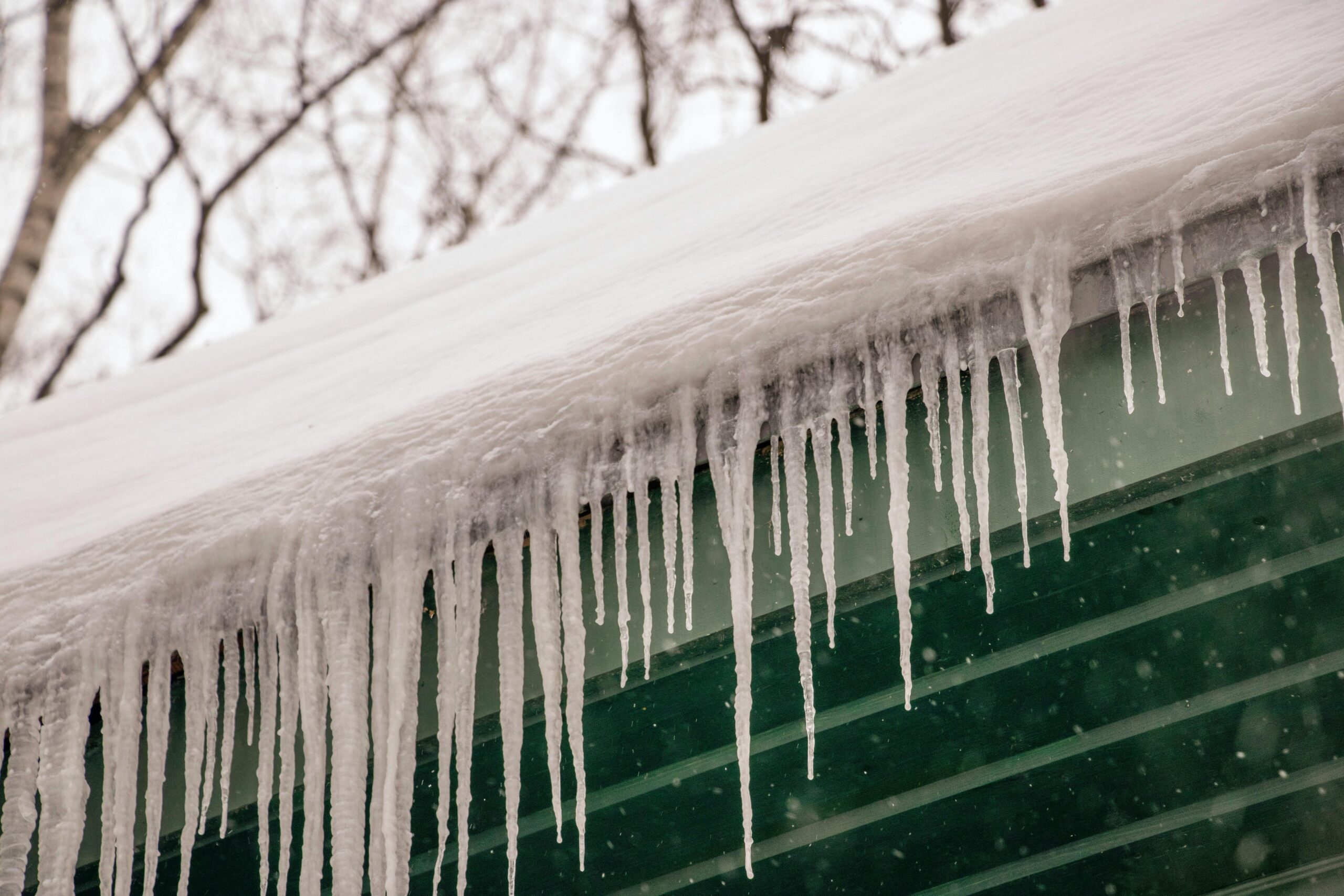
The extreme winter of 2014-2015 tested New England roofs beyond typical design parameters, with record snowfall and persistent cold creating massive ice dam problems. Ice dams form when heat escaping through roofs melts snow, which then refreezes at roof edges, creating barriers that force water under roofing materials.
A commercial building in Worcester, Massachusetts, provided an instructive case study. This warehouse, built in 2010 with enhanced insulation and ventilation systems, experienced no ice dam damage despite neighboring buildings suffering collapsed sections and extensive interior water damage.
The Engineering Behind Cold Roof Design
The successful building incorporated a “cold roof” design philosophy that minimized heat transfer to the roof surface:
- R-60 spray foam insulation applied to the underside of the roof deck
- Continuous soffit and ridge ventilation creating airflow that maintained roof surface at ambient temperature
- Ice and water shield membrane extending 6 feet from all roof edges
- Metal roofing with minimal thermal bridging
Temperature monitoring during the winter showed the roof surface remained within 2 degrees of ambient air temperature, preventing the melt-refreeze cycle that creates ice dams. Meanwhile, neighboring buildings with conventional insulation levels showed roof surface temperatures 15-20 degrees above ambient, leading to continuous melting and ice dam formation.
The facility manager reported that while snow accumulation exceeded 100 inches that winter, no interior water damage occurred, and the roof required no emergency interventions. The initial investment in enhanced insulation and ventilation paid for itself multiple times over in avoided damage and business continuity.
🌊 Coastal Flooding: Elevated and Vented Roof Systems
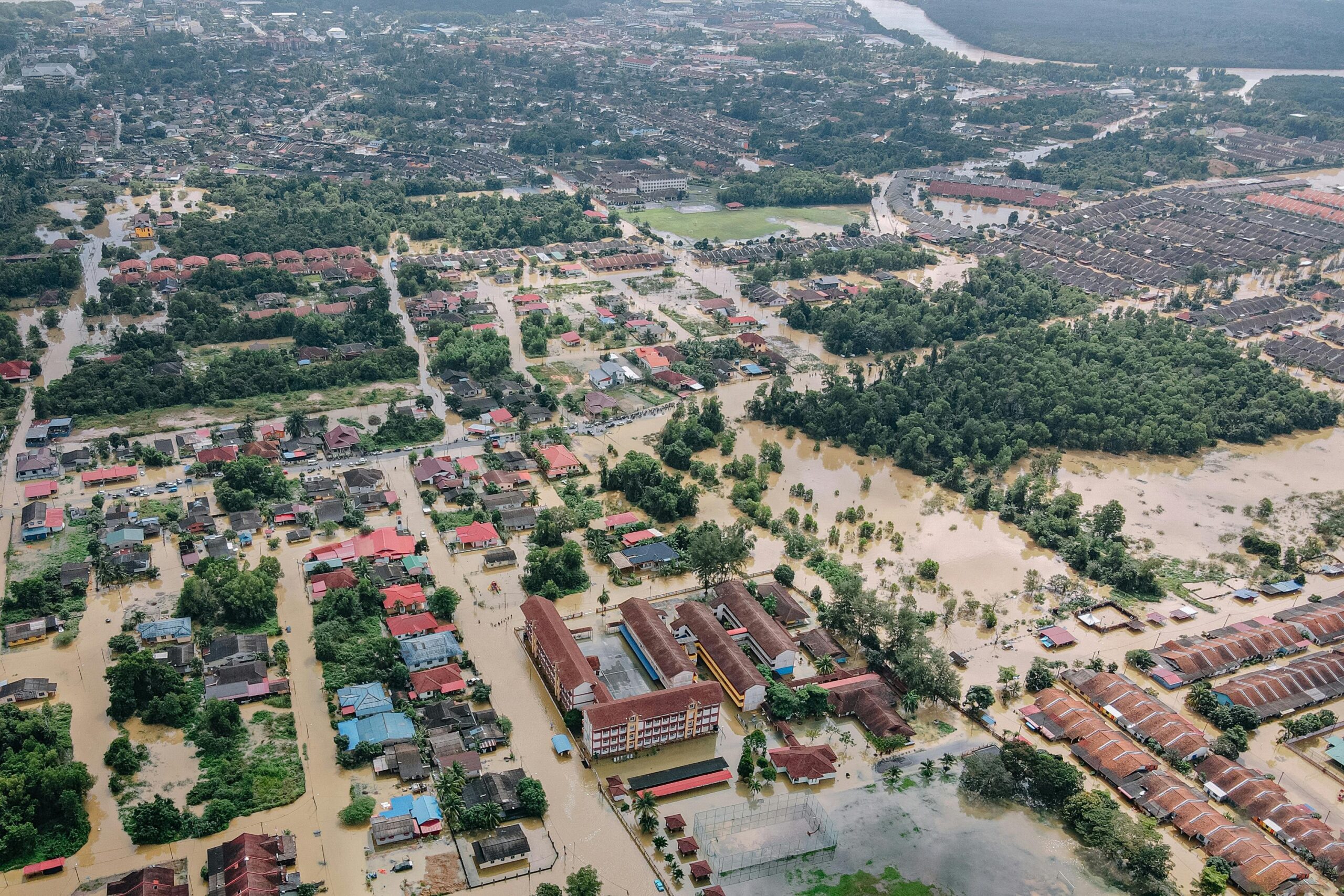
Hurricane Harvey’s 2017 assault on the Texas coast brought unprecedented rainfall, with some areas receiving over 60 inches in just a few days. The resulting flooding tested buildings in ways that traditional design hadn’t anticipated. Structures with thoughtfully designed roof systems that accommodated drainage and prevented uplift pressures performed remarkably better than conventional designs.
A residential development in Rockport demonstrated innovative approaches to combined wind and flood resilience. These homes featured elevated designs with vented roof systems that allowed floodwater to pass through rather than creating uplift pressures that could compromise structural integrity.
Multi-Hazard Design Principles
The successful development incorporated several features addressing both wind and flood hazards:
| Hazard | Design Feature | Performance Benefit |
|---|---|---|
| High Winds | Hurricane straps and clips | Prevented roof detachment up to 140 mph |
| Flooding | Elevated structure with breakaway walls | Eliminated hydrostatic pressure on foundation |
| Combined Loading | Continuous load path design | Distributed forces prevented concentrated failures |
| Water Intrusion | Multiple sealed layers | No interior water damage despite prolonged exposure |
Post-storm surveys documented that homes in this development required primarily cosmetic repairs, while surrounding conventional construction experienced structural damage requiring extensive reconstruction. The elevated design also provided psychological benefits, as residents felt safer during the storm knowing their living spaces were above anticipated flood levels.
⚡ Hail Resistance: Impact-Rated Materials Prove Their Worth
The Colorado Front Range experiences some of North America’s most severe hailstorms, with baseball-sized hail not uncommon during spring and summer months. A 2017 hailstorm in the Denver metropolitan area provided clear evidence of the value of impact-resistant roofing materials, with damage patterns showing dramatic differences based on material choices.
One neighborhood experienced a natural experiment when a severe hailstorm struck an area where approximately half the homes had recently reroofed with Class 4 impact-resistant shingles while others retained standard three-tab shingles. The performance difference was striking and quantifiable.
Measuring Impact Resistance
Impact resistance ratings test roofing materials’ ability to withstand strikes from steel balls of various sizes dropped from specific heights. Class 4, the highest rating, requires materials to withstand two strikes from a 2-inch steel ball dropped from 20 feet without cracking or tearing.
Homes with Class 4 shingles in the affected neighborhood showed minimal damage, with most experiencing no punctures and only minor cosmetic bruising. In contrast, homes with standard shingles sustained extensive damage, including numerous punctures, torn shingles, and compromised granule layers. Insurance claims data revealed that Class 4 homes averaged $1,200 in repairs, while standard shingle homes averaged $12,500, with many requiring complete roof replacement.
One homeowner noted that while his Class 4 roof sustained some visible impact marks, functionality remained intact, and he needed no immediate repairs. His neighbor with standard shingles faced emergency tarping to prevent water intrusion and a complete replacement within weeks.
🏗️ Commercial Case Study: Multi-Hazard Resilience in Action
A hospital in Miami-Dade County provides perhaps the most comprehensive case study in multi-hazard roof resilience. Designed after Hurricane Andrew’s devastation, this facility’s roofing system had to meet stringent requirements for wind resistance, water tightness, fire resistance, and operational continuity during and after disasters.
The 200,000-square-foot modified bitumen roofing system incorporated redundant protection layers and attachment methods exceeding code requirements. When Hurricane Irma struck in 2017, the hospital maintained full operations throughout the storm, with no roof damage and no water intrusion despite sustained winds exceeding 100 mph and rainfall totaling 18 inches.
Layers of Protection
The hospital roof system included multiple protective features working in concert:
- Structural concrete deck providing inherent impact and fire resistance
- Fully adhered insulation boards mechanically fastened at 50% greater density than code minimum
- Base sheet fully adhered with hot asphalt
- Two-ply modified bitumen membrane with all seams heat-welded
- White reflective coating reducing cooling loads and providing UV protection
- Enhanced perimeter detailing with additional fastening and sealed edges
Performance monitoring during Hurricane Irma revealed that the redundant attachment system prevented any membrane lifting, even at building corners where wind pressures peaked. The sealed system prevented water intrusion at all penetrations and roof edges. Post-storm inspection found the roof in essentially the same condition as before the hurricane, requiring no repairs.
The hospital administrator emphasized that roof resilience directly enabled their facility to serve as a community refuge during the disaster, sheltering evacuees and maintaining critical medical services when other facilities lost functionality due to roof damage.
🔧 Key Lessons from Resilient Roof Performance
Analysis of these case studies reveals common threads that distinguish roofs that survive multiple hazards from those that fail. While specific solutions vary by climate zone and hazard profile, certain principles apply universally to creating resilient roofing systems.
First, continuous load paths from roof surface through structure to foundation prove essential for wind resistance. Every connection point represents a potential failure mode, and reinforcing these connections distributes loads effectively. Second, redundant protection layers provide safety margins when primary systems are compromised. A single layer of protection may fail under extreme conditions, but multiple independent barriers dramatically improve survival odds.
Third, appropriate material selection for local hazards cannot be overstated. Class A fire ratings in wildfire zones, Class 4 impact resistance in hail-prone areas, and corrosion-resistant materials in coastal environments directly correlate with performance during disasters. Fourth, proper installation matters as much as material choice. Even the highest-rated materials fail when incorrectly installed, while standard materials properly installed often outperform premium materials with poor installation.
💡 Implementing Resilience in Your Roofing Project
Property owners seeking to improve roof resilience face decisions about balancing upfront costs against long-term protection. The case studies demonstrate that enhanced resilience typically adds 15-30% to initial roofing costs but can prevent losses many times greater during disasters.
Begin by assessing your local hazard profile. FEMA flood maps, wind speed zones, wildfire risk assessments, and historical weather data provide guidance on which hazards your roof must resist. Consult with engineers familiar with multi-hazard design rather than contractors focused solely on standard practice. Building codes establish minimum requirements, but truly resilient systems often exceed code significantly.
Consider life-cycle costs rather than just initial investment. A roof lasting 50 years with minimal maintenance and no disaster damage costs far less over time than a cheaper roof requiring replacement every 15-20 years. Insurance premium reductions for resilient roofing can offset some additional costs, with many insurers offering 10-30% discounts for impact-resistant materials, enhanced attachment, or secondary water barriers.
Documentation and Maintenance
Resilient roofs require proper maintenance to maintain their protective capabilities. Document your roof system thoroughly, including materials, installation methods, and design features. Regular inspections, particularly after moderate weather events, identify minor issues before they become major problems.
Create a maintenance schedule appropriate for your roofing type and local conditions. Metal roofs may need fastener inspections every few years, while membrane roofs require checking seams and penetrations. Clear debris promptly, as accumulated leaves and branches create moisture problems and additional wind-uplift surfaces.
🌍 The Future of Resilient Roofing Technology
Emerging technologies promise to further enhance roof resilience against multiple hazards. Smart sensors embedded in roofing systems now monitor structural loads, detect moisture intrusion, and alert owners to developing problems before they become critical. Advanced materials like self-healing membranes and phase-change thermal barriers offer new approaches to traditional challenges.
Climate adaptation requires thinking beyond current conditions to anticipate future hazards. Areas previously considered low-risk for certain hazards now face changing threat profiles. Flexible roofing systems that accommodate future upgrades or modifications provide adaptability as conditions evolve.
The case studies presented here demonstrate that surviving multiple hazards is not a matter of luck but of informed design choices, quality materials, proper installation, and ongoing maintenance. Property owners who invest in resilient roofing systems protect not only their buildings but also their families, businesses, and communities. As extreme weather events become more frequent and severe, the lessons learned from roofs that survived the storm become increasingly valuable for everyone making roofing decisions.
The path forward combines traditional building wisdom with modern materials science and engineering analysis. By learning from structures that performed well during disasters and understanding why others failed, we can create roofing systems that stand strong against whatever nature delivers. The investment in resilience pays dividends not just in avoided damage but in peace of mind, knowing your roof will protect what matters most when the next storm arrives.