Climate change is reshaping how we build and protect our homes, making roof resilience more critical than ever in 2025. Modern roofing innovations now combine durability with sustainability to withstand extreme weather events.

🌍 Why Climate-Resilient Roofing Matters Now More Than Ever
The roofing industry has undergone a dramatic transformation in recent years, driven by increasingly severe weather patterns, rising temperatures, and a growing awareness of environmental responsibility. Homeowners and building managers are no longer simply looking for roofs that keep out rain—they’re investing in comprehensive protection systems designed to withstand hurricanes, hailstorms, extreme heat, and even wildfires.
According to recent climate data, extreme weather events have increased by over 40% in the past decade, causing billions of dollars in property damage annually. Your roof represents the first line of defense against these challenges, making it essential to understand the latest innovations that can protect your investment while reducing environmental impact.
Traditional roofing materials like standard asphalt shingles simply weren’t designed with today’s climate challenges in mind. They deteriorate faster under intense UV exposure, crack during temperature fluctuations, and often fail catastrophically during severe storms. The good news? 2025 brings unprecedented options for homeowners ready to future-proof their properties.
🔬 Advanced Materials Revolutionizing Roof Durability
The materials science behind modern roofing has made quantum leaps forward, introducing products that would have seemed like science fiction just a decade ago. These innovations combine multiple protective properties into single systems, offering comprehensive climate resilience.
Impact-Resistant Composite Shingles
Modern composite shingles have evolved far beyond their predecessors. Today’s premium products incorporate polymer-modified materials that can withstand hailstones up to three inches in diameter—storms that would destroy conventional roofing. These shingles feature multi-layered construction with reinforced cores and UV-stabilized surfaces that maintain their integrity for 50 years or more.
Manufacturers have also addressed the aesthetic limitations of early composites. Current options convincingly replicate the appearance of slate, wood shake, and traditional tile while delivering superior performance. Many products now carry Class 4 impact ratings—the highest available—which can result in insurance premium reductions of 20-35% in many regions.
Self-Healing Roofing Membranes
One of the most fascinating developments in roofing technology is self-healing materials. These advanced membranes contain thermoplastic compounds that automatically seal punctures and small tears when exposed to heat. The material literally flows together to close gaps, preventing water infiltration before it becomes a problem.
This technology proves particularly valuable for flat and low-slope commercial applications, though residential versions are increasingly available. The membranes extend roof lifespan significantly by addressing minor damage immediately, before it can escalate into major structural problems.
Cool Roof Coatings and Reflective Technologies
Heat management has become a critical consideration as global temperatures rise. Cool roof technologies use specialized reflective coatings that can reduce surface temperatures by 50-80 degrees Fahrenheit compared to traditional dark roofing. This dramatic temperature reduction translates directly into lower cooling costs—often reducing air conditioning energy consumption by 15-40%.
The latest cool roof products go beyond simple white coatings. They incorporate infrared-reflective pigments that allow for darker colors while maintaining thermal performance. Homeowners no longer need to sacrifice curb appeal for energy efficiency, as these coatings are available in virtually any color palette.
⚡ Smart Roofing Systems and Integrated Technology
The concept of “smart homes” has expanded upward to include intelligent roofing systems that monitor their own condition and respond to environmental changes in real-time. These technologies transform roofs from passive protective barriers into active building management systems.
Integrated Solar Roofing Solutions
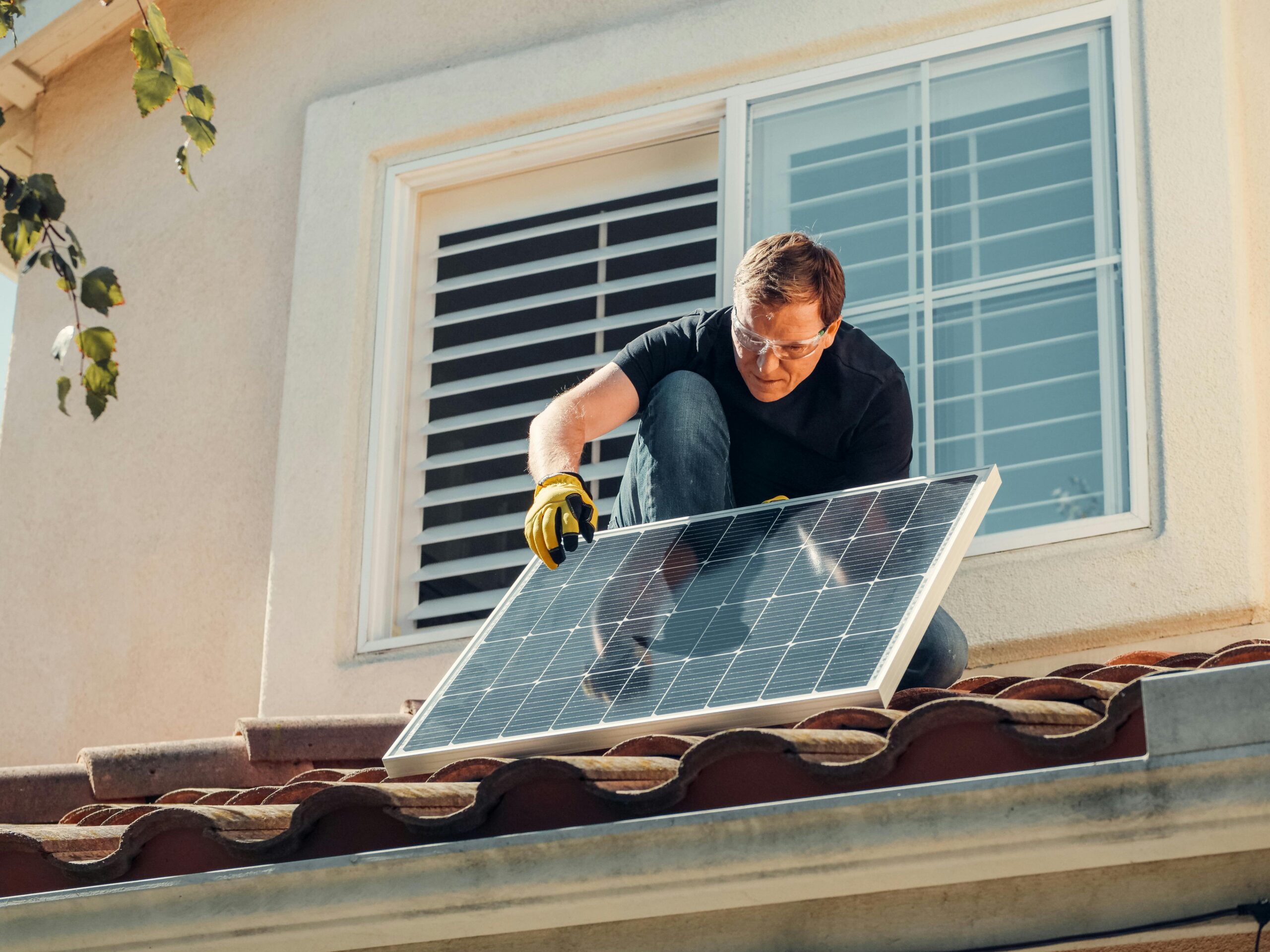
Solar technology has advanced dramatically, moving far beyond the bulky panels that once dominated the market. Modern solar roofing integrates photovoltaic cells directly into roofing materials, creating seamless installations that generate power while protecting your home. Companies have developed solar shingles that are virtually indistinguishable from traditional roofing materials.
These systems typically generate 10-20 kilowatts of power for residential installations—enough to power most homes completely during daylight hours while feeding excess energy back to the grid. The dual functionality means your roof not only protects your home but actively reduces your carbon footprint and energy costs simultaneously.
Moisture Detection and Alert Systems
Early leak detection can prevent thousands of dollars in water damage. New sensor technologies embedded within roofing systems continuously monitor for moisture intrusion, temperature anomalies, and structural stress. These sensors connect to smartphone apps that alert homeowners immediately when problems develop.
Advanced systems use machine learning algorithms to distinguish between harmless condensation and actual leaks, reducing false alarms while ensuring genuine threats receive immediate attention. Some platforms even integrate with home automation systems to automatically adjust ventilation or activate emergency protocols when problems are detected.
Weather-Responsive Ventilation
Proper ventilation has always been critical for roof longevity, but static vent systems can’t adapt to changing conditions. Smart ventilation systems now use motorized components controlled by temperature and humidity sensors to optimize airflow automatically. During heat waves, increased ventilation expels superheated air. During cold snaps, reduced airflow conserves energy while preventing ice dam formation.
🌪️ Storm-Resistant Design Innovations
As hurricanes, tornadoes, and severe thunderstorms become more frequent and intense, roofing systems must be engineered to withstand extraordinary forces. The latest innovations focus on keeping roofs attached to structures even during extreme wind events.
Enhanced Attachment Systems
Traditional roofing attachment methods often represent the weakest link during storms. Modern systems use reinforced fastening technology that creates multiple redundant attachment points. Ring-shank nails, structural adhesives, and mechanical locking systems work together to create bonds capable of resisting winds exceeding 150 mph.
Some manufacturers have developed interlocking shingle designs that connect individual components together, distributing wind loads across the entire roof surface rather than concentrating stress on individual fasteners. This distributed load approach dramatically improves overall system performance during severe weather.
Aerodynamic Profiling
Wind engineering has revealed that roof shape and surface texture significantly impact storm performance. Roofing products now incorporate aerodynamic features that reduce wind uplift forces by managing airflow patterns. Subtle contouring and textured surfaces create microscale turbulence that actually increases roof stability during high winds.
For new construction, architectural modifications like hip roof designs, appropriate overhangs, and properly angled slopes all contribute to enhanced wind resistance. Retrofit applications can add wind deflectors and edge reinforcement systems to existing structures, improving performance without complete roof replacement.
🔥 Wildfire Defense Technologies
For properties in wildfire-prone regions, ember-resistant roofing has become essential. Airborne embers can travel miles ahead of fire fronts, igniting structures long before flames arrive. Modern wildfire-resistant roofing systems address this threat through multiple protective layers.
Class A Fire-Rated Materials
Class A fire ratings represent the highest level of fire resistance, indicating that roofing materials can withstand severe fire exposure without igniting, penetration, or producing flying brands. Today’s Class A products include metal roofing, clay and concrete tile, specially treated wood shakes, and advanced composite shingles with fire-retardant additives.
These materials undergo rigorous testing that simulates actual wildfire conditions, including direct flame exposure and ember bombardment. When combined with other defensive measures like covered eaves and spark-resistant vents, Class A roofing dramatically improves structure survivability during wildfires.
Ember-Blocking Ventilation
Attic vents traditionally represent vulnerable entry points for embers. New vent designs incorporate fine mesh screens and baffled pathways that block ember entry while maintaining essential airflow. Some systems use intumescent materials that automatically seal vents when exposed to high temperatures, creating a protective barrier during fire events.
♻️ Sustainable and Eco-Friendly Roofing Options
Climate resilience and environmental responsibility go hand-in-hand in 2025. The most forward-thinking roofing solutions protect buildings while minimizing environmental impact through sustainable materials, energy efficiency, and lifecycle considerations.
Recycled and Recyclable Materials
Many premium roofing products now incorporate substantial recycled content without compromising performance. Metal roofing typically contains 25-95% recycled material and remains fully recyclable at end-of-life. Advanced composite shingles increasingly use recycled plastics, rubber, and other post-consumer materials, diverting waste from landfills while creating durable roofing products.
Beyond material composition, manufacturers are addressing end-of-life disposal through take-back programs and recycling partnerships. This circular economy approach ensures that today’s roofing materials don’t become tomorrow’s environmental problems.
Living Roof Systems
Green roofs—covered with vegetation and growing medium—represent perhaps the ultimate in climate-resilient roofing. These systems provide exceptional insulation, absorb stormwater, reduce urban heat island effects, improve air quality, and create habitat for pollinators and wildlife. Modern green roof technology has made these systems practical for residential applications, not just commercial buildings.
Extensive green roofs use shallow growing medium with hardy, low-maintenance plants like sedums that require minimal irrigation and care. Semi-intensive and intensive systems support more diverse plantings but require deeper soil and more maintenance. All versions provide superior temperature regulation, extending the lifespan of waterproofing membranes by protecting them from UV exposure and temperature extremes.
💰 Cost Considerations and Long-Term Value
Climate-resilient roofing technologies typically require higher upfront investment than conventional options, but comprehensive cost analysis reveals their true value. When evaluating roofing investments, consider total lifecycle costs rather than just initial installation expenses.
Premium impact-resistant shingles might cost 20-40% more than basic asphalt products, but they last twice as long and reduce insurance premiums annually. Solar roofing systems have substantial initial costs but generate electricity for decades, often achieving payback within 7-12 years while continuing to produce value for 25-40 years.
Energy-efficient cool roofs reduce cooling costs immediately, with savings accumulating throughout the roof’s lifespan. In hot climates, these savings can total thousands of dollars annually. Additionally, many jurisdictions offer tax credits, rebates, and other incentives for energy-efficient and sustainable roofing installations, further improving economic viability.
Insurance considerations also factor significantly into the equation. Many insurers now offer substantial discounts—sometimes 20-40%—for impact-resistant, wind-rated, and fire-resistant roofing systems. These annual savings compound over decades, often covering much of the premium installation cost.
🏗️ Installation and Maintenance Best Practices
Even the most advanced roofing materials perform poorly if improperly installed or maintained. Proper installation requires specialized knowledge and certification, particularly for high-performance systems with specific requirements.
Finding Qualified Contractors
Look for contractors with manufacturer certifications for the specific products you’re considering. These certifications ensure installers have received proper training and understand critical installation details. Many premium roofing products include extended warranties only when installed by certified contractors, making proper credentials essential.
Check contractor credentials thoroughly, including licensing, insurance, references, and complaint history with consumer protection agencies. For smart roofing systems, ensure contractors have appropriate electrical and technology integration expertise beyond traditional roofing skills.
Ongoing Maintenance Requirements
While modern roofing systems are more durable than ever, they’re not maintenance-free. Annual inspections identify minor issues before they become major problems. Clear debris from gutters and roof surfaces regularly, as accumulated materials trap moisture and accelerate deterioration.
For smart roofing systems, keep software updated and respond promptly to sensor alerts. Test monitoring systems periodically to ensure proper function. Most manufacturers recommend professional inspections every 3-5 years, with more frequent checks after severe weather events.
🔮 Looking Ahead: Emerging Technologies on the Horizon
The innovations available today represent just the beginning of roofing technology evolution. Researchers are developing even more advanced solutions that will become commercially available in coming years.
Photocatalytic coatings that actively clean themselves and purify surrounding air show tremendous promise. These coatings use sunlight to break down pollutants and organic materials, maintaining roof cleanliness while improving local air quality. Nanomaterial-enhanced products will offer even greater strength and durability at reduced weight and thickness.
Energy storage integration represents another frontier, with companies developing roofing systems that not only generate solar power but store it in integrated battery systems. This eliminates the need for separate battery installations while improving overall system efficiency.
Advanced manufacturing techniques like 3D printing may eventually enable custom-fabricated roofing components optimized for specific buildings and climates. Artificial intelligence could analyze local weather patterns, building characteristics, and usage requirements to design perfectly optimized roofing systems for each individual property.
🎯 Making the Right Choice for Your Property
Selecting appropriate climate-resilient roofing requires careful consideration of your specific circumstances, including local climate challenges, building characteristics, budget constraints, and long-term goals. Start by identifying your primary concerns—whether extreme heat, severe storms, wildfire risk, or energy costs—and prioritize solutions addressing those specific challenges.
Consult with multiple qualified contractors to explore options and gather detailed proposals. Don’t automatically choose the lowest bid; consider contractor expertise, product quality, warranty coverage, and total lifecycle value. Many premium roofing systems include warranties covering 30-50 years or even lifetime guarantees, providing long-term peace of mind that justifies higher initial investment.
Consider the broader context of whole-house efficiency and resilience. Your roof works in concert with insulation, ventilation, windows, and other building systems. Sometimes, comprehensive upgrades deliver better overall performance and value than isolated improvements.
Finally, think beyond your own immediate needs. Climate-resilient roofing contributes to broader community resilience by reducing storm damage, lowering energy demand during heat waves, and minimizing environmental impact. Your roofing choices ripple outward, contributing to more sustainable and resilient built environments for everyone.
The roofing technologies available in 2025 represent unprecedented opportunities to protect your property while advancing environmental sustainability. By understanding these innovations and making informed choices, you can future-proof your roof against whatever climate challenges the coming decades may bring. The investment you make today in advanced roofing technology will pay dividends in comfort, safety, reduced costs, and peace of mind for years to come.