Ice dams represent one of the most destructive yet preventable roofing problems facing homeowners in cold climates, causing thousands of dollars in damage annually.

When winter arrives with its picturesque snowfall, few homeowners consider the potential disaster forming on their roofs. Ice dams develop silently, gradually building up until they force water beneath shingles, leading to interior damage, mold growth, and structural deterioration. Understanding how intelligent roofing design prevents these costly formations is essential for protecting your home investment and avoiding emergency repairs during freezing temperatures.
The financial impact of ice dam damage extends far beyond simple roof repairs. Homeowners face expenses for interior ceiling and wall restoration, insulation replacement, mold remediation, and sometimes even structural repairs. Insurance claims related to ice dam damage have increased significantly over recent years, with average claims ranging from $5,000 to $20,000 depending on severity and extent of water infiltration.
❄️ The Science Behind Ice Dam Formation
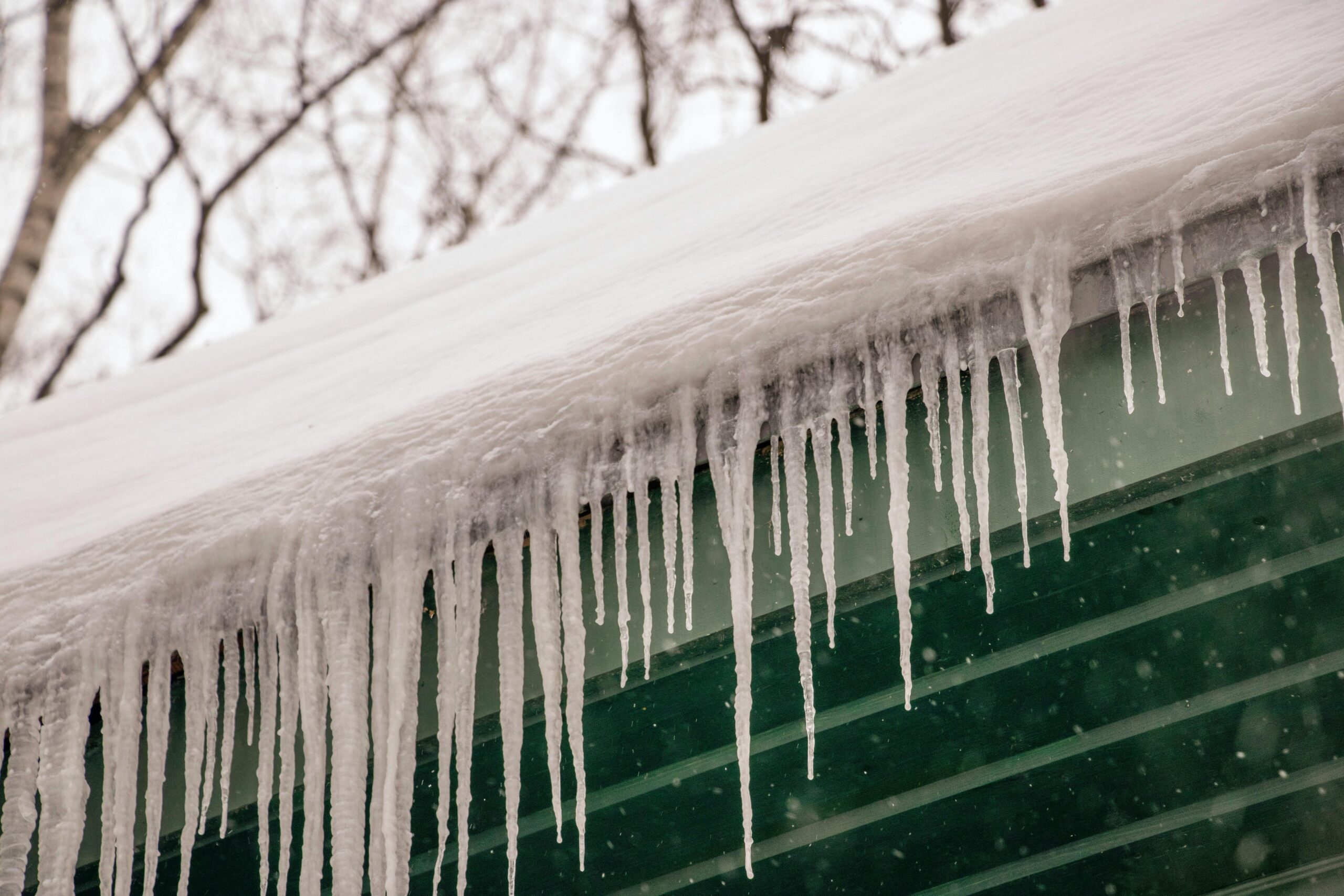
Ice dams form through a predictable cycle driven by temperature differentials across your roof surface. When heated air from your home escapes through the roof, it warms the upper sections, melting snow despite freezing outdoor temperatures. This meltwater flows downward until it reaches the colder eaves, where it refreezes and gradually builds a dam of ice.
The process accelerates as the ice ridge grows larger. Subsequent meltwater becomes trapped behind this barrier, pooling on the roof surface. Since roofing materials are designed to shed water moving downward—not standing water—this pooled moisture eventually finds its way beneath shingles, through seams, and into your home’s structure.
Temperature variations create the perfect conditions for ice dams. The roof deck temperature above heated living spaces might reach 35-40°F while outdoor temperatures hover at 20°F or below. This 15-20 degree differential provides exactly the conditions needed for the melt-and-refreeze cycle that characterizes ice dam development.
🏗️ Attic Insulation: Your First Line of Defense
Proper attic insulation serves as the foundation of ice dam prevention by maintaining consistent roof temperatures. When insulation values meet or exceed recommended R-values for your climate zone, less heat escapes through the roof deck, reducing the temperature differential that causes melting.
The U.S. Department of Energy recommends R-values between R-38 and R-60 for attics in cold climates, depending on specific regional conditions. These insulation levels create a thermal barrier that keeps heated air inside your living spaces rather than allowing it to warm the roof deck above.
Distribution matters as much as depth when installing attic insulation. Gaps, compressions, or thin spots create thermal weak points where heat escapes preferentially. These areas become hot spots on your roof surface, creating localized melting patterns that contribute to ice dam formation even when surrounding areas remain properly insulated.
Common Insulation Mistakes That Invite Ice Dams
Many homes suffer from insulation installation errors that compromise ice dam protection. Compressed insulation around recessed lighting fixtures loses effectiveness, creating heat escape routes. Missing insulation at joist ends near eaves, inadequate coverage around chimneys and plumbing vents, and gaps where walls meet the attic floor all contribute to problematic heat loss patterns.
Attic access hatches frequently lack proper insulation and weather-stripping, functioning as significant heat leak sources. A poorly sealed attic hatch can waste as much energy as leaving a window open during winter, creating warm air circulation that directly contributes to ice dam conditions on the roof above.
💨 Ventilation Strategies That Keep Roofs Cold
Ventilation works in concert with insulation to maintain safe roof temperatures. A properly ventilated attic allows cold outdoor air to circulate beneath the roof deck, carrying away any heat that escapes through insulation and maintaining uniform roof temperatures that prevent differential melting.
The balanced ventilation approach combines intake vents at soffits with exhaust vents at or near the ridge. This configuration creates natural convective airflow that continuously refreshes attic air with cold outdoor air. Building codes typically require one square foot of net free ventilation area for every 150 square feet of attic floor space, though this ratio can be reduced to 1:300 when ventilation is properly balanced between intake and exhaust.
Ridge vents paired with soffit vents create the most effective ventilation system for ice dam prevention. This combination establishes airflow along the entire underside of the roof deck, preventing hot spots and maintaining consistent temperatures from ridge to eave. Box vents, turbine vents, and gable vents can supplement but rarely match the effectiveness of continuous ridge and soffit ventilation.
Addressing Ventilation Obstacles
Insulation blocking soffit vents represents one of the most common ventilation problems discovered during energy audits. When insulation is blown or placed too densely near eaves, it can completely seal off soffit intake vents, eliminating the foundation of your ventilation system. Installing proper baffles or rafter vents maintains airflow channels even with deep insulation.
Cathedral ceilings and complex roof geometries present special ventilation challenges. These designs often lack traditional attic spaces, requiring creative solutions like specialized ventilation channels built into the roof assembly itself. Foam insulation systems with adequate ventilation gaps and proper air sealing can address these difficult configurations while maintaining ice dam resistance.
🔧 Architectural Design Elements That Combat Ice Dams
Smart roofing design incorporates features specifically engineered to resist ice dam formation and minimize damage when dams do occur. These design elements work together with insulation and ventilation to create comprehensive protection against winter roof problems.
Roof pitch significantly influences ice dam susceptibility. Steeper roofs shed snow more readily, reducing accumulation that can melt and refreeze. Slopes of 6:12 or greater provide better natural protection than shallow pitches, though proper insulation and ventilation remain essential regardless of pitch.
Eave design affects both ice dam formation and the severity of resulting damage. Extended eaves position the vulnerable cold zones where ice forms further from exterior walls, reducing the likelihood that leaking water will reach interior spaces. However, extended eaves must maintain proper soffit ventilation to function effectively.
Ice Belt Protection Systems
Ice and water shield membranes installed beneath shingles at eaves provide critical backup protection. These self-adhering waterproof membranes create a watertight barrier that prevents water infiltration even when ice dams form and water backs up beneath shingles. Building codes in cold climates typically require these membranes extending at least 24 inches beyond interior wall lines.
In severe ice dam regions, designers often specify ice belt protection extending three to six feet up the roof slope from eaves, or even covering the entire roof deck. This aggressive approach ensures waterproof protection across all areas where ice dams might cause water backup, providing insurance against the unpredictable nature of winter weather patterns.
🌡️ Heat Management: Keeping Warmth Where It Belongs
Beyond insulation and ventilation, comprehensive air sealing prevents heated air from reaching attic spaces where it can warm roof decks. Air leakage through ceiling penetrations often contributes more to ice dam formation than inadequate insulation values, making air sealing a critical component of smart roof design.
Common air leakage points include recessed lighting fixtures, ceiling-mounted fans, plumbing vent stacks, chimneys, and wall top plates. Furnace flues and bathroom exhaust fans represent particularly problematic leak sources because they carry warm, moist air that readily escapes into attic spaces if not properly sealed and ducted.
Professional air sealing focuses on the attic floor—the boundary between conditioned and unconditioned spaces. Spray foam, caulk, and specialized gaskets seal penetrations and gaps, creating an airtight envelope that keeps heated air in living spaces. This approach proves more effective for ice dam prevention than simply adding more insulation without addressing air leakage.
HVAC Considerations for Ice Dam Prevention
Heating system location and ductwork routing significantly impact ice dam risk. Furnaces and ducts located in attic spaces leak heat directly into the area above your roof, creating exactly the conditions that cause ice dams. Ideally, all HVAC equipment and ductwork should be located within conditioned spaces or heavily insulated and sealed when attic placement is unavoidable.
Bathroom and kitchen exhaust fans must vent directly to building exteriors through dedicated ducts, never terminating in attic spaces. Moisture-laden warm air exhausted into attics contributes to both ice dam formation and condensation problems that can damage roof structures even without ice dam development.
⚡ Heat Cable Systems: Strategic Supplemental Protection
Self-regulating heat cables installed along roof edges and in valleys provide supplemental ice dam protection in vulnerable areas. These electrical heating systems maintain open channels for meltwater drainage, preventing ice dam formation even when other prevention measures prove insufficient during extreme weather.
Heat cable systems work most effectively when installed strategically rather than extensively. Focusing cables on problem areas—complex valleys, north-facing sections, areas above unheated spaces—provides targeted protection without excessive energy consumption. Cables installed in zigzag patterns along eaves typically extend 18-36 inches up the roof slope, maintaining ice-free zones in critical drainage areas.
Modern self-regulating heat cables adjust their output based on temperature and moisture conditions, consuming power only when needed for ice prevention. This smart technology significantly reduces operating costs compared to constant-wattage cables while providing reliable protection during ice dam conditions.
Strategic Placement for Maximum Effectiveness
Proper heat cable installation includes cables in gutters and downspouts, ensuring that drainage systems remain functional throughout winter. Ice-blocked gutters and downspouts contribute to water backup on roof surfaces, exacerbating ice dam problems even when roof edges remain relatively clear.
Valley installations deserve special attention since these roof convergence areas concentrate water flow and ice accumulation. Heat cables running the full length of valleys prevent ice jams that can cause extensive backup and leakage, protecting some of the most vulnerable areas of roof geometry.
🔍 Identifying Your Ice Dam Risk Factors
Different homes face varying ice dam risks based on multiple factors including geographic location, architectural style, insulation quality, and site-specific conditions. Understanding your property’s particular risk profile allows targeted prevention investments that address your most significant vulnerabilities.
Homes in snow belt regions with sustained cold temperatures and moderate to heavy snowfall face the highest ice dam risks. Temperature patterns that create frequent freeze-thaw cycles particularly favor ice dam development, as do weather patterns with heavy snowfall followed by sunny days that create melting conditions.
Complex roof geometries with multiple valleys, dormers, and intersecting planes create numerous locations where ice dams can form. These architectural features may provide aesthetic appeal but introduce functional challenges for winter performance. Homes with these features require especially diligent attention to insulation, ventilation, and drainage design.
Warning Signs of Ice Dam Vulnerability
Several indicators suggest elevated ice dam risk requiring preventive attention. Icicles forming along eaves signal that melting is occurring on upper roof sections—the first stage of ice dam development. While small icicles don’t necessarily indicate serious problems, extensive ice formations suggest significant heat loss warming your roof surface.
Ice accumulation in gutters and along roof edges visible from the ground indicates that conditions are right for ice dam formation. Uneven snow melting patterns on your roof—clear zones above heated spaces contrasting with snow-covered areas above unheated spaces—demonstrate the temperature differentials that drive ice dam cycles.
Interior warning signs include water stains on ceilings or exterior walls, ice forming on interior windows in upper-floor rooms, and unusually high heating bills. These symptoms often indicate air leakage and insulation problems that create ideal conditions for ice dam development on the roof above.
💰 Cost-Benefit Analysis of Prevention Versus Repair
Investing in ice dam prevention through improved insulation, ventilation, and architectural features costs significantly less than repairing ice dam damage. A comprehensive ice dam prevention retrofit including insulation upgrades, ventilation improvements, and ice belt installation typically costs $3,000-$8,000 depending on home size and existing conditions.
In contrast, ice dam damage repair frequently exceeds $10,000 when interior water damage, insulation replacement, and mold remediation are required. Structural repairs for severe cases can push total costs significantly higher, while the inconvenience and displacement during repairs adds additional non-monetary costs to homeowners.
Energy savings from improved insulation and air sealing provide ongoing returns beyond ice dam prevention. Homes with properly insulated and ventilated attics typically reduce heating costs by 10-20%, creating annual savings that partially offset prevention investment costs while simultaneously reducing ice dam risk.
🛠️ Maintenance Practices That Support Resilient Design
Even well-designed roofing systems require regular maintenance to maintain ice dam resistance over time. Insulation can settle or become displaced, ventilation pathways can become blocked, and air sealing can degrade, gradually increasing ice dam vulnerability as homes age.
Annual attic inspections before winter assess insulation coverage, ventilation function, and air sealing integrity. These inspections identify problems before they cause ice dams, allowing cost-effective repairs rather than emergency interventions during winter weather. Professional energy audits using thermal imaging can reveal hidden heat loss patterns invisible to standard visual inspections.
Gutter cleaning before winter prevents ice-blocked drainage that exacerbates ice dam problems. Clean gutters drain meltwater efficiently during brief warming periods, reducing water backup on roof surfaces. Installing gutter guards can reduce maintenance requirements while maintaining drainage capacity throughout winter months.
Snow Removal: When Intervention Becomes Necessary
Removing snow from roof surfaces eliminates the source material for ice dam formation, providing effective intervention when weather conditions create elevated risk. Roof rakes allow homeowners to safely remove snow from eaves while standing on the ground, clearing the critical areas where ice dams form.
Professional snow removal services use steam equipment to cut channels through existing ice dams, creating drainage pathways that relieve water backup before it causes interior damage. This emergency intervention can prevent catastrophic damage when ice dams have already formed, though prevention remains far preferable to intervention.
🌟 Future-Proofing Your Roof Against Extreme Weather
Climate patterns are shifting, with some regions experiencing more intense winter precipitation and more frequent freeze-thaw cycles—conditions that favor ice dam formation. Designing roofing systems with resilience against increasingly variable weather patterns protects home value and livability in an uncertain climate future.
Building codes continue evolving to address ice dam risks more comprehensively. Recent code updates in cold climate regions have increased minimum insulation requirements, specified stricter air sealing standards, and mandated more extensive ice belt protection. Homes built or renovated to exceed current code requirements enjoy greater resilience against both current and future ice dam risks.
Smart home technology offers emerging solutions for ice dam monitoring and prevention. Temperature sensors placed strategically on roof surfaces can alert homeowners to conditions favoring ice dam formation, while automated heat cable systems activate only when needed. These technologies provide efficient, responsive ice dam protection as part of comprehensive home automation systems.
The integration of smart roofing design prevents ice dams through multiple complementary strategies working together. No single element provides complete protection, but comprehensive approaches addressing insulation, ventilation, architectural features, and maintenance create robust resilience against this costly winter roofing problem. Homeowners who invest in prevention enjoy peace of mind during winter storms, avoiding emergency repairs and protecting their property value for decades to come. The upfront investment in intelligent design and quality materials pays dividends through eliminated damage, reduced energy costs, and enhanced home comfort throughout even the harshest winter conditions. 🏠