Climate change is reshaping how we think about our homes, and your roof stands as the first line of defense against increasingly extreme weather patterns.

🏠 Why Your Roof Matters More Than Ever
The roof above your head does more than just keep rain out. In today’s climate reality, roofs face unprecedented challenges from intense heat waves, severe storms, heavy precipitation, and wildfire threats. According to recent climate studies, extreme weather events have increased by 40% over the past two decades, placing enormous stress on residential and commercial roofing systems that weren’t designed for these conditions.
Traditional roofing materials and designs often fail to address modern climate challenges. Standard asphalt shingles deteriorate faster under intense UV radiation, wooden structures become vulnerable to moisture extremes, and inadequate insulation creates energy inefficiency that strains both your budget and the environment. The good news? Retrofit solutions offer a practical path forward without requiring complete roof replacement.
Retrofitting your existing roof means strategically upgrading components to enhance performance, durability, and climate resilience. This approach saves money compared to full replacement while delivering significant improvements in weather resistance, energy efficiency, and long-term sustainability. Whether you’re facing scorching summers, severe storms, or unpredictable weather patterns, the right retrofit strategy can transform your vulnerable roof into a climate-resilient shield.
Understanding Climate Threats to Your Roof 🌪️
Before diving into solutions, it’s essential to understand the specific climate threats affecting roofs in different regions. Climate change doesn’t impact all areas equally, and your retrofit strategy should address the particular challenges your location faces.
Heat and UV Radiation Damage
Extended heat waves and intense solar radiation cause premature aging of roofing materials. Asphalt shingles become brittle and crack, adhesives fail, and dark-colored roofs can reach surface temperatures exceeding 150°F. This heat radiates into your home, dramatically increasing cooling costs and creating uncomfortable living conditions. Urban heat island effects compound these problems in densely populated areas.
Storm and Wind Vulnerability
Severe weather events bring powerful winds that can lift shingles, tear flashing, and even remove entire roof sections. Heavy rainfall overwhelms inadequate drainage systems, leading to ponding water that seeps through vulnerable seams. Hail storms pummel roofing materials, creating cracks and punctures that allow moisture infiltration and subsequent structural damage.
Moisture and Temperature Extremes
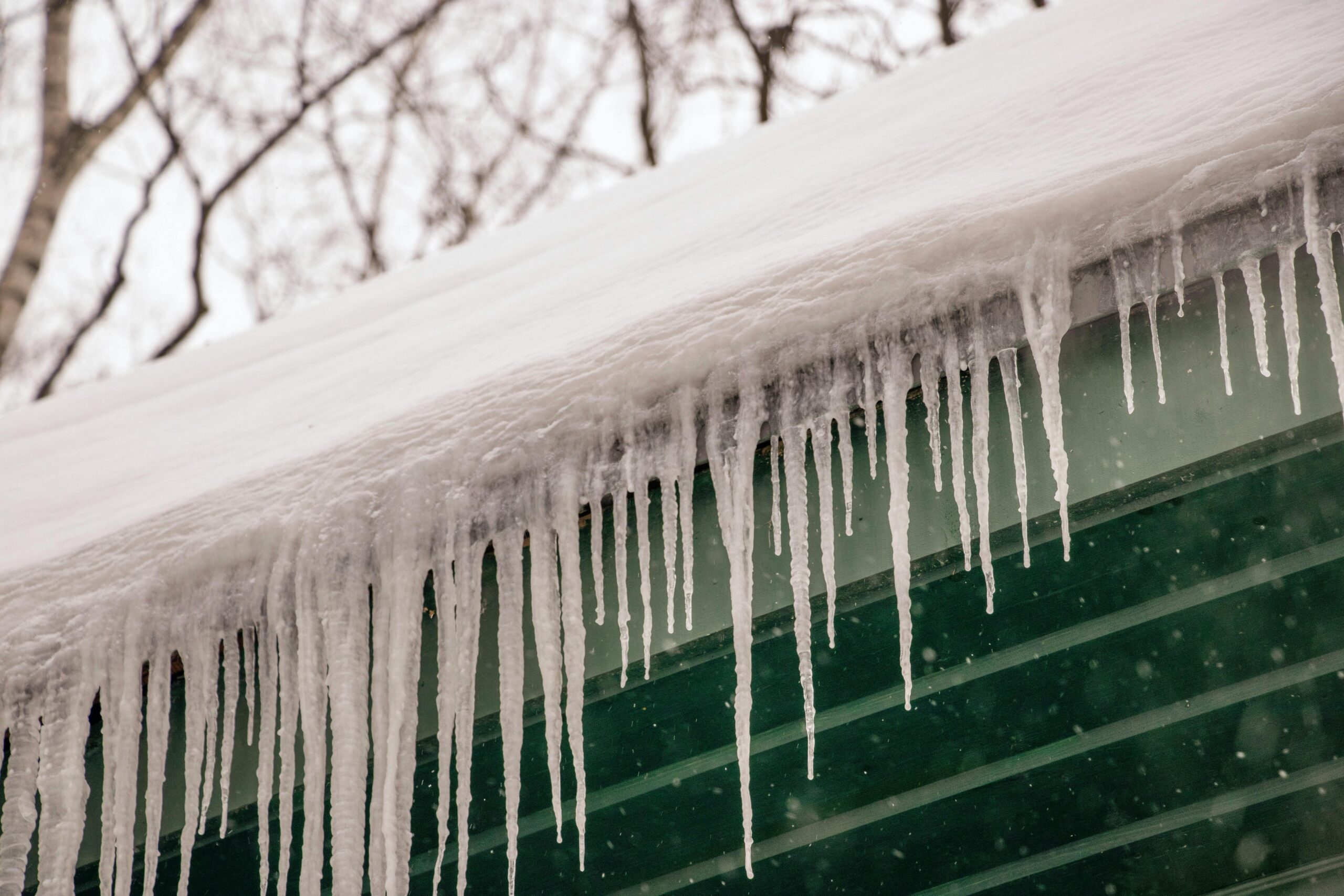
Freeze-thaw cycles in temperate regions cause ice damming, where melting snow refreezes at roof edges, forcing water under shingles. Conversely, excessive moisture from heavy precipitation or high humidity creates conditions for mold growth, wood rot, and structural deterioration. These moisture issues often go unnoticed until significant damage has occurred.
Cool Roof Technology: Fighting Heat with Reflection ☀️
Cool roof retrofits represent one of the most effective strategies for combating heat-related challenges. These solutions work by increasing solar reflectance and thermal emittance, keeping your roof and building cooler even during peak summer temperatures.
Cool roof coatings can be applied directly over existing roofing materials, creating a reflective surface that bounces solar radiation back into the atmosphere rather than absorbing it as heat. White or light-colored elastomeric coatings can reduce roof surface temperatures by 50-60°F compared to traditional dark roofs. This temperature reduction translates into lower indoor temperatures, reduced air conditioning loads, and significant energy savings.
The benefits extend beyond energy efficiency. Cooler roofs last longer because materials aren’t subjected to extreme thermal stress. Studies show that buildings with cool roofs experience 10-30% reduction in cooling energy costs, with payback periods often under five years. Additionally, cool roofs contribute to mitigating urban heat islands, improving air quality, and reducing grid strain during peak demand periods.
Types of Cool Roof Retrofit Solutions
Several cool roof options suit different roof types and budgets. Reflective coatings work well on flat or low-slope roofs, offering easy application and good performance. Cool-colored shingles and tiles provide aesthetic options for sloped residential roofs while maintaining high solar reflectance. Single-ply membranes like TPO or PVC deliver excellent reflectivity and waterproofing for commercial applications.
Enhanced Insulation: The Hidden Climate Solution 🔥
While often overlooked, upgrading roof insulation dramatically improves climate resilience and energy performance. Proper insulation acts as a thermal barrier, keeping heat out during summer and retaining warmth during winter. Many existing buildings have inadequate or degraded insulation that fails to meet modern efficiency standards.
Retrofit insulation can be added above the roof deck, below it, or both, depending on your roof structure and access. Rigid foam boards, spray foam insulation, and reflective insulation systems each offer distinct advantages. Higher R-values provide greater thermal resistance, reducing heat transfer through the roof assembly.
The climate benefits of enhanced insulation extend beyond comfort and energy savings. Better-insulated roofs reduce HVAC system strain, extending equipment life and lowering maintenance costs. They also minimize temperature fluctuations that cause material expansion and contraction, reducing structural stress and extending roof lifespan. In cold climates, proper insulation prevents ice dams by maintaining consistent roof surface temperatures.
Strengthening Against Wind and Storm Damage 💨
Climate change has intensified storm systems, making wind resistance a critical consideration for roof retrofits. Fortunately, several strategies can significantly improve your roof’s ability to withstand high winds and severe weather.
Roof-to-wall connections represent the most vulnerable point during windstorms. Hurricane straps and clips can be retrofitted to create stronger connections between the roof structure and walls. These relatively inexpensive metal connectors dramatically increase wind resistance, potentially preventing catastrophic roof loss during severe storms.
Shingle and tile attachment upgrades provide another effective retrofit strategy. Many older roofs use minimal fasteners or adhesives that fail under wind pressure. Adding supplementary fasteners, applying roofing adhesive strips, or installing edge metal reinforcement significantly improves wind resistance. These upgrades are particularly valuable in coastal regions or tornado-prone areas.
Impact-Resistant Materials
Hail damage causes billions in roof repairs annually, and climate models predict increasing frequency of severe hail events. Impact-resistant shingles carry Class 4 ratings, meaning they withstand impacts from 2-inch steel balls dropped from 20 feet without cracking. Retrofitting to impact-resistant materials protects your roof investment and may qualify you for insurance premium discounts.
Water Management: Controlling the Flow 💧
Effective water management becomes increasingly critical as precipitation patterns shift toward more intense rainfall events. Even if annual rainfall remains constant, delivery through fewer, more severe storms creates drainage challenges that older roof systems can’t handle.
Upgrading gutters and downspouts ensures adequate water removal capacity. Climate-resilient drainage systems feature larger gutters, additional downspouts, and proper slope to prevent overflow during heavy rainfall. Installing gutter guards prevents debris accumulation that can cause blockages and overflow.
For flat or low-slope roofs, adding secondary drainage systems provides crucial backup during extreme precipitation. Scuppers, overflow drains, and emergency drainage pathways prevent dangerous water accumulation that could cause structural collapse. These relatively simple retrofits offer insurance against worst-case scenarios.
Waterproofing Membrane Upgrades
The waterproofing layer forms your roof’s primary defense against moisture intrusion. Over time, membranes degrade, develop cracks, and lose effectiveness. Retrofitting with modern waterproofing systems—including liquid-applied membranes, self-adhering sheets, or spray polyurethane foam—creates robust moisture barriers that resist extreme weather conditions.
Green Roof Retrofits: Nature-Based Resilience 🌱
Green roofs represent an innovative retrofit approach that harnesses nature to improve climate resilience. These living systems combine vegetation, growing medium, drainage layers, and waterproofing to create multifunctional roof surfaces.
The climate benefits of green roofs are substantial. Vegetation absorbs solar radiation and releases moisture through evapotranspiration, naturally cooling the roof surface and surrounding air. This biological air conditioning reduces cooling loads by 30-50% compared to conventional roofs. Green roofs also manage stormwater by absorbing rainfall and releasing it gradually, reducing runoff and preventing drainage system overload.
Beyond climate resilience, green roofs provide habitat for pollinators, improve air quality, reduce noise pollution, and create attractive outdoor spaces. While more complex and expensive than other retrofits, green roofs deliver exceptional long-term value in urban environments facing multiple climate challenges.
Solar Integration: Turning Climate Challenges into Opportunities ⚡
Solar panel retrofits transform your roof from passive protection into active energy generation. This approach addresses climate resilience from multiple angles—reducing fossil fuel dependency, lowering energy costs, and providing potential backup power during grid outages.
Modern solar mounting systems work with various roof types and can be integrated with cool roof technologies for maximum benefit. The combination of reflective roofing and solar panels optimizes both energy generation and thermal performance. Solar panels also provide physical protection to the roof surface beneath, extending membrane or shingle life.
Financial incentives including tax credits, rebates, and net metering programs often make solar retrofits economically attractive. As utility rates increase and solar technology costs decline, payback periods continue to shrink. Battery storage additions enable energy independence and resilience during power outages increasingly common with climate-driven extreme weather.
Selecting the Right Retrofit Strategy for Your Situation 🎯
Choosing appropriate retrofit solutions requires assessing your specific climate risks, building characteristics, budget, and priorities. A comprehensive roof evaluation by qualified professionals identifies vulnerabilities and opportunities unique to your situation.
Climate zone significantly influences retrofit priorities. Hot, arid regions benefit most from cool roof technologies and enhanced insulation. Hurricane-prone coastal areas should prioritize wind resistance and water management. Cold climates with heavy snow require structural reinforcement and insulation improvements. Fire-prone regions need flame-resistant materials and ember-resistant details.
Budget considerations don’t have to delay action. Many retrofits can be implemented in phases, starting with highest-priority improvements and adding others over time. Some solutions like reflective coatings offer quick payback through energy savings, essentially funding themselves. Others like structural reinforcement provide insurance against catastrophic loss that makes financial sense despite longer payback periods.
Professional Assessment and Planning
Working with experienced roofing contractors, engineers, or energy auditors ensures your retrofit strategy addresses actual needs rather than perceived problems. Professional assessments identify hidden damage, evaluate structural capacity for additional loads, and ensure compliance with building codes. These experts can also guide you through available incentives and financing options that improve project economics.
Implementation Considerations and Best Practices ⚙️
Successful roof retrofits require careful planning, quality materials, and skilled installation. Cutting corners during implementation undermines the climate resilience you’re investing to achieve.
Timing matters significantly. Schedule retrofits during favorable weather to ensure proper installation conditions. Many roofing materials require specific temperature ranges for optimal adhesion and curing. Avoid late fall in cold climates or peak summer in hot regions when possible.
Quality materials deliver better long-term performance than budget alternatives. Specify products with proven track records, appropriate certifications, and strong warranties. Energy Star ratings, Cool Roof Rating Council certifications, and impact resistance classifications help identify quality products suited to your climate challenges.
Documentation provides valuable records for insurance, future maintenance, and eventual property sale. Photograph the process, retain all receipts and warranties, and maintain a file with product specifications and installation details. This documentation proves valuable if insurance claims arise or when demonstrating property improvements.
Long-Term Maintenance for Sustained Resilience 🔧
Even the best retrofit solutions require ongoing maintenance to deliver lasting climate resilience. Establishing regular inspection and maintenance schedules protects your investment and ensures continued performance.
Annual professional inspections identify emerging problems before they become serious. Trained eyes spot subtle signs of deterioration, loose fasteners, damaged flashing, or drainage issues that homeowners might miss. Fall inspections before winter storms and spring checkups after harsh weather make particular sense.
Basic maintenance tasks preserve retrofit performance. Keep gutters clear, trim overhanging branches, remove debris accumulation, and address minor repairs promptly. These simple actions prevent small problems from escalating into expensive failures.
Your Path Forward: Taking Action Today 🚀
Climate change won’t wait for perfect timing or unlimited budgets. The sooner you upgrade your roof’s resilience, the better protected you’ll be against increasingly severe weather and the more you’ll benefit from energy savings and improved comfort.
Start by assessing your current roof condition and identifying climate vulnerabilities specific to your location. Research local contractors specializing in retrofit solutions and request multiple quotes for comparison. Explore available incentives through utility companies, government programs, and tax credits that can offset costs.
Prioritize retrofits based on your most pressing climate risks and available budget. Even modest improvements deliver meaningful benefits, and phased implementation spreads costs over time while providing immediate protection from your first upgrade.
Your roof represents one of your property’s most important assets and your primary defense against climate extremes. Investing in retrofit solutions today protects your family, preserves your property value, reduces environmental impact, and provides peace of mind knowing you’ve prepared for whatever weather comes your way. The climate is changing—make sure your roof changes with it.