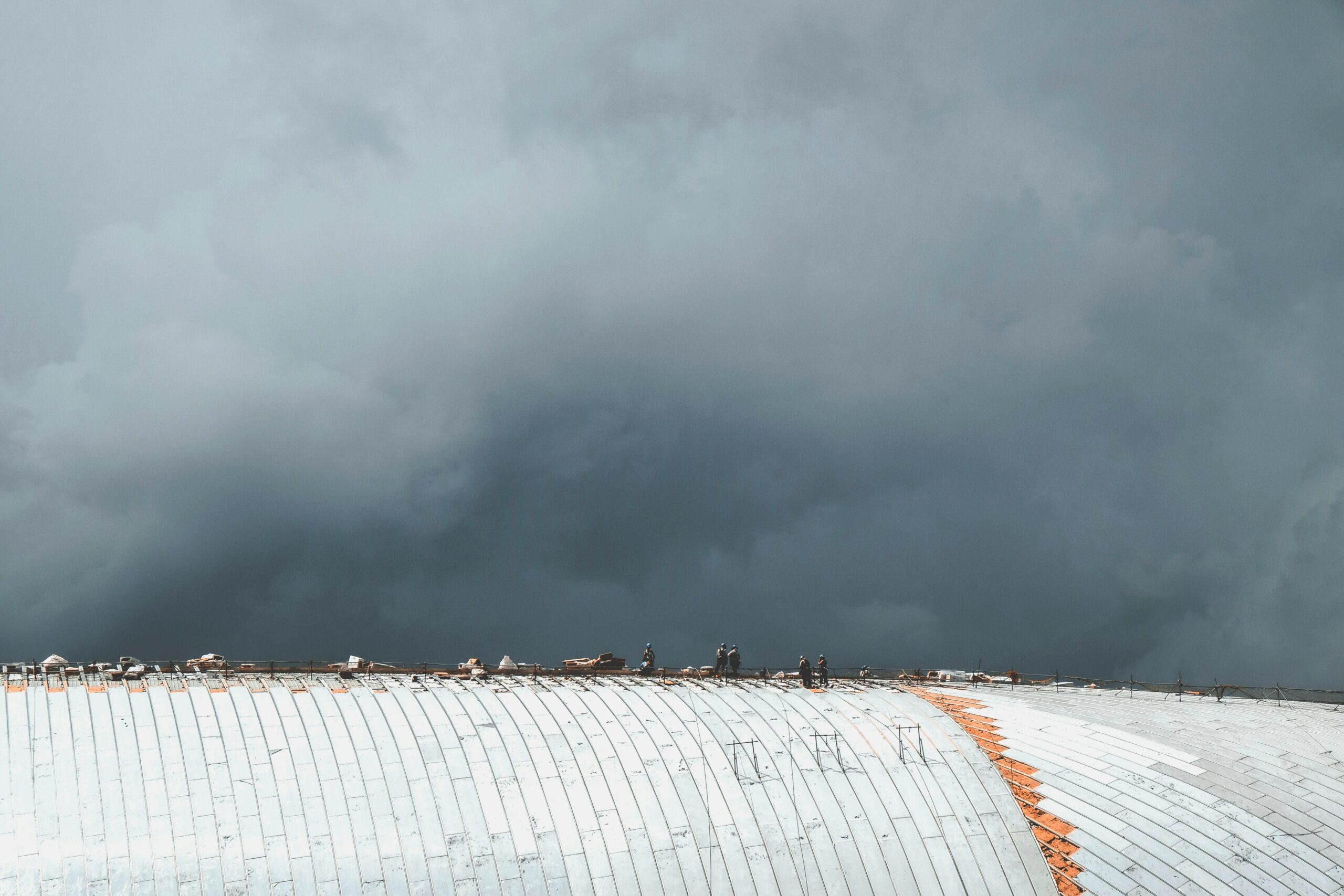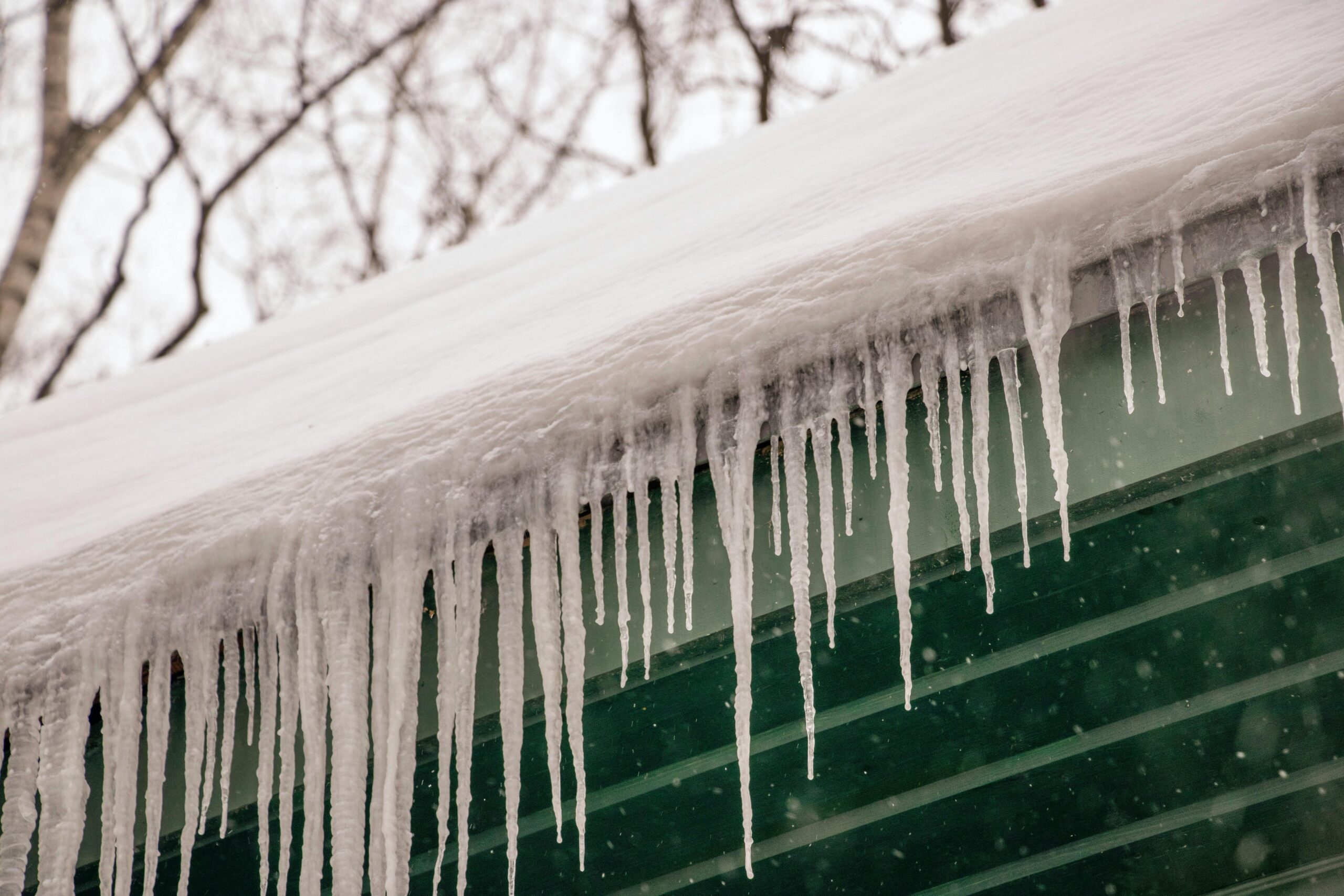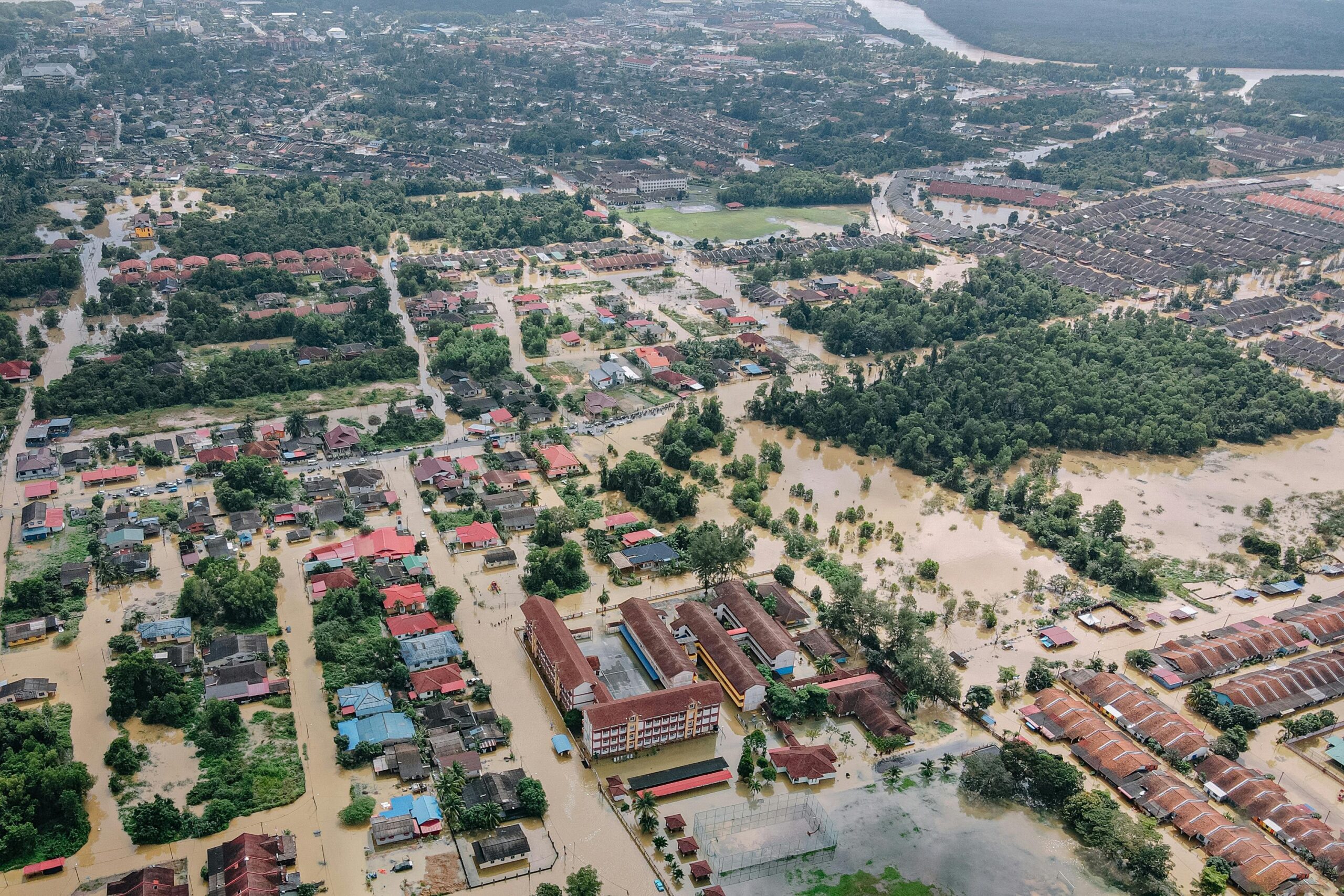
When nature unleashes its fury, the difference between safety and disaster often lies in how well your shelter, equipment, or structure stays anchored to the ground.

Extreme weather events are becoming increasingly frequent and intense across the globe. From hurricanes tearing through coastal communities to microbursts flattening campsites, the forces of nature demand respect and preparation. Whether you’re securing a family tent during a camping trip, anchoring a temporary shelter in harsh conditions, or protecting permanent structures from violent storms, understanding anchoring systems isn’t just practical knowledge—it’s potentially life-saving information.
The science behind anchoring systems combines physics, engineering, and practical field experience. When wind speeds exceed 50 mph, uplift forces can generate thousands of pounds of pressure on structures. Without proper anchoring, even heavy objects become dangerous projectiles. This comprehensive guide explores the essential principles, techniques, and equipment that keep you grounded when weather conditions turn extreme.
🌪️ Understanding the Forces at Play During Extreme Weather
Before diving into specific anchoring techniques, it’s crucial to understand what you’re defending against. Extreme weather creates multiple force vectors that work simultaneously to destabilize structures and equipment.
Wind forces don’t simply push horizontally against surfaces. They create uplift through pressure differentials, similar to how airplane wings generate lift. When wind flows over a tent, tarp, or building, it accelerates across the top surface, reducing air pressure above while higher pressure remains below. This pressure difference generates upward force that can be surprisingly powerful—often stronger than the horizontal push most people anticipate.
Additionally, turbulence creates chaotic force patterns. Steady winds are manageable, but gusts introduce sudden shock loads that test anchor points to their limits. A gust factor of 1.5 means that wind gusts can reach 50% higher speeds than sustained winds, multiplying the force exponentially since wind pressure increases with the square of velocity.
Water presents another challenge during extreme weather. Heavy rainfall saturates soil, dramatically reducing its holding capacity. Ground that held firm in dry conditions can become nearly useless when waterlogged. Flash flooding adds lateral forces that combine with wind to create multi-directional stress on anchoring systems.
🔧 Core Principles of Effective Anchoring Systems
Successful anchoring relies on several fundamental principles that apply regardless of the specific situation or equipment involved.
Load Distribution and Redundancy
Never rely on a single anchor point. Professional riggers follow the principle that any critical anchor should have backup. Distributing loads across multiple anchor points reduces stress on individual components and provides fail-safes. If one anchor fails, others can compensate while you address the problem.
The geometry of anchor placement matters tremendously. Anchors positioned at wider angles distribute loads more evenly. A general rule suggests anchor points should be positioned at 45-60 degree angles from the structure for optimal load distribution. Narrower angles create excessive inward pull, while wider angles reduce holding power.
Matching Systems to Ground Conditions
Different soil types demand different anchoring approaches. Rocky ground requires different techniques than sandy soil or hard clay. Understanding your ground conditions before extreme weather arrives allows you to select appropriate anchoring methods.
Conducting pull tests before weather deteriorates provides valuable data. Apply gradual force to each anchor point to verify it can handle expected loads. This simple precaution identifies weak points while you still have time to reinforce or relocate them.
⚓ Essential Anchoring Equipment and Materials
The right equipment transforms theory into practical protection. Modern anchoring systems offer solutions for virtually any situation and ground condition.
Stakes and Pegs for Various Terrain Types
Traditional tent stakes work adequately in moderate conditions but often fail when weather turns extreme. Upgrading to purpose-designed anchors significantly improves holding power.
Aluminum Y-stakes and V-stakes offer excellent holding in most soil conditions. Their shape creates mechanical advantage as they’re driven into the ground, and their profile resists pulling out even under substantial loads. These stakes typically measure 9-12 inches long and can handle hundreds of pounds of force when properly installed.
Screw-in ground anchors excel in soft to medium soil conditions. Their auger design literally screws into the earth, creating substantial holding power. Some models can withstand over 1,000 pounds of pull force when properly installed in appropriate soil. They’re particularly valuable for longer-term installations where you need reliable anchoring over extended periods.
Rock stakes or pitons serve situations where traditional stakes won’t penetrate. These hardened steel spikes fit into rock cracks and crevices, providing anchor points where ground stakes are impossible. They require a hammer for installation and removal but offer excellent holding power in rocky terrain.
Anchor Systems for Challenging Conditions
Some situations demand creative anchoring solutions beyond conventional stakes. Sand and snow present unique challenges that require specialized approaches.
Sand anchors, also called deadman anchors, involve burying objects that provide resistance through ground friction rather than penetration. A properly installed deadman anchor can involve burying a bag filled with sand, a specialized anchor plate, or even natural materials. The key is sufficient burial depth—typically 18-24 inches minimum—and proper orientation perpendicular to the direction of pull.
Snow anchoring requires understanding snow consistency. Fluffy powder provides minimal holding power, while consolidated or icy snow offers much better resistance. Specialized snow stakes feature wide profiles that resist pulling through, while deadman anchors work exceptionally well in snow when properly installed.
🏕️ Anchoring Techniques for Outdoor Shelters and Equipment
Camping and outdoor activities frequently expose people to extreme weather with minimal infrastructure. Proper anchoring techniques can mean the difference between a scary experience and a genuine emergency.
Securing Tents in High-Wind Conditions
Standard tent setup instructions assume moderate weather. When forecasts predict severe conditions, modifications become necessary.
First, position your tent strategically. Natural windbreaks like hills, dense vegetation, or rock formations reduce wind exposure significantly. However, avoid locations prone to flooding, falling branches, or avalanche paths. The ideal campsite balances wind protection with safety from other hazards.
Install all available guy lines, even those considered optional during normal conditions. Guy lines dramatically improve stability by creating a wider base and reducing fabric movement that generates destructive flapping forces. Tension guy lines firmly but not excessively—overtightening can damage fabric or create stress points that fail under load.
Stake out every anchor point, including interior corners if your tent design allows. Use premium stakes rather than the basic pins typically included with tents. Install stakes at 45-degree angles away from the tent, with the top of the stake angled toward the structure. This orientation maximizes holding power against both upward and outward forces.
Add secondary anchoring by tying additional lines to trees, large rocks, or supplementary ground anchors. This redundancy provides backup if primary stakes fail. Weight the tent interior with gear bags positioned near corners to add resistance against uplift.
Tarp and Shelter Configuration
Tarps provide versatile shelter options but require thoughtful setup in extreme weather. Their flexibility becomes a liability in high winds unless properly configured and anchored.
Choose aerodynamic configurations. A-frame and lean-to setups present less wind resistance than flat or complex arrangements. Keep the profile low—higher setups catch more wind and generate greater forces on anchor points.
Utilize continuous ridgelines rather than relying solely on corner anchors. A ridgeline distributes loads along the entire length of the tarp, preventing concentration of forces at single points. Secure the ridgeline to stable anchor points like mature trees or deeply buried deadman anchors.
🏠 Protecting Permanent and Semi-Permanent Structures
Homes, sheds, gazebos, and other structures require robust anchoring systems appropriate to their size and exposure.
Mobile Home and Manufactured Housing Anchoring
Mobile homes are particularly vulnerable to extreme weather due to their lightweight construction and wind-catching profile. Proper anchoring is legally required in most jurisdictions and can dramatically improve survival rates during severe storms.
Professional installation involves frame ties that connect the home’s frame directly to ground anchors, typically using auger-style anchors that screw deep into the earth. These systems include tensioning devices that maintain proper tightness as ground conditions change with seasons and weather.
Additions and attachments like porches, awnings, and carports require separate anchoring. These structures often fail first during extreme weather, potentially damaging the main structure as they tear away. Ensure every attachment has dedicated anchoring independent of the main structure.
Temporary Structures and Event Equipment
Canopies, inflatable structures, and event tents present significant hazards in high winds if improperly anchored. Commercial standards exist for good reason—these seemingly innocent structures have caused serious injuries and fatalities when they become airborne.
Ballast weights provide one anchoring method for hard surfaces where stakes cannot penetrate. However, required weights often exceed intuitive estimates. A 10×10 foot canopy may require 200-300 pounds of ballast per leg in moderate wind conditions, with requirements doubling or tripling as wind speeds increase.
Never use water-filled containers as sole ballast in freezing conditions—freezing water can burst containers, eliminating your anchoring. Sandbags, concrete blocks, or purpose-designed weight plates provide more reliable options.
📱 Modern Technology for Weather Monitoring and Anchor Management
Technology now provides powerful tools for anticipating extreme weather and managing anchoring systems proactively.
Weather monitoring apps deliver hyperlocal forecasts with increasing accuracy. Beyond basic temperature and precipitation predictions, advanced applications provide wind speed forecasts, gust predictions, and severe weather warnings specific to your exact location. This information allows you to strengthen anchoring systems before conditions deteriorate.
Some innovative applications combine weather data with equipment-specific guidance, helping users understand when conditions exceed safe thresholds for particular activities or structures. These tools translate abstract meteorological data into actionable decisions about whether to add anchors, take down temporary structures, or evacuate vulnerable areas.
🛠️ Installation Best Practices and Common Mistakes to Avoid
Even the best equipment fails without proper installation. Understanding correct techniques prevents common failures that compromise anchoring systems.
Proper Stake Installation Technique
Many people simply hammer stakes straight down, perpendicular to the ground. While this works in calm conditions, it’s suboptimal for extreme weather. Instead, angle stakes 45 degrees away from the structure, with the top leaning toward the anchor point. This orientation engages more soil and better resists the upward-and-outward force vector that winds create.
Drive stakes to within 1-2 inches of their tops. Leaving excessive stake exposed reduces holding power and creates leverage that can bend or extract the stake. However, leaving a small portion exposed allows adjustment and removal when necessary.
Attach lines to stakes properly. Many stakes feature hooks or holes designed for specific attachment methods. Using incorrect attachment points or methods reduces effective holding power and may damage equipment under load.
Critical Mistakes That Compromise Safety
Certain errors appear repeatedly in anchor failure investigations. Avoiding these common mistakes dramatically improves system reliability.
Using inadequate or damaged equipment tops the list. Worn ropes, bent stakes, or corroded hardware may appear functional but fail catastrophically under extreme loads. Regular inspection and timely replacement of questionable components prevents failures at critical moments.
Insufficient anchor points create single points of failure. Even if individual anchors are strong, having too few means each carries excessive load. The small additional effort of installing extra anchor points provides disproportionate safety improvements.
Ignoring early warning signs leads to preventable failures. If stakes work loose, ropes show wear, or structures begin moving excessively, address these issues immediately rather than hoping they’ll hold. Small problems cascade into major failures once extreme weather arrives.
⛈️ Dynamic Response During Extreme Weather Events
Even perfectly installed anchoring systems require monitoring and adjustment as conditions evolve. Extreme weather is dynamic, and effective response requires vigilance and adaptability.
Conduct regular inspections during weather events when safely possible. Check anchor points for movement, examine connections for wear or loosening, and assess overall system performance. Early detection of developing problems allows corrective action before catastrophic failure.
Adjust tension as conditions change. Temperature fluctuations cause materials to expand and contract, while moisture affects rope tension. What was properly tensioned hours ago may need adjustment as conditions evolve. However, avoid unnecessary exposure to hazardous conditions—your personal safety always takes priority over equipment protection.
Have an abandonment plan. Sometimes conditions exceed what any reasonable anchoring system can handle. Know when to secure what you can, retreat to safer locations, and accept potential equipment loss. No possession is worth risking your life over.
🌍 Environmental Considerations and Leave-No-Trace Principles
Effective anchoring must balance protection needs with environmental responsibility. Proper techniques minimize ecological impact while maintaining necessary security.
Remove all anchoring equipment after use unless it’s part of a permanent, approved installation. Abandoned stakes and hardware create hazards for wildlife and humans while degrading natural environments. Always pack out what you pack in, including damaged or broken anchoring components.
Minimize ground disturbance by using appropriate anchor types for conditions. While aggressive anchoring is sometimes necessary, thoughtful equipment selection reduces unnecessary scarring. In sensitive environments, natural anchor points like rocks and established trees may provide alternatives to ground penetration.
Respect protected areas and follow regulations. Many locations restrict certain anchoring methods or prohibit anchoring altogether in particularly fragile ecosystems. Understanding and following these rules preserves natural areas while maintaining access for responsible users.

💡 Building Long-Term Anchoring Competency
Mastering anchoring systems requires both theoretical knowledge and practical experience. Continuous learning and skill development improve your capabilities and confidence.
Practice during favorable conditions. Don’t wait for an emergency to test new equipment or techniques. Experiment with different anchor types, configurations, and installation methods when weather is calm. This hands-on experience builds muscle memory and reveals equipment characteristics before high-stress situations arise.
Learn from every deployment. After weather events, conduct after-action reviews. What worked well? What failed or performed poorly? What would you do differently next time? This reflective practice accelerates skill development and prevents repeating mistakes.
Share knowledge with others. The outdoor and emergency preparedness communities benefit from collective learning. Teaching others reinforces your own understanding while improving overall community resilience against extreme weather threats.
Extreme weather will continue challenging our preparations and ingenuity. Climate scientists project increasing frequency and intensity of severe weather events across most regions. This reality makes anchoring competency increasingly valuable for anyone who spends time outdoors, lives in vulnerable structures, or manages temporary installations. The techniques, equipment, and principles outlined here provide a foundation for staying grounded when nature’s forces threaten to tear things loose. Invest time in understanding these systems, practice implementing them correctly, and maintain vigilance during extreme conditions. Your preparation today creates security tomorrow when weather tests your defenses. By respecting the power of extreme weather and responding with appropriate anchoring systems, you protect not only property but also the safety of yourself and those around you. Stay grounded, stay prepared, and stay safe. ⚡