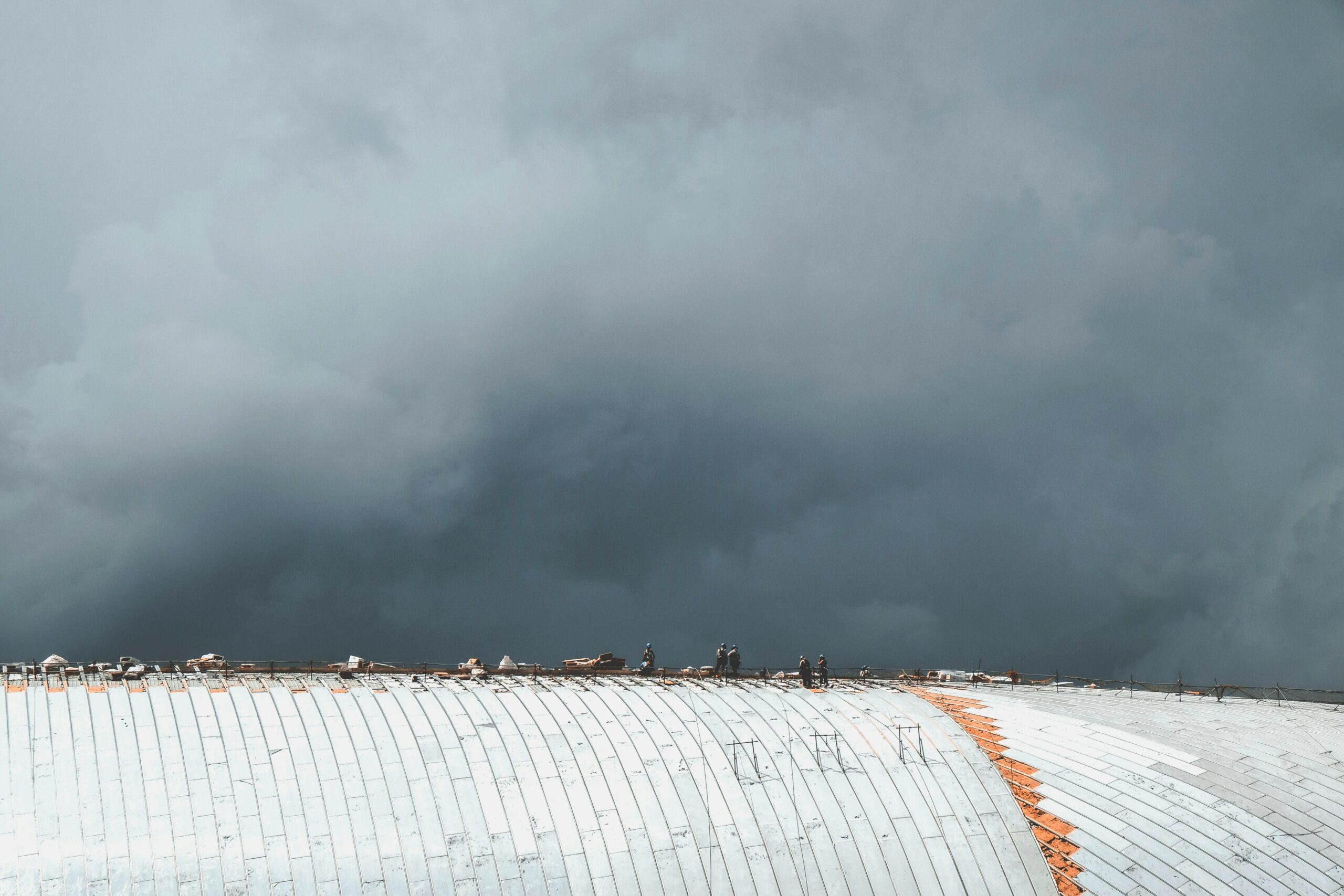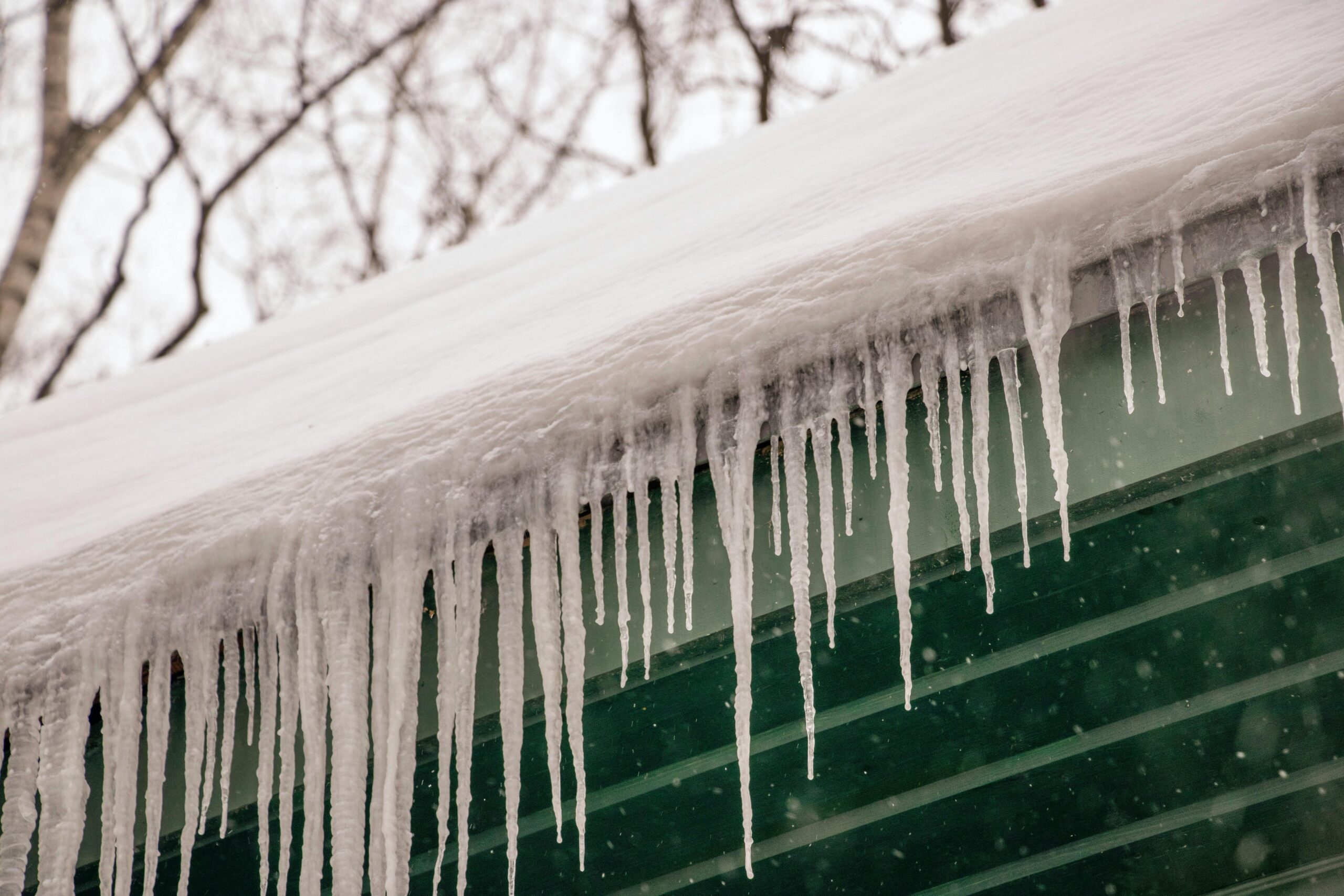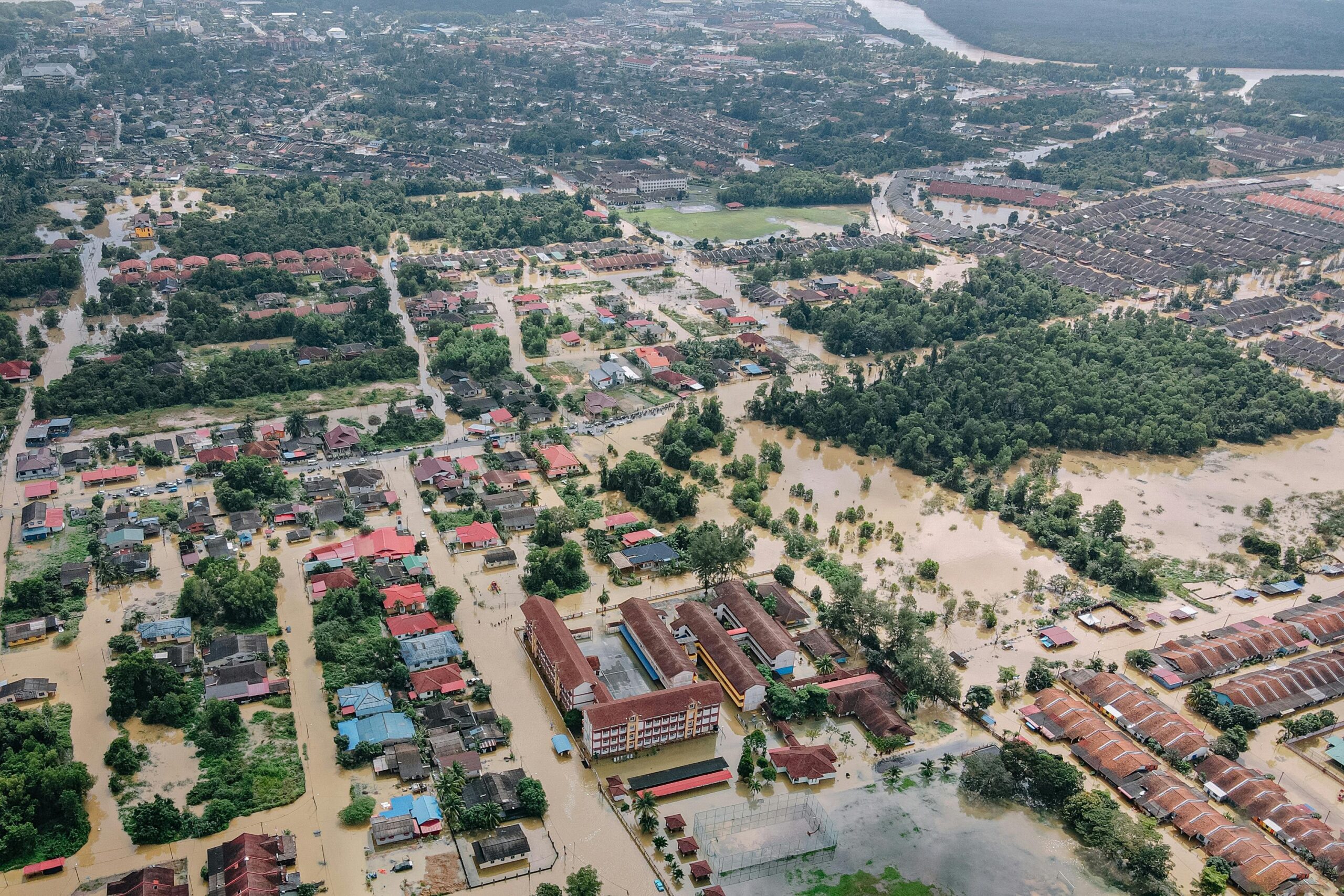
Building resilience into modern construction is no longer optional—it’s essential for creating structures that withstand environmental challenges and stand the test of time.

🏗️ Understanding Resilience in Modern Construction
The construction industry faces unprecedented challenges as climate patterns shift, natural disasters become more frequent, and urban populations continue to grow. Resilience scores have emerged as a critical metric for evaluating how well building assemblies can withstand, adapt to, and recover from various stressors. These scores encompass everything from structural integrity during seismic events to moisture resistance and thermal performance under extreme conditions.
Building assemblies—the combination of materials, components, and construction methods that form walls, roofs, foundations, and other structural elements—are the fundamental building blocks of resilient construction. When properly designed and executed, these assemblies create barriers against water infiltration, resist wind loads, maintain thermal comfort, and provide structural stability for decades.
The concept of resilience extends beyond mere survival. A truly resilient building assembly maintains functionality during adverse events, minimizes repair costs, reduces downtime, and protects occupants. This holistic approach to construction considers the entire lifecycle of a building, from initial design through decades of use and eventual adaptation or deconstruction.
Key Components That Drive Resilience Scores Higher
Several fundamental elements contribute to improved resilience scores in building assemblies. Understanding these components allows architects, engineers, and builders to make informed decisions that enhance long-term performance.
Material Selection and Compatibility
The materials chosen for building assemblies directly impact resilience outcomes. Durable materials that resist degradation from moisture, UV exposure, temperature fluctuations, and biological growth form the foundation of resilient construction. However, material selection isn’t just about choosing the strongest individual components—it’s about ensuring compatibility between adjacent materials.
Material compatibility prevents common failure modes such as galvanic corrosion between dissimilar metals, differential thermal expansion that creates gaps and cracks, and chemical reactions that degrade performance over time. When materials work together harmoniously, the entire assembly becomes greater than the sum of its parts.
Water Management Strategies
Water represents the single greatest threat to building durability. Effective water management within building assemblies involves multiple lines of defense, including weather-resistant barriers, drainage planes, proper flashing details, and vapor control layers. Each element serves a specific purpose in keeping water away from vulnerable materials and allowing any moisture that does enter to escape safely.
Advanced building assemblies incorporate redundancy in water management, recognizing that no single barrier is perfect. This defense-in-depth approach significantly boosts resilience scores by ensuring that even when one component fails or is compromised, backup systems prevent catastrophic damage.
Thermal Performance and Energy Efficiency
Resilient building assemblies maintain consistent thermal performance across varying climate conditions. High-quality insulation, properly installed with attention to thermal bridging, creates energy-efficient envelopes that reduce operational costs while maintaining occupant comfort. This thermal resilience becomes increasingly important as extreme weather events create temperature swings that challenge building systems.
Continuous insulation strategies, where thermal barriers extend unbroken across structural elements, eliminate weak points that compromise overall performance. These approaches reduce condensation risk, improve energy efficiency, and contribute substantially to higher resilience scores.
🔍 Assessment Methods for Resilience Evaluation
Measuring resilience in building assemblies requires systematic evaluation approaches that consider multiple performance criteria. Various assessment frameworks have emerged to help industry professionals quantify and compare resilience characteristics.
Performance-Based Testing Protocols
Laboratory testing subjects building assemblies to controlled conditions that simulate real-world stressors. Water penetration tests, air leakage measurements, structural load testing, and thermal cycling provide objective data about how assemblies perform under specific conditions. These tests establish baseline performance metrics that inform resilience scoring systems.
Field testing complements laboratory work by evaluating assemblies in actual building conditions. Blower door tests, thermographic surveys, and moisture monitoring reveal how theoretical designs perform once constructed. This real-world validation identifies gaps between design intent and actual performance, driving improvements in construction practices.
Lifecycle Analysis and Long-Term Durability
True resilience extends across decades, making lifecycle analysis essential for understanding long-term performance. Predictive modeling considers material degradation rates, maintenance requirements, and expected service life under various environmental conditions. This forward-looking approach identifies assemblies that maintain performance over time versus those that may initially perform well but deteriorate rapidly.
Durability assessments examine how assemblies respond to repeated stress cycles, cumulative moisture exposure, and aging effects. Materials and designs that demonstrate consistent performance across extended timeframes receive higher resilience scores, reflecting their ability to protect buildings throughout their intended lifespan.
Innovative Technologies Transforming Building Resilience
Emerging technologies and materials are reshaping how we approach resilient construction, offering new possibilities for enhanced performance and durability.
Smart Materials and Adaptive Systems
Phase-change materials absorb and release thermal energy, moderating temperature fluctuations within building assemblies. Self-healing concrete incorporates bacteria or polymers that automatically seal cracks, preventing water infiltration and extending structural life. These intelligent materials actively respond to environmental conditions, providing dynamic resilience that adapts to changing circumstances.
Shape-memory alloys and other responsive materials offer structural systems that can absorb seismic energy or wind loads more effectively than traditional static designs. By incorporating movement and flexibility rather than rigid resistance, these advanced assemblies achieve resilience through adaptation.
Digital Modeling and Building Information Modeling (BIM)
Advanced digital tools allow designers to simulate building assembly performance before construction begins. Computational fluid dynamics models predict moisture movement patterns, thermal analysis software identifies potential condensation risks, and structural modeling evaluates load paths under extreme conditions. This digital validation catches potential resilience issues early in the design process when corrections are most cost-effective.
Building Information Modeling integrates these various analyses into comprehensive digital representations that track component specifications, installation sequences, and performance expectations. This coordinated approach ensures that resilience considerations remain central throughout design and construction phases.
💡 Practical Strategies for Implementation
Translating resilience concepts into built reality requires practical approaches that work within budget constraints, regulatory requirements, and construction timelines.
Design Phase Considerations
Early design decisions have outsized impacts on eventual resilience scores. Specifying appropriate assembly types for specific climate zones, detailing robust connections between components, and planning for drainage and drying all happen during design. Engaging building envelope consultants and commissioning agents during this phase ensures that resilience remains a priority rather than an afterthought.
Value engineering exercises should evaluate resilience implications alongside cost considerations. A cheaper assembly that requires frequent repairs or premature replacement rarely represents true economy. Life-cycle cost analysis reveals the financial benefits of investing in higher-resilience assemblies upfront.
Construction Quality Control
Even the most resilient design can fail due to poor installation. Comprehensive quality control programs verify that assemblies are constructed according to specifications, with particular attention to critical details like flashing installation, air barrier continuity, and insulation contact. Third-party inspections provide objective verification that resilience-enhancing features are properly executed.
Worker training programs ensure that construction teams understand the importance of assembly details and possess the skills to execute them correctly. When installers comprehend how their work contributes to overall building resilience, quality improves significantly.
Documentation and Maintenance Planning
Comprehensive documentation of building assemblies supports long-term resilience by providing facility managers with information needed for proper maintenance. Detailed drawings, material specifications, and maintenance requirements help building operators preserve performance over time. Regular inspection protocols identify minor issues before they escalate into major problems, maintaining high resilience scores throughout the building lifecycle.
🌍 Climate-Specific Resilience Approaches
Effective resilience strategies vary significantly based on regional climate conditions, requiring tailored approaches that address local environmental challenges.
Hot-Humid Climate Considerations
Buildings in hot-humid regions face constant moisture challenges from high humidity, frequent precipitation, and potential hurricane exposure. Resilient assemblies in these climates emphasize drainage, drying capacity, and resistance to biological growth. Exterior insulation systems that keep structural elements warm reduce condensation risks, while ventilated assemblies allow moisture to escape.
Impact-resistant materials and enhanced structural connections protect against hurricane-force winds. Storm-resistant roofing assemblies, reinforced window and door openings, and continuous load paths from roof to foundation ensure buildings remain intact during extreme weather events.
Cold Climate Strategies
Cold climate buildings must manage significant temperature differentials that drive moisture from interior spaces toward cold exterior surfaces. Vapor control layers carefully positioned within assemblies prevent condensation while allowing seasonal drying. High insulation levels reduce heat loss and maintain surface temperatures above dew points.
Freeze-thaw durability becomes critical for materials exposed to repeated freezing cycles. Drainage systems must account for ice formation and snow accumulation, ensuring that meltwater exits assemblies without causing damage.
Seismic Zone Requirements
Buildings in earthquake-prone regions require assemblies that accommodate structural movement without compromising envelope integrity. Flexible connections between cladding and structure allow buildings to sway during seismic events while maintaining weather protection. Redundant load paths ensure that even if some structural elements are damaged, buildings remain stable.
Post-earthquake inspectability allows building owners to assess damage and make informed decisions about continued occupancy or necessary repairs, contributing to resilience through rapid recovery.
Regulatory Frameworks and Industry Standards
Building codes and industry standards increasingly incorporate resilience requirements, driving adoption of best practices across the construction industry.
Energy Codes and Resilience Alignment
Modern energy codes promote continuous insulation, air barrier systems, and high-performance windows—features that simultaneously improve energy efficiency and resilience. This alignment between energy and durability goals creates synergies where investments in one area benefit multiple performance objectives.
Stretch codes and voluntary programs like Passive House establish higher performance thresholds that deliver superior resilience alongside energy savings. As these advanced standards become more common, they normalize construction practices that enhance building longevity.
Resilience Certification Programs
Third-party certification programs such as FORTIFIED, LEED, and the RELi standard provide frameworks for evaluating and documenting building resilience. These programs establish clear criteria, verification procedures, and recognition systems that incentivize resilience investments. Buildings certified under these programs command market premiums and demonstrate verifiable performance advantages.
📊 Economic Benefits of Enhanced Resilience
Investing in resilience delivers tangible financial returns through multiple pathways that often justify premium construction costs.
Reduced Operating and Maintenance Costs
Resilient building assemblies require less maintenance, experience fewer failures, and last longer than conventional construction. These durability benefits translate directly into lower lifecycle costs. Reduced energy consumption from high-performance envelopes further decreases operating expenses, creating ongoing savings that compound over decades.
Insurance and Risk Mitigation
Buildings with documented resilience features often qualify for reduced insurance premiums, recognizing their lower risk profiles. Following major disasters, resilient buildings return to service faster, minimizing business interruption losses. These risk mitigation benefits have quantifiable value that supports resilience investments.
Asset Value and Marketability
Commercial real estate investors increasingly recognize that resilient buildings represent lower-risk, higher-value assets. Tenants prefer buildings with demonstrated reliability and lower operating costs. This market preference translates into higher rental rates, improved occupancy, and enhanced asset values for resilient properties.
🚀 Future Directions in Resilient Construction
The field of resilient building design continues evolving, with emerging trends pointing toward even more robust and adaptive construction approaches.
Circular Economy Integration
Future resilient assemblies will increasingly incorporate circular economy principles, using materials designed for disassembly, reuse, and recycling. This approach extends resilience beyond individual building lifespans, creating adaptable structures that evolve with changing needs while minimizing environmental impacts.
Artificial Intelligence and Predictive Analytics
Machine learning algorithms analyzing building performance data can predict maintenance needs, identify developing problems, and optimize system operations for maximum resilience. These intelligent systems transform buildings from passive structures into active, self-monitoring systems that maintain peak performance over time.
Climate Adaptation Strategies
As climate conditions shift, resilient building assemblies must accommodate changing environmental stresses. Forward-looking designs incorporate flexibility to handle conditions outside historical norms, ensuring buildings remain viable even as temperature ranges, precipitation patterns, and extreme weather frequencies evolve.
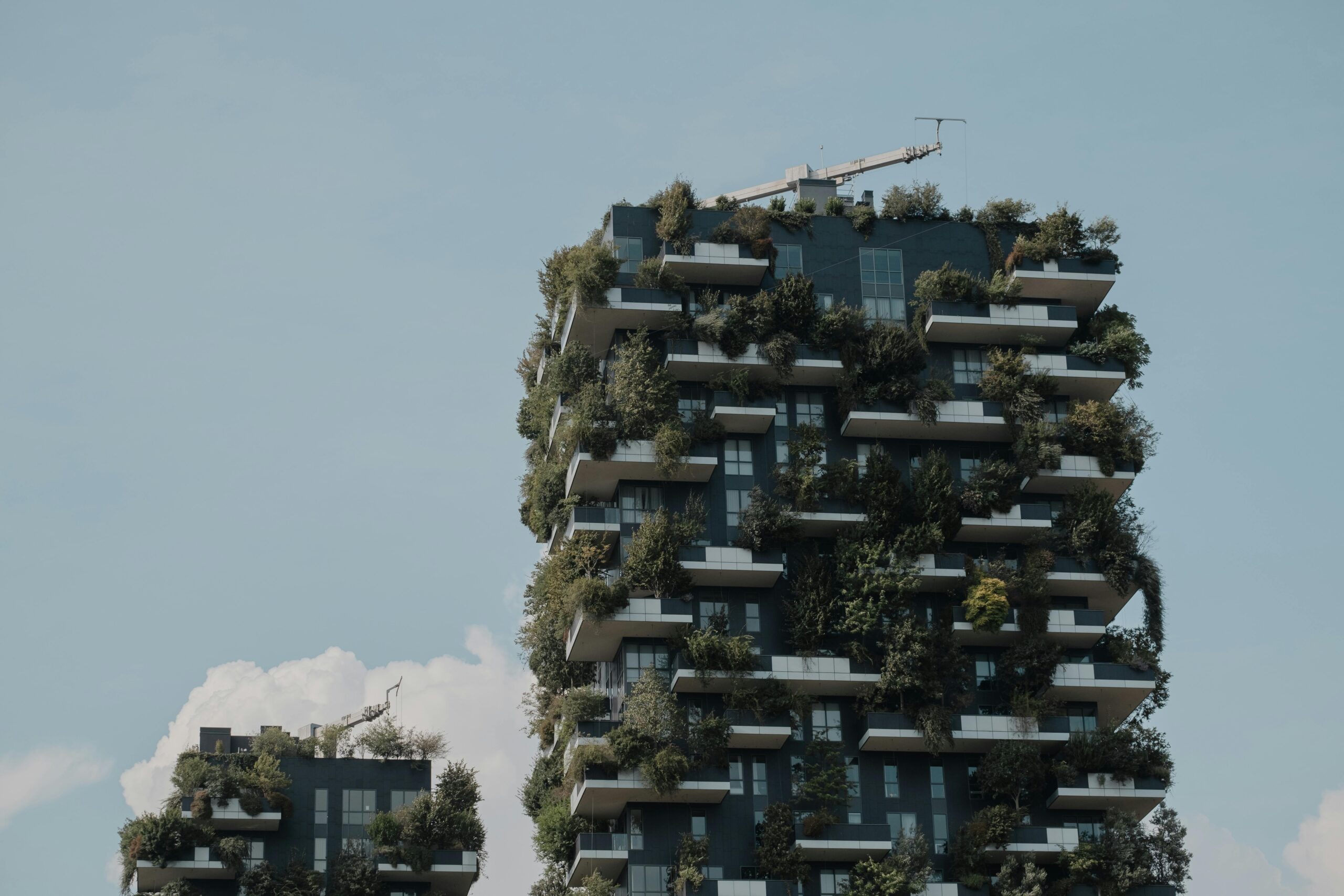
Bringing It All Together: A Roadmap for Success
Achieving high resilience scores in building assemblies requires coordinated efforts across the entire project delivery process. Stakeholders from owners to architects, engineers, contractors, and facility managers must prioritize resilience from project conception through ongoing operations.
Begin by establishing clear resilience goals during pre-design, considering site-specific risks and client priorities. Incorporate these objectives into design criteria and use them to guide material selection, assembly specification, and detail development. Ensure that construction documents clearly communicate resilience requirements and that installation quality matches design intent.
During construction, implement robust quality control processes that verify proper assembly installation. Don’t skip commissioning activities that validate performance before occupancy. After construction, maintain detailed documentation and establish maintenance protocols that preserve resilience over time.
Invest in ongoing education for all team members, staying current with evolving materials, techniques, and standards. Share lessons learned from past projects, building institutional knowledge that continuously improves resilience outcomes.
The path to enhanced building resilience isn’t mysterious or unattainable—it’s a systematic approach that values long-term performance, embraces proven best practices, and commits to quality execution. By focusing on resilience at every project phase, we create buildings that protect occupants, preserve property values, and contribute to more sustainable, durable communities. The future of construction lies in structures that don’t just survive challenges but thrive despite them, maintaining performance and value across generations.