
Tiny and modular homes are revolutionizing modern living, but their success depends on resilience mapping—a strategic approach that ensures these compact spaces can withstand environmental, structural, and lifestyle challenges.

🏠 Understanding Resilience Mapping in Compact Living Spaces
Resilience mapping represents a comprehensive evaluation framework that identifies vulnerabilities and strengths within tiny and modular home designs. This systematic approach examines everything from structural integrity to resource management, creating a blueprint for homes that can adapt to changing conditions and unexpected challenges.
Unlike traditional housing assessments, resilience mapping for compact homes requires specialized consideration of space optimization, multi-functionality, and resource efficiency. The compact nature of these dwellings means that every square foot must serve multiple purposes while maintaining structural soundness and livability.
The foundation of effective resilience mapping begins with understanding the unique characteristics that distinguish tiny and modular homes from conventional housing. These structures typically range from 100 to 400 square feet for tiny homes, while modular units can vary more widely but share the common trait of prefabricated construction.
Core Components of Effective Resilience Assessment
A thorough resilience mapping process evaluates several critical dimensions that determine a home’s long-term viability and occupant satisfaction. Structural resilience examines the building’s ability to withstand environmental stressors like wind, precipitation, temperature fluctuations, and seismic activity.
Environmental resilience focuses on energy efficiency, water management, waste systems, and climate control—all crucial considerations in spaces where every resource must be carefully managed. Social resilience addresses the psychological and practical aspects of compact living, including storage solutions, privacy considerations, and adaptability to changing household needs.
Financial resilience ensures the long-term affordability and value retention of the investment, considering maintenance costs, utility expenses, and potential modifications over time.
🔧 Engineering Resilient Foundations for Modular Structures
The foundation system represents the most critical element in any resilience mapping strategy for tiny and modular homes. These structures require specialized foundation solutions that accommodate their unique characteristics, including lighter weight, potential mobility, and compact footprints.
Pier and beam foundations offer exceptional versatility for modular homes, allowing installation on uneven terrain while providing accessibility to utilities and ventilation beneath the structure. This foundation type distributes weight effectively while accommodating ground movement and settling.
Concrete slab foundations provide robust support for stationary tiny homes, offering excellent thermal mass properties that contribute to energy efficiency. The continuous surface eliminates crawl spaces that might harbor moisture or pests, though this option requires level ground and proper site preparation.
Helical pier systems have gained popularity for their minimal site disturbance and rapid installation. These screw-like anchors penetrate deep into stable soil layers, providing secure anchoring even in challenging soil conditions. They’re particularly valuable for tiny homes on wheels that require temporary or semi-permanent placement.
Soil Analysis and Site-Specific Considerations
Comprehensive soil testing forms an essential component of foundation resilience mapping. Clay soils expand and contract with moisture changes, requiring foundations designed to accommodate this movement. Sandy soils drain well but may lack bearing capacity, necessitating wider footings or deeper pier placement.
Rocky terrain presents excavation challenges but offers excellent bearing capacity once addressed. Waterlogged or high water table sites demand specialized drainage systems and potentially elevated foundation designs to prevent moisture intrusion.
Professional soil analysis reveals bearing capacity, drainage characteristics, frost depth requirements, and potential expansive soil issues—all critical data points for foundation design decisions that will serve the structure for decades.
⚡ Energy Systems and Resource Resilience
Energy independence represents a cornerstone of resilience in tiny and modular home design. The compact nature of these structures makes them ideal candidates for off-grid or hybrid energy systems that reduce vulnerability to utility disruptions while lowering ongoing costs.
Solar power systems scaled appropriately for tiny home energy demands typically require 1-3 kilowatts of capacity, easily accommodated on compact roof surfaces or ground-mounted arrays. Battery storage systems have become increasingly affordable and efficient, enabling homes to maintain power during grid outages or cloudy periods.
Propane systems provide reliable backup for heating, cooking, and hot water generation, offering resilience when electrical systems face challenges. Many tiny home dwellers implement hybrid approaches, combining solar electricity with propane appliances to balance initial investment costs with long-term energy independence.
Water Management and Conservation Strategies
Water resilience encompasses both supply reliability and efficient usage systems. Rainwater collection systems can provide substantial water independence, with roof catchment areas directing precipitation into storage tanks. A 200-square-foot roof can collect approximately 120 gallons of water per inch of rainfall.
Greywater recycling systems treat water from sinks and showers for landscape irrigation or toilet flushing, dramatically reducing overall water consumption. Composting toilets eliminate water usage for waste management entirely while producing valuable soil amendments.
Low-flow fixtures, instant hot water heaters, and strategic appliance selection ensure that limited water storage capacity serves household needs effectively. These systems become particularly important for homes in remote locations or areas prone to drought conditions.
🌡️ Climate Adaptation and Thermal Performance
Thermal resilience determines occupant comfort and energy efficiency across varying seasonal conditions. The compact volume of tiny and modular homes can be both advantage and challenge—smaller spaces heat and cool quickly but may struggle with temperature stability without proper design.
Advanced insulation strategies deliver outsized benefits in compact homes. Spray foam insulation creates continuous thermal barriers while adding structural rigidity. Structural insulated panels (SIPs) combine insulation and framing into single components that exceed traditional construction thermal performance.
Strategic window placement maximizes natural lighting while managing solar heat gain. South-facing windows in northern hemisphere locations capture winter warmth, while properly sized overhangs prevent summer overheating. High-performance glazing with low-E coatings and argon fills dramatically reduces heat transfer.
Thermal mass elements like tile floors, stone features, or water storage tanks moderate temperature swings by absorbing excess heat during warm periods and releasing it when temperatures drop. This passive climate control reduces mechanical heating and cooling demands.
Ventilation and Indoor Air Quality
Compact spaces concentrate indoor air pollutants, moisture, and odors, making effective ventilation essential for health and structural longevity. Energy recovery ventilators (ERVs) exchange stale indoor air with fresh outdoor air while transferring heat and moisture, maintaining comfort without energy waste.
Natural ventilation strategies using operable windows, roof vents, and strategic placement create air circulation without mechanical systems. Cross-ventilation designs position openings to capture prevailing breezes, while stack effect ventilation uses rising warm air to draw fresh air through lower openings.
Humidity control prevents mold growth and material degradation in compact environments where moisture accumulates quickly. Dehumidifiers, exhaust fans in bathrooms and kitchens, and moisture-resistant materials create healthier indoor environments.
🛡️ Structural Integrity and Weather Resistance
Weather resilience mapping identifies vulnerabilities to wind, precipitation, snow loads, and extreme temperature events. Tiny and modular homes face unique challenges due to their proportions and construction methods, requiring careful engineering to withstand environmental forces.
Wind resistance becomes critical for homes with high profile-to-weight ratios. Proper anchoring systems secure structures to foundations, preventing uplift and lateral movement during high winds. Hurricane straps, foundation ties, and structural connectors engineered for specific wind zones ensure safety.
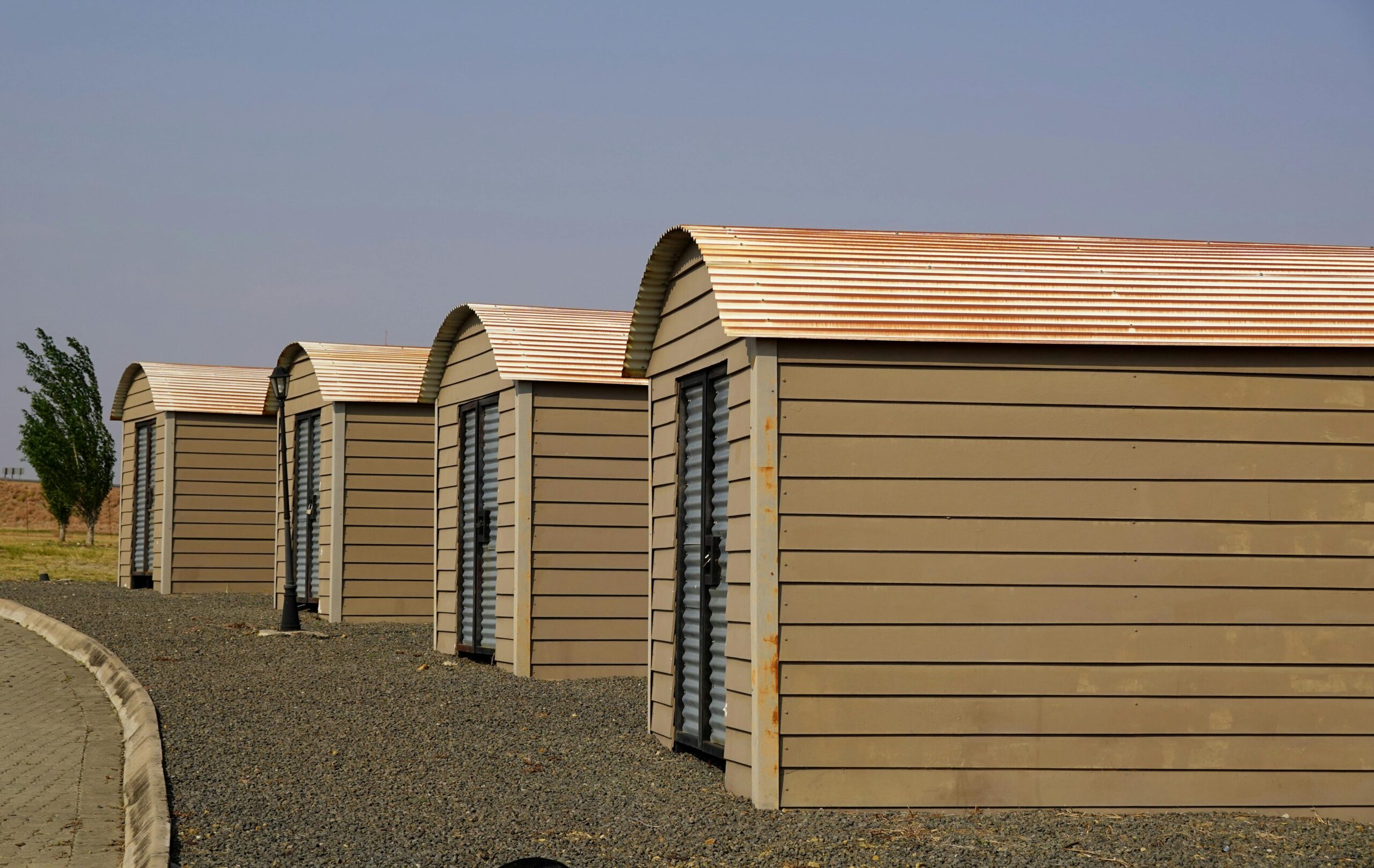
Roof design significantly impacts weather resilience. Metal roofing offers durability, fire resistance, and snow-shedding capabilities with minimal maintenance requirements. Proper slope ensures water drainage while accommodating snow loads in applicable climates. Overhangs protect siding and windows from precipitation while providing summer shading.
Moisture barriers and proper flashing details prevent water intrusion that could compromise structural integrity and indoor air quality. Housewrap systems, properly sealed seams, and attention to penetration details create protective envelopes around vulnerable structures.
Seismic Considerations for Modular Construction
Earthquake-prone regions require specific resilience mapping attention for modular and tiny homes. The lighter weight of these structures offers inherent advantages during seismic events, as lower mass generates reduced inertial forces. However, proper anchoring and structural connections remain essential.
Flexible connections between modules allow controlled movement during earthquakes while maintaining structural integrity. Shear walls strategically placed throughout the structure resist lateral forces without compromising interior space efficiency.
Foundation anchoring systems must accommodate both vertical and horizontal forces, preventing structures from sliding off foundations during ground motion. Specialized hold-down brackets and anchor bolts sized for seismic zones ensure safety.
📱 Technology Integration for Monitoring and Adaptation
Smart home technology enables real-time monitoring of systems critical to resilience, allowing proactive responses to developing issues before they become serious problems. Compact homes benefit particularly from integrated monitoring given the rapid impact of system failures in small spaces.
Temperature and humidity sensors throughout the home alert occupants to conditions that could lead to mold growth, frozen pipes, or excessive energy consumption. Smart thermostats learn occupancy patterns and optimize heating and cooling for comfort and efficiency.
Water leak detectors positioned near plumbing fixtures, water heaters, and foundation entry points provide early warning of moisture intrusion. Automatic shutoff valves can be integrated to stop water flow when leaks are detected, preventing extensive damage during absences.
Energy monitoring systems track electricity consumption by circuit or appliance, revealing inefficiencies and informing usage decisions. Solar system monitors display generation, storage, and consumption in real-time, empowering informed energy management.
💡 Design Flexibility and Adaptive Spaces
Resilience extends beyond physical systems to encompass adaptability to changing needs over time. Homes that accommodate evolving household compositions, work patterns, and lifestyle preferences maintain relevance and value through life transitions.
Multi-functional furniture and transformable spaces maximize utility in compact footprints. Murphy beds fold into walls, revealing living spaces during waking hours. Dining tables convert to work surfaces or fold away when not needed. Storage stairs combine circulation with essential organization space.
Modular storage systems adapt to changing contents and priorities without requiring structural modifications. Adjustable shelving, removable partitions, and flexible organizational components evolve with occupant needs.
Universal design principles ensure accessibility regardless of age or physical ability. Zero-threshold entries, wide doorways, lever handles, and adaptable bathroom fixtures allow aging in place without costly modifications.
Expansion and Modification Potential
Resilience mapping considers future expansion possibilities even in compact home designs. Modular construction naturally accommodates additions through attachment of new modules when spatial needs increase.
Foundation systems designed with expansion capacity allow seamless integration of additional modules without compromising structural integrity. Utility systems sized slightly beyond current needs accommodate expanded loads without complete replacement.
Detached accessory structures provide overflow space for hobbies, guests, or home businesses without expanding the primary dwelling footprint. These separate buildings can share utilities while maintaining functional independence.
🌱 Sustainable Materials and Long-Term Durability
Material selection profoundly impacts resilience through durability, maintenance requirements, and environmental performance. Sustainable materials often deliver superior longevity while reducing environmental footprints and ongoing maintenance burdens.
Engineered wood products like cross-laminated timber and laminated veneer lumber provide exceptional strength-to-weight ratios with renewable resource credentials. These materials resist warping and dimensional changes better than solid lumber while enabling efficient manufacturing.
Metal siding and roofing materials deliver decades of service with minimal maintenance, resisting fire, insects, and rot. Properly finished steel or aluminum withstands harsh weather while accommodating the slight flexing inherent in lightweight structures.
Non-toxic interior finishes contribute to healthful indoor environments without off-gassing volatile organic compounds. Low-VOC paints, natural fiber textiles, and formaldehyde-free composite materials protect occupant health in compact, tightly sealed spaces.
🎯 Creating Your Resilience Mapping Strategy
Developing a comprehensive resilience map for your tiny or modular home begins with honest assessment of priorities, vulnerabilities, and resources. Climate considerations specific to your location should guide decisions about insulation levels, heating and cooling systems, and weather protection measures.
Budget allocation across competing resilience priorities requires strategic thinking about which investments deliver the greatest long-term value. Foundation and structural systems typically merit premium investment as these elements are costly to modify later, while interior finishes and decorative elements can be upgraded gradually.
Professional consultation brings specialized expertise to complex decisions about engineering, energy systems, and code compliance. Architects and engineers experienced with compact home design understand the unique considerations that distinguish these structures from conventional housing.
Phased implementation allows spreading costs over time while prioritizing essential resilience elements. Core structural and environmental systems should be fully developed initially, while convenience features and refinements can follow as budgets allow.
Documentation and Ongoing Assessment
Maintaining detailed records of design decisions, material specifications, and system installations creates valuable reference information for future maintenance and modifications. Photographs documenting construction phases preserve information about concealed elements like wiring, plumbing, and structural connections.
Annual resilience assessments identify developing issues before they compromise performance or safety. Systematic inspection of foundations, roofing, siding, windows, and mechanical systems reveals maintenance needs early when repairs remain simple and affordable.
Performance monitoring tracks actual energy consumption, water usage, and comfort metrics against design expectations. Discrepancies between projected and actual performance signal opportunities for optimization or necessary repairs.
🌟 Transforming Compact Living Through Resilient Design
Resilience mapping elevates tiny and modular homes from simple shelter to sophisticated dwellings capable of providing secure, comfortable, and sustainable living across diverse conditions and changing circumstances. The compact footprint that defines these homes demands excellence in design and execution—there’s simply no space for inefficiency or wasted resources.
Communities embracing resilient tiny and modular home developments create housing solutions that address affordability, sustainability, and adaptability simultaneously. These neighborhoods demonstrate that compact living need not compromise quality, comfort, or longevity when approached with proper planning and execution.
The resilience mapping process itself promotes thoughtful decision-making throughout design and construction phases, encouraging consideration of long-term performance rather than solely initial costs. This forward-thinking approach produces homes that retain value, require less maintenance, and provide superior living experiences over decades of service.
As housing costs continue rising and environmental pressures intensify, resilient tiny and modular homes offer proven alternatives to conventional housing models. These structures demonstrate that smaller footprints coupled with intelligent design create living spaces that enhance rather than compromise quality of life while treading more lightly on our planet’s finite resources.