When the power grid fails, staying warm or cool becomes a survival priority. Understanding thermal resilience can mean the difference between comfort and crisis during emergencies.

🔥 Understanding Thermal Resilience in Emergency Situations
Thermal resilience refers to your ability to maintain safe body temperature and protect your living space from extreme heat or cold without relying on conventional electricity. This skill has become increasingly vital as power grids face growing challenges from severe weather events, infrastructure aging, and natural disasters.
The human body maintains optimal function within a narrow temperature range. When external conditions push beyond this comfort zone, and grid power isn’t available to run heating or cooling systems, you need alternative strategies that don’t depend on electrical infrastructure.
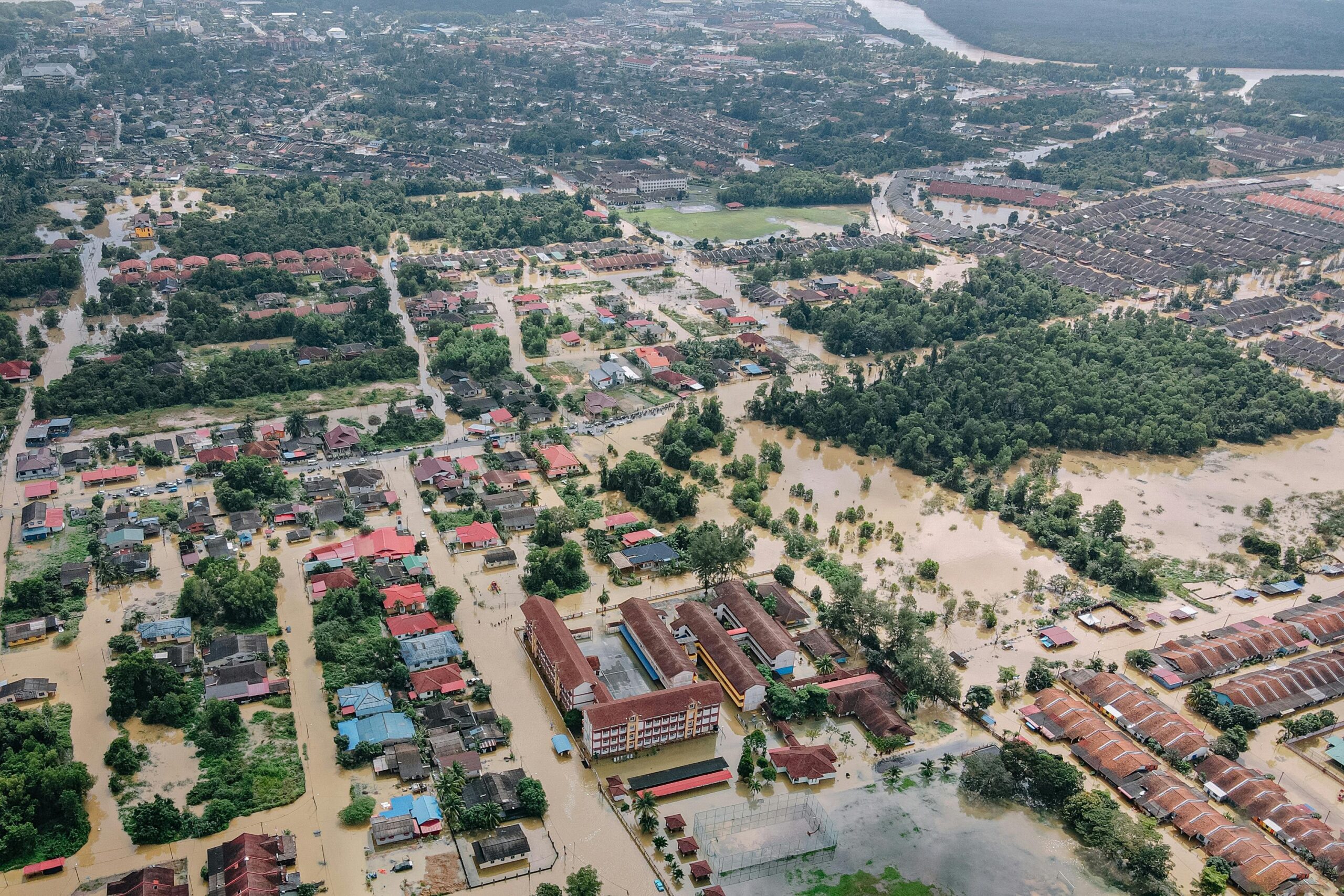
Recent events across North America and Europe have demonstrated how vulnerable modern society is to extended power outages. Texas experienced catastrophic grid failures during winter storms, while California faces rolling blackouts during heat waves. These incidents highlight the critical importance of thermal preparedness.
❄️ Winter Survival: Maintaining Warmth Without Electricity
Cold weather poses immediate threats to health and safety when heating systems fail. Hypothermia can set in within hours under the right conditions, making winter preparedness absolutely essential for anyone living in cold climates.
Layering Systems for Maximum Heat Retention
The foundation of staying warm without power begins with proper clothing. The layering system uses three distinct layers: a moisture-wicking base layer next to your skin, an insulating middle layer to trap warmth, and an outer shell to block wind and precipitation.
Base layers made from merino wool or synthetic materials pull sweat away from your body, preventing the dangerous cooling effect of wet clothing. Middle layers like fleece, down, or wool sweaters create air pockets that trap body heat. Your outer layer should be windproof and water-resistant to maintain the effectiveness of inner layers.
Don’t forget extremities. Heat loss through your head, hands, and feet can compromise your entire body’s thermal regulation. Quality hats, gloves, and insulated boots are non-negotiable items in your emergency supplies.
Creating Thermal Refuges Inside Your Home
When heating your entire house becomes impossible, concentrate resources on creating one warm room. Choose a smaller interior room without exterior walls if possible, as these lose less heat to the outside environment.
Seal the chosen room by placing rolled towels or blankets along door bottoms to prevent drafts. Cover windows with heavy blankets or bubble wrap to add insulation. These simple steps can raise room temperature by several degrees without any heat source.
Occupancy heat matters more than most people realize. The human body generates approximately 100 watts of heat continuously. Gathering family members or roommates in one space leverages this natural heat production effectively.
Alternative Heating Methods and Safety Protocols
Several off-grid heating options exist, but each carries specific risks that require careful management. Never use outdoor equipment like camping stoves or generators indoors without proper ventilation, as carbon monoxide poisoning kills silently and quickly.
Propane heaters designed for indoor use provide effective warmth but consume oxygen and produce combustion byproducts. Always crack a window for ventilation and install battery-operated carbon monoxide detectors in any space using combustion heating.
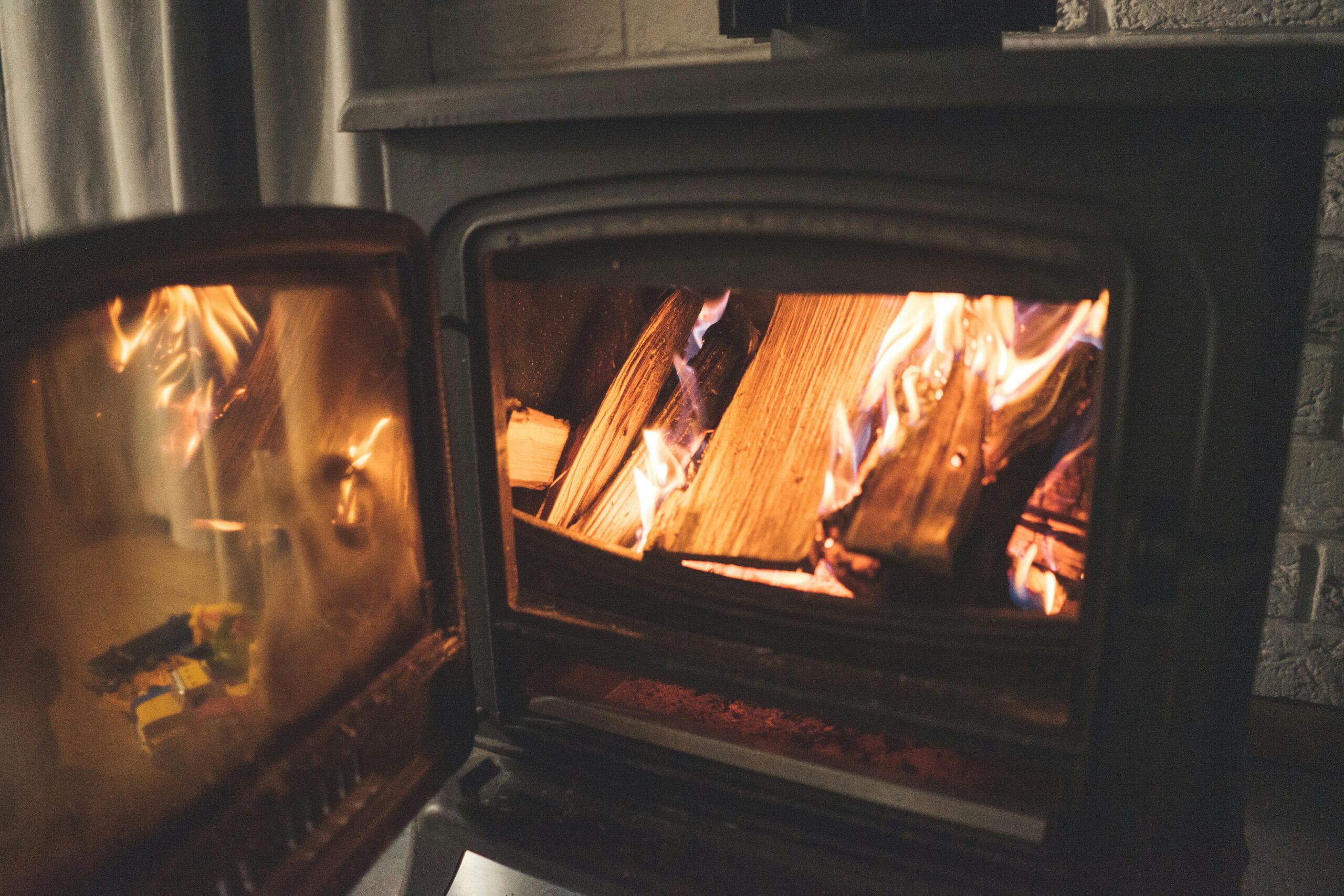
Wood stoves and fireplaces offer excellent heating solutions if you have them installed properly. Stock seasoned firewood before winter arrives, as wet wood produces more smoke and less heat. Keep chimneys clean to prevent dangerous creosote buildup that can cause fires.
Passive solar heating works surprisingly well during daylight hours. Open curtains on south-facing windows to capture solar warmth, then close them at night to retain heat. Dark-colored water containers placed in sunny spots absorb heat during the day and radiate it back at night.
☀️ Summer Challenges: Staying Cool When Air Conditioning Fails
Heat poses equally serious threats during power outages. Heat exhaustion and heat stroke develop rapidly, especially among vulnerable populations including elderly people, young children, and those with certain medical conditions.
Passive Cooling Strategies for Hot Weather
Preventing heat gain is your first defense against dangerous temperatures. Cover windows with reflective materials, aluminum foil, or light-colored sheets to block solar radiation. Close curtains and blinds during peak sun hours, typically from 10 AM to 4 PM.
Create cross-ventilation by opening windows on opposite sides of your home during cooler evening and morning hours. Position fans strategically to push hot air out rather than just circulating it. Battery-powered or solar fans provide air movement without grid electricity.
The “cool roof” concept works for both permanent installations and temporary measures. Light-colored roofing materials reflect solar energy rather than absorbing it. During emergencies, spraying your roof with water can provide evaporative cooling, though this requires adequate water supplies.
Personal Cooling Techniques
Your body’s evaporative cooling system offers natural temperature regulation when you support it properly. Wear loose, light-colored, breathable clothing made from natural fibers like cotton or linen. These materials allow air circulation and wick moisture effectively.
Strategic wetting provides powerful cooling effects. Dampen bandanas, scarves, or towels and wear them around your neck, wrists, or forehead where major blood vessels run close to the skin. As water evaporates, it draws heat away from your body.
Staying hydrated is absolutely critical during heat events. Your body cannot cool itself effectively without adequate fluid intake. Drink water regularly before you feel thirsty, as thirst indicates you’re already becoming dehydrated.
Take cool baths or showers if water supplies allow. Even without running water, sponge baths with stored water provide relief and help prevent heat-related illness. Focus cooling efforts on pulse points for maximum effect.
Underground and Shaded Solutions
Temperature remains remarkably stable just a few feet below ground level. Basements naturally stay cooler during summer heat waves, making them ideal refuges when surface temperatures become dangerous.
If you don’t have a basement, identify the coolest room in your home, typically on the ground floor away from direct sunlight. North-facing rooms receive less solar exposure in the Northern Hemisphere.
Create shade structures outside your home using tarps or shade cloth positioned several feet away from windows. This gap allows air circulation while blocking direct sunlight before it reaches your walls and windows.
💧 Essential Resources for Temperature Management
Maintaining thermal resilience requires advance preparation and resource stockpiling. Water stands as the most critical resource for both heating and cooling scenarios, serving multiple functions from hydration to thermal mass to evaporative cooling.
Water Storage and Management
Store at least one gallon of water per person per day, with a minimum two-week supply. This calculation should increase in hot climates where cooling and hydration needs rise significantly.
Diversify your water storage using food-grade containers of various sizes. Large barrels work for long-term storage, while smaller bottles provide portability. Rotate stored water every six months and add water purification tablets to extend shelf life.
Know alternative water sources in your area including nearby streams, ponds, or swimming pools. Always purify water from these sources before consumption using filtration, boiling, or chemical treatment.
Food and Nutrition During Temperature Extremes
Your body’s metabolic processes generate heat as they digest food. High-protein and high-fat foods increase this thermogenic effect, making them valuable during cold weather but potentially problematic during heat events.
Stock foods that require no cooking and minimal preparation. Canned goods, dried fruits, nuts, and energy bars provide calories without generating additional heat from cooking. Cold foods and beverages help cool your body during summer emergencies.
During winter outages, hot foods and beverages become both morale boosters and practical warming tools. Prepare soups, stews, and hot drinks using your alternative heating methods. The psychological benefit of warm food shouldn’t be underestimated during stressful situations.
🛠️ Equipment and Tools for Off-Grid Temperature Control
Strategic equipment investments significantly improve your thermal resilience capabilities. Quality gear performs reliably when you need it most, while cheap alternatives often fail at critical moments.
Power Generation Alternatives
Portable generators provide versatile power for running essential equipment, but they require fuel storage and proper ventilation. Never operate generators indoors or in attached garages where deadly exhaust gases can infiltrate living spaces.
Solar power systems offer clean, renewable energy without fuel requirements. Portable solar panels and battery banks can power fans, lights, and charge devices. Systems scale from small personal units to whole-home solutions depending on budget and needs.
Hand-crank and battery-powered devices provide backup options when other power sources fail. LED lights use minimal power while providing adequate illumination. Battery-powered fans move air without electrical outlets.
Monitoring and Communication Equipment
Temperature monitoring helps you make informed decisions about when conditions become dangerous. Battery-powered thermometers track both indoor and outdoor conditions, alerting you to developing problems.
Weather radios with emergency alerts keep you informed about changing conditions and official recommendations. Many models include hand-crank or solar charging options, ensuring you can receive information even during extended outages.
Communication devices maintain connections with emergency services and loved ones. Keep phones charged using car chargers, solar chargers, or portable battery banks. Consider satellite communication devices for areas with unreliable cell coverage.
🏡 Long-Term Home Modifications for Thermal Independence
While emergency measures address immediate crises, permanent improvements reduce your vulnerability to future events. These modifications pay dividends through lower utility bills even during normal operation.
Insulation and Air Sealing
Proper insulation is your home’s first line of defense against temperature extremes. Attic insulation provides the biggest return on investment, as heat rises during winter and radiates down during summer.
Seal air leaks around windows, doors, electrical outlets, and plumbing penetrations. These gaps allow conditioned air to escape and outside air to infiltrate, forcing heating and cooling systems to work harder.
Upgrade windows to double or triple-pane models with low-E coatings that reflect heat. Window quality dramatically impacts your home’s thermal envelope, though this represents a significant investment.
Renewable Energy Integration
Installing solar panels provides genuine energy independence when paired with adequate battery storage. Federal and state incentives often reduce upfront costs significantly, improving the financial equation.
Geothermal heat pumps leverage stable underground temperatures for both heating and cooling. These systems require substantial initial investment but provide exceptional efficiency and resilience.
Wind turbines offer another renewable option for properties with adequate wind resources and local zoning approval. Hybrid systems combining solar and wind provide more consistent power generation across varying weather conditions.
👨👩👧👦 Special Considerations for Vulnerable Populations
Certain groups face elevated risks during temperature emergencies and require additional protective measures and monitoring.
Elderly individuals often have reduced ability to sense temperature changes and may have medical conditions affecting temperature regulation. Check on elderly neighbors and relatives regularly during extreme weather events.
Infants and young children cannot communicate their discomfort effectively and regulate temperature less efficiently than adults. Monitor them closely and adjust clothing and environment based on their behavior and skin temperature.
People with chronic illnesses, particularly heart disease, diabetes, and respiratory conditions, face higher risks from temperature extremes. Ensure they have adequate medication supplies and understand their specific vulnerabilities.
Pets depend entirely on their owners for protection. Bring outdoor animals inside during extreme weather and monitor them for signs of heat stress or hypothermia. Never leave pets in vehicles during temperature emergencies.
📋 Creating Your Personal Thermal Resilience Plan
Effective emergency response begins with thorough planning before disaster strikes. Document your strategy, gather necessary supplies, and practice your plan with all household members.
Start by assessing your specific risks based on geographic location, season, and household composition. Coastal areas face different challenges than mountain regions. Your plan should address the most likely scenarios for your situation.
Create a checklist of supplies organized by category: heating, cooling, power, water, food, and medical. Review and update this list seasonally as needs change throughout the year.
Establish communication plans with family members and neighbors. Identify who needs checking on during emergencies and who can provide mutual assistance. Community support networks strengthen everyone’s resilience.
Practice your emergency procedures regularly. Conduct drills where you simulate power outages, testing your alternative heating or cooling methods. These exercises reveal gaps in your planning before real emergencies occur.
Maintain supply inventories and rotate perishable items according to their shelf life. Nothing undermines emergency preparedness faster than discovering your stored supplies have expired or deteriorated when you need them most.
🌍 Building Community Thermal Resilience
Individual preparedness strengthens significantly when embedded in community networks. Neighbors helping neighbors creates safety nets that isolated households cannot achieve alone.
Community cooling centers and warming shelters provide refuges during severe weather events. Know the locations of these facilities in your area and transportation options for reaching them.
Organize neighborhood mutual aid networks where members share resources, skills, and support during emergencies. Someone with a generator might provide charging stations while others contribute supplies or expertise.
Advocate for improved infrastructure resilience in your community. Attend local government meetings and support policies that strengthen the power grid, improve emergency services, and protect vulnerable residents.
🔋 The Future of Thermal Resilience
Technology continues evolving, offering new solutions for maintaining temperature without grid dependence. Emerging innovations promise improved performance, lower costs, and greater accessibility.
Advanced battery technologies provide longer-lasting energy storage with faster charging and deeper discharge capabilities. These improvements make renewable energy systems more practical for more households.
Smart home systems optimize energy usage and can operate partially during power outages when paired with battery backup. Automated controls maximize efficiency while minimizing manual intervention.
Phase-change materials absorb and release heat at specific temperatures, providing passive temperature regulation without electricity. These materials, integrated into building materials, represent promising directions for resilient construction.
Staying thermally safe without grid power requires knowledge, preparation, and the right equipment. Climate instability and infrastructure vulnerability make these skills increasingly relevant for everyone, regardless of location. By implementing the strategies outlined here, you create genuine security against temperature emergencies while reducing your dependence on vulnerable centralized systems. Start building your thermal resilience today, because the best time to prepare for emergencies is always before they happen. Your comfort, health, and potentially your survival depend on the actions you take now to protect yourself and your household from temperature extremes when conventional systems fail.