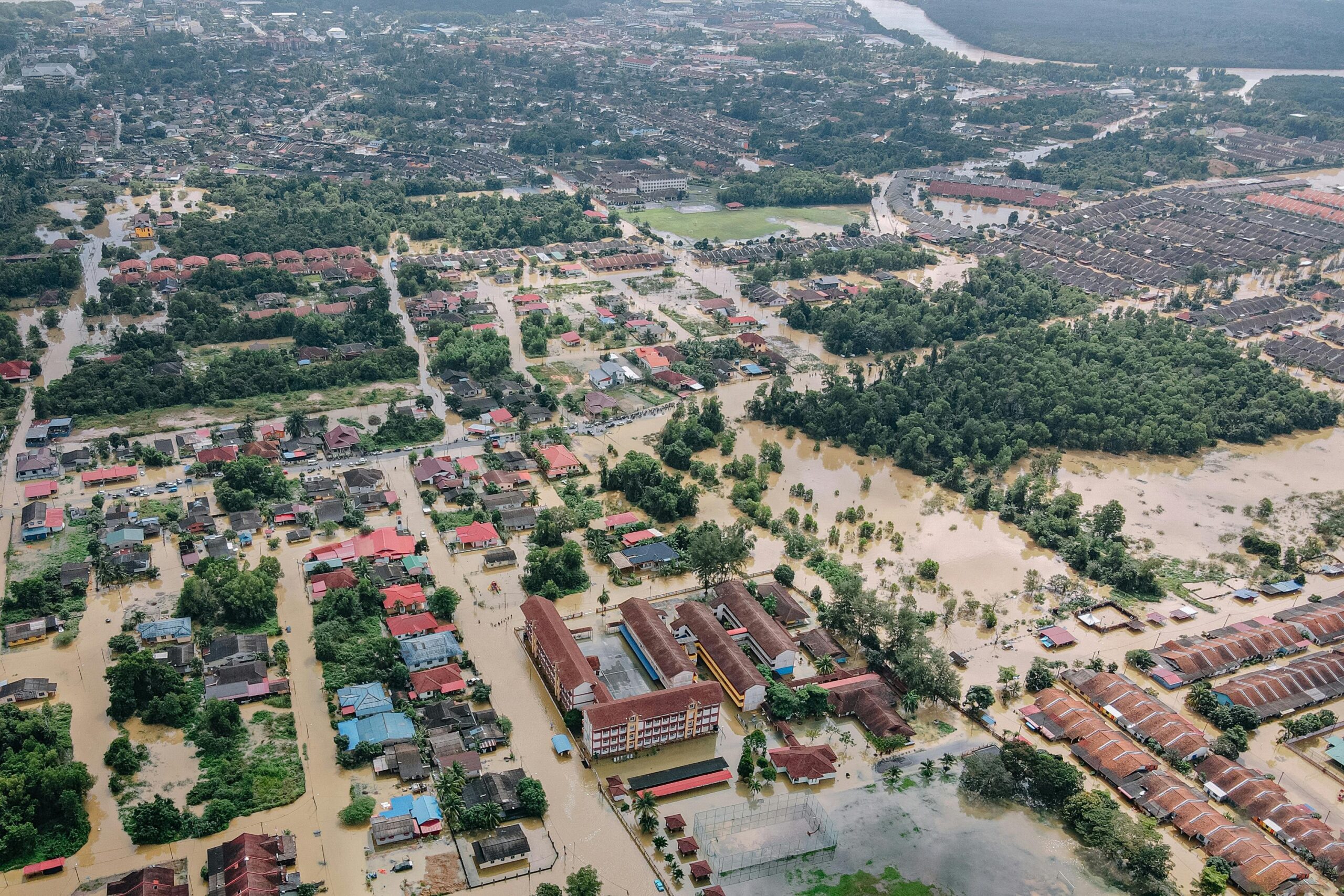
Tiny homes are revolutionizing modern living, but without proper foundation planning, these compact dwellings can become vulnerable to one of nature’s most destructive forces: flooding. 🏠

As climate patterns shift and extreme weather events become more frequent, the need for flood-resilient construction has never been more critical. Tiny home enthusiasts and builders are discovering that the foundation—literally the rock upon which everything rests—determines whether their dream home survives or succumbs to rising waters.
The tiny house movement has captured imaginations worldwide, offering financial freedom, environmental sustainability, and lifestyle simplicity. However, the same compact footprint that makes these homes appealing also presents unique challenges when it comes to flood protection. Traditional foundation strategies don’t always translate effectively to structures weighing significantly less than conventional houses.
Understanding how to build flood-resilient foundations for tiny homes requires knowledge of hydrology, soil composition, engineering principles, and local building codes. This comprehensive guide explores proven strategies, innovative solutions, and practical considerations for protecting your tiny home investment from water damage.
Understanding Flood Risks for Tiny Home Foundations 🌊
Before breaking ground on any tiny home project, conducting a thorough flood risk assessment is essential. Flood zones are designated by agencies like FEMA in the United States, categorizing areas based on their statistical likelihood of flooding over specific time periods.
Properties in Special Flood Hazard Areas (SFHAs) face a 26% chance of flooding during a 30-year mortgage period—far higher than the 9% chance of fire damage most homeowners worry about. For tiny home builders, these statistics carry even greater weight since the entire structure represents a concentrated investment.
Flood risks vary dramatically based on geography. Coastal regions face storm surge threats, riverine areas experience seasonal overflow, and even seemingly safe locations can have hidden vulnerabilities from poor drainage or watershed changes upstream.
Types of Flooding That Threaten Tiny Homes
Flash flooding occurs rapidly, often within six hours of heavy rainfall, giving little warning time. These sudden deluges can generate tremendous force, potentially displacing improperly anchored tiny homes or undermining foundation supports.
River flooding develops more gradually as waterways exceed their banks, sometimes maintaining elevated levels for days or weeks. This prolonged exposure tests foundation materials’ durability and increases hydrostatic pressure risks.
Coastal flooding from hurricanes and tropical storms combines multiple hazards: storm surge, wave action, and sustained high water. Tiny homes in these areas require the most robust foundation engineering.
Foundation Types That Withstand Water Damage
Selecting the appropriate foundation type represents the most crucial decision in flood-resilient tiny home construction. Each option offers distinct advantages and limitations depending on site conditions, budget constraints, and local regulations.
Pier and Post Foundations: Elevated Protection
Pier foundations elevate tiny homes above flood levels, allowing water to flow beneath the structure without causing damage. This approach works exceptionally well for tiny homes due to their relatively light weight compared to traditional houses.
Concrete piers extend deep into stable soil or bedrock, creating anchoring points that resist both vertical settlement and lateral movement from floodwaters. The elevation height should exceed base flood elevation (BFE) requirements by at least one foot, with many experts recommending two feet of freeboard for additional safety.
Steel posts offer similar elevation benefits with faster installation times. Hot-dipped galvanized or stainless steel posts resist corrosion from repeated water exposure. These work particularly well in areas with less severe flooding where concrete’s mass isn’t necessary for stability.
Helical piers provide excellent performance in challenging soil conditions. Their screw-like design anchors deep into the ground, distributing loads effectively while requiring minimal excavation. This foundation type has gained popularity in flood-prone areas because installation doesn’t disturb surrounding drainage patterns.
Slab Foundations With Strategic Modifications
Traditional slab foundations typically aren’t recommended for flood zones, but modified approaches can work in areas with minimal flooding risk. Raising the slab above grade using engineered fill creates elevation while maintaining the simplicity of monolithic construction.
Floating slab foundations allow the structure to rise and fall with flood waters—a controversial approach that requires precise engineering but has proven effective in certain applications. This technique works best with extremely lightweight tiny homes and requires special anchoring systems to prevent flotation during extreme events.
Engineering Principles for Flood-Resistant Foundations 🔧
Proper engineering transforms basic foundation concepts into flood-resistant systems. Understanding the forces at play helps builders make informed decisions about materials, dimensions, and construction techniques.
Hydrostatic and Hydrodynamic Forces
Hydrostatic pressure increases with water depth, exerting uniform force against all submerged surfaces. Foundations must withstand this pressure without cracking or allowing water infiltration. For tiny homes elevated on piers, hydrostatic pressure primarily affects the pier structure itself rather than the living space.
Hydrodynamic forces result from moving water striking the foundation. During flash floods or storm surge events, flowing water generates significant lateral loads. Foundation designs must account for these dynamic forces through adequate bracing and anchoring.
Debris impact represents an often-overlooked hazard. Floodwaters carry trees, vehicles, and building materials that can strike foundation elements with tremendous force. Pier foundations naturally resist debris impact better than solid walls by allowing materials to pass through.
Soil Considerations and Load Distribution
Soil composition dramatically affects foundation performance during flooding. Sandy soils drain quickly but offer less bearing capacity, while clay soils retain water, potentially causing expansion and instability.
Geotechnical analysis identifies soil characteristics and determines appropriate foundation depth and design. For tiny homes, this analysis often reveals opportunities to use lighter foundation systems than conventional houses require, reducing costs while maintaining safety.
Load distribution becomes critical when supporting concentrated weight on individual piers. Proper spacing prevents overloading any single point while maintaining structural integrity. Most tiny homes require between 6-12 pier locations depending on size and design.
Material Selection for Longevity and Durability
Choosing materials that withstand repeated water exposure ensures long-term foundation performance. Not all construction materials tolerate flooding equally, and selecting flood-resistant options prevents premature deterioration.
Concrete Specifications for Wet Environments
Standard concrete performs adequately in many flood scenarios, but enhanced mixtures offer superior resistance. Adding supplementary cementitious materials like fly ash or slag cement reduces permeability while improving long-term strength.
Concrete sealers and waterproofing admixtures provide additional protection against water infiltration. These products integrate into the concrete mixture or apply to cured surfaces, creating barriers that prevent moisture migration.
Reinforcement placement protects steel from corrosion. Adequate concrete cover (typically 3 inches for foundations) prevents water from reaching rebar, while epoxy-coated or stainless steel reinforcement offers enhanced protection in highly corrosive environments.
Treated Lumber and Composite Materials
Pressure-treated lumber rated for ground contact (UC4A or higher) resists rot and insect damage when used in foundation applications. However, even treated wood has limitations in permanently wet conditions.
Composite materials like fiber-reinforced polymer (FRP) lumber offer exceptional water resistance without the environmental concerns associated with chemical wood treatments. These engineered products cost more initially but may prove economical over the structure’s lifespan.
Metal components require appropriate corrosion protection. Hot-dip galvanization provides reliable protection for steel hardware, while marine-grade stainless steel offers premium performance in salt-water environments.
Drainage Systems That Complement Foundations 💧
Even the strongest foundation benefits from proper drainage systems that direct water away from the structure. Integrated drainage design reduces hydrostatic pressure and minimizes exposure to standing water.
Surface Drainage Strategies
Grading the surrounding terrain creates positive drainage away from the foundation. A minimum slope of 5% for the first ten feet directs water away effectively. For tiny homes on elevated foundations, this grading also prevents water pooling beneath the structure.
French drains intercept groundwater before it reaches the foundation area. These trenches filled with gravel and perforated pipe collect and redirect subsurface water, reducing hydrostatic pressure on foundation elements.
Swales and berms work together to channel surface runoff around vulnerable areas. These landscape features integrate functional drainage with aesthetic considerations, creating natural-looking water management systems.
Foundation Drainage Details
Perimeter drains installed around pier footings prevent water accumulation that could undermine stability. These systems prove especially important in areas with high water tables or poor natural drainage.
Sump pumps provide active water removal in situations where passive drainage proves insufficient. Battery backup systems ensure continued operation during power outages that often accompany flooding events.
Anchoring Systems That Prevent Flotation ⚓
Tiny homes’ lightweight construction creates unique flotation risks during major flood events. Adequate anchoring prevents the structure from lifting off its foundation when floodwaters rise.
Building codes in flood-prone areas increasingly require engineered tie-down systems rated for specific wind and flood loads. These calculations account for the structure’s weight, surface area, and expected water depths.
Ground anchors extend deep into stable soil, providing resistance against uplift forces. Helical anchors, driven piles, and concrete deadmen all serve this purpose, with selection depending on soil conditions and load requirements.
Connection hardware must withstand tremendous forces without failing. Hurricane ties, hold-down brackets, and through-bolts transfer loads from the structure to the anchoring system. Using properly rated hardware and following manufacturer installation instructions ensures these connections perform as designed.
Navigating Building Codes and Insurance Requirements 📋
Regulatory compliance affects both the legality and insurability of tiny home foundations in flood zones. Understanding these requirements before construction prevents costly mistakes and potential legal issues.
FEMA Guidelines and Local Adaptations
The National Flood Insurance Program (NFIP) establishes baseline construction standards for flood-prone areas. Communities participating in NFIP must enforce these minimum requirements, though many jurisdictions adopt more stringent local amendments.
Lowest floor elevation requirements typically mandate that the lowest structural component sits above base flood elevation. For tiny homes on pier foundations, this generally means the bottom of floor joists, not the piers themselves.
Enclosure limitations restrict how space beneath elevated structures can be used. Areas below BFE must remain free of obstruction to allow floodwater passage, though limited storage and parking typically receive approval if properly designed with flood vents.
Documentation and Certification
Elevation certificates document compliance with flood elevation requirements. Licensed surveyors measure and certify lowest floor heights, providing documentation necessary for insurance and code compliance.
Engineering certifications may be required for foundation designs in high-risk areas. Professional engineers stamp plans confirming that designs meet applicable standards and will perform as intended during flood events.
Maintenance Practices That Preserve Foundation Integrity
Even properly constructed flood-resilient foundations require ongoing maintenance to ensure continued performance. Regular inspections and preventive measures extend foundation life while identifying problems before they become serious.
Annual foundation inspections should examine all visible components for signs of deterioration, settlement, or damage. Look for cracks in concrete, corrosion on metal elements, rot in wooden components, and any deviation from level.
Drainage system maintenance keeps water flowing away from the foundation. Clear debris from French drains, verify that grading remains positive, and ensure that gutters and downspouts discharge well away from the structure.
Post-flood assessments check for damage that might compromise future performance. Even if the foundation appeared to perform well, floodwaters may have undermined footings, deposited debris that blocks drainage, or corroded hardware that needs replacement.
Innovative Approaches Pushing Boundaries Forward 🚀
As tiny home popularity grows and climate challenges intensify, innovative foundation solutions continue emerging. These cutting-edge approaches offer glimpses into the future of flood-resilient construction.
Amphibious foundations allow structures to float vertically along guide posts during floods, then settle back to ground level as waters recede. This technology, proven in the Netherlands and United Kingdom, adapts well to tiny homes’ light weight and compact footprint.
Deployable flood barriers integrate with foundation systems, automatically activating when water levels rise. These mechanical or inflatable systems provide temporary protection during events while remaining unobtrusive during normal conditions.
Smart monitoring systems use sensors to track foundation movement, water intrusion, and structural stress. Connected devices alert owners to developing problems, enabling proactive responses before minor issues become major failures.
Cost Considerations and Budget Planning 💰
Flood-resilient foundations typically cost more than conventional approaches, but this investment protects against catastrophic losses while potentially reducing insurance premiums.
Pier foundations for tiny homes generally range from $5,000 to $15,000 depending on height, soil conditions, and site accessibility. This represents roughly 10-20% of total tiny home construction costs for most projects.
Value engineering identifies opportunities to optimize costs without compromising performance. Working with experienced professionals helps distinguish between essential flood protection features and optional enhancements that might exceed budget constraints.
Long-term cost analysis should consider insurance savings, reduced maintenance expenses, and avoided flood damage. Many owners find that investing in superior foundation systems pays for itself over time through these ongoing benefits.

Building Your Future on Solid Ground
Creating flood-resilient foundations for tiny homes requires thoughtful planning, quality materials, and attention to engineering principles. The strategies outlined here provide pathways to protect your investment against one of nature’s most persistent threats.
Whether you’re planning a tiny home in a designated flood zone or simply want peace of mind against unexpected water events, proper foundation design delivers security that allows you to enjoy your compact living space without constant worry.
The tiny house movement continues evolving, and flood-resilient construction represents not just a defensive measure but an opportunity to demonstrate how thoughtful design creates housing that works with natural systems rather than against them. By building foundations as solid as rock, tiny home enthusiasts ensure their dreams remain standing regardless of what weather patterns bring.
Start your flood-resilient tiny home journey by consulting with local engineers familiar with regional conditions, reviewing applicable building codes, and carefully evaluating your specific site’s characteristics. With proper planning and execution, your tiny home can weather any storm while providing the simplified lifestyle that drew you to compact living in the first place.