When disaster strikes, access to clean water and proper sanitation becomes a matter of life and death, making off-grid solutions essential survival knowledge.

Natural disasters, humanitarian crises, and emergency situations can instantly disrupt municipal water supplies and sewage systems, leaving communities vulnerable to dehydration and disease. Understanding how to secure safe drinking water and maintain sanitary conditions without modern infrastructure isn’t just preparedness—it’s a critical survival skill that can save countless lives during the most challenging circumstances.
The World Health Organization estimates that contaminated water and poor sanitation are linked to transmission of diseases such as cholera, dysentery, hepatitis A, and typhoid. In disaster scenarios, these health risks multiply exponentially when people are displaced, infrastructure is damaged, and traditional services collapse. This comprehensive guide explores practical, implementable solutions for water procurement, purification, and sanitation that function completely off-grid.
🚰 Understanding Your Water Needs During Emergencies
The human body requires approximately 2-3 liters of water daily for hydration alone, but survival situations demand significantly more when accounting for cooking, hygiene, and sanitation. During disasters, planning for at least 4-5 liters per person per day creates a realistic baseline for maintaining health and basic cleanliness.
Water priorities in disaster relief follow a specific hierarchy: drinking water comes first, followed by food preparation, basic hygiene, and finally sanitation needs. Understanding this prioritization helps allocate limited resources effectively when every drop counts. In extreme heat or with injured individuals requiring wound care, these requirements can double or even triple.
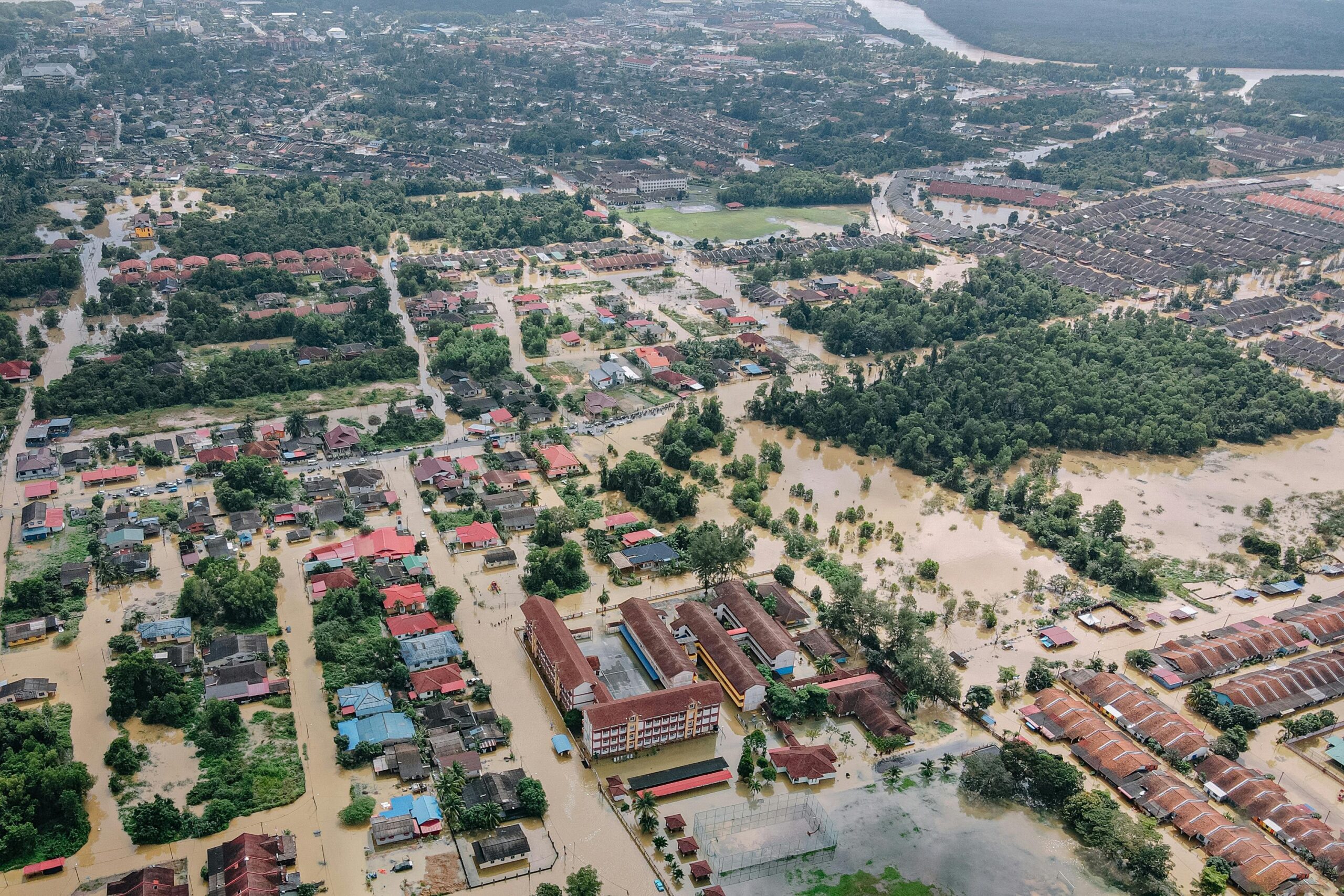
Different disaster scenarios present unique challenges. Floods contaminate existing water sources with sewage and chemicals, earthquakes rupture water mains and compromise wells, while hurricanes can saturate aquifers with saltwater. Each situation demands tailored approaches to water acquisition and treatment.
Natural Water Source Identification and Assessment
Locating water sources during emergencies requires understanding your environment and recognizing natural indicators. Rivers, streams, and springs offer flowing water that’s generally safer than stagnant sources, though never assume any natural water is safe without treatment. Animal tracks often lead to water sources, and vegetation becomes lusher near underground moisture.
In urban disaster settings, look beyond obvious sources. Swimming pools contain thousands of gallons of treatable water, hot water heaters hold 40-80 gallons of relatively clean water, and toilet tanks (not bowls) provide emergency reserves. Rain gutters, dehumidifiers, and even pipes can yield precious water when properly accessed.
Water quality assessment begins with visual inspection—clear water isn’t necessarily safe, but obviously contaminated water requires more intensive treatment. Smell can indicate organic contamination, while unusual colors suggest chemical pollutants or heavy metals that may be impossible to treat with basic methods.
Rainwater Harvesting Systems for Disaster Scenarios
Rainwater collection provides one of the cleanest off-grid water sources when implemented correctly. A basic system requires only a collection surface, guttering, and storage containers. One inch of rainfall on a 1,000 square foot roof yields approximately 600 gallons of water—a substantial emergency reserve.
Improvised rainwater systems can be constructed from tarps, plastic sheeting, or any non-toxic waterproof material angled to channel water into containers. The first few minutes of rainfall should be diverted to wash contaminants from collection surfaces—this “first flush” carries the most debris, bird droppings, and accumulated pollutants.
Storage containers must be food-grade, covered to prevent mosquito breeding, and positioned to allow gravity-fed distribution when possible. Dark containers prevent algae growth, while elevated storage provides natural water pressure without pumping. Even collected rainwater requires filtration and purification before consumption in disaster contexts.
💧 Off-Grid Water Purification Methods That Actually Work
Water purification removes or kills pathogens, parasites, and harmful microorganisms that cause waterborne diseases. Multiple treatment methods exist, each with advantages and limitations. The most reliable approach combines multiple techniques to address different contaminant types.
Boiling remains the most universally effective purification method, killing all pathogens including viruses, bacteria, and parasites. Bringing water to a rolling boil for one minute (three minutes above 6,500 feet elevation) ensures complete sterilization. The primary drawbacks are fuel requirements and the time needed for water to cool before use.
Chemical disinfection using household bleach offers a lightweight, portable solution when boiling isn’t feasible. Add 8 drops of unscented 5-6% sodium hypochlorite bleach per gallon of clear water (16 drops if cloudy), mix thoroughly, and wait 30 minutes before use. The water should have a slight chlorine odor—if not, repeat the dose and wait another 15 minutes.
Filtration Systems for Emergency Water Treatment
Physical filtration removes sediment, parasites, and bacteria through various media. Commercial portable filters like LifeStraw, Sawyer Mini, and Katadyn models provide reliable filtration down to 0.1-0.2 microns, eliminating 99.9999% of bacteria and 99.999% of parasites. These compact devices process hundreds or thousands of gallons before requiring replacement.
DIY filtration systems can be constructed using readily available materials in disaster situations. A biosand filter consists of layers of sand, gravel, and activated charcoal in a container, naturally filtering water as it passes through. While slower than commercial options, these systems can serve entire families or small groups.
The layered filtration approach uses progressively finer materials: coarse gravel removes large debris, sand filters smaller particles, and activated charcoal absorbs chemicals and improves taste. Coffee filters, clean cloth, or even layers of grass can provide basic pre-filtration before more intensive treatment. Remember that filtration alone doesn’t remove viruses—combine with chemical treatment or boiling for complete safety.
Solar Disinfection: Harnessing UV Power
SODIS (Solar Water Disinfection) uses UV-A radiation and heat to purify water, requiring only clear plastic bottles and sunlight. Fill transparent PET bottles with filtered water, remove all air, and place them on reflective surfaces in direct sunlight for 6 hours (or 2 days if cloudy). UV radiation damages pathogen DNA, rendering them harmless.
This zero-cost method works best with water already filtered of sediment, as particles can shield microorganisms from UV exposure. Dark bottles or painted bottles won’t work—transparency is essential. SODIS proves particularly valuable when fuel is scarce and chemical treatments are unavailable, making it ideal for extended displacement situations.
🏗️ Constructing Emergency Sanitation Systems
Proper sanitation prevents disease transmission, maintains dignity, and protects water sources from contamination. When conventional sewage systems fail, implementing safe waste management becomes critical within the first 24 hours of a disaster to prevent cholera, dysentery, and other fecal-oral transmitted diseases.
The first sanitation priority is separating human waste from water sources, living areas, and food preparation zones. Waste must be contained at least 50 meters from water sources and downhill when possible. Proper placement prevents groundwater contamination and reduces disease vector exposure.
Emergency Latrine Construction
A basic pit latrine requires digging a hole 1-2 meters deep and 1 meter in diameter, positioned away from water sources and flood zones. The pit should be covered with a platform containing a small opening (20-25 cm), with a lid or cover to exclude flies when not in use. This simple structure can serve a family for weeks or even months depending on usage.
Trench latrines work better for larger groups or when soil conditions prevent deep digging. Excavate a trench 90-150 cm deep and 30 cm wide, as long as needed, with excavated soil piled alongside. Users squat over the trench, and soil is added after each use to cover waste, control odors, and deter flies. When the trench is nearly full, cover completely with 30 cm of compacted soil and relocate.
Portable toilet systems can be improvised using 5-gallon buckets with toilet seats, heavy-duty bags, and absorptive materials like sawdust, ash, or cat litter. Each use should be covered with absorbent material, and bags should be sealed and buried or disposed of properly when 2/3 full. This “bucket toilet” system provides dignity and safety when digging isn’t possible.
Waste Management and Decomposition
Proper waste management extends beyond initial containment. Human waste contains pathogens that remain infectious for weeks or months in the environment. Composting toilets accelerate decomposition while killing pathogens through heat generated during aerobic decomposition, though they require proper management and time to be safe.
Adding lime, ash, or dry soil after each toilet use raises pH levels, reducing odors and pathogen survival. Sawdust or dry leaves add carbon for better decomposition and odor control. In emergency situations, simply covering waste with 10-15 cm of soil after each use dramatically reduces fly breeding and disease transmission.
Handwashing stations are essential components of sanitation systems, not optional extras. A simple tippy-tap can be constructed using a water container with a small hole, suspended at handwashing height with a foot pedal to tip the container for water flow. Position these stations immediately adjacent to latrines and near food preparation areas, with soap or ash available for scrubbing.
📱 Technology-Assisted Water and Sanitation Solutions
Modern technology offers valuable tools for disaster relief water and sanitation management. Smartphone apps can identify water sources, track purification methods, and coordinate sanitation efforts among relief teams and affected populations.
Water quality testing apps use smartphone cameras and simple test strips to analyze water parameters including pH, chlorine levels, and bacterial contamination. These tools help relief workers prioritize treatment efforts and verify purification effectiveness without laboratory equipment.
GPS-enabled mapping applications allow communities to mark water sources, functional latrines, and contaminated areas, creating real-time sanitation maps that prevent disease spread and optimize resource distribution. This information sharing proves invaluable in large-scale disasters affecting extensive areas.
🔧 Essential Tools and Materials for Water and Sanitation
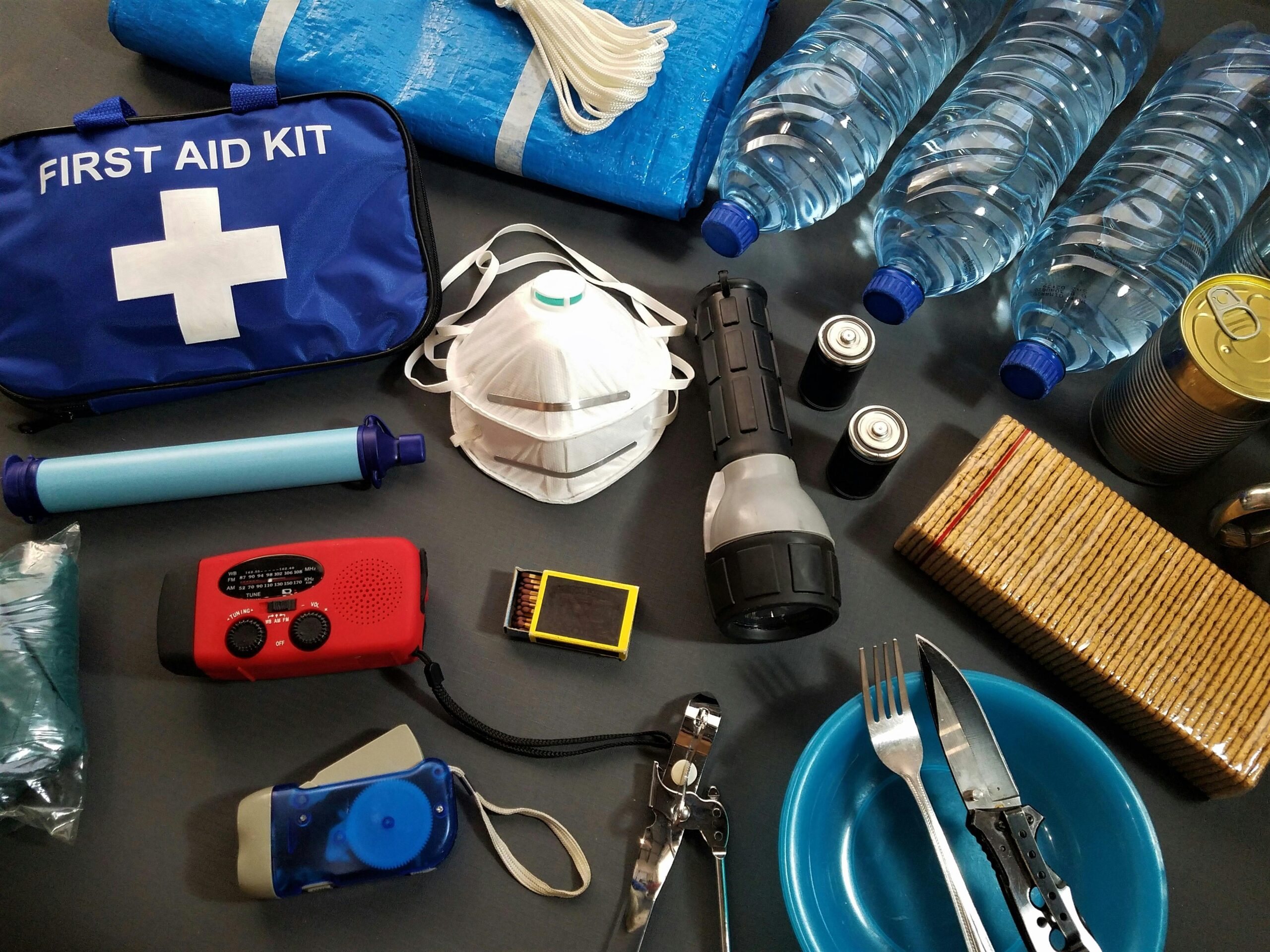
Maintaining a pre-positioned disaster preparedness kit dramatically improves response capabilities. Water-focused supplies should include portable filters, purification tablets, bleach, storage containers, and water testing strips. These items remain stable for years when properly stored and occupy minimal space.
Sanitation kit essentials include shovels or folding entrenching tools, toilet paper or alternatives, soap, hand sanitizer, heavy-duty garbage bags, lime or bleach for waste treatment, and basic personal hygiene items. Including work gloves, eye protection, and antimicrobial wipes protects those constructing emergency facilities.
Don’t overlook simple tools that multiply effectiveness: water carrying containers with handles, funnels for transferring water, permanent markers for labeling, and rope or cord for securing systems. A basic tool kit with adjustable wrench, pliers, and knife enables repairs and improvisations when standard solutions aren’t available.
🌍 Community-Scale Water and Sanitation Planning
Individual preparedness matters, but community-level planning saves more lives during disasters. Organizing neighborhood water sharing agreements, identifying bulk water sources, and pre-positioning communal sanitation facilities enables rapid response when crisis strikes.
Community water storage can utilize swimming pools, cisterns, or large tanks positioned in central locations. Establishing maintenance schedules and rotation systems keeps these reserves fresh and functional. Designating individuals with purification knowledge creates redundancy—if one person is unavailable, others can continue essential water treatment.
Communal sanitation facilities reduce individual burden and improve overall hygiene when properly managed. Designated latrine areas with multiple stations, organized cleaning schedules, and clear usage guidelines prevent overwhelming individual households while maintaining community health standards. These shared resources must be positioned thoughtfully to serve all community members, including elderly and disabled individuals who may have mobility limitations.
Cultural Considerations in Disaster Sanitation
Effective sanitation systems must respect cultural practices and religious requirements to ensure adoption and proper use. Some cultures require water for cleansing rather than paper, necessitating additional water supplies near latrines. Gender-separated facilities with privacy screening are essential in many communities and improve safety for women and girls.
Engaging community leaders and members in sanitation planning increases acceptance and proper usage. What works in one cultural context may fail in another—participatory design processes create solutions that communities actually use rather than avoid or abandon.
Maintaining Water and Sanitation Systems Long-Term
Disasters don’t end after a few days—displaced populations may rely on emergency water and sanitation for weeks or months. Sustainable systems require ongoing maintenance, monitoring, and adaptation to prevent system failure and disease outbreak.
Water storage containers need regular cleaning to prevent algae growth and bacterial contamination. Every 2-4 weeks, empty containers completely, scrub with dilute bleach solution, rinse thoroughly, and refill. Regular maintenance prevents biofilm development that harbors pathogens resistant to normal purification methods.
Filtration systems require backflushing or replacement according to manufacturer guidelines or when flow rates decrease noticeably. Sand filters benefit from periodic stirring of the top layer to maintain biological activity. Chemical treatment supplies need inventory management—rotate stock before expiration dates and maintain minimum quantities for continued operations.
Latrine management includes monitoring fill levels, maintaining fly-excluding covers, ensuring adequate cover material availability, and positioning new facilities before existing ones reach capacity. Neglecting these tasks creates health hazards that negate the protective benefits of sanitation infrastructure.
When Conventional Methods Fail: Advanced Alternatives
Extreme scenarios may require unconventional approaches when standard methods aren’t viable. Atmospheric water generation using dehumidification works in humid climates even without traditional water sources. Simple passive collectors using hygroscopic materials can capture several liters per day in appropriate conditions.
Solar stills extract water from contaminated sources or even vegetation through evaporation and condensation. Dig a pit, place contaminated water or plant material at the bottom, position a collection container in the center, cover with clear plastic weighted in the middle over the container, and seal edges with soil. Solar heat evaporates water, which condenses on the plastic and drips into the collection container.
Urine can be distilled into drinkable water as a last resort—the distillation process separates water from salts and waste products. While psychologically challenging, this method has saved lives in extreme survival situations. Distillation requires heating urine until it vaporizes, then condensing the vapor in a separate container, leaving contaminants behind.
Building Resilience Through Knowledge and Preparation
The most sophisticated equipment provides limited benefit without understanding and practice. Regular drills practicing water purification, latrine construction, and hygiene protocols transform theoretical knowledge into practical skills accessible under stress. Family or community practice sessions identify gaps in supplies, knowledge, or planning before actual emergencies arise.
Educational resources should be printed and stored with emergency supplies—internet access fails during disasters precisely when information becomes most critical. Include water purification instructions, sanitation facility diagrams, and disease prevention guidelines in waterproof document protectors within emergency kits.
Children and elderly family members need age-appropriate instruction tailored to their capabilities. Even young children can understand basic hygiene practices like handwashing, while older members might maintain storage systems or monitor purification processes. Inclusive planning ensures all community members contribute to survival efforts.
Creating Your Personal Action Plan Today
Preparing for disaster-related water and sanitation challenges begins immediately, not when warnings are issued. Start by auditing current supplies—what water storage exists? How many days could your household survive on current reserves? What purification capabilities do you possess right now?
Develop a tiered acquisition plan: prioritize immediate-use items like water storage containers and basic purification methods first, then expand to advanced filtration systems and comprehensive sanitation supplies. Spreading purchases over time reduces financial burden while steadily building resilience.
Practice implementing these systems before they’re needed. Conduct a weekend relying exclusively on stored water and emergency purification methods. Build a practice latrine in a remote area to understand the labor and materials required. These exercises reveal oversights and build confidence for actual emergencies.
Connect with like-minded individuals and community organizations focused on disaster preparedness. Shared knowledge, pooled resources, and mutual support networks multiply individual capabilities. Local amateur radio clubs, community emergency response teams, and faith-based organizations often provide excellent preparation frameworks and ongoing education.
Water and sanitation security during disasters determines survival outcomes as much as shelter and food. By understanding off-grid solutions, maintaining appropriate supplies, and practicing essential skills, individuals and communities transform from vulnerable populations into resilient groups capable of enduring extended crises while maintaining health and dignity. The knowledge you build today becomes the lifeline you depend on tomorrow—invest wisely in these essential survival competencies that no disaster can take away.