
Living in a tiny home doesn’t mean sacrificing style or functionality. With smart retrofit solutions, you can transform your compact dwelling into a personalized sanctuary that maximizes every square inch.

🏠 Why Retrofit Your Tiny Home Instead of Starting Fresh?
Many tiny home owners reach a point where their initial setup no longer meets their evolving needs. Rather than investing in an entirely new structure, retrofitting offers a cost-effective and sustainable alternative. Upgrading your existing tiny living space allows you to preserve the foundation you’ve already established while incorporating modern conveniences, improved storage solutions, and enhanced aesthetic appeal.
Retrofitting is particularly advantageous for those who’ve been living in their tiny homes for a few years and have identified specific pain points. Perhaps your kitchen workflow isn’t optimal, your storage solutions are inadequate, or your interior design no longer reflects your personal style. These challenges don’t require starting from scratch—they simply need creative, targeted solutions.
The environmental benefits of retrofitting shouldn’t be overlooked either. By working with your existing structure, you reduce construction waste, minimize your carbon footprint, and embrace a more sustainable approach to home improvement. This aligns perfectly with the tiny home philosophy of conscious living and environmental responsibility.
💡 Smart Space-Saving Retrofit Additions That Make a Difference
The key to successful tiny home retrofitting lies in identifying multi-functional solutions that serve multiple purposes without overwhelming your limited space. One of the most impactful upgrades involves installing Murphy beds or wall-mounted folding furniture. These transformative pieces allow your bedroom to convert into a living room, office, or dining area within seconds.
Vertical storage systems represent another game-changing retrofit option. Installing ceiling-mounted racks, tall narrow shelving units, and wall-mounted organizers draws the eye upward while maximizing often-underutilized vertical space. Consider adding a loft area if your tiny home has sufficient ceiling height—this single addition can effectively double your usable square footage.
Sliding barn doors or pocket doors are excellent retrofits that eliminate the space-consuming swing radius of traditional doors. This simple change can free up several square feet in each room, space that can be repurposed for storage or functional furniture placement.
🔧 Kitchen Retrofit Solutions for Maximum Efficiency
The kitchen often presents the biggest challenge in tiny homes, but thoughtful retrofits can dramatically improve functionality. Installing pull-out pantry systems in narrow spaces creates accessible storage that would otherwise be wasted. Magnetic knife strips, hanging pot racks, and under-cabinet organizers keep essential tools within reach while maintaining clear counter space.
Consider retrofitting your appliances with compact, multi-functional alternatives. Combination microwave-convection ovens, two-burner induction cooktops, and under-counter refrigerators provide full functionality in a fraction of the space. Installing a fold-down cutting board or countertop extension creates additional prep space that disappears when not needed.
Lighting retrofits in the kitchen shouldn’t be overlooked. LED strip lighting under cabinets improves visibility for food preparation while creating an ambient atmosphere. Motion-sensor cabinet lighting eliminates fumbling for switches while conserving energy.
🛋️ Transform Your Living Area with Strategic Retrofits
Your living space serves multiple functions in a tiny home, so retrofitting this area requires careful planning. Built-in seating with hidden storage compartments provides comfortable lounging while concealing seasonal items, books, or electronics. Window seats with lift-up lids offer similar benefits while creating cozy reading nooks.
Installing a projector system instead of a traditional television mount frees up valuable wall space and creates a theater-like experience. The projector can be ceiling-mounted and paired with a retractable screen or simply projected onto a blank wall, maintaining the minimalist aesthetic many tiny home owners cherish.
Convertible coffee tables that rise to dining height or expand to accommodate guests maximize functionality without permanent space commitment. These pieces represent ideal retrofit additions because they adapt to your changing needs throughout the day.
🪟 Window and Lighting Retrofits That Expand Your Space Visually
Strategic window retrofits can dramatically alter how spacious your tiny home feels. Replacing smaller windows with larger ones or adding skylights floods your interior with natural light, creating an airy, open atmosphere. If structural changes aren’t feasible, installing window seats or removing heavy window treatments allows maximum light penetration.
Layered lighting retrofits transform the ambiance of tiny spaces. Combining overhead lighting with task lighting, accent lights, and dimmable options creates depth and allows you to adjust the atmosphere for different activities. Smart lighting systems offer convenience and energy efficiency, with the ability to control brightness and color temperature from your smartphone.
Mirrors strategically placed opposite windows reflect natural light and create the illusion of expanded space. A full-length mirror on a closet door or a decorative mirror collection on one wall serves both functional and aesthetic purposes.
🚿 Bathroom Retrofit Ideas That Maximize Comfort and Function
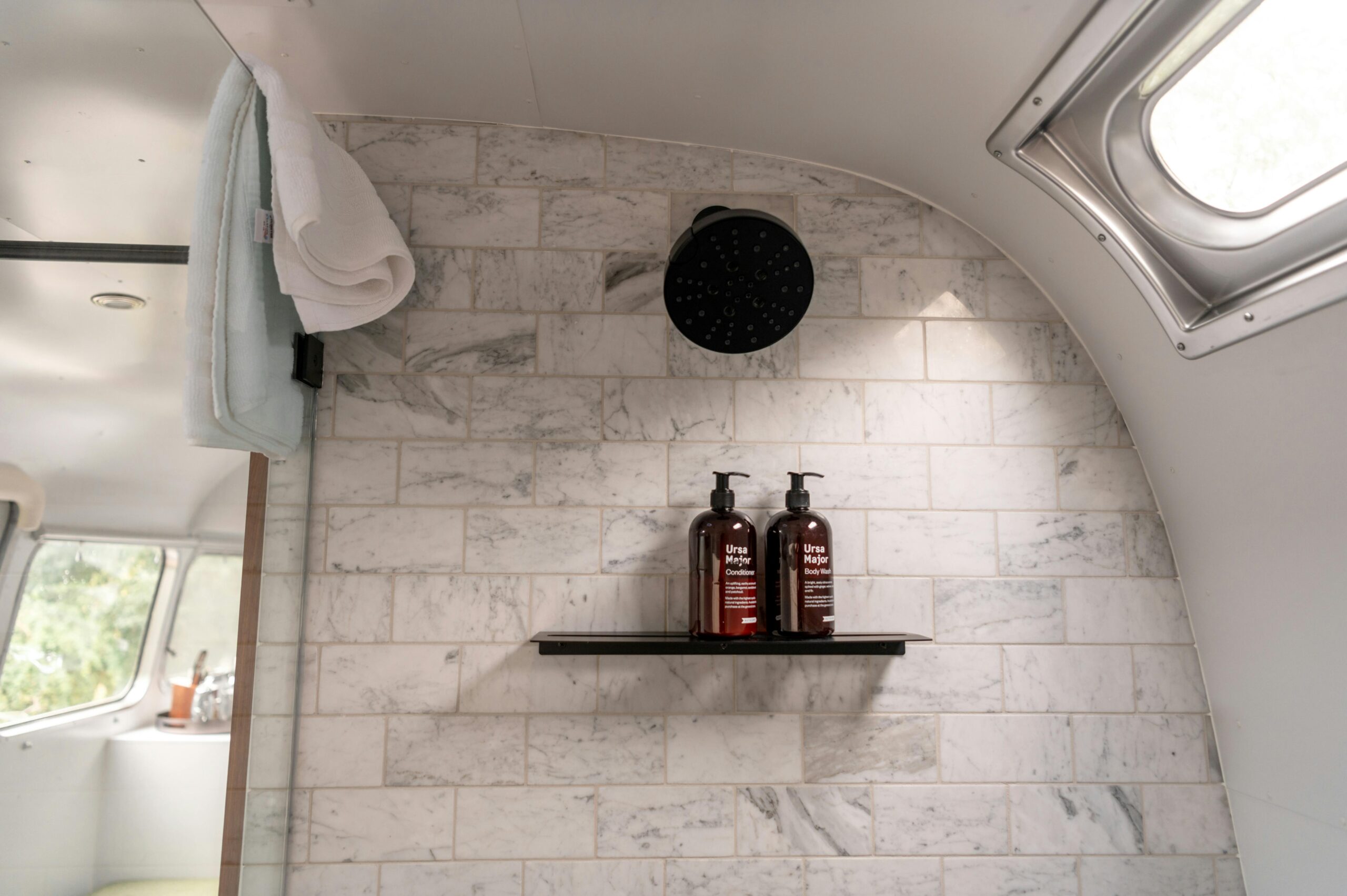
Tiny home bathrooms benefit immensely from thoughtful retrofits. Replacing a traditional shower with a wet room design eliminates the space required for a separate shower enclosure while creating a spa-like experience. Ensure proper waterproofing and install adequate drainage to prevent moisture issues.
Wall-mounted toilets and floating vanities create visual space by exposing more floor area. This simple retrofit makes the bathroom feel larger while simplifying cleaning. Corner sinks and compact fixtures specifically designed for small spaces provide full functionality without the footprint of standard bathroom fixtures.
Installing recessed medicine cabinets and shelving utilizes wall depth that would otherwise be wasted. Shower niches built into wall cavities provide storage for toiletries without protruding into the limited bathroom space. Over-toilet shelving units maximize vertical space that typically goes unused.
🎨 Aesthetic Retrofits That Reflect Your Personal Style
Functionality matters, but your tiny home should also reflect your personality and design preferences. Retrofitting wall treatments can dramatically change your space’s appearance without major construction. Shiplap, board-and-batten, or removable wallpaper add texture and visual interest while remaining renter-friendly options if needed.
Color schemes significantly impact how spacious your tiny home feels. Light, neutral colors on walls and ceilings create an airy, expansive feel, while strategic accent walls add depth and personality. Consider painting your ceiling a lighter shade than walls to visually heighten the space.
Flooring retrofits shouldn’t be underestimated. Replacing varied flooring materials with a single continuous surface creates visual flow and makes your space feel larger. Light-colored, wide-plank flooring particularly enhances the sense of openness. If budget permits, heated flooring adds luxury and comfort while eliminating bulky space heaters.
🪴 Bringing Nature Inside Through Green Retrofits
Incorporating plants and natural elements transforms tiny homes into vibrant, healthy living spaces. Retrofit hanging planters from ceiling hooks or install floating shelves dedicated to greenery. Vertical garden walls serve as living art installations while improving air quality and adding natural beauty.
Natural materials in retrofit projects—wood accents, stone countertops, bamboo fixtures—create warmth and connect your interior to the outdoor environment. These elements complement the tiny home lifestyle’s emphasis on sustainable, eco-conscious living.
⚡ Technology and Smart Home Retrofits for Modern Living
Modern technology offers numerous retrofit opportunities that enhance tiny home living without consuming physical space. Smart thermostats learn your preferences and optimize energy usage, crucial in small spaces where temperature control impacts comfort significantly. Voice-activated assistants control lighting, temperature, music, and more without requiring physical switches or remotes.
Retrofitting your tiny home with smart storage solutions includes motorized lift systems for beds, automated window treatments that adjust based on time of day, and app-controlled security systems that eliminate bulky equipment. These technologies maximize convenience while maintaining your minimalist aesthetic.
Installing USB outlets and wireless charging stations throughout your tiny home eliminates cord clutter while keeping devices powered. Centralized tech hubs consolidate routers, modems, and charging equipment in concealed locations, maintaining clean visual lines.
🔨 DIY-Friendly Retrofit Projects for Budget-Conscious Upgraders
Not all retrofit solutions require professional installation or substantial budgets. Many impactful upgrades can be completed as DIY projects with basic tools and moderate skills. Installing floating shelves, for instance, provides storage and display space with minimal investment and can be customized to fit awkward spaces perfectly.
Pegboard walls in work areas, kitchens, or closets offer incredibly versatile storage that adapts as your needs change. Simply move hooks and accessories to accommodate different tools, utensils, or accessories. This retrofit solution is both functional and visually appealing when organized thoughtfully.
Upgrading cabinet hardware, installing new light fixtures, and adding removable adhesive hooks throughout your tiny home are simple weekend projects that significantly impact aesthetics and functionality. These small changes accumulate into a comprehensive transformation without overwhelming your budget or timeline.
🛠️ When to Call Professionals for Your Retrofit Project
While many retrofits suit DIY approaches, certain projects require professional expertise. Electrical work, plumbing modifications, and structural changes should always involve licensed contractors to ensure safety and code compliance. Gas line adjustments, HVAC installations, and major window replacements similarly benefit from professional handling.
Custom carpentry for built-in furniture and storage often justifies professional investment. Experienced craftspeople maximize every inch while ensuring quality construction that withstands daily use in your tiny home. Their expertise in space-efficient design often reveals solutions you might not have considered.
💰 Budgeting Your Tiny Home Retrofit: Prioritizing Upgrades
Successful retrofitting requires realistic budgeting and strategic prioritization. Begin by listing all desired upgrades, then categorize them by urgency, impact, and cost. Address functional issues before aesthetic improvements—a leaking faucet takes precedence over decorative molding, for example.
Consider implementing your retrofit plan in phases, tackling high-impact projects first. This approach spreads costs over time while allowing you to live with changes before committing to additional modifications. You might discover that solving one problem eliminates others or reveals better solutions than originally planned.
Research costs thoroughly before beginning. Obtain multiple quotes for professional services, compare material prices from different suppliers, and factor in unexpected expenses by adding a 15-20% contingency to your budget. Hidden issues often emerge during retrofit projects, particularly in older tiny homes.
🌟 Maximizing Your Retrofit Investment for Long-Term Value
The most successful retrofits balance immediate needs with long-term value. Choose quality materials and fixtures that withstand heavy use in compact spaces. Durable finishes, solid construction, and timeless design elements ensure your retrofits remain functional and attractive for years.
Consider future adaptability when planning retrofits. Modular storage systems, adjustable shelving, and flexible furniture arrangements accommodate changing needs without requiring additional renovations. This forward-thinking approach maximizes your investment while maintaining the adaptability that makes tiny home living appealing.
Document your retrofit projects with photos and receipts. This record proves valuable if you eventually sell your tiny home, demonstrating the care and investment you’ve made. Quality retrofits enhance resale value, particularly improvements that address common tiny home challenges like storage and multi-functionality.
🌈 Creating Cohesive Design Through Thoughtful Retrofit Planning
Individual retrofits should work together harmoniously rather than appearing as disconnected additions. Develop an overall design vision before beginning projects, considering how elements will interact. Consistent color palettes, complementary materials, and unified styles create a polished, intentional appearance.
Pinterest boards, design apps, and mood boards help visualize how various retrofits will work together. Collect inspiration images that resonate with your style, then identify common threads—color schemes, textures, or design elements—that can guide your retrofit decisions.
Balance trendy elements with timeless features. While that popular color or finish might appeal now, consider whether you’ll still appreciate it in five years. Classic design choices provide longevity, while easily changeable elements like textiles and accessories allow you to incorporate current trends without permanent commitment.
🏆 Real-Life Tiny Home Retrofit Success Stories
Learning from others’ experiences provides valuable insights and inspiration. Many tiny home owners have documented their retrofit journeys online, sharing both successes and challenges. These real-world examples demonstrate how strategic upgrades transform functionality and aesthetics.
One couple retrofitted their five-year-old tiny home by replacing their fixed dining table with a wall-mounted drop-leaf version, installing a sliding ladder for loft access instead of a permanent staircase, and adding built-in storage throughout. These changes reclaimed approximately 30 square feet of usable space while improving daily workflow.
Another tiny home owner focused on aesthetic retrofits after establishing functional systems. By installing cedar accent walls, upgrading lighting fixtures to modern pendants, and replacing vinyl flooring with luxury vinyl planks that mimicked hardwood, they created a high-end appearance without structural modifications or excessive spending.
🎯 Taking Action: Your Retrofit Journey Starts Now
Transforming your tiny home through retrofitting is an achievable goal that significantly enhances your living experience. Start by thoroughly assessing your current space, identifying frustrations, and envisioning improvements. Measure everything carefully—in tiny homes, even inches matter when planning retrofits.
Create a prioritized action plan that aligns with your budget and timeline. Begin with one project rather than attempting everything simultaneously. Completing retrofits sequentially allows you to refine your approach, learn from each project, and avoid the chaos of multiple simultaneous renovations in a small space.
Connect with the tiny home community through forums, social media groups, and local meetups. Fellow tiny home dwellers offer practical advice, recommend reliable contractors familiar with small-space challenges, and provide encouragement throughout your retrofit journey. Their collective experience represents an invaluable resource.
Remember that your tiny home retrofit journey is personal and should reflect your unique needs, style, and vision. There’s no single correct approach—the best retrofit solutions are those that improve your daily life while bringing you joy. Whether you implement dramatic structural changes or subtle refinements, each improvement moves you closer to your ideal tiny living space.
Your existing tiny home contains tremendous potential waiting to be unlocked through creative, strategic retrofitting. With thoughtful planning, realistic budgeting, and a willingness to think outside conventional design boxes, you can transform your compact dwelling into a stylish, functional oasis that perfectly supports your lifestyle. The journey toward your dream tiny home doesn’t require starting over—it simply requires reimagining what’s already there with fresh eyes and innovative solutions. Start today with one small retrofit project, and watch as your tiny home evolves into the sanctuary you’ve always envisioned. ✨