Living by the ocean offers stunning views and a refreshing breeze, but it also exposes your roof to one of the most aggressive environmental threats: salt-air corrosion.

Coastal homeowners face unique challenges when it comes to maintaining their roofs. The combination of salt spray, moisture, and intense UV radiation creates a corrosive environment that can significantly reduce your roof’s lifespan. Understanding how to protect your investment is crucial for maintaining both structural integrity and property value.
Salt-air corrosion isn’t just about visible rust or discoloration. It’s a gradual process that weakens roofing materials from the inside out, compromising your home’s first line of defense against the elements. The good news is that with proper materials, maintenance strategies, and protective solutions, you can extend your roof’s life considerably, even in harsh coastal conditions.
🌊 Understanding the Science Behind Coastal Corrosion
Salt-air corrosion occurs when sodium chloride particles from ocean spray become airborne and settle on your roof’s surface. These microscopic particles attract moisture from the humid coastal air, creating an electrolyte solution that accelerates the oxidation process. This chemical reaction is particularly damaging to metal components, but it also affects other roofing materials in various ways.
The corrosion process intensifies with proximity to the shoreline. Properties within the first mile of the coast experience the most severe exposure, though salt particles can travel several miles inland depending on wind patterns and weather conditions. Temperature fluctuations between day and night also contribute to the problem by causing expansion and contraction of roofing materials, creating microscopic cracks where salt and moisture can penetrate.
Different roofing materials respond to salt-air exposure in unique ways. Metal roofs without proper coatings develop rust and pitting. Asphalt shingles experience accelerated granule loss and brittleness. Concrete and clay tiles can suffer from spalling and efflorescence. Even wooden components like fascia boards and roof decking are vulnerable to accelerated decay when salt moisture penetrates protective finishes.
💨 Identifying Early Warning Signs of Salt Damage
Catching corrosion early can save you thousands in repair costs. Regular inspections are your first line of defense against extensive damage. Look for these telltale signs that salt air is taking its toll on your roofing system.
Visible rust stains or orange discoloration on metal flashings, gutters, and fasteners indicate oxidation has begun. White chalky deposits on tiles or shingles suggest salt crystallization is occurring. Peeling or bubbling paint on metal roof components shows that protective coatings are failing. Premature granule loss on asphalt shingles, especially if concentrated on ocean-facing slopes, signals accelerated weathering from salt exposure.
Don’t overlook subtle indicators like persistent moisture spots in your attic or water stains on interior ceilings after coastal storms. These suggest that your roof’s waterproofing integrity has been compromised. Loose or missing shingles after moderate winds might indicate that adhesive bonds have been weakened by salt and moisture infiltration.
Conducting Your Seasonal Roof Assessment
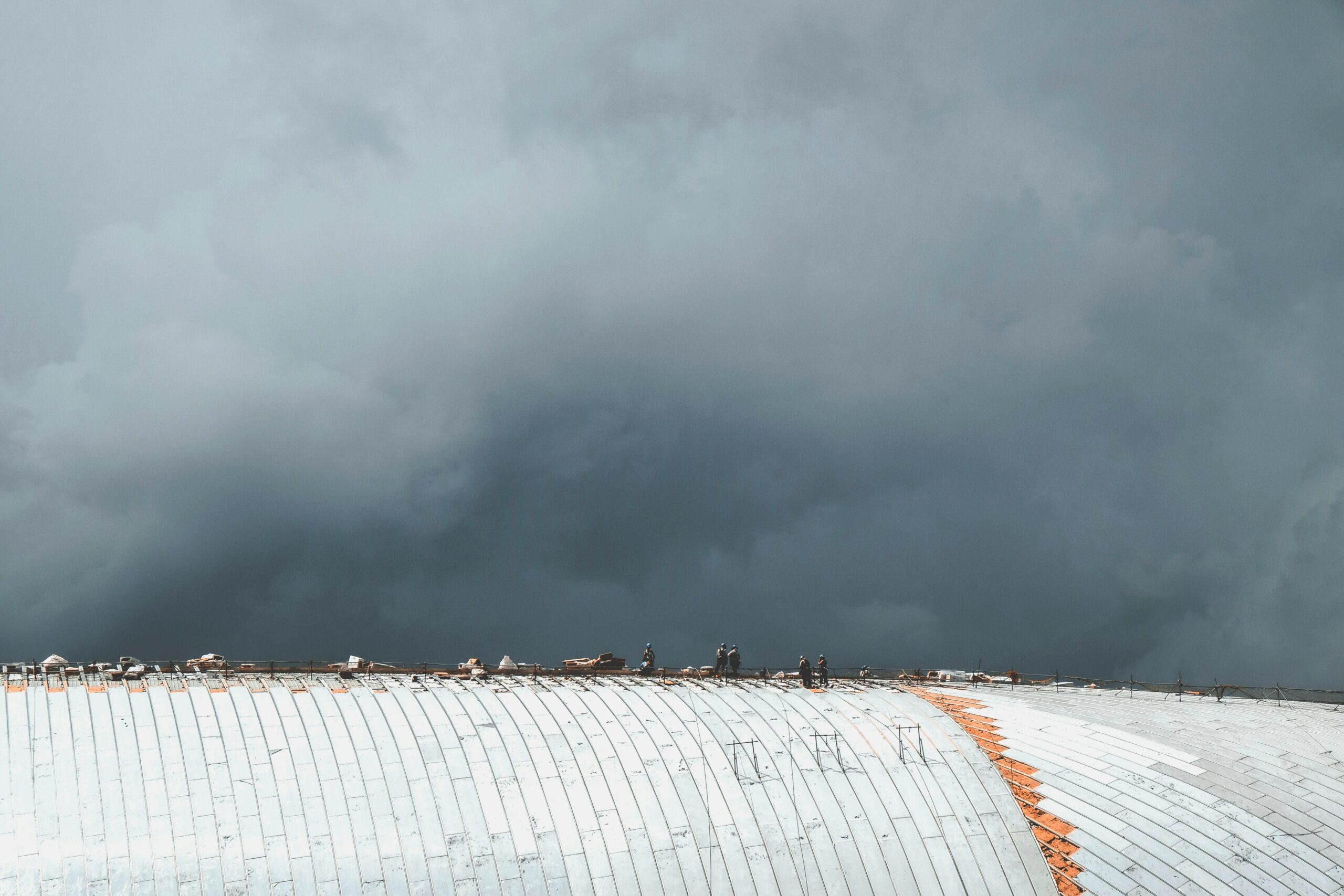
Schedule comprehensive roof inspections at least twice annually—once before hurricane season and once after. During these inspections, examine all metal components closely with binoculars from the ground, or hire a professional for close-up assessment. Check sealant integrity around chimneys, vents, and skylights where salt accumulation tends to be heaviest.
Document your findings with photographs to track deterioration patterns over time. This historical record helps you identify which areas require more frequent attention and allows you to spot acceleration in corrosion rates that might indicate a failing protective treatment.
🛡️ Choosing Corrosion-Resistant Roofing Materials
Material selection is perhaps the most critical decision for coastal roofing longevity. Not all roofing products perform equally in salt-air environments, and investing in marine-grade or specially formulated coastal materials pays dividends in extended lifespan and reduced maintenance.
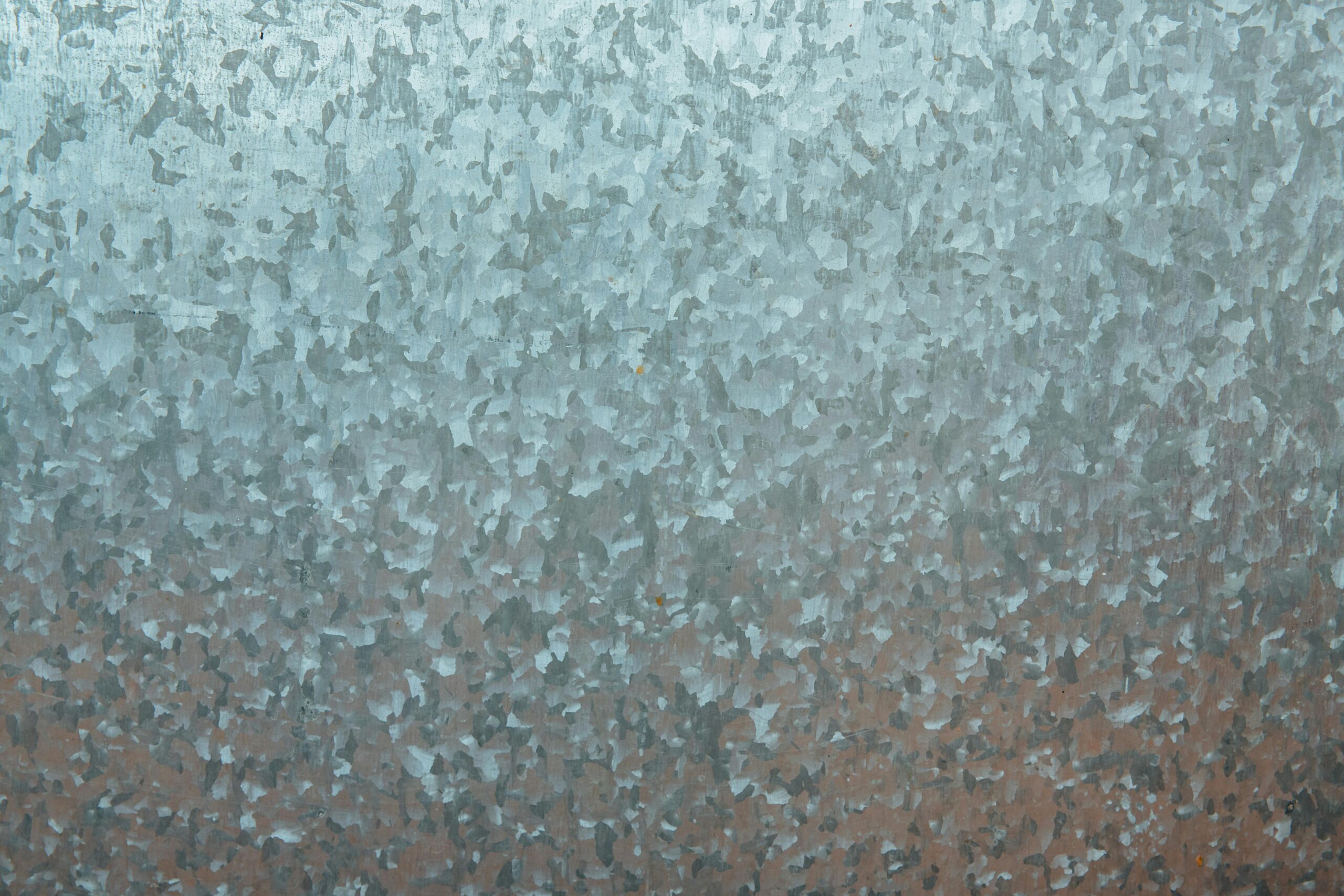
Metal roofing designed for coastal applications should feature advanced coatings like Kynar 500 or Hylar 5000, which provide superior resistance to salt corrosion. Aluminum and copper naturally resist corrosion better than steel, though they come with higher upfront costs. Stainless steel fasteners and components are essential—never use standard galvanized hardware in coastal installations.
For tile roofing, glazed ceramic or porcelain tiles outperform standard concrete tiles in salt-air conditions. The glazed surface prevents salt absorption and makes cleaning easier. Synthetic slate and composite shingles engineered for coastal environments offer excellent durability with less weight than natural materials.
Performance Comparison of Coastal Roofing Materials
| Material | Salt Resistance | Expected Lifespan (Coastal) | Maintenance Level |
|---|---|---|---|
| Aluminum Standing Seam | Excellent | 40-50 years | Low |
| Glazed Tile | Excellent | 50+ years | Low-Moderate |
| Synthetic Slate | Very Good | 30-40 years | Low |
| Coated Steel | Good | 25-35 years | Moderate |
| Premium Asphalt Shingles | Fair-Good | 15-25 years | Moderate-High |
| Standard Concrete Tile | Fair | 30-40 years | Moderate |
🔧 Essential Protective Coatings and Treatments
Even the best roofing materials benefit from additional protective treatments specifically formulated to combat salt-air corrosion. These coatings create barriers that prevent salt particles and moisture from directly contacting vulnerable surfaces.
Elastomeric roof coatings provide a flexible, waterproof membrane that expands and contracts with temperature changes while blocking salt penetration. These acrylic or silicone-based products work exceptionally well on flat or low-slope roofs and can be applied to various substrate materials. Reapplication every 5-7 years maintains optimal protection.
Anti-corrosion primers and topcoats formulated for marine environments should be applied to all metal components. These specialized coatings contain corrosion inhibitors and create a physical barrier that prevents oxidation. Products containing zinc phosphate or zinc-rich primers offer superior protection for steel components.
Application Best Practices for Maximum Protection
Surface preparation determines coating effectiveness more than any other factor. Thoroughly clean all surfaces to remove existing salt deposits, dirt, mildew, and loose material before applying protective treatments. Use a pressure washer with appropriate nozzle settings—too much pressure can damage shingles or tiles.
Apply coatings during optimal weather conditions: temperatures between 50-90°F, humidity below 85%, and no rain forecast for 24-48 hours. Follow manufacturer specifications for application thickness and curing times. Two thinner coats always outperform one thick coat in terms of adhesion and longevity.
🧹 Implementing a Strategic Maintenance Schedule
Proactive maintenance is your most cost-effective defense against salt-air corrosion. A consistent care routine removes corrosive agents before they cause permanent damage and allows you to identify developing problems while they’re still minor and inexpensive to address.
Establish a quarterly cleaning schedule at minimum. After major coastal storms, inspect and clean your roof within a week to remove concentrated salt deposits before they have time to penetrate protective coatings. Use gentle cleaning methods—harsh pressure washing can damage shingles and coatings.
- Rinse entire roof surface with fresh water to dissolve and remove salt accumulation
- Clean gutters and downspouts to prevent salt-laden water from pooling
- Inspect and clean all metal flashings, paying special attention to valleys and joints
- Remove debris that traps moisture against roofing materials
- Trim overhanging branches that hold moisture and drop debris onto your roof
- Check and reapply sealant around penetrations and transitions
- Inspect attic ventilation to ensure proper airflow that prevents moisture buildup
Seasonal Maintenance Priorities
Spring maintenance should focus on assessing damage from winter storms and preparing your roof for summer’s intense heat and UV exposure. Check that protective coatings remain intact and reapply where needed. Ensure proper drainage by clearing all gutters and verifying that downspouts direct water away from your foundation.
Fall preparations center on strengthening your roof before winter storm season. Secure any loose components, replace damaged shingles or tiles, and verify that all sealants remain flexible and watertight. Consider applying fresh protective coatings in early fall to ensure they fully cure before harsh weather arrives.
🏠 Enhancing Your Home’s Coastal Defense System
Your roof doesn’t exist in isolation—it’s part of an integrated system that protects your entire home from coastal elements. Supporting components require equal attention to maximize your roof’s lifespan and performance.
Proper attic ventilation is critical in coastal environments. Ridge vents, soffit vents, and gable vents work together to create airflow that removes moisture and reduces heat buildup. This ventilation prevents condensation from forming on the underside of your roof deck, which accelerates corrosion from the inside.
Install salt-resistant gutters and downspouts made from aluminum, copper, or vinyl rather than standard galvanized steel. Ensure these systems have adequate capacity for heavy rainfall typical of coastal storms. Consider installing gutter guards designed for coastal use that prevent debris accumulation while allowing water to flow freely.
Landscaping Strategies for Roof Protection
Strategic landscaping reduces salt-spray exposure and protects your roof from wind-driven debris. Plant salt-tolerant shrubs and trees on the ocean-facing side of your property to create a natural windbreak. These plantings absorb and filter salt spray before it reaches your home.
Avoid planting trees with heavy branches directly over your roof, as falling limbs during storms can cause catastrophic damage. Keep all vegetation trimmed back at least six feet from your roofline to prevent moisture retention and reduce debris accumulation.
💰 Calculating the Real Cost of Coastal Roof Protection
Investing in proper coastal roof protection requires upfront expenditure, but the long-term savings vastly exceed initial costs. Understanding the complete financial picture helps you make informed decisions about materials, treatments, and maintenance schedules.
A standard asphalt shingle roof might cost $5,000-$8,000 for an average home, but in coastal environments, it may require replacement every 12-15 years. A marine-grade metal roof with proper coatings might cost $15,000-$25,000 but last 40-50 years with minimal maintenance. Over a 30-year period, the metal roof actually costs less while providing superior protection.
Factor in maintenance costs when evaluating options. Protective coatings cost $500-$2,000 to apply professionally every 5-7 years. Regular cleaning services run $200-$500 quarterly. However, these preventive expenses are minimal compared to premature roof replacement or interior water damage repairs that can easily exceed $10,000-$50,000.
Insurance Considerations and Home Value Impact
Many coastal insurance policies offer premium discounts for homes with corrosion-resistant roofing materials and documented maintenance programs. Check with your insurer about certification programs that might reduce your rates. Some policies require specific roof ratings in high-wind coastal zones.
A well-maintained, corrosion-resistant roof significantly enhances property value and marketability. Prospective buyers in coastal markets specifically look for homes with quality roofing systems, understanding the importance of this investment. Professional documentation of your roof’s age, materials, and maintenance history becomes a valuable selling point.
⚡ Advanced Solutions for Severe Coastal Exposure
Properties in the harshest coastal environments—within 500 feet of the shoreline or in areas with extreme weather patterns—require additional protective measures beyond standard approaches. These advanced solutions provide the extra defense needed for extreme salt-air exposure.
Sacrificial anode systems, commonly used on boats and marine structures, can be adapted for residential roofing. These zinc or magnesium anodes corrode preferentially, protecting more valuable metal roof components through electrochemical processes. While uncommon in residential applications, they’re worth considering for high-value properties in severe exposure zones.
Nano-ceramic coatings represent cutting-edge technology in corrosion protection. These ultra-thin coatings create a molecular barrier that’s virtually impenetrable to salt and moisture while remaining breathable. Though more expensive than traditional coatings, they offer superior protection and longer service intervals.
Hurricane-Resistant Features with Corrosion Protection
Coastal properties must address both corrosion and high-wind resistance. Integrate these concerns by selecting fastening systems that provide structural strength while resisting corrosion. Stainless steel hurricane clips and straps, properly installed, secure your roof against extreme winds while withstanding salt exposure indefinitely.
Impact-resistant roofing materials engineered for coastal applications combine hail and debris resistance with corrosion protection. These materials often qualify for additional insurance discounts while providing peace of mind during storm season.
🌟 Building Your Long-Term Roof Protection Plan
Successful coastal roof protection requires commitment to a comprehensive, long-term strategy rather than reactive repairs. Develop a personalized plan that accounts for your specific exposure level, budget, and property characteristics.
Document everything related to your roof: installation dates, materials used, protective treatments applied, maintenance performed, and inspection findings. This record guides future decisions and provides valuable documentation for insurance claims or property sales. Digital photos with dates create a visual timeline of your roof’s condition.
Establish relationships with qualified coastal roofing professionals who understand salt-air challenges. Regular professional inspections catch problems your untrained eye might miss. These experts can recommend emerging technologies and treatment options specifically suited to your situation.
Budget annually for roof maintenance and protection, setting aside 1-2% of your home’s value for roofing-related expenses. This dedicated fund ensures you’re never caught unprepared when protective treatments need reapplication or minor repairs become necessary.
🔍 Embracing Innovation in Coastal Roofing Technology
The roofing industry continuously develops new materials and technologies specifically addressing coastal corrosion challenges. Staying informed about these innovations helps you make strategic upgrades that enhance your roof’s performance and longevity.
Self-cleaning roof coatings containing titanium dioxide break down organic matter and salt deposits through photocatalytic reactions triggered by sunlight. These coatings reduce maintenance requirements while maintaining protective barriers. Cool roof technologies reflect solar radiation, reducing heat absorption that accelerates coating degradation.
Smart monitoring systems now exist that track moisture levels in your attic and alert you to ventilation problems or leaks before visible damage occurs. While these systems represent additional investment, they provide early warning that prevents minor issues from becoming major problems.
Living in a coastal paradise doesn’t mean accepting premature roof failure as inevitable. With proper material selection, protective treatments, consistent maintenance, and awareness of emerging technologies, your roof can provide decades of reliable service even in the most challenging salt-air environments. The key is treating corrosion protection as an ongoing commitment rather than a one-time event, integrating these practices into your regular home care routine. Your roof is your home’s primary defense system—invest in it wisely, maintain it consistently, and it will protect your coastal investment for generations to come. 🏖️