Wildfires are increasing in frequency and intensity worldwide, making fire-resistant roofing an essential investment for homeowners in vulnerable regions. 🔥

The devastation caused by wildfires extends far beyond the flames themselves. Homes in wildfire-prone areas face constant threats from ember attacks, radiant heat, and direct flame contact. Your roof, being the largest and most exposed surface of your home, serves as the primary defense line against these fire hazards. Understanding how to protect your property with fire-resistant roofing materials can mean the difference between losing everything and maintaining your family’s safety and financial security.
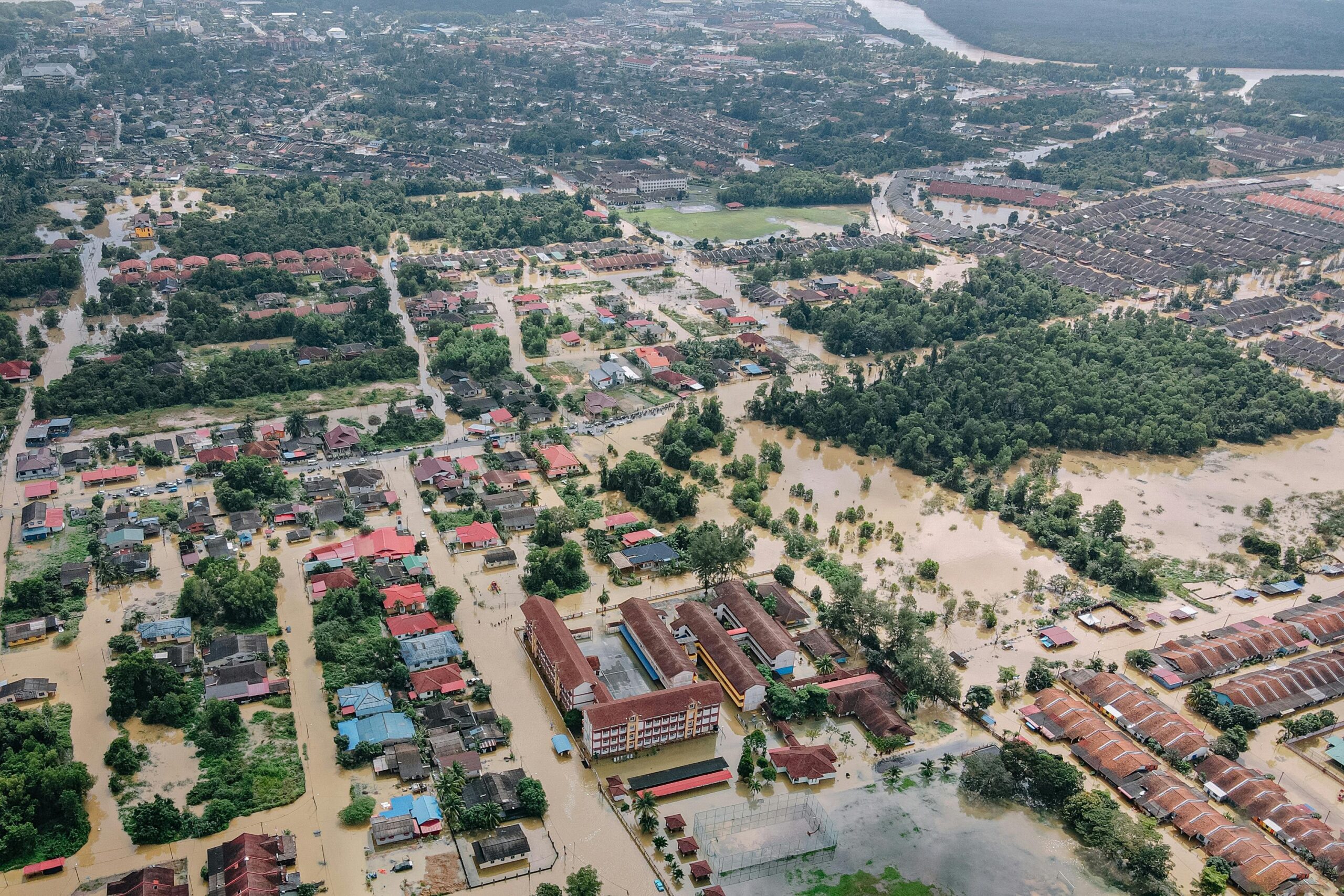
Climate change has dramatically altered fire patterns across the globe. Regions that were once considered low-risk are now experiencing unprecedented wildfire activity. California, Australia, the Mediterranean, and parts of Canada have witnessed catastrophic fires that have destroyed thousands of structures. This new reality demands proactive measures, and upgrading to fire-resistant roofing stands as one of the most effective steps homeowners can take.
Understanding Fire Ratings and Roofing Classifications 📊
Not all roofing materials offer the same level of fire protection. The roofing industry uses a standardized classification system that evaluates how materials perform when exposed to fire. These ratings provide homeowners with clear guidance when selecting appropriate roofing options for their properties.
Fire-resistance ratings are divided into four main classes: Class A, Class B, Class C, and unrated. Class A represents the highest level of fire resistance, capable of withstanding severe fire exposure. Class B materials offer moderate fire protection, while Class C provides basic resistance. Unrated materials should be avoided entirely in wildfire-prone areas as they offer minimal to no protection.
The testing process evaluates three critical factors: surface spread of flame, burning brand test, and flying brand test. These assessments simulate real-world wildfire conditions, including ember attacks and direct flame exposure. Understanding these classifications empowers homeowners to make informed decisions that significantly enhance their property’s survivability during fire events.
Top Fire-Resistant Roofing Materials Worth Considering
Several roofing materials have proven their effectiveness in protecting homes from wildfire damage. Each option comes with distinct advantages, cost considerations, and aesthetic qualities that homeowners should evaluate carefully.
Metal Roofing: The Premium Protection Option 🛡️
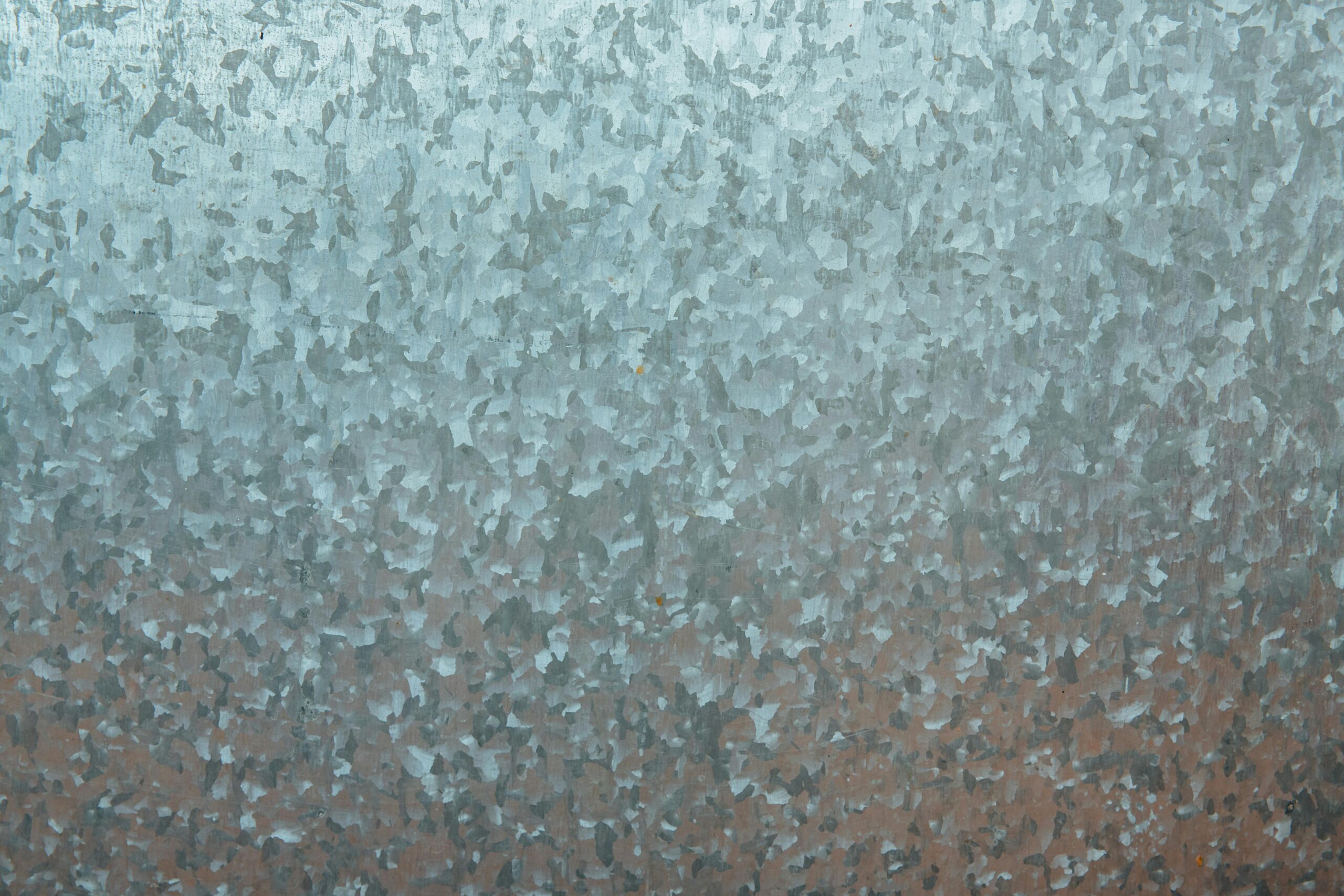
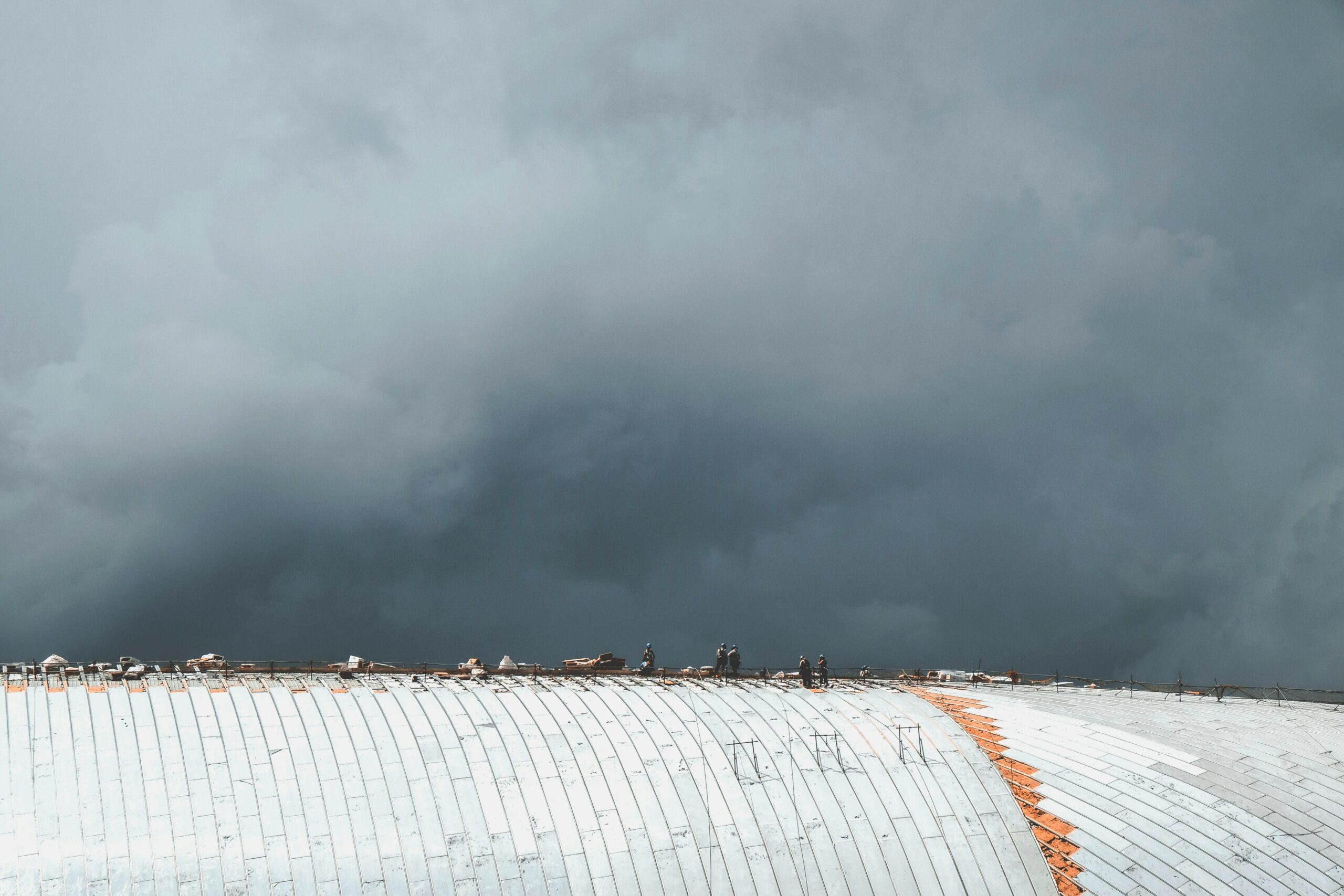
Metal roofing consistently ranks among the top choices for fire-resistant protection. Materials like steel, aluminum, and copper are naturally non-combustible and typically receive Class A fire ratings. Beyond fire resistance, metal roofs offer exceptional durability, lasting 40-70 years with minimal maintenance.
The reflective properties of metal roofing provide an additional benefit by reducing heat absorption. This characteristic not only enhances fire resistance but also improves energy efficiency, lowering cooling costs during hot summer months. Modern metal roofing systems come in various styles that mimic traditional materials, allowing homeowners to maintain aesthetic preferences while maximizing protection.
Installation costs for metal roofing range higher than conventional materials, typically between $7-14 per square foot. However, the long-term value proposition remains compelling when considering longevity, insurance premium reductions, and peace of mind in fire-prone areas.
Clay and Concrete Tiles: Time-Tested Fire Defense
Clay and concrete tiles have protected homes from fire for centuries. These materials naturally resist combustion and maintain their structural integrity even when exposed to extreme temperatures. Both options consistently achieve Class A fire ratings when properly installed with appropriate underlayment.
Clay tiles offer superior durability and can last over 100 years with proper maintenance. Their thermal mass helps regulate indoor temperatures, contributing to energy efficiency. Concrete tiles provide similar fire protection at a lower price point, making them accessible to budget-conscious homeowners.
The weight of tile roofing requires adequate structural support. Before installation, professional assessment of your home’s framing is essential to ensure it can safely bear the additional load. Installation costs typically range from $10-18 per square foot for clay tiles and $8-12 for concrete alternatives.
Asphalt Shingles: Affordable Protection with Limitations
Not all asphalt shingles offer adequate fire protection, but fiberglass-based asphalt shingles with Class A ratings provide a budget-friendly option for homeowners. These shingles incorporate fiberglass mats that enhance fire resistance compared to organic-based alternatives.
When selecting asphalt shingles for wildfire-prone areas, verify the fire rating and ensure proper installation with fire-resistant underlayment. While less expensive initially (typically $3-5 per square foot), asphalt shingles require replacement every 15-30 years, which should factor into long-term cost calculations.
Critical Installation Factors That Maximize Fire Protection
Even the best fire-resistant roofing materials can fail if improperly installed. The complete roofing system—including underlayment, flashing, ventilation, and edge details—must work together to create comprehensive fire defense.
Underlayment Selection and Application 🔧
Fire-resistant underlayment forms a crucial secondary barrier beneath your primary roofing material. Modern synthetic underlayments offer superior fire resistance compared to traditional felt paper. These materials resist ember penetration and prevent flame spread across the roof deck.
Proper underlayment installation requires attention to detail, including appropriate overlap, secure fastening, and integration with flashing systems. Cutting corners during this phase compromises the entire system’s effectiveness, potentially creating vulnerability points where fire can penetrate.
Addressing Vulnerable Zones
Certain areas of your roof present heightened fire risk and demand special attention. Roof-to-wall intersections, valleys, eaves, and roof edges require meticulous sealing and fire-resistant detailing. Embers often infiltrate homes through these transition points, igniting fires from within.
Vents represent another critical vulnerability. Standard plastic vents melt during fires, creating openings for ember entry. Fire-resistant vents constructed from metal with fine mesh screening prevent ember infiltration while maintaining necessary attic ventilation. This upgrade represents a relatively inexpensive modification that significantly enhances overall fire protection.
Beyond the Roof: Creating Comprehensive Fire Defense 🏡
Fire-resistant roofing forms just one component of effective wildfire protection. A holistic approach incorporating multiple defensive layers provides the best chance of survival when wildfires threaten your community.
Defensible Space Management
Creating and maintaining defensible space around your home dramatically reduces fire intensity before flames reach your structure. This strategy involves establishing zones with progressively reduced vegetation density extending outward from your home.
The immediate zone (0-5 feet from your home) should remain free of flammable vegetation and materials. Use non-combustible landscaping materials like gravel, pavers, or rock mulch. The intermediate zone (5-30 feet) should feature well-spaced, low-growing plants with high moisture content. The extended zone (30-100 feet) requires thinning trees and removing ladder fuels that allow fire to climb from ground level into tree canopies.
Hardening Your Home’s Exterior
Windows, siding, decks, and fences must receive equal attention when hardening your home against wildfire. Dual-pane or tempered glass windows resist cracking from radiant heat better than single-pane alternatives. Fire-resistant siding materials like fiber cement, stucco, or metal provide additional protection.
Wooden decks present significant vulnerability. Consider replacing wood with composite materials rated for fire resistance, or at minimum, maintain the area beneath decks free of debris and vegetation. Screen deck openings to prevent ember accumulation in sheltered spaces.
Financial Considerations and Insurance Benefits 💰
Investing in fire-resistant roofing involves substantial upfront costs, but the financial analysis extends beyond initial installation expenses. Multiple factors contribute to the overall economic equation, including insurance premiums, potential property value increases, and disaster recovery costs.
Many insurance companies offer premium discounts ranging from 5-20% for homes with Class A fire-rated roofing in wildfire-prone areas. Some insurers in high-risk regions now require fire-resistant roofing as a condition of coverage. Documentation of your roofing system’s fire rating can prevent policy cancellation and ensure continued insurability.
Property values in wildfire-prone areas increasingly reflect fire-hardening improvements. Homes with comprehensive fire protection features command premium prices as buyers prioritize safety. This market dynamic helps offset initial investment costs when selling your property.
Financial Assistance and Incentive Programs
Several government agencies and nonprofit organizations offer financial assistance for fire-resistant home improvements. State forestry departments, fire districts, and local governments sometimes provide grants, low-interest loans, or tax incentives for qualifying retrofits.
Federal disaster mitigation programs through FEMA occasionally fund pre-disaster improvements in high-risk communities. Research available programs in your jurisdiction and maintain thorough documentation of all improvements to qualify for potential assistance and ensure proper insurance claims if disaster strikes.
Maintenance Requirements for Long-Term Protection 🔍
Fire-resistant roofing requires ongoing maintenance to preserve its protective qualities. Neglected roofs accumulate debris, develop gaps, and deteriorate in ways that compromise fire resistance regardless of the original material quality.
Regular inspections should occur at least twice annually, preferably before and after wildfire season. Look for damaged or missing materials, deteriorating sealants, debris accumulation, and vegetation growth. Gutters and roof valleys demand particular attention as these areas collect combustible materials that can ignite during ember attacks.
Professional roof inspections every 3-5 years provide expert assessment of conditions that homeowners might miss. Roofing professionals can identify subtle deterioration patterns and recommend preventive repairs before small issues become major vulnerabilities.
Seasonal Preparation Protocols
As wildfire season approaches, implement specific preparation protocols to maximize your home’s readiness. Remove all debris from roofs and gutters, trim overhanging branches, and clear combustible materials from around your home’s perimeter. Inspect and test ember-resistant vents to ensure functionality.
Create a maintenance checklist and document completion dates. This practice ensures consistent attention to critical tasks and provides valuable documentation for insurance purposes. Photographic records of your home’s condition and fire-hardening features support insurance claims if disaster occurs.
Emerging Technologies and Future Innovations 🚀
The roofing industry continues developing advanced materials and systems that push fire protection boundaries. Innovative coatings, integrated fire suppression systems, and smart monitoring technologies represent the next generation of wildfire defense.
Intumescent coatings expand when exposed to heat, creating insulating barriers that protect underlying materials. These products can enhance fire resistance of existing roofing systems without complete replacement, offering cost-effective upgrade paths for budget-conscious homeowners.
Roof-mounted sprinkler systems activate during wildfire events, creating protective water barriers. While water availability concerns limit widespread adoption, these systems provide additional protection layers for homes in extreme-risk areas with adequate water supplies.
Smart home technology now includes wildfire monitoring systems that track approaching fires and activate protective measures automatically. These systems integrate with home automation platforms, providing early warnings and enabling remote property monitoring during evacuations.
Making the Decision: Steps Toward Implementation 📋
Transitioning to fire-resistant roofing requires careful planning and informed decision-making. Begin by assessing your current roof’s condition and fire rating. If your existing roof approaches the end of its service life, replacement timing aligns well with fire-resistance upgrades.
Consult multiple roofing contractors experienced with fire-resistant installations in wildfire-prone areas. Request detailed proposals including material specifications, fire ratings, warranty information, and total costs. Verify contractor licensing, insurance coverage, and references from previous fire-resistant roofing projects.
Consider scheduling installation during off-peak seasons when contractors offer better availability and potentially lower prices. Coordinate with insurance providers to understand coverage implications and premium adjustments resulting from your improvements.
Your Home’s Best Defense Starts Above ☝️
The increasing wildfire threat demands proactive property protection measures. Fire-resistant roofing represents the single most impactful improvement homeowners can make to enhance survival chances during wildfire events. While initial costs may seem substantial, the investment protects your most valuable asset while potentially saving lives.
Combining quality fire-resistant roofing materials with proper installation, comprehensive home hardening, and diligent maintenance creates robust defense systems capable of withstanding severe wildfire conditions. The peace of mind knowing your home incorporates state-of-the-art fire protection proves invaluable, particularly as climate change intensifies wildfire seasons.
Don’t wait until fire threatens your community to take action. Wildfire preparation must occur during calm periods when adequate time exists for thoughtful planning and quality installation. Research your options, consult professionals, and take decisive steps to protect your home, family, and financial future with fire-resistant roofing designed for today’s challenging environment.
The question isn’t whether you can afford to upgrade to fire-resistant roofing—it’s whether you can afford not to when the next wildfire season arrives. Your home’s best defense truly starts from above, and the time to strengthen that defense is now.