Your roof is more than shelter—it’s a powerful statement about your environmental commitment and a critical component in reducing your home’s carbon footprint.

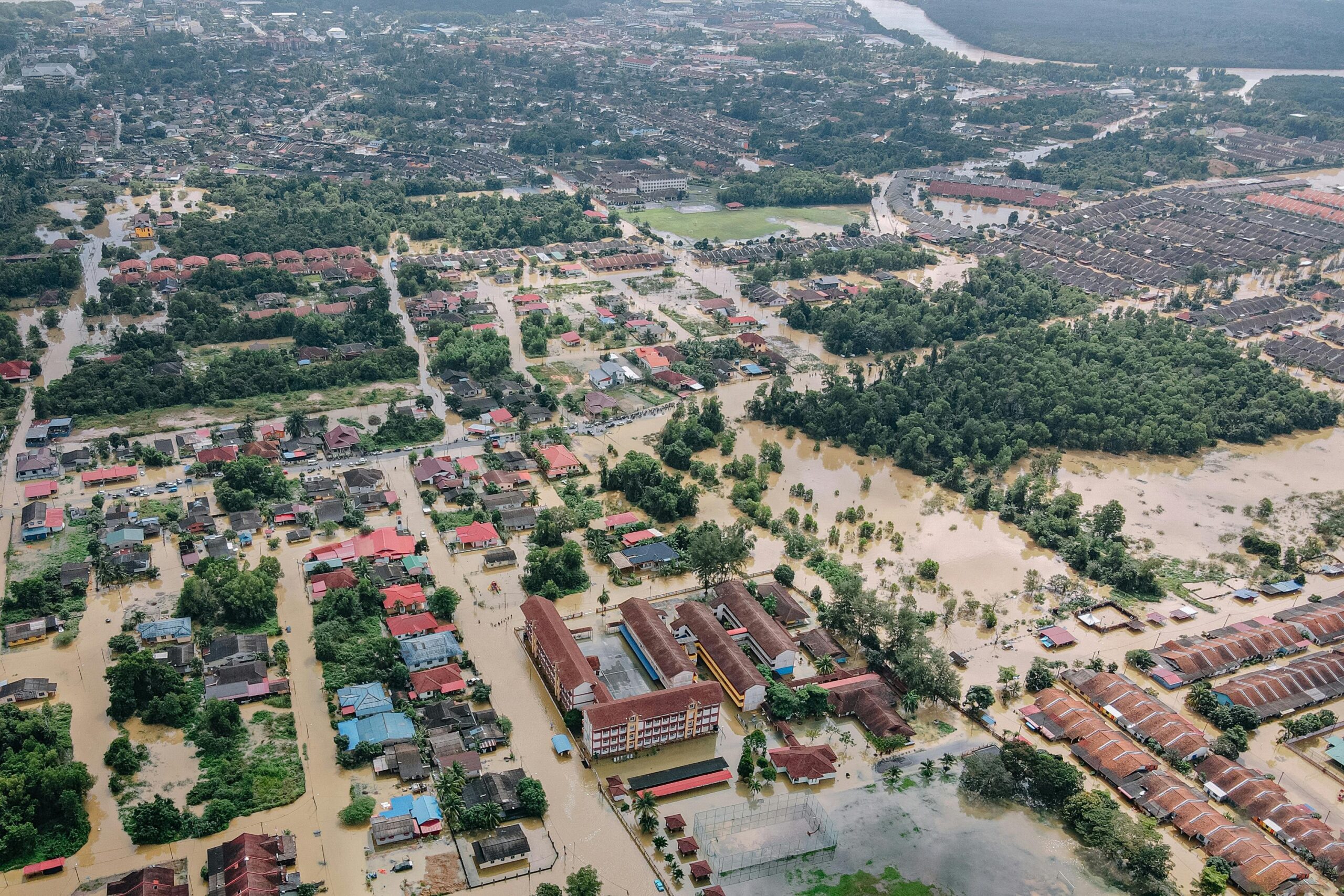
As climate change accelerates and extreme weather events become increasingly common, homeowners face a crucial decision: how to protect their property while simultaneously contributing to a more sustainable future. Traditional roofing materials have long dominated the market, but they often carry hidden environmental costs that extend far beyond their initial installation. From manufacturing emissions to disposal challenges, conventional roofs can significantly impact our planet’s health.
Enter lifecycle carbon roofing—an innovative approach that considers the entire environmental impact of your roof from raw material extraction through manufacturing, installation, use, and eventual disposal or recycling. This comprehensive perspective reveals opportunities to dramatically reduce your home’s carbon emissions while creating a more resilient structure capable of weathering tomorrow’s climate challenges.
🌍 Understanding Lifecycle Carbon and Why It Matters for Your Roof
Lifecycle carbon assessment measures the total greenhouse gas emissions associated with a product throughout its entire existence. For roofing materials, this includes the energy consumed during raw material extraction, manufacturing processes, transportation to your home, installation energy, maintenance requirements, and end-of-life disposal or recycling.
Traditional asphalt shingles, for example, require petroleum-based products and energy-intensive manufacturing processes. They typically last only 15-20 years before requiring replacement, creating a continuous cycle of resource consumption and waste generation. When you multiply this impact across millions of homes, the environmental consequences become staggering.
Lifecycle carbon roofing flips this paradigm by prioritizing materials and designs that minimize emissions at every stage. These solutions often incorporate recycled content, utilize renewable energy in manufacturing, last significantly longer than conventional options, and can be recycled or repurposed at the end of their service life.
The Three Phases of Roofing Carbon Impact
Understanding where carbon emissions occur helps identify the most effective strategies for reduction. The three primary phases include embodied carbon (manufacturing and installation), operational carbon (heating and cooling impacts during use), and end-of-life carbon (disposal or recycling processes).
Embodied carbon represents the upfront environmental cost. Manufacturing metal roofing, for instance, requires significant energy, but many metal roofs contain 25-95% recycled content, dramatically reducing this impact. Operational carbon relates to how your roof affects your home’s energy consumption—reflective or insulated roofing materials can reduce cooling costs by up to 40%, cutting operational emissions substantially.
End-of-life considerations are equally critical. While asphalt shingles contribute approximately 11 million tons of waste to U.S. landfills annually, sustainable roofing materials can often be completely recycled, closing the loop and preventing waste generation.
🏠 Climate-Proof Roofing Materials That Reduce Carbon Footprint
Several innovative roofing materials excel in lifecycle carbon performance while providing superior climate resilience. Each option offers unique advantages depending on your climate, architectural style, and sustainability priorities.
Metal Roofing: The Recyclable Champion
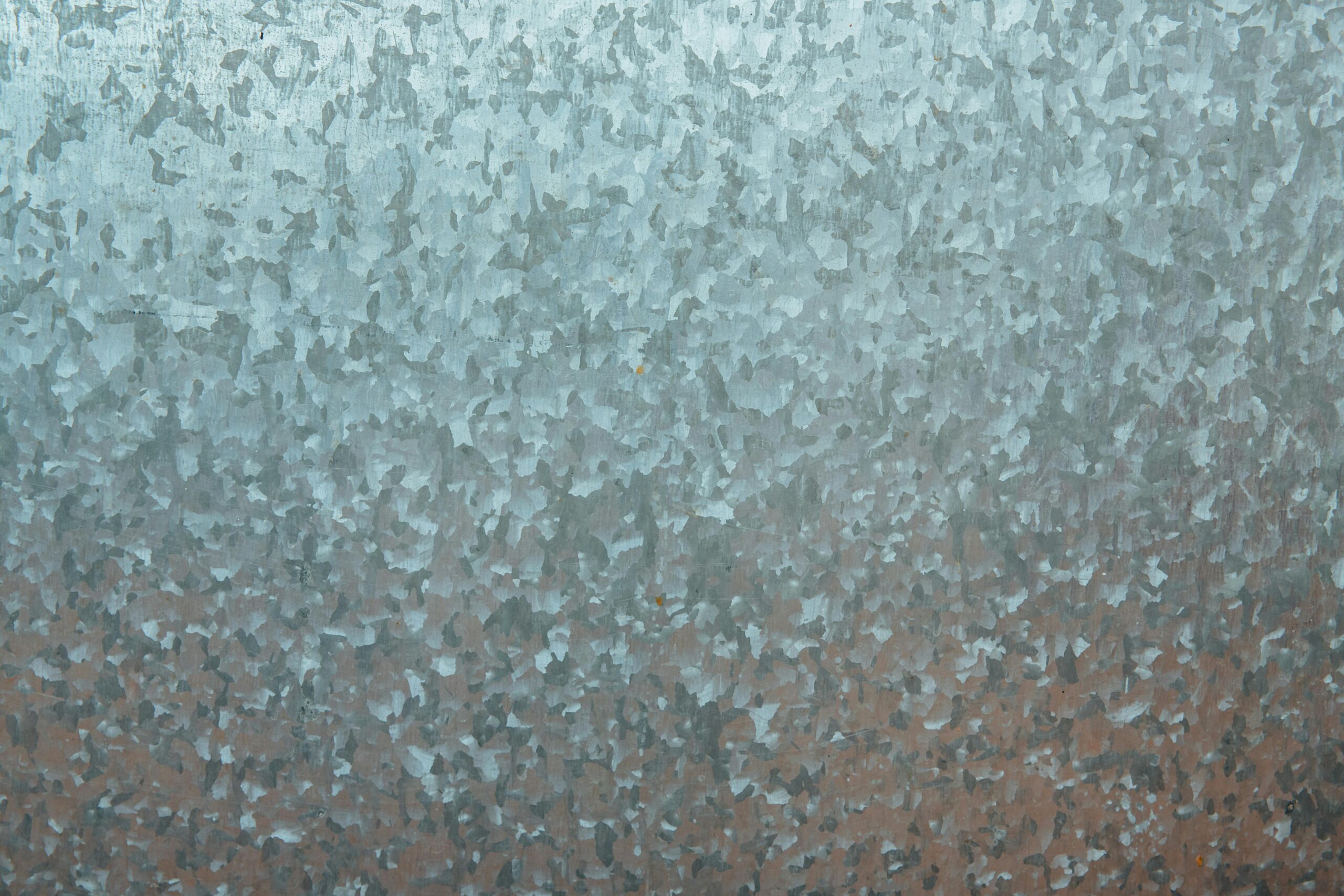
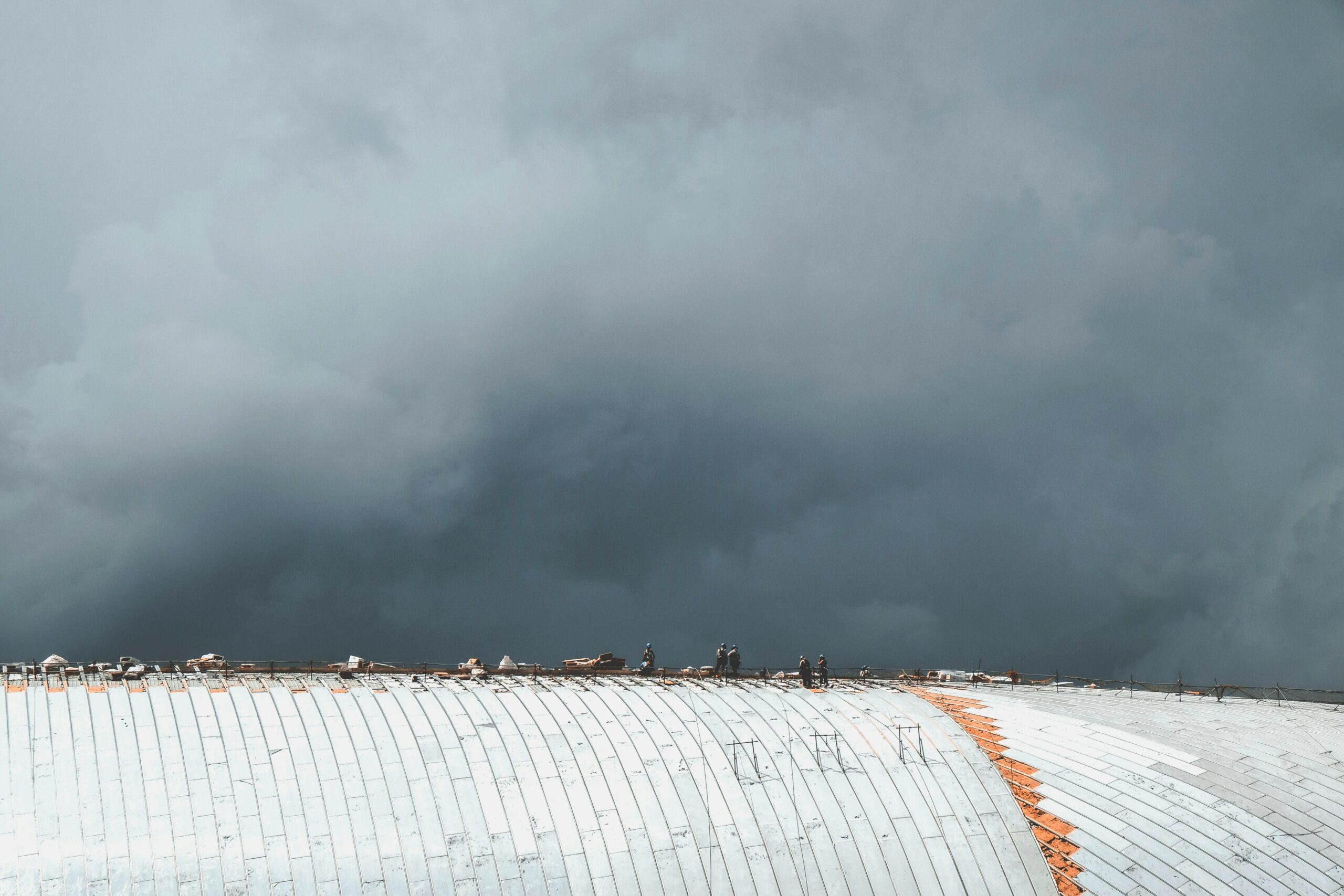
Metal roofs stand out for their exceptional durability, lasting 40-70 years compared to asphalt’s 15-20 years. This extended lifespan alone reduces lifecycle carbon by eliminating multiple replacement cycles. Steel and aluminum roofing typically contains substantial recycled content—some products use up to 95% recycled material.
The reflective properties of metal roofing reduce cooling energy by 10-25%, lowering operational carbon throughout the roof’s lifetime. When finally replaced, metal roofing is 100% recyclable without quality degradation, making it a truly circular material. Modern metal roofing also withstands extreme weather conditions including high winds, heavy snow, and hail, providing climate resilience as weather patterns intensify.
Clay and Concrete Tiles: Ancient Wisdom for Modern Challenges
Clay and concrete tiles represent time-tested solutions with impressive sustainability credentials. These materials last 50-100 years, essentially outliving the buildings they protect. Their thermal mass naturally regulates temperature, reducing heating and cooling demands.
Manufacturing improvements have reduced embodied carbon in concrete tiles, and many producers now incorporate recycled materials. Clay tiles, made from abundant natural materials, can be crushed and returned to earth or used as aggregate at end-of-life. Their exceptional durability against fire, wind, and moisture makes them particularly suitable for climate-vulnerable regions.
Recycled Rubber and Plastic Shingles: Innovation Meets Sustainability
These emerging materials transform waste into durable roofing products, diverting materials from landfills while creating functional building components. Rubber shingles often incorporate recycled tires, while plastic versions use reclaimed plastic waste.
These products typically last 30-50 years and can mimic the appearance of traditional materials like slate or wood. Their lighter weight reduces structural load and transportation emissions, and they resist extreme weather conditions effectively. At end-of-life, many can be recycled again, maintaining circular material flows.
Green and Living Roofs: Nature’s Climate Solution
Living roofs covered with vegetation represent the ultimate integration of building and ecosystem. They absorb rainfall, reducing stormwater runoff that increasingly overwhelms urban infrastructure during intense precipitation events. The plants naturally filter air pollutants and sequester carbon dioxide, actively removing greenhouse gases from the atmosphere.
Green roofs provide exceptional insulation, reducing heating and cooling energy by 20-30%. They extend the underlying waterproofing membrane’s life by protecting it from UV radiation and temperature fluctuations. While installation requires careful planning and waterproofing, the environmental benefits multiply over the system’s 40-50 year lifespan.
⚡ Energy Performance and Operational Carbon Reduction
Your roof’s color, reflectivity, and insulation properties dramatically influence your home’s energy consumption, which typically represents the largest component of residential carbon emissions over time.
Cool Roofing Technology
Cool roofs utilize specially designed reflective materials that bounce solar radiation back into the atmosphere rather than absorbing it as heat. These roofs can reduce surface temperatures by 50-60°F compared to traditional materials, dramatically cutting cooling energy requirements in warm climates.
The technology works through high solar reflectance (bouncing light away) and high thermal emittance (releasing absorbed heat). Many roofing materials now incorporate cool roof technology, from specially coated metal to reflective tiles and even asphalt shingles with reflective granules.
In hot climates, cool roofs can reduce air conditioning energy use by 10-30%, translating to significant operational carbon reductions over decades. The technology also reduces urban heat island effects, lowering ambient temperatures in dense developments and improving community climate resilience.
Integrated Insulation Systems
Proper roof insulation prevents heat transfer in both directions—keeping warmth inside during winter and outside during summer. Modern insulated roofing systems integrate insulation directly into the roofing assembly, eliminating thermal bridges and maximizing performance.
Structural insulated panels, insulated metal panels, and spray foam systems can achieve R-values of 30 or higher, dramatically reducing heating and cooling loads. When combined with reflective exterior surfaces, these systems create comprehensive thermal control that slashes operational carbon emissions throughout the building’s lifetime.
🔄 Circular Economy Principles in Roofing
The circular economy model aims to eliminate waste by keeping materials in continuous use through reuse, refurbishment, and recycling. Applying these principles to roofing transforms it from a linear “extract-use-dispose” model to a sustainable closed-loop system.
Designing for Disassembly
Circular roofing begins with installation methods that facilitate future material recovery. Mechanically attached systems using clips and fasteners allow easier disassembly than adhesive-based installations. Modular designs enable selective replacement of damaged sections rather than complete roof replacement.
This approach extends material life by allowing repair and refurbishment. Metal panels, tiles, and some synthetic products can be carefully removed, inspected, and reinstalled or redirected to other applications, maximizing resource utilization.
Recycling and Upcycling Pathways
Establishing robust end-of-life pathways ensures roofing materials continue providing value beyond their initial application. Metal roofing enters standard metal recycling streams, maintaining material quality through multiple lifecycles. Concrete and clay tiles can be crushed for aggregate use in new construction or landscaping applications.
Innovative companies are developing programs to recycle rubber shingles back into new roofing products or alternative applications. Some asphalt shingle recycling programs incorporate old shingles into asphalt paving, though this downcycling represents a less ideal solution than true material recycling.
💰 Financial Considerations and Long-Term Value
While sustainable roofing materials often carry higher upfront costs, comprehensive financial analysis reveals their superior value proposition when considering total lifecycle costs and benefits.
A metal roof might cost 2-3 times more than asphalt shingles initially, but its 50+ year lifespan eliminates multiple replacement cycles. Energy savings from reflective and insulated roofing compound annually, and many regions offer tax incentives, rebates, or financing programs for sustainable building improvements.
Increased home value represents another financial benefit. Studies show homes with sustainable features command price premiums and sell faster than conventional properties. As climate awareness grows and energy codes tighten, homes with climate-proof roofing will likely see accelerating value advantages.
Insurance considerations increasingly favor resilient roofing. Some insurers offer discounts for impact-resistant and fire-resistant roofing materials that reduce claim risks, particularly in climate-vulnerable regions prone to hail, wildfires, or hurricanes.
🌦️ Climate Adaptation and Resilience Features
Climate-proof roofing must withstand increasingly intense weather events while maintaining performance across wider temperature ranges and more extreme conditions.
Wind Resistance for Hurricane and Storm Zones
Proper installation techniques and material selection ensure roofs remain intact during high-wind events. Metal roofing with appropriate fastening systems can withstand winds exceeding 140 mph. Concrete and clay tiles, when properly secured, provide exceptional wind resistance combined with impact protection.
Building codes in vulnerable regions increasingly mandate higher wind ratings, making wind-resistant roofing not just environmentally responsible but legally required in many coastal and severe weather zones.
Fire Resistance for Wildfire-Prone Areas
Non-combustible roofing materials provide critical protection as wildfire seasons lengthen and intensify. Metal, clay, and concrete roofing achieve Class A fire ratings, offering maximum protection against ember attacks and direct flame exposure.
In wildfire zones, non-combustible roofing combined with proper defensible space and ember-resistant construction details can mean the difference between survival and total loss during fire events.
Heavy Snow and Ice Performance
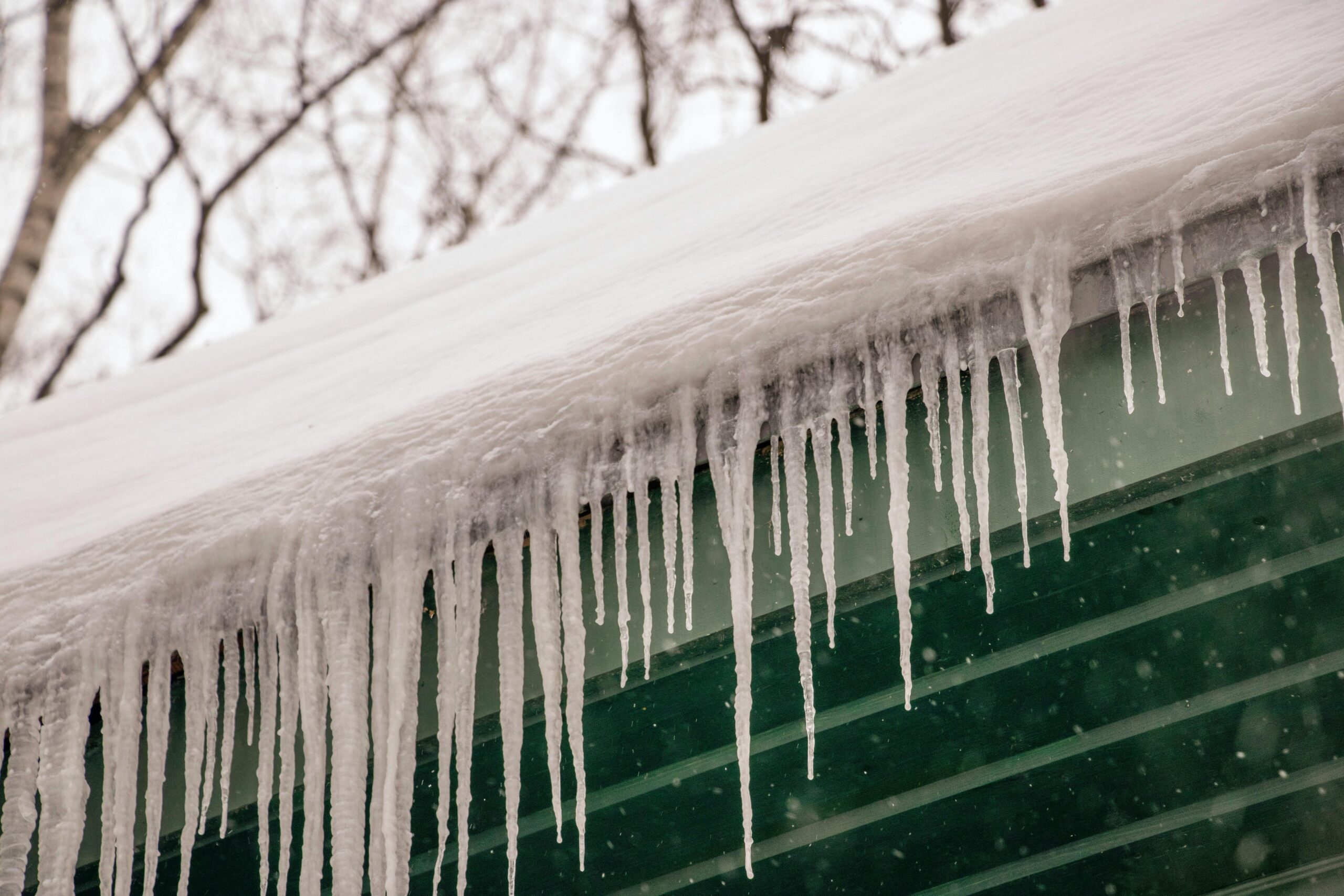
Climate change paradoxically increases extreme precipitation events, including heavy snow in some regions. Metal roofing’s smooth surface encourages snow to slide off, reducing structural loads and ice dam formation. Proper insulation and ventilation prevent the temperature differentials that create damaging ice dams.
🔧 Installation Best Practices for Maximum Carbon Reduction
Even the most sustainable materials underperform if poorly installed. Proper installation techniques maximize energy performance, extend material life, and ensure climate resilience.
Working with experienced installers familiar with sustainable roofing systems ensures proper ventilation, insulation integration, and weatherproofing. Detailed attention to flashing, penetrations, and transitions prevents water infiltration that causes premature failure and requires resource-intensive repairs.
Proper substrate preparation and moisture management protect both the roofing material and underlying structure. Breathable underlayments allow moisture vapor to escape while blocking liquid water, preventing rot and extending system life.
📊 Measuring and Verifying Carbon Reduction
Quantifying your roofing’s carbon impact requires understanding measurement methodologies and available certifications that verify environmental performance claims.
Environmental Product Declarations (EPDs) provide standardized lifecycle carbon data for building materials, allowing direct comparison between options. These third-party verified documents detail embodied carbon, operational impacts, and end-of-life considerations based on internationally recognized standards.
Building certification programs like LEED, Living Building Challenge, and Passive House include roofing performance in their assessment frameworks. Achieving certification demonstrates verified environmental performance and can enhance property value.
Energy modeling software can predict operational carbon reductions from reflective and insulated roofing systems, providing quantified projections of energy savings and carbon avoidance over the roof’s lifetime.
🚀 Taking Action: Your Path to a Climate-Proof, Low-Carbon Roof
Transforming your roof into a climate solution begins with assessment, planning, and informed decision-making. Start by evaluating your current roof’s condition, remaining lifespan, and performance. If replacement isn’t immediately necessary, consider interim improvements like adding insulation or applying reflective coatings to extend life and improve performance.
When replacement becomes necessary, prioritize materials with published EPDs showing low embodied carbon, high recycled content, and recyclability at end-of-life. Consider your specific climate challenges—heat, cold, wind, fire risk, or precipitation patterns—and select materials offering appropriate resilience.
Engage qualified professionals experienced with sustainable roofing systems who understand proper installation techniques for energy performance and durability. Request detailed proposals including expected lifespan, energy performance specifications, and warranty terms.
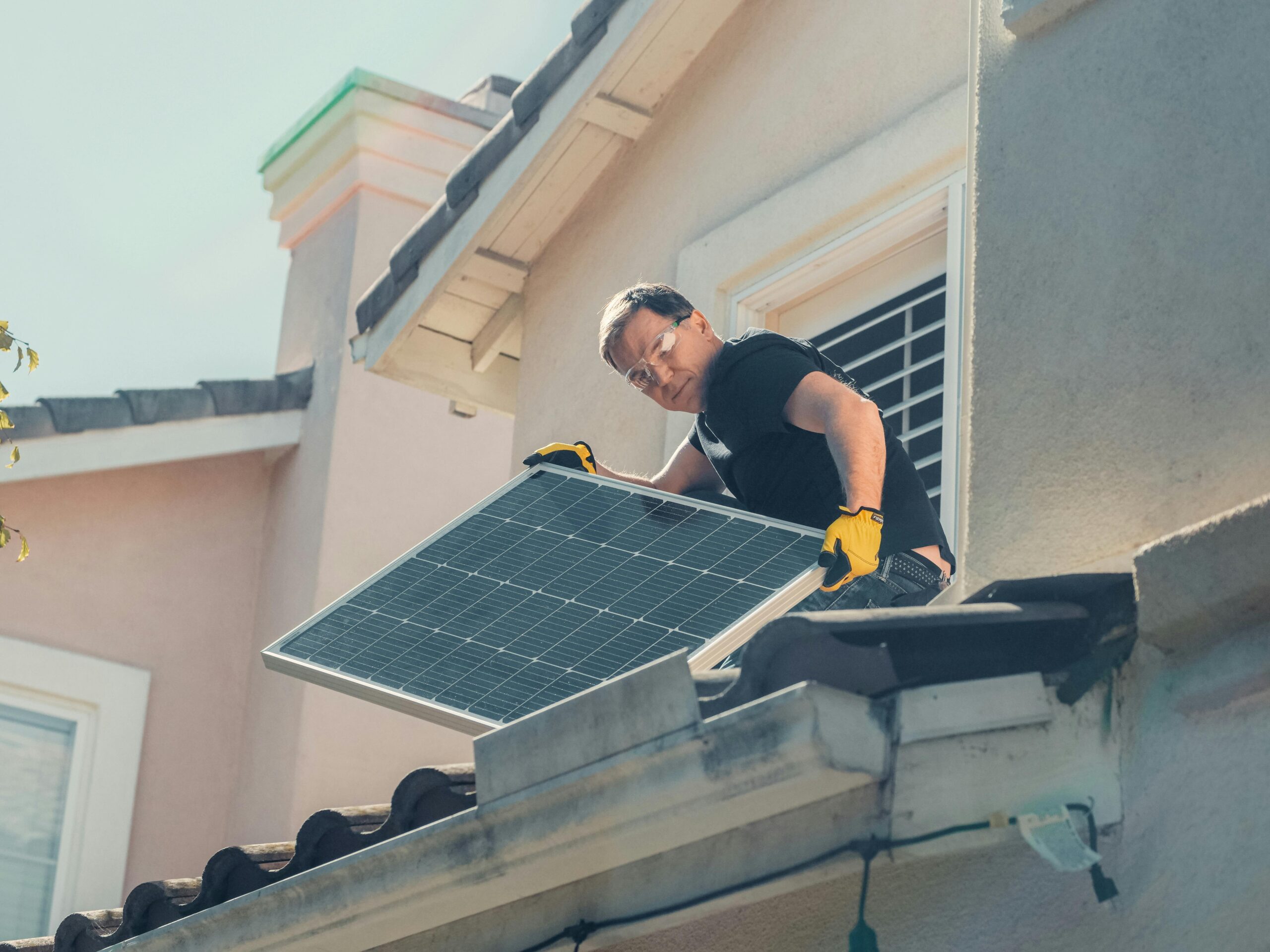
Investigate available incentives through local utilities, state energy offices, and federal tax credits that can offset upfront costs of high-performance roofing systems. Many regions offer significant rebates for cool roofs, solar-ready installations, and energy-efficient improvements.
🌟 Beyond Your Roof: Systemic Change and Community Impact
Individual roofing decisions accumulate into community-wide impact. When neighborhoods embrace low-carbon roofing, collective benefits multiply through reduced urban heat islands, decreased stormwater runoff, improved air quality, and community-wide resilience to climate extremes.
Advocate for updated building codes that require or incentivize sustainable roofing in your jurisdiction. Support policies enabling property-assessed clean energy (PACE) financing that makes sustainable improvements accessible regardless of upfront capital availability.
Share your experiences with neighbors, on social media, and through community organizations. Personal stories and visible examples inspire others to make similar choices, accelerating the transition to climate-resilient, low-carbon communities.
Your roof represents one of your home’s largest surfaces and most significant environmental impacts. By choosing lifecycle carbon roofing materials and installation practices, you transform this essential building component from a climate liability into a climate solution. The decision extends far beyond your property line, contributing to broader efforts to reduce greenhouse gas emissions, enhance community resilience, and create a more sustainable built environment for future generations. Climate-proofing your roof isn’t just about protecting your home—it’s about protecting our shared future. ♻️