Your roof is one of the most critical investments protecting your home, and proper maintenance ensures it delivers decades of reliable performance and protection.

🏠 Why Your Roof Deserves Regular Attention
Most homeowners rarely think about their roof until something goes wrong. By that time, what could have been a simple fix has often escalated into a costly repair or even a complete replacement. Your roof faces constant assault from the elements—scorching sun, driving rain, freezing temperatures, wind, and debris. Without proper care, these forces gradually compromise your roof’s integrity, leading to leaks, structural damage, and energy inefficiency.
The financial implications are substantial. A well-maintained roof can last 20 to 50 years depending on materials, while a neglected one might fail in half that time. Regular maintenance routines not only extend your roof’s lifespan but also preserve your home’s value, prevent interior damage, and maintain energy efficiency. The key is establishing consistent care habits that catch small problems before they become expensive disasters.
Understanding Your Roof’s Lifecycle and Vulnerabilities
Different roofing materials have distinct lifespans and maintenance requirements. Asphalt shingles, the most common residential roofing material, typically last 15-30 years. Metal roofs can exceed 50 years, while slate and tile roofs may last a century with proper care. However, longevity depends heavily on installation quality, climate conditions, and maintenance practices.
Your roof’s vulnerabilities change with age. New roofs rarely experience major issues but may have installation-related problems that should be addressed under warranty. Middle-aged roofs begin showing wear patterns—curling shingles, minor granule loss, and potential flashing deterioration. Older roofs require more frequent inspection and may need strategic repairs to extend their useful life before replacement becomes necessary.
Climate-Specific Challenges
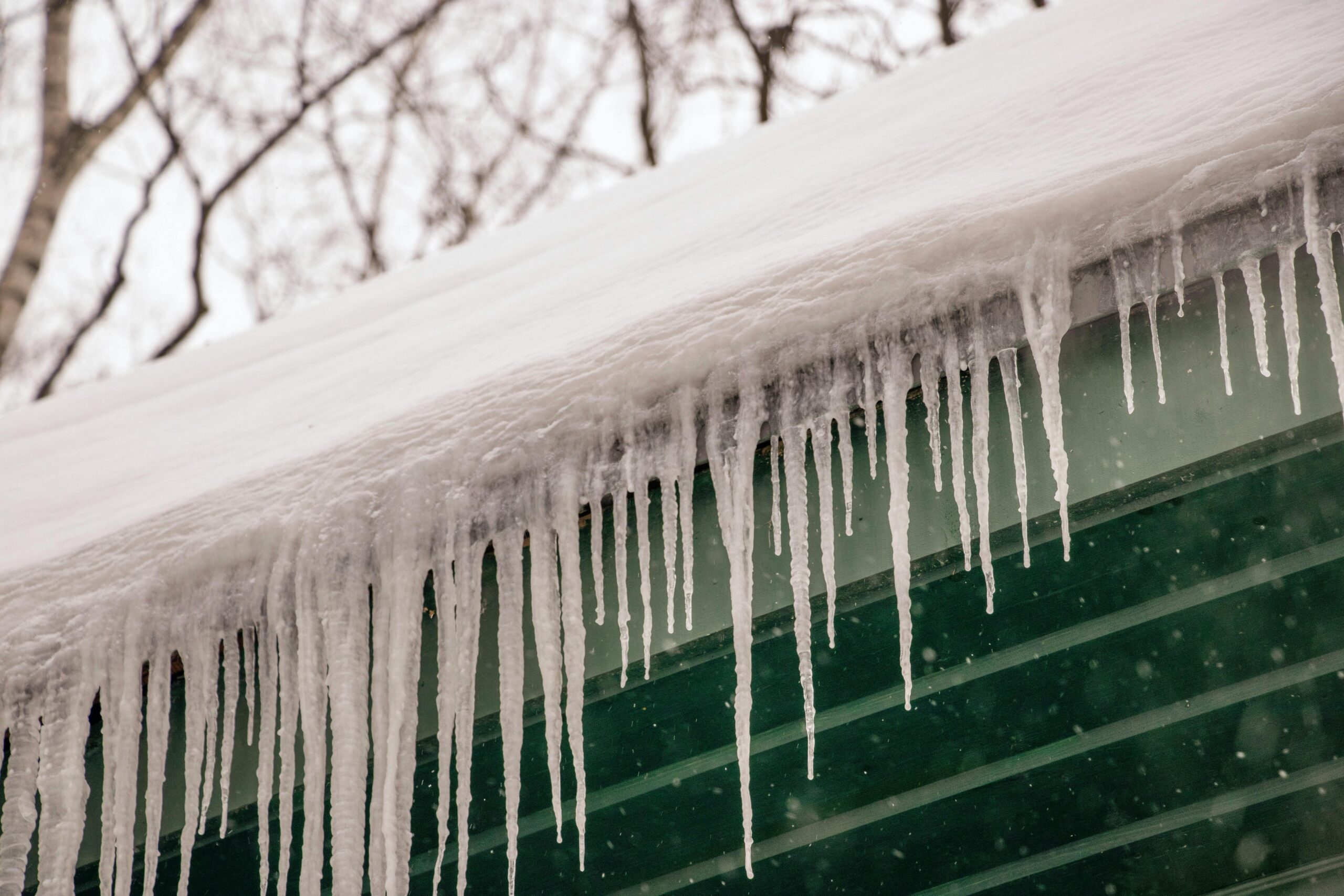
Geographic location significantly impacts your roof maintenance needs. Homes in coastal areas contend with salt air corrosion and hurricane-force winds. Northern climates face ice dams, snow load stress, and freeze-thaw cycles that crack materials. Desert regions experience extreme UV exposure and temperature fluctuations. Understanding your climate’s specific challenges helps you tailor maintenance routines for maximum effectiveness.
🔍 The Essential Seasonal Inspection Routine
Conducting thorough roof inspections twice annually—spring and fall—forms the foundation of effective maintenance. These seasonal checkups allow you to identify and address issues before extreme weather arrives. Spring inspections reveal winter damage, while fall inspections prepare your roof for harsh conditions ahead.
Start your inspection from ground level using binoculars. Look for obvious signs of damage: missing or damaged shingles, sagging areas, excessive granule loss, or visible wear patterns. Check for debris accumulation, moss or algae growth, and vegetation. While much can be seen from the ground, a closer inspection provides more detailed information.
Safe Roof Access and What to Look For
If you’re comfortable with heights and have proper safety equipment, carefully access your roof for a closer look. Always use appropriate fall protection, avoid walking on wet or damaged surfaces, and never inspect alone. Walk carefully to avoid damaging shingles, especially on hot days when materials are more pliable.
During your close inspection, examine these critical areas:
- Shingle condition: Check for cracks, curling, buckling, or missing pieces
- Flashing integrity: Inspect around chimneys, vents, skylights, and valleys for gaps or corrosion
- Sealant condition: Look for cracked or missing caulk around penetrations
- Granule loss: Excessive granules in gutters indicate advanced shingle wear
- Soft spots: Test for areas that feel spongy, indicating water damage beneath
- Ventilation: Ensure vents are clear and functioning properly
Gutter Maintenance: Your Roof’s First Line of Defense
Gutters play a crucial role in roof longevity by channeling water away from your home’s foundation and preventing water backup that damages roof edges. Clogged gutters cause water to pool, potentially seeping under shingles, rotting fascia boards, and creating ice dams in winter.
Clean gutters at least twice yearly—more frequently if you have overhanging trees. Remove leaves, twigs, and debris by hand or with a specialized gutter scoop. Flush downspouts with a garden hose to ensure proper drainage. While cleaning, inspect gutters for rust, holes, loose fasteners, and improper pitch that prevents water flow.
Gutter Protection Systems Worth Considering
Gutter guards significantly reduce cleaning frequency and prevent clogs. Various systems are available, from mesh screens to foam inserts and reverse-curve designs. While no system eliminates maintenance entirely, quality guards reduce debris accumulation and make cleaning easier. Consider your tree coverage, budget, and roof pitch when selecting a gutter protection system.
⚡ Addressing Minor Repairs Before They Escalate
Small repairs completed promptly prevent extensive damage and costly replacements. Many homeowners can safely handle minor fixes with basic tools and materials. However, know your limits—complex repairs or work on steep roofs should be left to professionals.
Common DIY-friendly repairs include replacing individual damaged shingles, resealing small flashing gaps, and applying roof sealant to minor cracks. Keep matching shingles and roofing cement on hand for quick fixes. When replacing shingles, carefully lift surrounding shingles, remove damaged pieces, slide new ones into place, and secure with roofing nails.
When to Call Professional Roofers
Some situations always require professional expertise. Extensive damage affecting multiple areas, structural concerns like sagging, major flashing repairs, and work near electrical or HVAC equipment demand trained specialists. Professional roofers have proper safety equipment, insurance coverage, and expertise to diagnose underlying problems you might miss.
Combating Moss, Algae, and Organic Growth
Those dark streaks on your roof aren’t just cosmetic issues. Algae, moss, and lichen growth retain moisture, accelerate material deterioration, and can void warranties. Moss roots burrow under shingles, lifting them and creating pathways for water infiltration. In humid climates, organic growth can significantly shorten roof lifespan.
Remove moss and algae using gentle methods that don’t damage roofing materials. Avoid pressure washers, which can strip protective granules and force water under shingles. Instead, use specialized roof cleaning solutions or a mixture of water and oxygen bleach (not chlorine bleach, which can harm plants and discolor materials). Apply on a cloudy day, let the solution work for 15-20 minutes, then gently rinse.
Prevention Strategies That Actually Work
Installing zinc or copper strips along roof ridges provides long-term algae and moss prevention. When rain washes over these metals, microscopic particles distribute across your roof, creating an inhospitable environment for organic growth. Trimming overhanging branches increases sunlight exposure and reduces moisture—both help prevent growth. Consider algae-resistant shingles when replacement time comes.
🌡️ Ventilation and Insulation: The Hidden Maintenance Factor
Proper attic ventilation and insulation dramatically impact roof longevity, yet homeowners often overlook these factors. Inadequate ventilation traps heat and moisture in your attic, cooking shingles from below during summer and creating condensation problems in winter. This hidden damage shortens roof life and increases energy costs.
Check your attic regularly for signs of ventilation problems: excessive heat, moisture or frost accumulation, mold growth, or rust on metal fasteners. Adequate ventilation requires both intake vents (typically soffit vents) and exhaust vents (ridge vents, gable vents, or roof vents). Air should flow freely from soffit to ridge, creating natural convection that removes heat and moisture.
Insulation works in tandem with ventilation. Proper insulation prevents conditioned air from escaping into your attic, reducing temperature differentials that stress roofing materials and create ice dams. Ensure insulation doesn’t block soffit vents—this common mistake disrupts airflow and negates your ventilation system’s benefits.
Storm Preparation and Post-Storm Assessment
Severe weather events test your roof’s resilience. Proactive preparation minimizes storm damage, while prompt post-storm assessment prevents small issues from becoming major problems. Before hurricane season or severe weather, inspect and secure loose shingles, trim overhanging branches that could fall on your roof, and clear gutters to handle heavy rainfall.
After significant storms, conduct a careful inspection even if no obvious damage is visible. Look for lifted or missing shingles, dented vents, damaged flashing, and new leaks inside your home. Document any damage with photographs for insurance purposes before making repairs. Even if damage seems minor, have a professional inspection—storm damage may void warranties if not properly documented and repaired.
📋 Creating Your Personalized Maintenance Schedule
Consistency transforms maintenance from an occasional chore into an effective protection system. Create a written schedule that accounts for your roof type, age, climate, and surrounding environment. Digital calendar reminders ensure you never miss critical maintenance windows.
Here’s a comprehensive maintenance timeline to adapt for your situation:
| Frequency | Maintenance Tasks |
|---|---|
| Spring (April-May) | Full inspection, gutter cleaning, address winter damage, check flashing and sealants, remove debris |
| Summer (July-August) | Check for heat-related damage, treat moss/algae, inspect attic ventilation, quick visual check |
| Fall (October-November) | Full inspection, gutter cleaning, prepare for winter, secure loose materials, trim branches |
| Winter (As needed) | Remove excessive snow load, check for ice dams, inspect after major storms |
| After Severe Weather | Immediate damage assessment, document issues, emergency repairs, professional inspection |
Investment in Longevity: Cost-Benefit Analysis
Some homeowners balk at maintenance costs, viewing them as unnecessary expenses. This short-sighted perspective ignores the mathematics of roof care. Regular maintenance costing a few hundred dollars annually prevents repairs costing thousands and replacements costing tens of thousands.
Consider a typical scenario: a minor flashing issue left unaddressed allows water infiltration, rotting roof decking and creating interior water damage. What could have been a $200 repair becomes a $5,000+ project involving structural repairs, decking replacement, interior restoration, and potential mold remediation. Professional annual inspections costing $150-300 provide tremendous value by catching these issues early.
DIY vs. Professional Services: Finding the Right Balance
Homeowners can safely handle many maintenance tasks—cleaning gutters, removing debris, minor sealant application, and ground-level inspections. These DIY efforts save money and increase familiarity with your roof’s condition. However, comprehensive inspections, repairs involving heights or complexity, and anything requiring specialized knowledge or tools warrant professional service.
Establish relationships with reputable local roofing contractors before emergencies arise. Get multiple quotes for major work, verify licensing and insurance, and check references. Quality contractors provide detailed written estimates, explain their findings clearly, and stand behind their work with solid warranties.
🔧 Essential Tools and Materials for Roof Maintenance
Having the right equipment makes maintenance safer and more effective. Build a basic roof care toolkit including quality binoculars for ground inspections, a sturdy extension ladder with standoff stabilizers, proper fall protection equipment if accessing the roof, work gloves, a roof rake for snow removal, and a soft-bristle brush for gentle cleaning.
Keep essential materials on hand for quick repairs: roofing cement or sealant compatible with your roofing material, replacement shingles matching your roof, galvanized roofing nails, caulking gun, and putty knife. Having these materials ready allows immediate response to minor issues before weather makes them worse.
Technology and Innovation in Roof Monitoring
Modern technology offers new approaches to roof maintenance. Drone inspections provide detailed roof surveys without risky climbs, capturing high-resolution images that reveal problems invisible from the ground. Thermal imaging identifies hidden moisture intrusion and insulation gaps. Moisture meters detect water presence beneath seemingly intact surfaces.
Smart home technology now extends to roof monitoring. Moisture sensors in critical areas alert homeowners to leaks immediately, preventing extensive damage. Some systems integrate with home automation platforms, sending smartphone notifications when problems arise. While these technologies add upfront costs, they provide peace of mind and catch problems at the earliest possible stage.
💡 Energy Efficiency and Sustainable Roofing Practices
Roof maintenance intersects with energy efficiency and environmental responsibility. A well-maintained roof reduces heating and cooling costs by maintaining proper insulation performance and preventing air leaks. Cool roofing technologies—reflective coatings and materials—reduce heat absorption, lowering cooling costs in warm climates.
When repairs or replacement become necessary, consider sustainable options. Recycled content shingles, metal roofing from recycled materials, and solar-ready designs align maintenance with environmental values. Many modern roofing materials offer improved durability and energy performance while reducing environmental impact.

Building a Long-Term Relationship with Your Roof
Ultimate roof care isn’t about perfection—it’s about consistent attention, prompt action, and informed decision-making. Your roof protects everything beneath it: your family, possessions, and financial investment. Treating it with the respect and care it deserves ensures decades of reliable performance.
Start today by conducting a thorough inspection or scheduling a professional assessment. Create your maintenance schedule, gather necessary tools and materials, and commit to regular care routines. Document your roof’s condition with photographs, keep maintenance records, and track repairs and improvements. This documentation proves valuable when selling your home, filing insurance claims, or planning future work.
Remember that every roof eventually requires replacement, but proper maintenance maximizes the years between installation and that inevitable day. The routines outlined here represent proven practices that extend roof life, prevent damage, and protect your investment. Your future self—and your bank account—will thank you for the diligence you show your roof today.