Solar power integration offers a sustainable path to energy independence, but protecting your roof during installation is essential for long-term performance and safety.

🏠 Understanding the Relationship Between Solar Panels and Roof Integrity
The decision to install solar panels represents a significant investment in both energy efficiency and environmental responsibility. However, many homeowners overlook a critical factor: the structural integrity of their roof. Your roof serves as the foundation for your solar energy system, and any compromise to its durability can lead to costly repairs, system failures, and potentially dangerous situations.
Modern solar installations have evolved considerably over the past decade. Today’s systems are designed with roof preservation in mind, incorporating advanced mounting techniques and materials that distribute weight evenly and minimize penetrations. Understanding these technologies is crucial for anyone considering solar power as part of their energy efficiency strategy.
The average residential solar panel system weighs between 2.5 to 4 pounds per square foot, which most roofs can easily accommodate. However, the installation process itself poses the greatest risk to roof durability if not executed properly. Professional installers must consider factors like roof age, material type, structural load capacity, and local weather conditions before beginning any work.
⚡ Evaluating Your Roof’s Readiness for Solar Installation
Before investing in solar panels, conducting a comprehensive roof assessment is non-negotiable. This evaluation should occur at least six months before your planned installation date, giving you adequate time to address any issues discovered.
Critical Assessment Factors
Start by determining your roof’s age. Most roofing materials have specific lifespans: asphalt shingles typically last 20-30 years, metal roofing 40-70 years, and tile roofing 50-100 years. Installing solar panels on a roof nearing the end of its lifespan creates a problematic scenario where you’ll need to remove and reinstall panels for roof replacement within just a few years.
Structural integrity extends beyond surface materials. Have a structural engineer or qualified roofing contractor inspect the underlying framework, including rafters, trusses, and decking. They should look for signs of water damage, wood rot, pest infestation, or sagging. These issues must be resolved before solar installation begins.
The orientation and pitch of your roof directly impact both solar efficiency and installation complexity. South-facing roofs with pitches between 15 and 40 degrees offer optimal conditions in the Northern Hemisphere. However, installers can work with various orientations and slopes using specialized mounting systems that protect roof integrity while maximizing energy production.
Material Compatibility Considerations
Different roofing materials require specific installation approaches. Asphalt shingle roofs are the most common and generally straightforward for solar installation. Metal roofing often provides the ideal surface, as installers can use clamps that attach without penetrating the roof surface. Tile and slate roofs require extra care due to material fragility, often necessitating tile replacement or specialized mounting hardware.
Flat or low-slope roofs present unique challenges but shouldn’t disqualify you from solar adoption. These installations typically use ballasted mounting systems that rely on weight rather than roof penetrations, preserving the waterproof membrane while providing stable panel support.
🔧 Advanced Mounting Technologies That Protect Your Roof
The mounting system represents the critical interface between solar panels and your roof. Modern technologies have revolutionized this connection, offering superior protection compared to earlier installation methods.
Penetration-Based Systems
Traditional rail-mounted systems remain popular for pitched roofs. These involve securing aluminum rails to roof rafters through strategic penetrations. Quality installations use flashing boots and sealants specifically designed for long-term weatherproofing. The key is limiting penetration points to structural members only and ensuring each penetration receives proper waterproofing treatment.
Lag bolts or structural screws attach mounting brackets directly to rafters, distributing the system’s weight to the strongest points of your roof structure. Professional installers locate rafters using electronic stud finders and manual probing, never guessing at placement. Each penetration point receives a multi-layer waterproofing system, typically including rubber gaskets, aluminum flashing, and high-grade sealant rated for UV exposure and temperature extremes.
Non-Penetrating Alternatives
For roofs where minimizing penetrations is paramount, several innovative systems have emerged. Ballasted mounting uses weighted bases to secure panels without any roof attachments. This approach works particularly well on flat commercial roofs or residential applications where structural capacity allows for additional weight.
Adhesive mounting systems represent another breakthrough, using high-strength industrial adhesives engineered for rooftop applications. These create watertight bonds between mounting bases and roof surfaces without drilling holes. While initially more expensive, adhesive systems eliminate penetration-related leak risks entirely.
Some manufacturers now offer integrated photovoltaic roofing products that replace traditional roofing materials entirely. These solar shingles or tiles serve dual purposes as both weather protection and energy generation, eliminating concerns about mounting systems compromising existing roofs.
💧 Waterproofing Strategies for Long-Term Protection
Water infiltration represents the primary risk to roof durability after solar installation. Even a single improperly sealed penetration can allow moisture into your roof structure, leading to wood rot, mold growth, and eventual system failure.
Professional installers employ multi-layer waterproofing approaches. The first layer consists of high-quality rubber gaskets that compress around mounting bolts, creating an initial seal. Above this, metal flashing diverts water away from penetration points, functioning like miniature roofs over each mounting location.
The final layer involves professional-grade sealants specifically formulated for rooftop applications. These products must withstand constant UV exposure, temperature fluctuations ranging from freezing to extreme heat, and years of expansion and contraction cycles. Premium polyurethane or silicone-based sealants provide the durability required for solar installations expected to function for 25-30 years.
Maintenance and Inspection Protocols
Waterproofing isn’t a one-time event but an ongoing maintenance consideration. Establish an annual inspection schedule where you or a qualified professional examines all penetration points, checking for sealant degradation, flashing displacement, or signs of moisture infiltration.
Early detection prevents minor issues from becoming major problems. Look for water stains on ceilings near panel arrays, check attic spaces for moisture or mold, and inspect sealants for cracking or separation. Most solar warranties require regular maintenance documentation, making these inspections doubly important.
📊 Weight Distribution and Structural Load Management
Proper load distribution ensures your roof structure can support solar panels without stress concentration that might cause damage over time. This consideration becomes particularly important in regions with heavy snow loads or areas prone to high winds.
Engineers calculate total system weight including panels, mounting hardware, and potential snow accumulation. This dead load must distribute evenly across roof trusses or rafters. Most residential roofs are designed to support 20-30 pounds per square foot, easily accommodating typical solar installations that add only 3-4 pounds per square foot.
However, older homes or those with previous structural modifications may require reinforcement. A structural engineer can specify necessary upgrades, which might include additional support beams, truss reinforcement, or deck strengthening. While these additions increase project costs, they ensure safety and prevent sagging or collapse risks.
Wind and Snow Load Considerations
Local building codes specify wind and snow load requirements based on regional climate data. Solar installations must meet or exceed these standards. In high-wind areas, mounting systems require additional attachment points and stronger fasteners. Hurricane-prone regions often mandate specific testing certifications for all mounting hardware.
Snow loads present different challenges. Panels installed at steeper angles naturally shed snow more effectively, reducing weight accumulation. Flat or low-slope installations may require stronger structural support to handle potential snow buildup. Some northern climate installations incorporate heating elements or snow guards to manage accumulation actively.
🛡️ Choosing the Right Installation Team for Roof-Conscious Solar Projects
The installer you select dramatically influences both system performance and roof protection outcomes. Not all solar companies prioritize roof integrity equally, making careful vetting essential.
Qualification and Certification Requirements
Look for installers certified by the North American Board of Certified Energy Practitioners (NABCEP), the gold standard for solar installation professionals. NABCEP certification requires extensive training, experience verification, and ongoing education, ensuring installers understand both electrical systems and roofing considerations.
Additionally, verify that your installer carries proper licensing for both electrical work and roofing modifications in your jurisdiction. Many states require separate licenses for these specialties. Companies should also maintain comprehensive liability insurance and workers’ compensation coverage, protecting you from financial responsibility if accidents occur during installation.
Request references specifically from customers who had installations similar to your roof type and age. Contact these references to ask about their experiences, particularly regarding roof condition after installation and any leak issues encountered.
Red Flags to Avoid
Be cautious of installers who skip roof inspections or dismiss concerns about roof age or condition. Legitimate professionals will recommend roof repairs or replacement before solar installation when necessary, even if this delays their project and commission.
Extremely low bids often indicate corners being cut somewhere in the process. Quality mounting hardware, proper flashing materials, and premium sealants cost more than budget alternatives. Companies offering prices significantly below competitors may be using inferior materials or inexperienced installers.
Pressure tactics or limited-time offers designed to rush your decision are also warning signs. Solar installation represents a major investment requiring careful consideration. Reputable companies provide detailed proposals and allow adequate time for review and comparison shopping.
🔍 Warranty Considerations That Protect Both System and Structure
Comprehensive warranty coverage provides peace of mind and financial protection throughout your solar system’s lifespan. Understanding what different warranties cover helps you make informed decisions and ensures long-term roof protection.
Solar panels typically come with two separate warranties: a performance warranty guaranteeing energy production levels for 25-30 years, and a product warranty covering manufacturing defects for 10-25 years. However, these don’t address roof damage or installation errors.
Installation workmanship warranties, provided by your installer, cover labor and installation-related issues. Premium installers offer 10-25 year workmanship warranties, including coverage for roof penetrations and waterproofing. These warranties should explicitly state coverage for roof leaks caused by installation errors.
Some companies also offer roof penetration warranties specifically addressing waterproofing integrity around mounting points. These specialized warranties demonstrate installer confidence in their waterproofing techniques and provide additional protection for your most vulnerable leak points.
Coordination With Existing Roof Warranties
Installing solar panels may void or modify your existing roof warranty depending on manufacturer terms and installation methods. Review your roof warranty documentation before proceeding with solar installation, and discuss potential impacts with both your roofer and solar installer.
Some roofing manufacturers offer solar-friendly warranties or maintain warranty coverage when certified installers follow approved procedures. Others require manufacturer representatives to inspect installations before maintaining warranty coverage. Understanding these requirements prevents unwelcome surprises that leave you without protection.
🌤️ Climate-Specific Installation Strategies
Regional climate patterns significantly influence installation approaches that best protect roof durability while maximizing energy production. Tailoring your installation to local conditions ensures optimal long-term performance.
Hot and Arid Climates
Extreme heat causes roofing materials and sealants to expand and contract repeatedly, potentially loosening mounting hardware and compromising waterproofing over time. In these regions, installers should use sealants specifically rated for high-temperature performance and UV resistance.
Elevated mounting systems that create air gaps beneath panels provide dual benefits: they reduce heat transfer to your roof, extending roofing material lifespan, while improving panel efficiency by allowing cooling airflow. This approach is particularly valuable with asphalt shingle roofs, which degrade faster under intense heat.
Cold and Snowy Regions
Northern climates require installations engineered for snow load capacity and ice dam prevention. Steeper mounting angles help panels shed snow naturally, but installers must ensure structural support handles maximum expected loads.
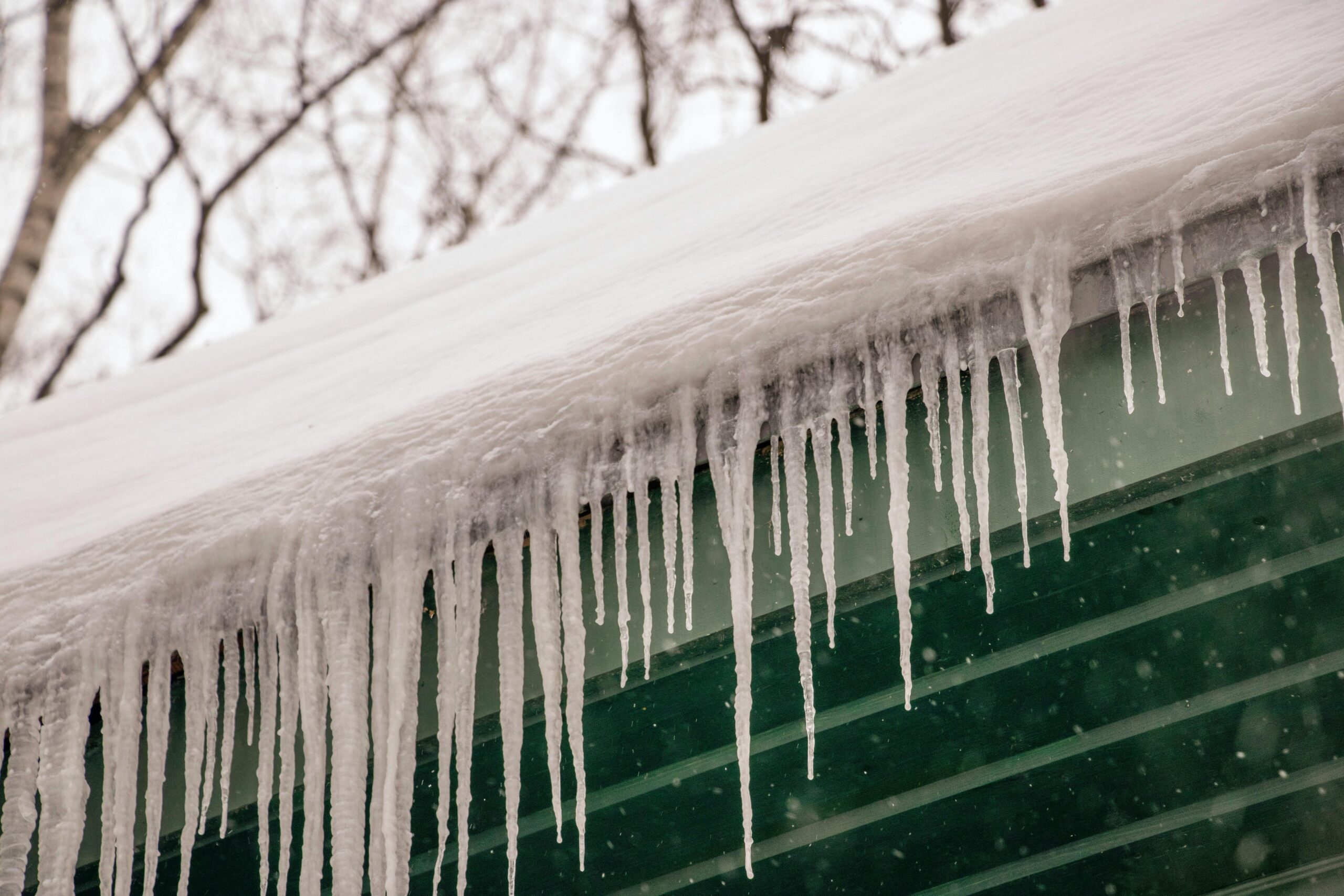
Ice dams, which form when melting snow refreezes at roof edges, present serious concerns. Solar panels alter snow melting patterns, potentially creating or worsening ice dam formation. Proper installation includes adequate attic ventilation and insulation strategies that prevent heat loss contributing to ice dam development.
Hurricane and High-Wind Areas
Coastal regions and tornado-prone areas require enhanced attachment methods meeting higher wind rating standards. This typically involves additional mounting brackets, stronger fasteners, and more frequent attachment points to resist uplift forces during extreme weather events.
Some jurisdictions require engineer-stamped plans certifying that installations meet specific wind resistance standards. These engineering reviews add costs but ensure your system remains securely attached during hurricanes or severe storms, protecting both panels and roof from damage.
💰 Balancing Costs With Quality for Optimal Long-Term Value
Solar installations represent significant financial investments, and budget constraints naturally influence decision-making. However, prioritizing roof protection through quality materials and installation practices ultimately delivers better financial returns.
Premium mounting hardware typically costs 15-25% more than economy alternatives, but this difference represents a small fraction of total system costs while dramatically impacting durability and leak prevention. Similarly, spending extra for experienced installers with strong roof-protection track records pays dividends through problem-free operation.
Consider the total cost of ownership rather than just initial installation expenses. A cheaper installation that causes roof leaks within five years will ultimately cost far more when you factor in leak repairs, potential structural damage, and panel removal and reinstallation costs. Quality installations avoid these expenses entirely.
Many installers offer financing options that make premium installations affordable through monthly payments comparable to current electricity bills. These arrangements allow you to prioritize quality without overwhelming upfront costs, protecting both your investment and your roof.
🔄 Future-Proofing Your Solar Investment
Planning for long-term scenarios ensures your solar installation remains beneficial throughout its lifespan without compromising roof integrity as situations change.
Roof Replacement Considerations
Even with proper installation, your roof will eventually require replacement. Planning for this inevitability saves money and hassle down the road. If your roof has 10-15 years of life remaining, consider replacing it before solar installation, aligning roof and panel lifespans.
When roof replacement becomes necessary after solar installation, you’ll need to remove and reinstall panels, adding $1,500-3,000 to roofing costs for typical residential systems. Some forward-thinking homeowners include panel removal and reinstallation clauses in their solar contracts, establishing predetermined costs for this eventual service.
System Expansion Capabilities
Energy needs often increase over time through home additions, electric vehicle purchases, or lifestyle changes. Designing your initial installation with expansion in mind prevents complications when adding capacity later.
This includes installing appropriately sized electrical infrastructure initially, even if not fully utilized, and planning mounting layouts that accommodate additional panels without compromising roof coverage or requiring new penetration areas. These considerations add minimal costs during initial installation but provide valuable flexibility for future expansion.
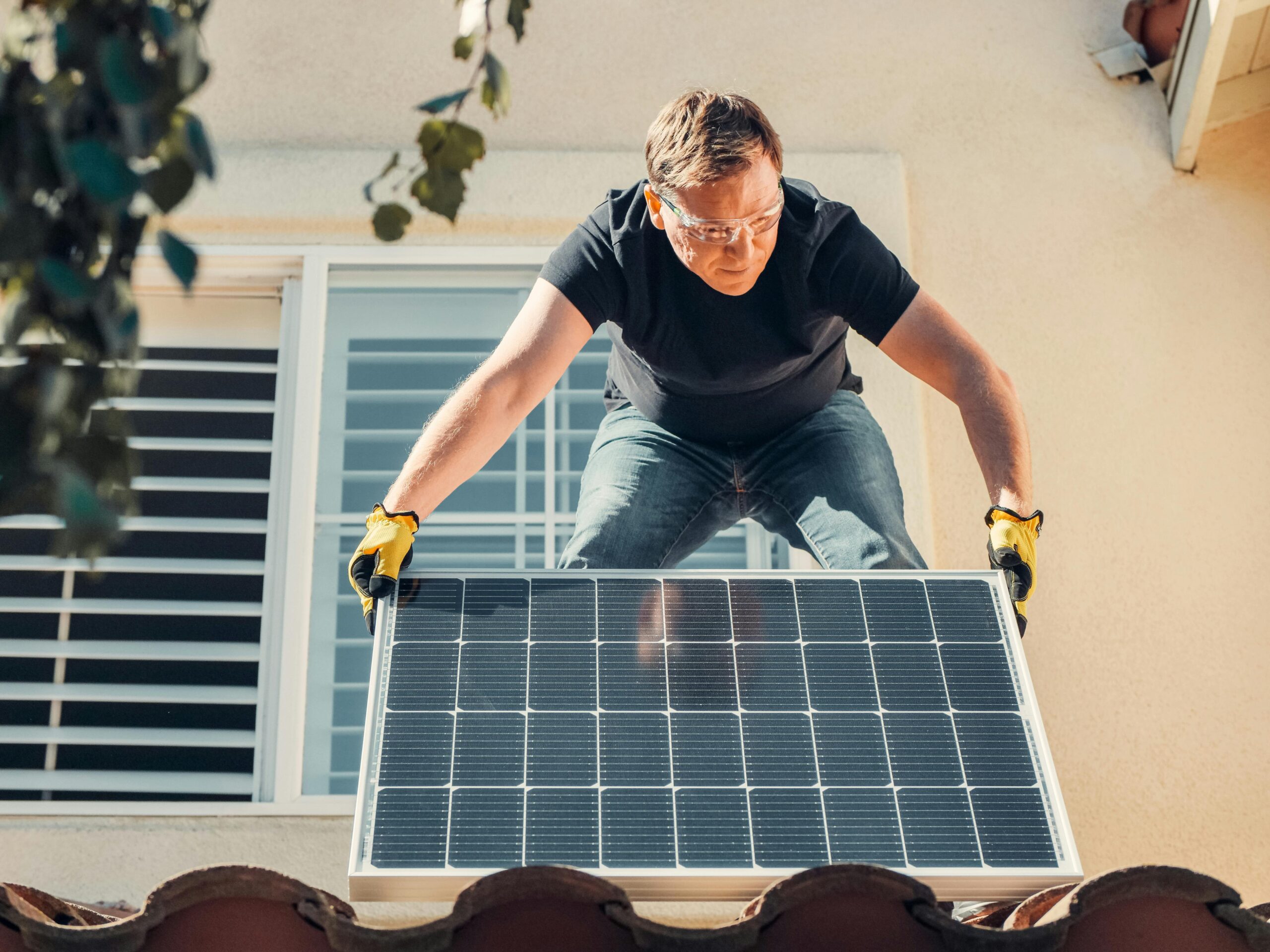
✅ Taking Action: Your Roof-Safe Solar Implementation Roadmap
Implementing solar power while protecting roof durability requires methodical planning and execution. Begin by scheduling a professional roof inspection to establish current condition and identify any necessary repairs. This baseline assessment informs all subsequent decisions.
Next, research qualified installers in your area, focusing on those with specific experience with your roof type and local climate conditions. Request multiple detailed proposals that explicitly address roof protection strategies, waterproofing methods, and warranty coverage.
Review all documentation carefully before signing contracts, ensuring warranties cover both system performance and installation workmanship, particularly regarding roof penetrations. Don’t hesitate to ask questions or request clarifications about any aspect of the installation process or materials.
After installation, establish a regular inspection and maintenance schedule that includes checking mounting points, sealants, and roof condition around your solar array. Document these inspections for warranty purposes and address any issues promptly before they develop into serious problems.
By prioritizing roof protection throughout your solar journey, you’ll enjoy decades of clean, efficient energy production without compromising the structural integrity of your home. This balanced approach delivers maximum value from your solar investment while maintaining the essential protective function that makes your roof one of your home’s most critical components.