Protecting your flooring investment in regions prone to multiple environmental threats requires more than standard installation practices—it demands strategic underlayment selection that addresses every challenge your climate can throw at it.

🌡️ Understanding Multi-Hazard Climate Challenges
Multi-hazard climates present a unique combination of environmental stressors that can quickly compromise flooring systems. These regions might experience extreme temperature fluctuations, high humidity followed by drought conditions, seasonal flooding, and intense UV exposure all within the same year. The underlayment you choose becomes your first line of defense against these varied threats.
Traditional underlayment materials were designed with single-purpose protection in mind. However, modern climate patterns have changed the game entirely. Homeowners in coastal areas face salt air corrosion alongside hurricane-force winds. Mountain residents deal with freeze-thaw cycles combined with intense summer heat. Even temperate zones now experience weather extremes previously uncommon to their regions.
The financial implications of inadequate underlayment protection are substantial. Flooring replacement costs can range from $3 to $15 per square foot, not including removal and disposal of damaged materials. When you factor in potential subfloor damage, mold remediation, and structural repairs, a single flooring failure can cost tens of thousands of dollars.
The Science Behind Advanced Underlayment Protection
Modern underlayment technology has evolved significantly beyond simple moisture barriers. Today’s premium products incorporate multiple protective layers, each engineered to address specific environmental threats. Understanding these technologies helps you make informed decisions about protecting your floors.
Vapor barriers prevent ground moisture from migrating upward through concrete slabs, which occurs continuously regardless of visible water presence. This moisture vapor can accumulate beneath flooring, creating perfect conditions for mold growth, adhesive failure, and material warping. Premium underlayments feature specialized polymers with perm ratings below 0.13, effectively blocking this moisture transfer.
Thermal Performance and Energy Efficiency
Temperature regulation represents another critical function of advanced underlayment systems. Materials with high R-values provide insulation that keeps floors warmer in winter and cooler in summer. This thermal barrier reduces energy costs while protecting flooring materials from the stress of temperature extremes.
Cork and rubber composite underlayments excel in thermal performance, offering R-values between 0.5 and 1.0 per inch of thickness. While this might seem modest compared to wall insulation, the impact on floor-level comfort and material longevity is substantial. These materials also provide excellent acoustic dampening, reducing sound transmission by up to 70%.
🛡️ Material Selection for Maximum Protection
Choosing the right underlayment material requires matching product characteristics to your specific climate challenges. No single material excels in every category, so understanding the strengths and limitations of each option is essential.
Polyethylene and Polypropylene Films
These synthetic materials offer exceptional moisture resistance at an economical price point. Standard polyethylene sheeting provides basic vapor barrier protection, while advanced cross-linked polyethylene adds tear resistance and dimensional stability. These materials work well in areas where moisture control is the primary concern.
However, thin plastic films offer minimal acoustic dampening or thermal insulation. They also provide little cushioning effect, which may be problematic for harder flooring materials like tile or stone. In high-traffic areas, thin films can shift or tear, compromising their protective capabilities.
Cork Underlayment Systems
Natural cork provides an impressive combination of moisture resistance, thermal insulation, and acoustic dampening. Its cellular structure compresses minimally under load, maintaining protective properties for decades. Cork is naturally antimicrobial and resistant to mold growth, making it ideal for humid climates.
The primary drawback of cork is cost—typically three to five times more expensive than synthetic alternatives. Cork also requires proper acclimation before installation and may not be suitable for direct concrete applications without an additional vapor barrier in very damp locations.
Rubber and Foam Composites
Synthetic rubber and specialized foam products offer excellent cushioning and sound absorption. Closed-cell foam variants provide good moisture resistance while maintaining flexibility across temperature ranges. These materials work particularly well under floating floor installations.
Quality varies dramatically in this category. Low-density foams compress permanently under furniture and high-traffic areas, creating uneven floors. Premium rubber composites maintain their structure but come at a higher price point. Always verify density ratings and compressive strength specifications before purchasing.
Installation Strategies for Multi-Hazard Resilience
Even the highest-quality underlayment fails without proper installation techniques. Multi-hazard climates demand meticulous attention to detail during every phase of the installation process.
Subfloor Preparation and Assessment
Before any underlayment installation, thoroughly assess subfloor conditions. Concrete slabs require moisture testing using calcium chloride tests or relative humidity probes. Wood subfloors need inspection for rot, insect damage, and structural integrity. Any deficiencies must be corrected before proceeding.
Concrete moisture levels should not exceed 3 pounds per 1,000 square feet per 24 hours for most flooring types. Wood subfloors should maintain moisture content between 6% and 9%, within 2% of the flooring material’s moisture content. These parameters ensure long-term stability regardless of climate challenges.
Seaming and Overlap Techniques
Proper seaming prevents moisture infiltration and maintains continuous protection. Underlayment seams should overlap by at least six inches, with all joints sealed using manufacturer-approved tape. In flood-prone areas, consider running seams perpendicular to likely water flow to minimize infiltration paths.
Never align underlayment seams with flooring seams—offset them by at least 12 inches. This prevents weak points where multiple joints coincide. In large installations, use continuous runs wherever possible to minimize the number of seams requiring attention.
🌊 Moisture Management in Flood-Prone Regions
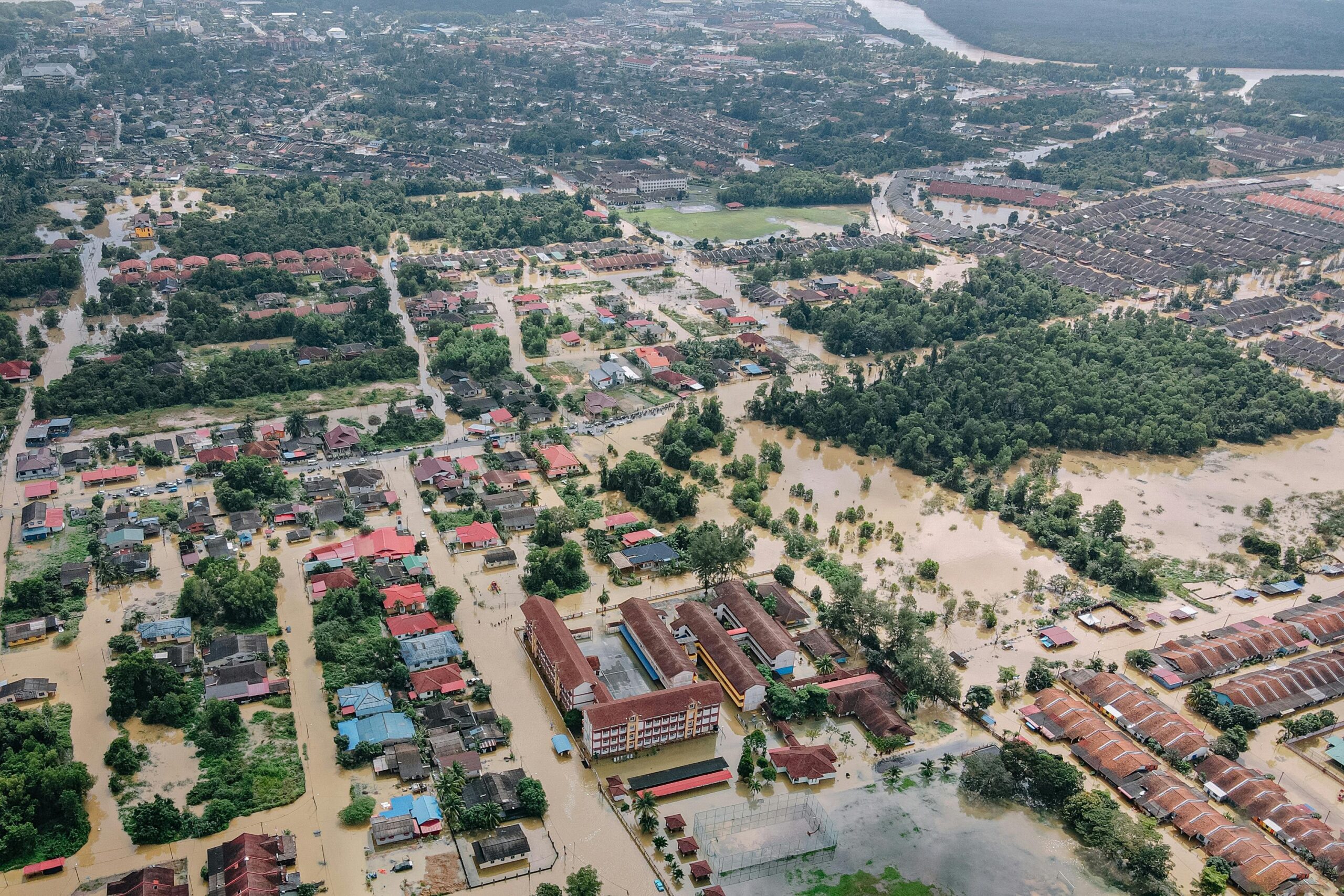
Areas susceptible to flooding require specialized underlayment approaches that go beyond standard vapor barriers. These systems must handle both chronic moisture exposure and acute flooding events while allowing proper drying afterward.
Drainage mats create an air gap between the subfloor and underlayment, allowing water to flow laterally to drains or evaporate naturally. These dimpled plastic sheets typically measure 3mm to 10mm in height, providing channels for water movement without compromising structural support for flooring above.
In severe flood zones, consider modular underlayment systems that can be removed and reinstalled after water events. While labor-intensive, this approach allows for complete drying and inspection of subfloors, preventing hidden moisture damage that leads to long-term structural problems.
Antimicrobial and Mold-Resistant Technologies
Moisture inevitably creates conditions favorable to biological growth. Underlayments treated with antimicrobial agents suppress mold, mildew, and bacteria development even when materials become damp. Look for products using built-in antimicrobial technology rather than topical treatments that wash away or degrade over time.
Silver ion technology and zinc-based treatments provide long-lasting antimicrobial protection. These agents actively inhibit microbial reproduction at the cellular level without off-gassing harmful chemicals into living spaces. Certification from organizations like the Carpet and Rug Institute or Greenguard ensures products meet strict safety and performance standards.
Temperature Extremes and Thermal Cycling
Regions experiencing wide temperature swings place unique stress on flooring systems. Materials expand when heated and contract when cooled—a process that repeats thousands of times over a floor’s lifespan. Without proper underlayment buffering, this cycling causes gaps, buckling, and premature wear.
Underlayments with high dimensional stability resist compression and maintain consistent thickness despite temperature changes. This stability keeps flooring materials properly supported, preventing the micro-movements that lead to fastener failure, adhesive breakdown, and surface cracking.
Radiant Heating Considerations
Radiant floor heating systems amplify temperature-related challenges. Underlayment must facilitate efficient heat transfer while protecting flooring from excessive thermal stress. Specialized low-profile materials designed for radiant applications typically measure less than 2mm thick with high thermal conductivity ratings.
Never use standard rubber or thick cork underlayments over radiant heat—they insulate too effectively, forcing systems to work harder and potentially overheating flooring materials. Always verify compatibility with your specific heating system and follow manufacturer guidelines regarding maximum operating temperatures.
🏔️ Elevation-Specific Challenges
High-altitude and mountainous environments present distinct underlayment requirements. Lower atmospheric pressure affects moisture vapor transmission rates, while intense UV exposure at elevation degrades certain materials faster than at sea level. Temperature extremes can be more severe, with daily fluctuations exceeding 40 degrees Fahrenheit.
UV-stable materials become essential in areas with significant sun exposure through windows or skylights. Standard polyethylene can become brittle and crack under prolonged UV exposure, compromising moisture protection. Look for underlayments with UV inhibitors or light-stable polymers when installing near large windows or in sunrooms.
Cost-Benefit Analysis of Premium Underlayment
Premium underlayment systems cost 50% to 300% more than basic options, leading many homeowners to question whether the investment is worthwhile. When analyzed over the expected lifespan of flooring installations, the economics strongly favor quality underlayment in multi-hazard climates.
A typical laminate floor costs $4 to $8 per square foot installed. Adding premium underlayment increases costs by $1 to $2 per square foot. However, this 15% to 25% increase in total project cost can double or triple the floor’s functional lifespan, dramatically improving the return on investment.
Long-Term Value Proposition
Consider a 2,000 square foot home with $12,000 invested in laminate flooring. Premium underlayment adds $2,000 to the project. If quality underlayment extends floor life from 10 to 20 years, the homeowner saves $12,000 in future replacement costs—a 500% return on the underlayment investment.
Beyond direct cost savings, proper underlayment maintains aesthetic appeal longer. Floors remain level, quiet, and comfortable underfoot throughout their service life. This maintained quality affects home resale value and livability in ways difficult to quantify but undeniably valuable.
⚙️ Maintenance and Monitoring Strategies
Even the best underlayment systems benefit from periodic monitoring and maintenance. Establishing simple inspection routines helps identify problems before they cause significant damage.
Inspect visible floor edges and transitions quarterly for signs of moisture infiltration, including discoloration, swelling, or musty odors. Use a moisture meter to check flooring moisture content annually, comparing readings to baseline measurements taken after installation. Significant increases indicate underlayment or subfloor problems requiring investigation.
Environmental Monitoring Systems
Smart home technology now includes moisture and temperature sensors that provide continuous monitoring of conditions affecting flooring systems. These devices alert homeowners to humidity spikes, temperature extremes, or water leaks before visible damage occurs.
Wireless sensors placed strategically beneath flooring during installation provide ongoing data about conditions your underlayment faces. While adding $200 to $500 to project costs, these systems prevent damage costing thousands by enabling early intervention when environmental conditions exceed safe parameters.
🔍 Product Certification and Quality Assurance
The underlayment market includes products ranging from excellent to inadequate. Certifications from independent testing organizations help separate quality products from inferior alternatives marketed with impressive-sounding but meaningless claims.
Look for ASTM International certifications covering moisture permeability, compressive strength, and dimensional stability. Products meeting or exceeding ASTM E1745 standards for plastic water vapor retarders provide reliable moisture protection. Acoustic underlayments should meet ASTM E2179 standards for impact insulation class ratings.
Third-party certifications from organizations like FloorScore or Greenguard ensure products meet strict emissions standards for volatile organic compounds. This matters particularly in multi-hazard climates where homes remain sealed against outdoor conditions for extended periods, potentially concentrating indoor air pollutants.
Integrating Underlayment with Comprehensive Floor Protection
Underlayment represents just one component of a complete flooring protection strategy. Combining quality underlayment with appropriate flooring materials, proper installation techniques, and ongoing maintenance creates truly resilient systems capable of withstanding decades of multi-hazard exposure.
The flooring material itself must be suitable for your climate. Engineered hardwood handles moisture variations better than solid wood. Luxury vinyl plank resists both moisture and temperature extremes. Porcelain tile withstands virtually any environmental condition but requires properly rated underlayment to prevent crack transmission from subfloor movement.
Climate-appropriate installation techniques complement underlayment protection. Adequate expansion gaps around floor perimeters accommodate seasonal movement. Proper acclimation of materials before installation ensures dimensional stability. Using recommended adhesives and fasteners rated for your climate conditions prevents premature failure.
Making Your Final Selection
Armed with comprehensive understanding of underlayment options and climate challenges, you can now make informed decisions protecting your flooring investment for decades. Start by honestly assessing the specific hazards your location faces—moisture, temperature extremes, flooding potential, or combinations of these factors.
Match underlayment characteristics to your highest-priority concerns. If moisture dominates, prioritize vapor barrier performance and antimicrobial treatment. For temperature extremes, emphasize thermal stability and insulation properties. In areas facing multiple severe hazards, invest in premium multi-layer systems addressing every concern simultaneously.
Consult with flooring professionals experienced in your specific climate. Local installers understand regional challenges and can recommend products with proven performance histories in your area. Don’t hesitate to request references or examples of installations in similar conditions.
Remember that underlayment remains hidden beneath beautiful flooring surfaces, working silently to protect your investment year after year. This invisible guardian deserves thoughtful selection and proper installation—your floors depend on it. In multi-hazard climates, compromising on underlayment quality is false economy that inevitably costs more in premature replacements and repairs than you saved initially. Choose wisely, install properly, and enjoy decades of beautiful, durable floors regardless of what climate challenges come your way.