Living in a freeze-thaw climate presents unique challenges for homeowners, particularly when it comes to maintaining a durable, weather-resistant roof over your head.

Winter weather can be brutal on roofing systems, especially in regions where temperatures fluctuate above and below freezing multiple times throughout the season. The cyclical nature of freezing and thawing creates a relentless assault on roofing materials, causing expansion, contraction, and moisture infiltration that can lead to costly damage. Understanding how to protect your roof from these harsh conditions is essential for preserving your home’s structural integrity and avoiding expensive repairs.
This comprehensive guide explores everything you need to know about roofing in freeze-thaw climates, from selecting the right materials to implementing preventive maintenance strategies that will extend your roof’s lifespan and keep your home safe and dry year-round.
❄️ Understanding the Freeze-Thaw Cycle and Its Impact on Roofing
The freeze-thaw cycle is a natural phenomenon that occurs when temperatures oscillate around the freezing point of water. During warmer periods, snow and ice melt, creating water that seeps into small cracks, pores, and gaps in roofing materials. When temperatures drop again, this trapped moisture freezes and expands by approximately 9%, exerting tremendous pressure on the surrounding material.
This repeated expansion and contraction creates a destructive pattern that gradually weakens roofing components. Shingles become brittle and crack, flashing separates from joints, sealants deteriorate, and structural damage accumulates over time. In severe cases, the freeze-thaw cycle can compromise the entire roofing system, leading to leaks, water damage, and even structural failure.
The intensity of freeze-thaw damage depends on several factors, including the frequency of temperature fluctuations, the amount of moisture present, and the quality of roofing materials used. Regions that experience multiple freeze-thaw cycles each winter face particularly aggressive conditions that demand specialized roofing solutions.
🏠 Best Roofing Materials for Cold Climate Performance
Selecting the right roofing material is perhaps the most critical decision for homeowners in freeze-thaw climates. Not all roofing products perform equally well under harsh winter conditions, and making an informed choice can mean the difference between decades of trouble-free performance and constant maintenance headaches.
Metal Roofing: The Premium Cold-Climate Solution
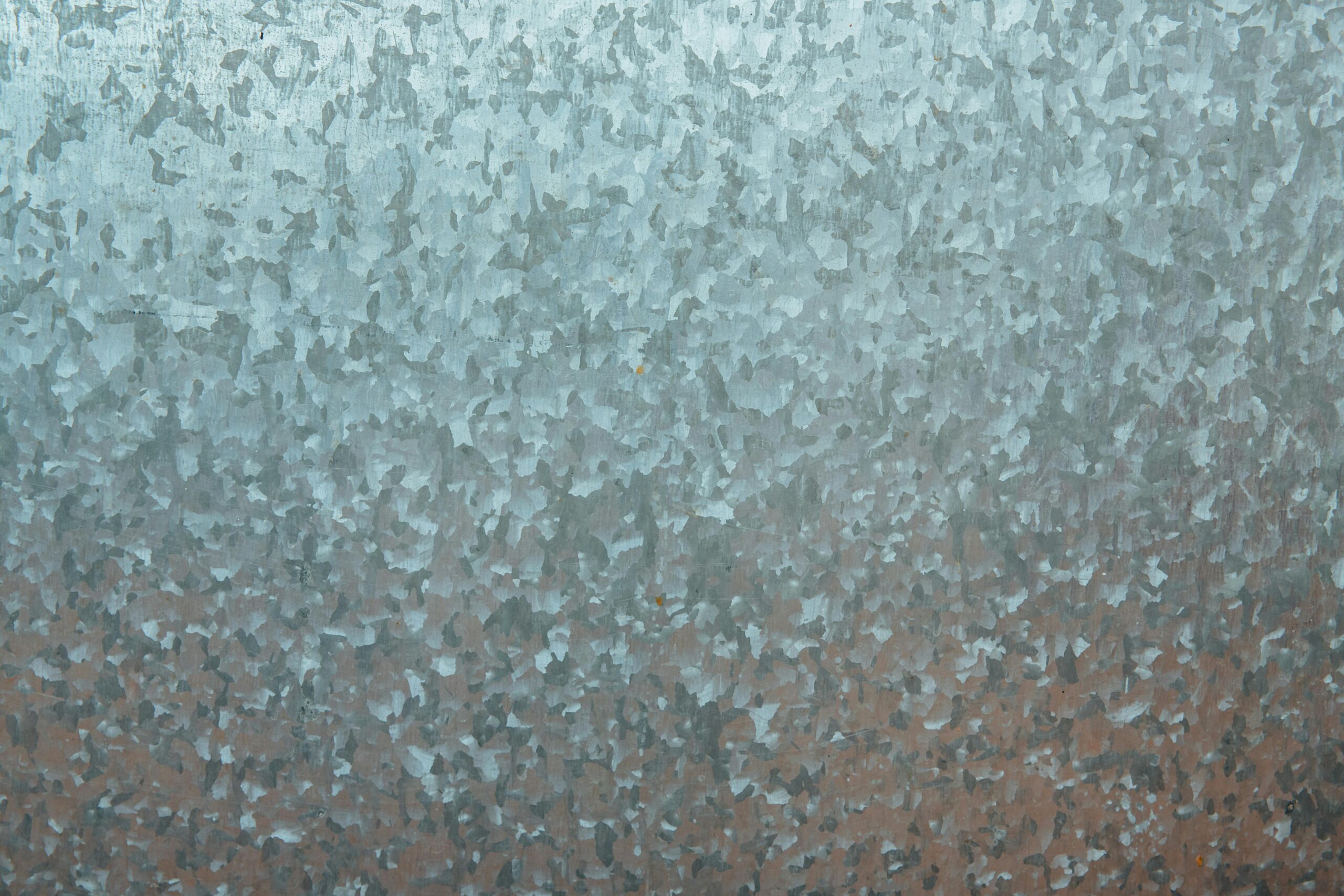
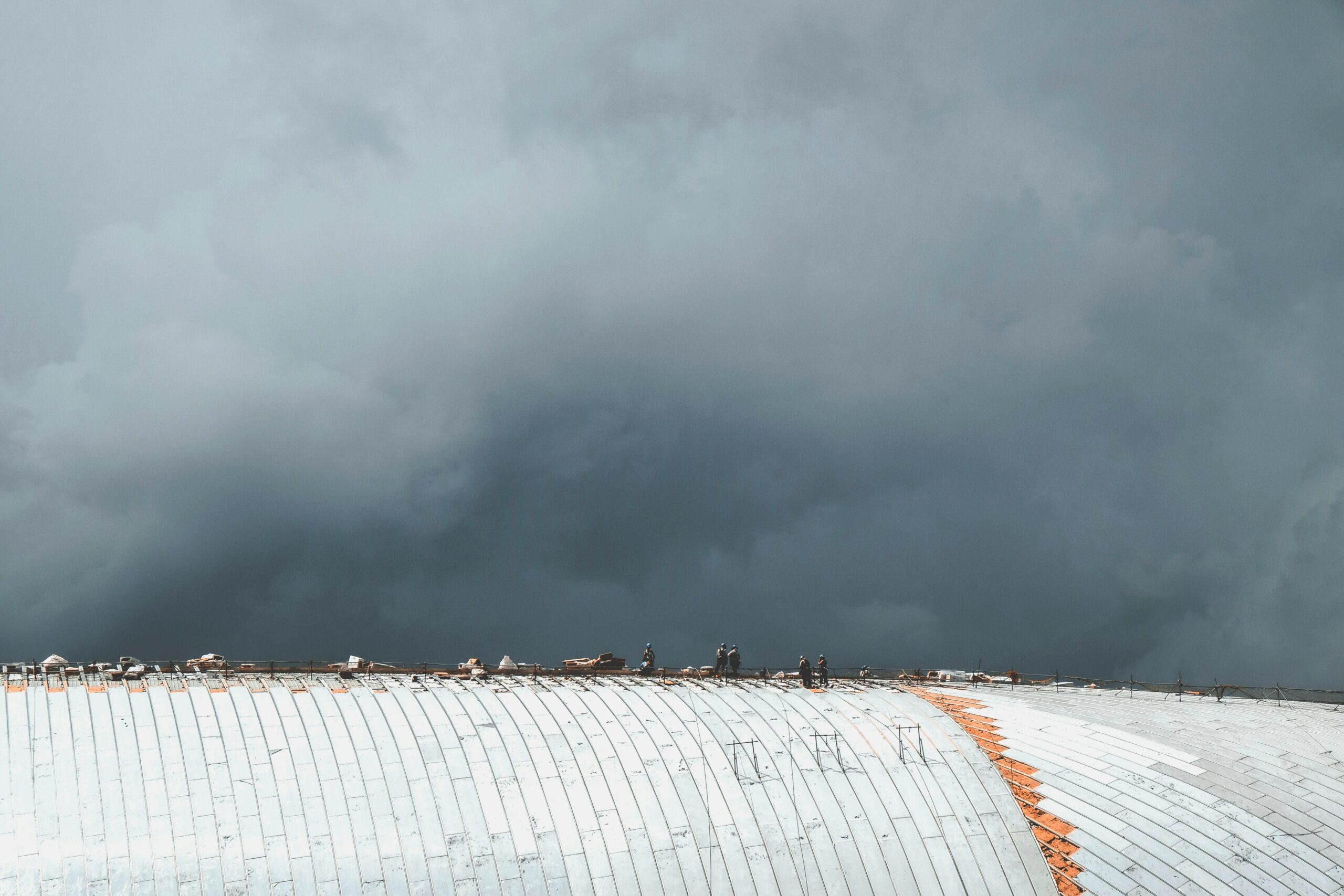
Metal roofing has emerged as one of the top choices for freeze-thaw environments. Its smooth surface allows snow and ice to slide off naturally, reducing the load on your roof structure and minimizing ice dam formation. Metal roofs are impervious to moisture absorption, eliminating one of the primary mechanisms of freeze-thaw damage.
Steel, aluminum, and copper roofing systems can last 50 years or more with minimal maintenance. They’re fire-resistant, energy-efficient, and available in numerous styles that mimic traditional roofing aesthetics. While the initial investment is higher than asphalt shingles, the longevity and reduced maintenance costs make metal roofing economically advantageous over time.
Architectural Asphalt Shingles: Balancing Cost and Performance
For homeowners seeking a more budget-friendly option, high-quality architectural asphalt shingles designed specifically for cold climates offer solid performance. These premium shingles feature enhanced flexibility that allows them to withstand temperature fluctuations without cracking. Look for products with a Class A fire rating and wind resistance ratings appropriate for your region.
The key is selecting shingles manufactured with cold-weather formulations that remain pliable in freezing temperatures. Standard three-tab shingles often fail prematurely in freeze-thaw climates, making the upgraded architectural options a worthwhile investment.
Slate and Tile: Traditional Durability
Natural slate and certain tile products offer exceptional longevity in cold climates, with lifespans exceeding 100 years. However, these materials require professional installation and substantial structural support due to their weight. Not all slate or tile products are suitable for freeze-thaw conditions—only those with low water absorption rates will perform adequately.
🛠️ Critical Installation Techniques for Freeze-Thaw Regions
Even the highest-quality roofing materials will fail prematurely if not installed correctly. Freeze-thaw climates demand specialized installation techniques that address the unique stresses these environments impose on roofing systems.
Ice and Water Shield Protection
Installing a continuous ice and water shield membrane is non-negotiable in freeze-thaw regions. This self-adhering waterproof barrier should extend at least three feet inside the exterior wall line, protecting vulnerable areas like eaves, valleys, and penetrations. Many building codes in cold climates now mandate this protection, but going beyond minimum requirements provides additional security.
Quality ice and water shield products create a watertight seal around fasteners and provide a secondary line of defense against water infiltration caused by ice dams and wind-driven rain.
Proper Ventilation Systems
Adequate attic ventilation is essential for preventing ice dams and controlling moisture levels. A balanced ventilation system with both intake vents (typically soffit vents) and exhaust vents (ridge vents or roof vents) maintains uniform roof temperatures and prevents the warm-cold temperature differentials that contribute to ice dam formation.
The general recommendation is one square foot of ventilation for every 150 square feet of attic space, with intake and exhaust vents balanced proportionally. In especially cold climates, increasing this ratio can provide additional protection.
Strategic Flashing Installation
Flashing around chimneys, vent pipes, skylights, and roof valleys represents critical vulnerability points where freeze-thaw damage often begins. Using high-quality metal flashing with proper overlap and sealant application creates durable barriers against water infiltration. Counter-flashing, step-flashing, and valley flashing must all be installed according to manufacturer specifications with extra attention to detail.
🧊 Ice Dam Prevention and Management Strategies
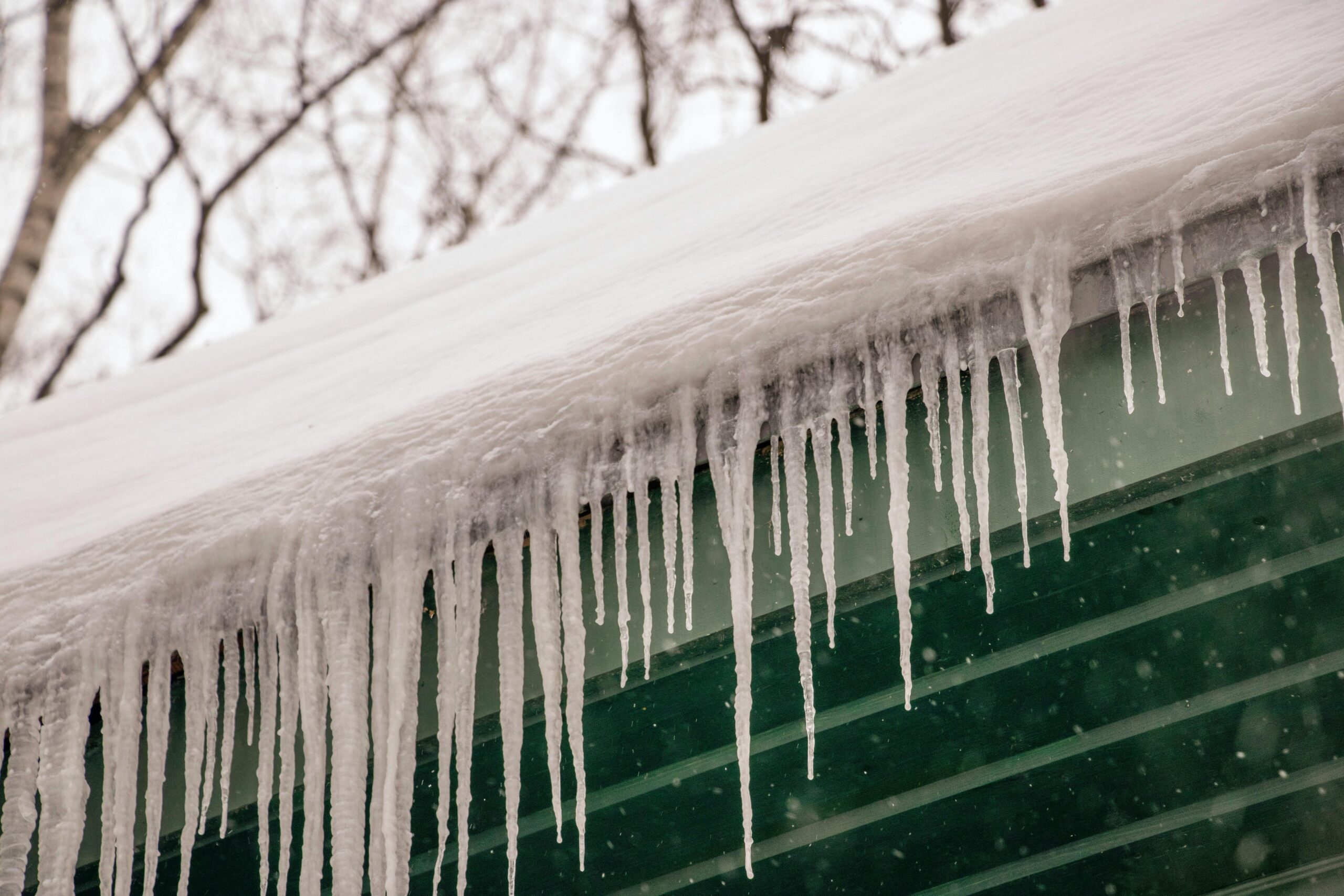
Ice dams form when heat escaping from your home melts snow on the upper portions of your roof. This water runs down to the colder eaves where it refreezes, creating a dam that prevents proper drainage. As water backs up behind these ice formations, it can work its way under shingles and into your home, causing extensive damage.
Preventing ice dams requires a multi-faceted approach addressing both the symptoms and root causes of the problem.
Insulation and Air Sealing
The most effective ice dam prevention begins in your attic. Proper insulation (R-49 to R-60 in most cold climates) keeps heat inside your living spaces rather than allowing it to escape through the roof deck. Equally important is air sealing—plugging gaps around light fixtures, plumbing penetrations, attic hatches, and other openings that allow warm air to bypass insulation.
This combination maintains a cold roof deck that prevents differential melting patterns while also reducing heating costs significantly.
Heat Cable Installation
For homes with persistent ice dam problems, installing heat cables along eaves and in valleys provides a managed melting pathway that prevents ice buildup. These electrical heating elements create channels through which water can drain safely. While heat cables consume electricity, they’re far less expensive than repairing water damage caused by ice dams.
Snow Removal Practices
Using a roof rake to remove snow from the lower three to four feet of your roof after significant snowfall eliminates the source material for ice dams. This simple preventive measure takes only minutes but can save thousands in damage. Never use metal tools or try to chip away existing ice, as this can damage roofing materials.
📅 Seasonal Maintenance Checklist for Cold Climate Roofs
Regular maintenance significantly extends roof lifespan in freeze-thaw environments. Implementing a seasonal inspection and maintenance routine helps identify problems before they become expensive repairs.
Fall Preparation (September-November)
- Clean gutters and downspouts thoroughly, removing all leaves and debris
- Inspect and repair damaged or missing shingles
- Check flashing around chimneys, vents, and skylights for gaps or deterioration
- Trim overhanging tree branches that could damage the roof during winter storms
- Verify attic insulation is adequate and properly distributed
- Check attic ventilation systems for blockages
- Inspect and clean roof valleys where debris accumulates
Winter Monitoring (December-February)
- Regularly check for ice dam formation along eaves
- Remove excessive snow buildup using appropriate tools
- Monitor attic temperature and moisture levels
- Watch for interior signs of water infiltration like stains or drips
- Ensure exhaust vents remain clear of snow and ice
Spring Assessment (March-May)
- Conduct thorough roof inspection after winter season ends
- Document any damage for insurance purposes
- Schedule professional repairs for issues identified
- Check for granule loss on asphalt shingles
- Inspect sealants and caulking for deterioration
- Verify proper drainage from downspouts
💰 Cost Considerations and Long-Term Value
Roofing in freeze-thaw climates represents a significant investment, but understanding the full cost picture helps homeowners make informed decisions that balance upfront expenses with long-term value.
A basic asphalt shingle roof replacement typically ranges from $5,000 to $12,000 for an average-sized home, while premium materials like metal roofing can cost $15,000 to $30,000 or more. However, these initial costs don’t tell the complete story.
When evaluating roofing options, consider the expected lifespan, maintenance requirements, energy efficiency benefits, and warranty coverage. A metal roof costing twice as much as asphalt shingles but lasting three times as long represents superior long-term value. Additionally, energy-efficient roofing materials can reduce heating costs by 10-25%, creating ongoing savings that offset higher initial investments.
Many homeowners also overlook the value of professional installation. While DIY installation might save money upfront, improper installation in freeze-thaw climates almost always leads to premature failure and expensive repairs that far exceed any initial savings.
🔍 Warning Signs Your Roof Needs Professional Attention
Recognizing early warning signs of roof problems allows you to address issues before they escalate into major damage. In freeze-thaw climates, certain indicators deserve immediate attention.
Curling, cupping, or missing shingles signal that your roof’s protective barrier has been compromised. Dark streaks or stains on ceilings indicate active water infiltration requiring urgent investigation. Granule accumulation in gutters suggests shingle deterioration, while visible sagging areas point to structural problems that demand immediate professional assessment.
Daylight visible through roof boards from inside the attic, ice forming inside attic spaces, and unusually high heating bills all indicate ventilation or insulation problems contributing to freeze-thaw damage. Addressing these issues promptly prevents minor problems from becoming catastrophic failures.
🏆 Choosing the Right Roofing Contractor for Cold Climates
Selecting a qualified roofing contractor experienced in freeze-thaw environments is crucial for ensuring quality workmanship and long-lasting results. Not all roofing companies understand the specialized techniques required for cold climate installations.
Look for contractors with specific experience in your climate zone, proper licensing and insurance, and verifiable references from local customers. Request detailed written estimates that specify materials by brand and model number, installation methods, and warranty terms. Be wary of contractors who pressure you for immediate decisions or offer prices significantly below competitors—quality roofing work commands fair compensation.
Verify that contractors follow manufacturer installation guidelines and local building codes. Ask about their approach to ice dam prevention, ventilation design, and warranty coverage for both materials and labor. A quality contractor should be willing to explain their methods and answer questions thoroughly.
🌡️ Climate Change Considerations for Future-Proof Roofing
Climate patterns are shifting, with many freeze-thaw regions experiencing more extreme temperature fluctuations and unpredictable weather events. Future-proofing your roofing system means selecting materials and designs that can handle not just current conditions but also potentially more severe conditions ahead.
This might mean choosing materials rated for wider temperature ranges, installing enhanced drainage systems to handle heavier precipitation events, or incorporating impact-resistant features to protect against increasingly severe hail storms. Working with contractors who stay informed about climate trends and emerging roofing technologies ensures your investment remains protective for decades to come.
✨ Maximizing Your Roof’s Lifespan in Harsh Conditions
A well-designed, properly installed, and regularly maintained roof can provide decades of reliable protection even in the most challenging freeze-thaw climates. The key lies in understanding that your roof is a system—not just the visible shingles, but also the underlying structure, ventilation, insulation, and drainage components working together.
Investing in quality materials appropriate for your specific climate conditions provides the foundation for long-term performance. Ensuring professional installation following best practices for cold climates eliminates the common weak points where failures typically begin. Implementing a consistent maintenance routine catches small issues before they become expensive problems.
By taking a comprehensive approach that addresses material selection, installation quality, preventive maintenance, and early problem detection, homeowners in freeze-thaw climates can enjoy roofing systems that withstand winter’s worst while protecting their most valuable asset—their home.
The challenges of freeze-thaw climates are significant, but with the right knowledge, materials, and maintenance practices, your roof can successfully defend against ice, snow, temperature extremes, and moisture for many years to come. The investment in doing things right the first time pays dividends through reduced repairs, lower energy costs, and the peace of mind that comes from knowing your home is properly protected against whatever winter weather brings.