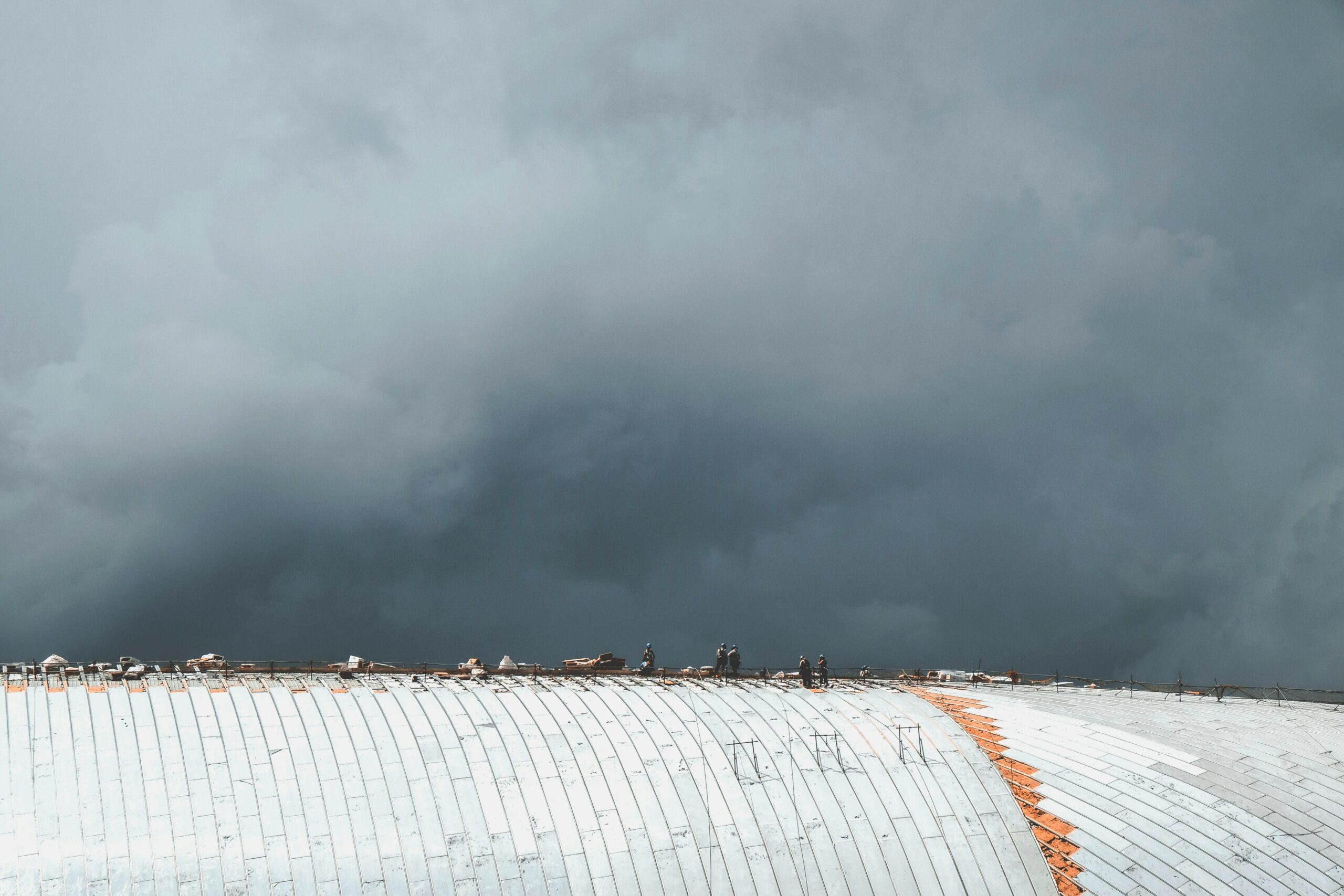
Reflective coatings have revolutionized modern construction and manufacturing, offering unprecedented protection while extending the lifespan of countless surfaces and structures worldwide.

🌟 The Science Behind Reflective Coating Technology
Reflective coatings represent a sophisticated fusion of chemistry and physics, designed to redirect solar radiation away from surfaces. These specialized formulations contain microscopic particles that bounce back sunlight, particularly infrared and ultraviolet rays, which are the primary culprits behind material degradation. The technology has evolved significantly over the past two decades, transitioning from simple white paints to complex multi-layered systems that offer comprehensive protection.
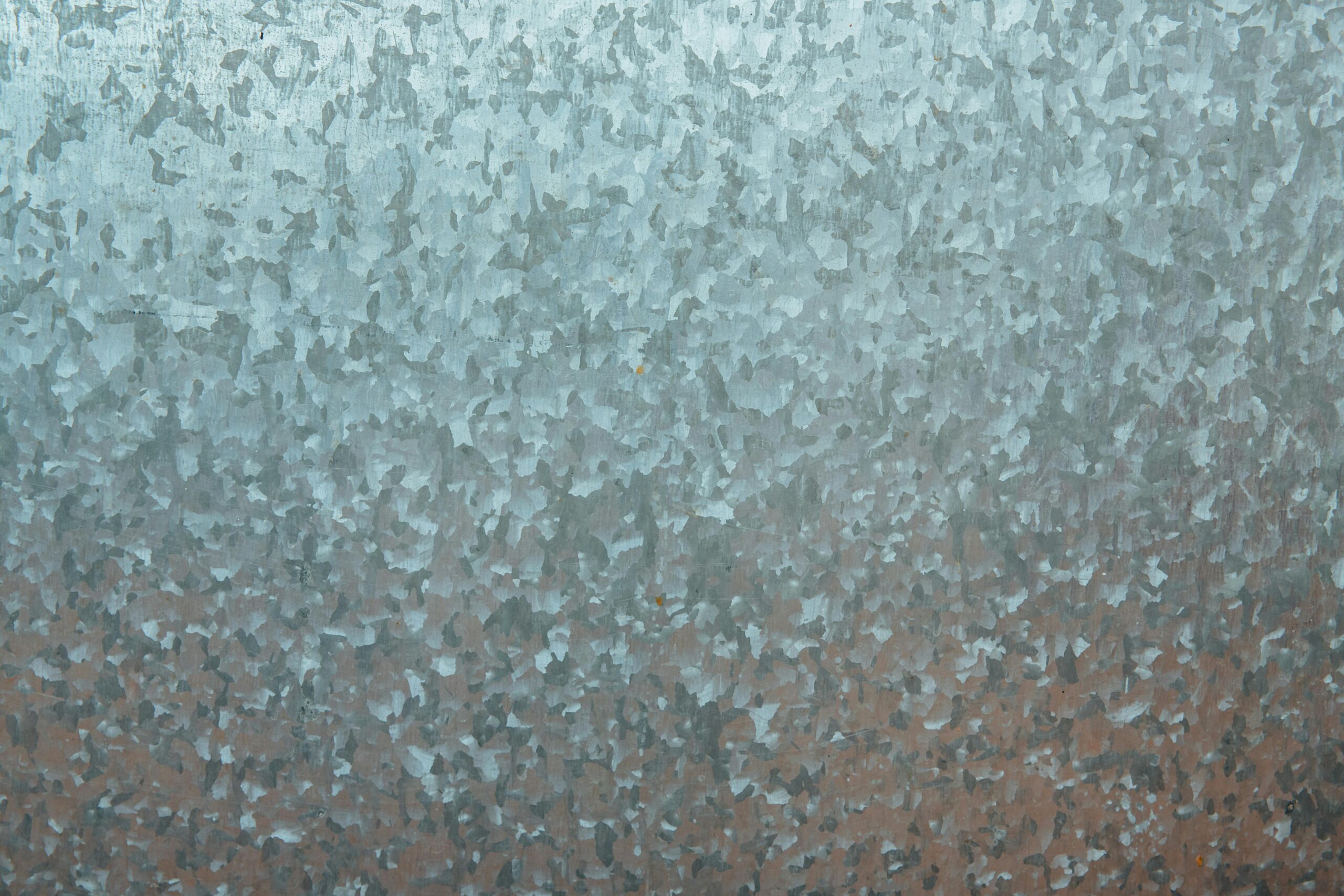
The core mechanism involves the principle of solar reflectance, measured by the Solar Reflectance Index (SRI). High-quality reflective coatings can achieve SRI values exceeding 100, meaning they reflect more heat than a standard white surface. This remarkable capability stems from carefully selected pigments, typically titanium dioxide or specialized ceramic microspheres, suspended in advanced polymer matrices. These components work synergistically to create a barrier that not only reflects heat but also resists environmental stressors.
Modern formulations incorporate nanotechnology, allowing manufacturers to engineer coatings at the molecular level. These nano-enhanced products deliver superior performance in terms of adhesion, flexibility, and weather resistance. The particles are so small that they create an incredibly smooth surface finish, reducing dirt accumulation and making maintenance significantly easier over time.
💪 Durability Advantages That Stand the Test of Time
The longevity benefits of reflective coatings extend far beyond simple surface protection. When properly applied, these coatings can double or even triple the lifespan of underlying materials. Metal roofs, for instance, typically last 20-30 years without protective coatings, but with high-quality reflective systems, their functional life can extend beyond 50 years. This dramatic increase results from multiple protective mechanisms working simultaneously.
Temperature fluctuation represents one of the greatest threats to material integrity. Surfaces without reflective protection experience dramatic thermal cycling, expanding during hot days and contracting at night. This constant movement creates micro-cracks that propagate over time, eventually leading to structural failure. Reflective coatings minimize temperature swings by maintaining surface temperatures 40-60 degrees Fahrenheit cooler than uncoated alternatives, dramatically reducing thermal stress.
UV radiation degrades polymers, fades colors, and weakens molecular bonds in virtually all construction materials. Reflective coatings act as sunscreen for buildings, blocking up to 95% of harmful UV rays. This protection prevents the chalking, cracking, and discoloration that typically plague exposed surfaces. Materials maintain their structural integrity and aesthetic appeal decades longer than their unprotected counterparts.
Weather Resistance and Environmental Protection
Reflective coatings create an impermeable barrier against moisture infiltration, one of the most destructive forces in construction. Water penetration leads to corrosion in metals, rot in wood, and structural degradation in concrete. High-performance reflective systems form continuous membranes that seal surfaces against rain, humidity, and condensation. This waterproofing capability proves particularly valuable in coastal environments where salt-laden moisture accelerates deterioration.
The coatings also provide exceptional resistance to chemical exposure, protecting surfaces from acid rain, industrial pollutants, and biological growth. Algae, mold, and mildew struggle to establish themselves on reflective surfaces due to reduced moisture retention and the antimicrobial properties incorporated into many modern formulations. This resistance maintains both structural integrity and visual appearance without requiring aggressive cleaning protocols.
⚡ Energy Efficiency and Cost Savings
The financial benefits of reflective coatings extend throughout their service life, beginning with immediate energy savings. Buildings treated with cool roof coatings experience cooling load reductions of 10-40%, depending on climate, building design, and insulation levels. These savings translate directly to lower utility bills, with many commercial buildings recovering their coating investment within 2-3 years through energy cost reductions alone.
The reduced cooling demand also extends HVAC equipment lifespan by decreasing operating hours and thermal stress on components. Air conditioning systems in buildings with reflective roofs typically last 15-20% longer than those serving uncoated structures. This equipment longevity represents substantial capital cost avoidance, as commercial HVAC replacement can cost tens of thousands of dollars.
Peak demand reduction offers another significant economic advantage, particularly for commercial and industrial facilities. Reflective coatings help buildings maintain cooler temperatures during the hottest parts of the day, reducing strain on electrical grids and avoiding expensive demand charges. Some utility companies offer rebates and incentives for cool roof installations, recognizing their role in grid stability and energy conservation.
Environmental Impact and Sustainability Benefits
The sustainability credentials of reflective coatings align perfectly with modern environmental priorities. By reducing energy consumption, these coatings decrease greenhouse gas emissions associated with electricity generation. A typical commercial building with a reflective roof eliminates approximately 10-15 tons of CO2 emissions annually, equivalent to removing two cars from the road for a year.
Reflective coatings also combat the urban heat island effect, where cities experience temperatures 5-7 degrees higher than surrounding rural areas. This temperature differential results from dark surfaces absorbing and re-radiating solar energy. Widespread adoption of reflective coatings on roofs and pavements can significantly reduce urban temperatures, improving air quality and reducing heat-related health risks for city residents.
🏗️ Application Versatility Across Industries
The versatility of reflective coatings makes them suitable for an impressive range of applications across diverse industries. Commercial roofing represents the largest market segment, with millions of square feet coated annually. Flat and low-slope roofs particularly benefit from reflective systems, as they receive direct solar exposure throughout the day. Single-ply membranes, built-up roofing, and metal roof systems all accommodate reflective coating technology.
Industrial facilities utilize reflective coatings to protect storage tanks, pipelines, and processing equipment from thermal degradation and corrosion. Refineries, chemical plants, and manufacturing operations rely on these protective systems to maintain operational integrity and safety standards. The coatings prevent dangerous overheating of volatile materials and reduce the risk of thermal expansion failures in piping systems.
Transportation infrastructure benefits significantly from reflective coating technology. Bridge decks, parking structures, and roadway surfaces coated with reflective systems experience reduced thermal cracking and surface deterioration. Some municipalities apply cool pavement coatings to reduce surface temperatures and improve pedestrian comfort in high-traffic areas. These applications extend infrastructure lifespan while improving urban livability.
Residential Applications and Homeowner Benefits
Homeowners increasingly recognize the advantages of reflective coatings for residential properties. Roof coatings represent the most common application, providing protection for asphalt shingles, metal roofing, and tile systems. The coatings extend roof lifespan by 10-15 years while delivering immediate comfort and energy savings. Attic temperatures can drop by 30-40 degrees, reducing cooling costs and improving overall home comfort.
Exterior walls also benefit from reflective coating technology, particularly in hot climates where intense sun exposure degrades siding materials. Vinyl, stucco, and fiber cement siding maintain their color and structural integrity longer when protected by reflective systems. The coatings prevent warping, fading, and brittleness that typically develop over time.
🔬 Advanced Formulations and Technological Innovation
The reflective coating industry continues evolving through ongoing research and development efforts. Self-cleaning formulations represent one exciting advancement, incorporating photocatalytic materials that break down organic contaminants when exposed to sunlight. These coatings maintain their reflective properties longer by preventing dirt accumulation, ensuring sustained energy efficiency and aesthetic appeal.
Elastomeric reflective coatings offer exceptional flexibility, accommodating substrate movement without cracking or delaminating. These formulations prove particularly valuable for buildings in seismic zones or structures subject to thermal cycling. The coatings can stretch 300-500% of their original dimension, bridging cracks and maintaining waterproof integrity despite substrate movement.
Phase-change material integration represents another innovative development, where microscopic capsules containing materials that absorb and release thermal energy are incorporated into coating formulations. These systems provide dynamic thermal regulation, absorbing heat during peak periods and releasing it during cooler times, further optimizing building energy performance.
Smart Coating Technologies on the Horizon
Emerging technologies promise even greater functionality from future reflective coatings. Chromogenic systems that adjust their reflective properties based on temperature or light intensity are under development, offering adaptive thermal management. These intelligent coatings could maximize solar gain during winter months while maintaining cool surfaces in summer, optimizing year-round energy efficiency.
Integration with building management systems represents another frontier, where sensors embedded in coating systems monitor surface conditions, detecting moisture intrusion or coating degradation before visible damage occurs. This predictive maintenance capability allows property managers to address issues proactively, preventing costly repairs and extending coating lifespan.
📊 Performance Metrics and Quality Standards
Understanding performance specifications helps stakeholders select appropriate reflective coating systems for specific applications. Solar reflectance values typically range from 0.50 to 0.90, with higher numbers indicating better reflective performance. Premium coatings exceed 0.85 solar reflectance, providing maximum thermal protection. Thermal emittance, measuring a surface’s ability to release absorbed heat, should exceed 0.75 for optimal performance.
Industry organizations have established rigorous testing protocols to verify coating performance claims. The Cool Roof Rating Council provides independent third-party verification of solar reflectance and thermal emittance values. ASTM International publishes standardized test methods for adhesion, flexibility, weathering resistance, and other critical performance characteristics. Specifiers should require products meeting these recognized standards to ensure quality and performance.
Warranty coverage provides another important quality indicator. Reputable manufacturers offer warranties ranging from 10 to 20 years, guaranteeing reflective performance retention and coating integrity. These warranties typically specify minimum reflectance values that coatings must maintain throughout the warranty period, ensuring long-term energy savings and protection.
🛠️ Installation Considerations for Optimal Performance
Proper surface preparation represents the most critical factor in coating system longevity and performance. Surfaces must be clean, dry, and free from contaminants that could compromise adhesion. Power washing removes dirt, biological growth, and loose material, while degreasing eliminates oils that prevent proper bonding. Failed coatings almost always result from inadequate surface preparation rather than product deficiencies.
Primer selection and application significantly impact system performance, particularly on challenging substrates. Primers improve adhesion, seal porous surfaces, and prevent tannin bleeding from wood substrates. The primer must be chemically compatible with both the substrate and the topcoat to ensure optimal bonding and performance. Following manufacturer specifications for primer selection and application thickness is essential.
Application conditions dramatically affect coating performance and longevity. Most systems require temperatures between 50-90°F and relative humidity below 85% during application and curing. Coating surfaces in direct sunlight or during precipitation can cause adhesion failures, blistering, and premature degradation. Professional applicators monitor weather conditions carefully and adjust schedules to ensure optimal application conditions.
Maintenance Practices That Extend Service Life
While reflective coatings require minimal maintenance compared to uncoated surfaces, periodic care maximizes their protective capabilities and extends service life. Annual inspections identify potential issues before they become serious problems, allowing for targeted repairs that prevent widespread deterioration. Inspectors look for coating damage, ponding water, debris accumulation, and early signs of biological growth.
Periodic cleaning maintains optimal reflective performance by removing dirt and contaminants that reduce solar reflectance. Gentle washing with mild detergents and soft brushes typically suffices for routine cleaning. High-pressure washing should be avoided, as excessive force can damage coating surfaces and compromise their protective properties. Most manufacturers recommend professional cleaning every 2-3 years in typical environments.
💡 Future Outlook and Market Growth
The reflective coatings market continues expanding rapidly, driven by increasing energy costs, environmental regulations, and growing sustainability awareness. Industry analysts project compound annual growth rates exceeding 6% through 2030, with the global market surpassing $10 billion. This growth reflects the technology’s proven performance and expanding application opportunities across diverse sectors.
Building codes and energy efficiency standards increasingly mandate or incentivize cool roof systems, accelerating market adoption. California’s Title 24 energy code requires cool roofs on most new low-slope commercial buildings, establishing a model that other jurisdictions are following. Federal energy efficiency programs recognize cool roofs as cost-effective carbon reduction strategies, supporting their inclusion in green building initiatives.
Climate change concerns amplify the urgency for effective heat mitigation strategies, positioning reflective coatings as practical solutions with immediate impact. Cities worldwide are implementing cool surface programs to combat urban heat islands and reduce cooling energy consumption. These initiatives create substantial demand for reflective coating products and installation services, driving continued market expansion.
🎯 Making Informed Coating Selection Decisions
Selecting the optimal reflective coating system requires careful consideration of multiple factors including substrate type, climate conditions, performance requirements, and budget constraints. Elastomeric acrylic coatings offer excellent performance and value for most applications, combining good reflectivity with outstanding weathering resistance. Silicone-based systems provide superior dirt resistance and moisture protection, ideal for challenging environments despite higher initial costs.
Color selection impacts both aesthetic appeal and thermal performance. While white coatings deliver maximum solar reflectance, modern pigment technology enables colored formulations with reflectance values exceeding traditional white paints. Light colors like tan, gray, and terracotta can achieve solar reflectance above 0.70 while providing design flexibility and visual interest.
Long-term cost analysis should guide purchasing decisions rather than focusing solely on initial price. Premium coatings with superior durability and reflectance retention deliver better value despite higher upfront costs. Calculate total cost of ownership including energy savings, maintenance expenses, and replacement frequency to determine the most economical option over the coating’s service life.
The transformative impact of reflective coatings on building performance, energy efficiency, and material durability positions them as essential components of modern construction and maintenance strategies. As technology continues advancing and environmental pressures intensify, these protective systems will play an increasingly vital role in creating sustainable, resilient, and cost-effective built environments. Property owners and facility managers who embrace reflective coating technology today invest in long-term protection, comfort, and economic value that will serve them well for decades to come. The science is proven, the benefits are substantial, and the future shines bright for reflective coating applications across all sectors.