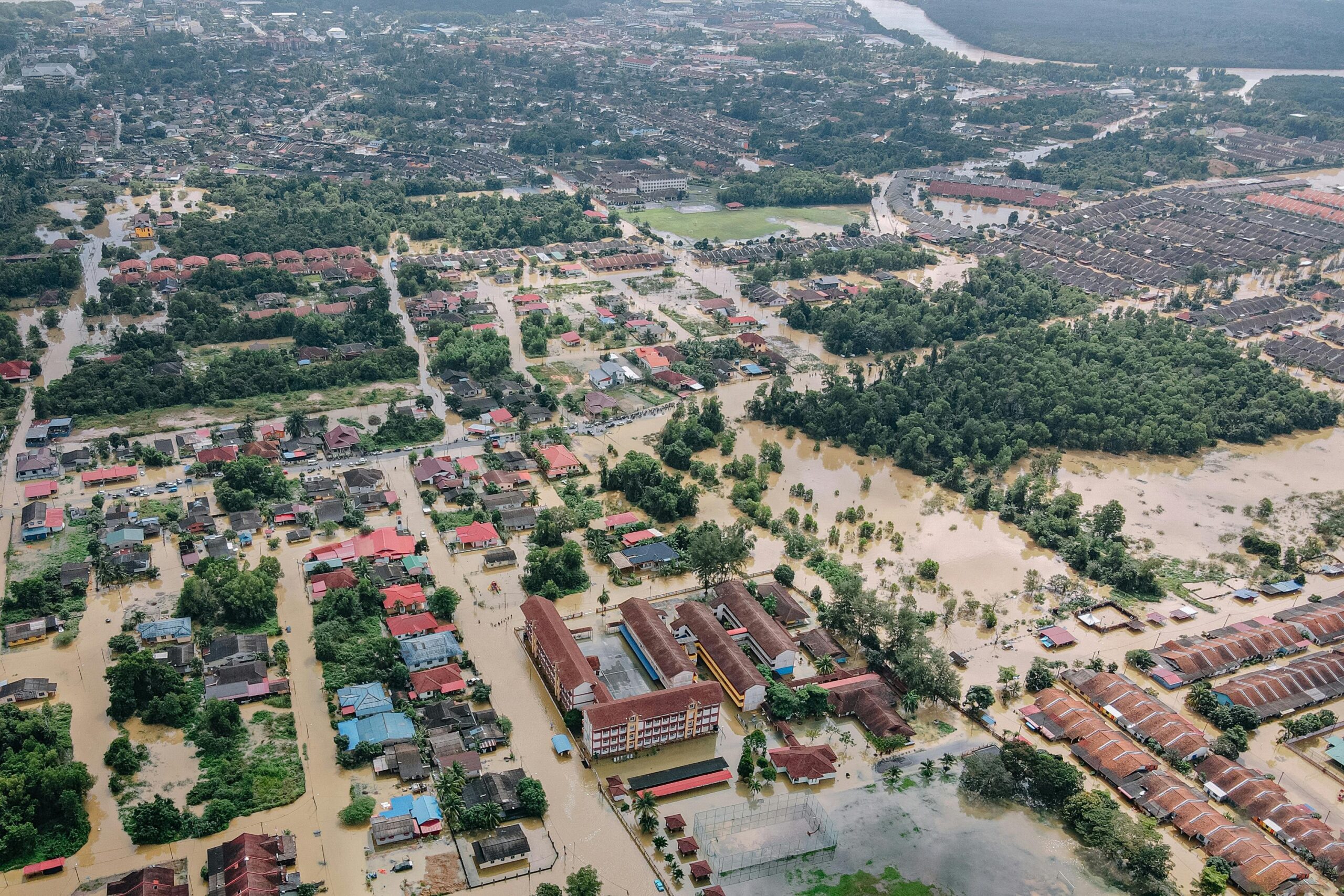
Flooding presents unique structural challenges, particularly the hidden threat of uplift forces that can destabilize or even lift buildings from their foundations during high water events.

🌊 Understanding the Invisible Threat of Uplift Forces
When floodwaters rise around a structure, they create buoyancy forces that work against gravity. Much like a boat floating on water, buildings can experience significant upward pressure, especially those with basements or crawl spaces. This phenomenon, known as hydrostatic uplift, becomes particularly dangerous when water levels exceed the structural weight of the building.
The physics behind uplift is straightforward yet powerful. For every foot of water depth, approximately 62.4 pounds of upward force is exerted per square foot of foundation area. A modest home with a 1,500 square foot footprint submerged in just three feet of water experiences nearly 280,000 pounds of uplift force. Without proper anchoring, even substantial structures can shift, crack, or completely detach from their foundations.
Flood-prone regions worldwide have witnessed devastating examples of uplift damage. Homes in coastal areas, riverside communities, and low-lying plains face recurring risks that demand proactive engineering solutions rather than reactive repairs.
⚓ Foundation Anchoring Systems: The First Line of Defense
Proper foundation anchoring represents the most critical element in preventing uplift. These systems work by creating mechanical connections between the structure and stable soil or bedrock layers beneath the foundation, effectively tethering the building against buoyancy forces.
Helical Pier Systems for Deep Anchoring
Helical piers function like giant screws driven deep into the ground until they reach load-bearing strata. These steel shafts feature helical plates that provide exceptional resistance against both downward settlement and upward movement. The installation process involves rotating the pier into the soil using hydraulic machinery, creating minimal disturbance to existing structures.
The primary advantages of helical piers include:
- Installation possible in virtually any weather condition
- Immediate load-bearing capacity without curing time
- Adjustable depth to reach stable soil layers
- Minimal vibration during installation
- Reversible and relocatable if needed
Engineers typically space helical piers at strategic intervals around the foundation perimeter and beneath critical load-bearing walls. Each pier can resist tens of thousands of pounds of uplift force, with capacity determined by soil conditions and pier specifications.
Concrete Deadman Anchors: Traditional Reliability
Deadman anchors utilize the weight and resistance of buried concrete masses to counteract uplift. Steel cables or rods connect the foundation to these underground anchors, which are positioned at depths where soil movement is minimal. The system relies on both the anchor’s weight and the surrounding soil’s resistance to movement.
Installation requires excavating to appropriate depths, positioning reinforced concrete blocks, and establishing tension connections to the foundation. While labor-intensive, this method provides excellent long-term performance with minimal maintenance requirements.
🏗️ Structural Design Modifications for Enhanced Stability
Beyond anchoring systems, architectural and engineering modifications can significantly improve a structure’s resistance to uplift forces. These design considerations should ideally be incorporated during initial construction but can often be retrofitted to existing buildings.
Foundation Weight Enhancement Strategies
Increasing the structural weight of foundations creates greater resistance to buoyancy. Thickened concrete slabs, additional reinforcement layers, and integrated ballast systems all contribute to downward force that counteracts uplift. Some modern designs incorporate hollow foundation sections that can be filled with water or gravel during flood events, temporarily increasing weight when needed most.
The calculation of appropriate foundation weight requires careful analysis of expected flood depths, building dimensions, and soil bearing capacity. Engineers must balance uplift resistance with the need to avoid excessive settlement under normal conditions.
Flood Venting and Pressure Equalization
Allowing controlled water entry through foundation vents reduces the pressure differential that creates uplift. Engineered flood vents automatically open when water levels rise, permitting floodwater to enter crawl spaces or basements. This equalization eliminates the trapped air pocket that would otherwise act as a buoyancy chamber.
Modern flood vent systems feature:
- Automatic operation requiring no human intervention
- Insect and rodent screening during normal conditions
- Corrosion-resistant materials for longevity
- Compliance with FEMA and local building codes
- Minimal maintenance requirements
💡 Innovative Anchoring Technologies for Modern Challenges
As climate patterns shift and flood frequency increases, engineering firms have developed cutting-edge solutions that combine traditional principles with advanced materials and monitoring capabilities.
Tension-Rod Systems with Load Monitoring
High-strength steel tension rods connect foundation points to deep anchors, similar to deadman systems but with enhanced engineering. Modern implementations include load cells that continuously monitor tension forces, providing real-time data about stress on the anchoring system. This information enables predictive maintenance and early warning of potential failures.
The monitoring systems can integrate with building management platforms or emergency notification services, alerting property owners and authorities when predetermined stress thresholds are exceeded. Some sophisticated installations automatically adjust tension through hydraulic systems, maintaining optimal resistance throughout changing flood conditions.
Geogrid Reinforcement Networks
Geogrid materials create three-dimensional reinforcement networks within soil beneath and around foundations. These polymer or fiberglass meshes interlock with soil particles, dramatically increasing the effective bearing capacity and resistance to lateral and vertical movement. When combined with traditional anchoring methods, geogrids provide comprehensive stability enhancement.
Installation involves excavating around the foundation perimeter, laying geogrid layers at specified depths and orientations, then backfilling with compacted soil. The geogrid essentially creates a reinforced soil mass that acts as an integrated anchor system rather than relying solely on discrete anchor points.
📊 Evaluating Site-Specific Anchoring Requirements
No single anchoring solution fits every flood-prone property. Effective protection requires thorough site assessment considering multiple factors that influence uplift risk and appropriate mitigation strategies.
| Assessment Factor | Critical Considerations | Impact on Anchoring Design |
|---|---|---|
| Flood History | Frequency, depth, duration | Determines required anchor capacity |
| Soil Composition | Bearing capacity, drainage characteristics | Influences anchor type and depth |
| Building Weight | Construction materials, size, contents | Affects number and spacing of anchors |
| Foundation Type | Slab, crawlspace, basement configuration | Dictates connection methodology |
| Water Table Depth | Seasonal variations, soil saturation | Determines minimum anchor depth |
Professional geotechnical surveys provide essential data for engineering calculations. Soil borings reveal subsurface conditions, including the depth to competent bearing strata and groundwater characteristics. Structural assessments document existing foundation conditions and identify reinforcement opportunities.
🔧 Installation Best Practices and Quality Assurance
Even the most sophisticated anchoring system fails to protect if improperly installed. Quality execution requires experienced contractors, appropriate equipment, and rigorous inspection protocols throughout the installation process.
Pre-Installation Preparation
Successful projects begin with comprehensive preparation. Utility location prevents dangerous conflicts with underground infrastructure. Access routes must accommodate heavy equipment without damaging landscaping or adjacent structures. Weather forecasting ensures installation occurs during suitable conditions, particularly important for concrete-based anchor systems requiring proper curing.
Permitting compliance protects property owners from legal complications. Most jurisdictions require structural permits for anchoring systems, with inspections at critical installation phases. Working with licensed engineers and contractors familiar with local regulations streamlines this process.
Installation Quality Control Checkpoints
Professional installations incorporate verification steps at each phase. For helical pier systems, torque measurements during installation confirm the pier has reached suitable bearing strata. Load testing validates the installed capacity matches design specifications. For concrete anchors, proper reinforcement placement and concrete quality testing ensure long-term performance.
Documentation of installation details provides valuable records for future maintenance, property transfers, and insurance claims. Photographs, depth measurements, load test results, and as-built drawings create a comprehensive installation record.
🌍 Regional Considerations and Climate-Specific Solutions
Flood characteristics vary dramatically between coastal storm surges, riverine flooding, and urban flash floods. Each scenario presents distinct challenges requiring tailored anchoring approaches.
Coastal and Hurricane-Prone Regions
Saltwater exposure demands corrosion-resistant materials and protective coatings. Storm surges combine uplift forces with lateral wave impacts, requiring anchoring systems designed for multi-directional loads. Velocity zones mandate additional reinforcement beyond standard uplift protection.
Many coastal building codes specify minimum anchor capacities based on flood zone designation and base flood elevation. These requirements represent minimums; engineers often recommend exceeding code minimums in areas with increasing flood frequency or intensity.
Riverine and Floodplain Environments
River flooding typically involves slower water velocity but potentially longer inundation periods. Extended submersion times increase the importance of pressure equalization through flood vents. Erosion around foundation perimeters can undermine anchor effectiveness, making erosion protection integral to the overall stability strategy.
Seasonal water table fluctuations in floodplain soils affect anchor performance. Saturated soils provide different resistance characteristics than dry conditions, requiring engineers to design for worst-case scenarios when soil strength is compromised by saturation.
💰 Cost-Benefit Analysis and Financial Protection
Anchoring system investments range from several thousand dollars for modest residential applications to hundreds of thousands for large commercial structures. Understanding the financial implications helps property owners make informed decisions about flood protection strategies.
Initial installation costs depend on system type, number of anchor points, site accessibility, and local labor rates. Helical pier systems typically cost between $1,500 and $3,000 per pier installed, with residential applications requiring 8-20 piers depending on building size. Concrete deadman anchors generally cost less per anchor but require more extensive excavation work.
These upfront expenses must be weighed against potential flood damage costs. FEMA estimates average residential flood claims exceed $40,000, with many severe events resulting in total losses. Beyond direct damage, displaced families face temporary housing costs, lost belongings, and emotional stress that defies simple financial calculation.
Insurance Implications and Premium Reductions
Many flood insurance providers offer premium reductions for certified mitigation measures, including engineered anchoring systems. These discounts can amount to 10-40% annually, creating long-term savings that offset installation costs over time. Documentation from licensed engineers proving the anchoring system meets specified standards is typically required to qualify for premium reductions.
Some jurisdictions offer grants, low-interest loans, or tax incentives for flood mitigation improvements. FEMA’s Hazard Mitigation Grant Program has funded numerous anchoring projects in designated flood zones. Local emergency management offices provide information about available assistance programs.
🔍 Maintenance and Long-Term Performance Monitoring
Anchoring systems require periodic inspection and maintenance to ensure continued effectiveness. Unlike visible building components, underground anchors demand proactive attention since problems aren’t immediately apparent.
Annual inspections should examine visible connection points for corrosion, loose hardware, or structural damage. After significant flood events, professional assessment verifies the system performed as designed and identifies any damage requiring repair. For systems with monitoring equipment, regular data review detects developing issues before they compromise safety.
Maintenance requirements vary by system type. Tension-rod systems may require periodic re-tensioning as soil settles or components stretch under load. Corrosion protection coatings need renewal every decade or two depending on environmental exposure. Well-maintained anchoring systems provide decades of reliable protection with relatively modest ongoing costs.
🚀 Future Directions in Flood-Resistant Construction
Research continues advancing anchoring technologies and flood-resistant design principles. Smart materials that adjust properties in response to water contact show promise for next-generation applications. Integration with whole-building monitoring systems creates comprehensive structural health management.
Climate adaptation increasingly influences building codes and design standards. Communities worldwide are updating requirements to address more frequent and severe flooding. Forward-thinking property owners who implement robust anchoring systems today position themselves ahead of regulatory changes while protecting their most valuable assets.
The combination of proven engineering principles, innovative materials, and site-specific design creates anchoring solutions capable of withstanding even severe flood events. As our understanding of climate patterns evolves and construction technologies advance, the ability to keep structures safely grounded continues improving.
Protecting buildings in flood-prone areas demands comprehensive approaches that address the invisible but powerful forces of uplift. Through proper anchoring, thoughtful design, and ongoing maintenance, property owners can achieve genuine stability and peace of mind regardless of rising waters. The investment in staying grounded pays dividends through prevented damage, reduced insurance costs, and preserved property value for generations to come.