Rooftop equipment and solar panels represent significant investments that require proper anchoring to protect both your property and your financial commitment over time.

🏗️ Understanding the Critical Role of Rooftop Anchoring Systems
When businesses and homeowners invest thousands of dollars in rooftop equipment and solar installations, they often focus on energy savings and efficiency metrics. However, the foundation of any successful rooftop installation lies in its anchoring system. Without proper securing mechanisms, even the most advanced solar panels or HVAC units become liability risks rather than valuable assets.
The anchoring system serves multiple purposes beyond simply keeping equipment in place. It distributes weight loads across the roof structure, prevents water infiltration at penetration points, and ensures that equipment can withstand environmental stresses including high winds, seismic activity, and thermal expansion cycles. A comprehensive anchoring approach considers structural engineering principles, local building codes, and long-term maintenance accessibility.
Why Wind Loads Present the Greatest Threat to Unsecured Equipment
Wind forces create three distinct types of pressure on rooftop installations: direct pressure pushing against surfaces, uplift forces attempting to tear equipment away from the roof, and lateral forces that can slide equipment across the surface. These forces increase exponentially with wind speed, meaning that equipment secured adequately for 60 mph winds may fail catastrophically at 80 mph.
Engineering calculations demonstrate that uplift forces on solar panels can exceed 40 pounds per square foot during severe weather events. When multiplied across a typical residential solar array of 300 square feet, this translates to over 12,000 pounds of force attempting to rip the installation from your roof. Without proper ballasting or structural anchoring, equipment becomes airborne projectiles capable of causing extensive property damage and personal injury.
Modern building codes now mandate specific wind load calculations based on geographic location, building height, and exposure category. Coastal regions face significantly higher wind design requirements than inland areas, with some hurricane-prone zones requiring equipment to withstand sustained winds of 140 mph or greater.
⚡ Solar Panel Mounting Systems: Penetrating vs. Non-Penetrating Solutions
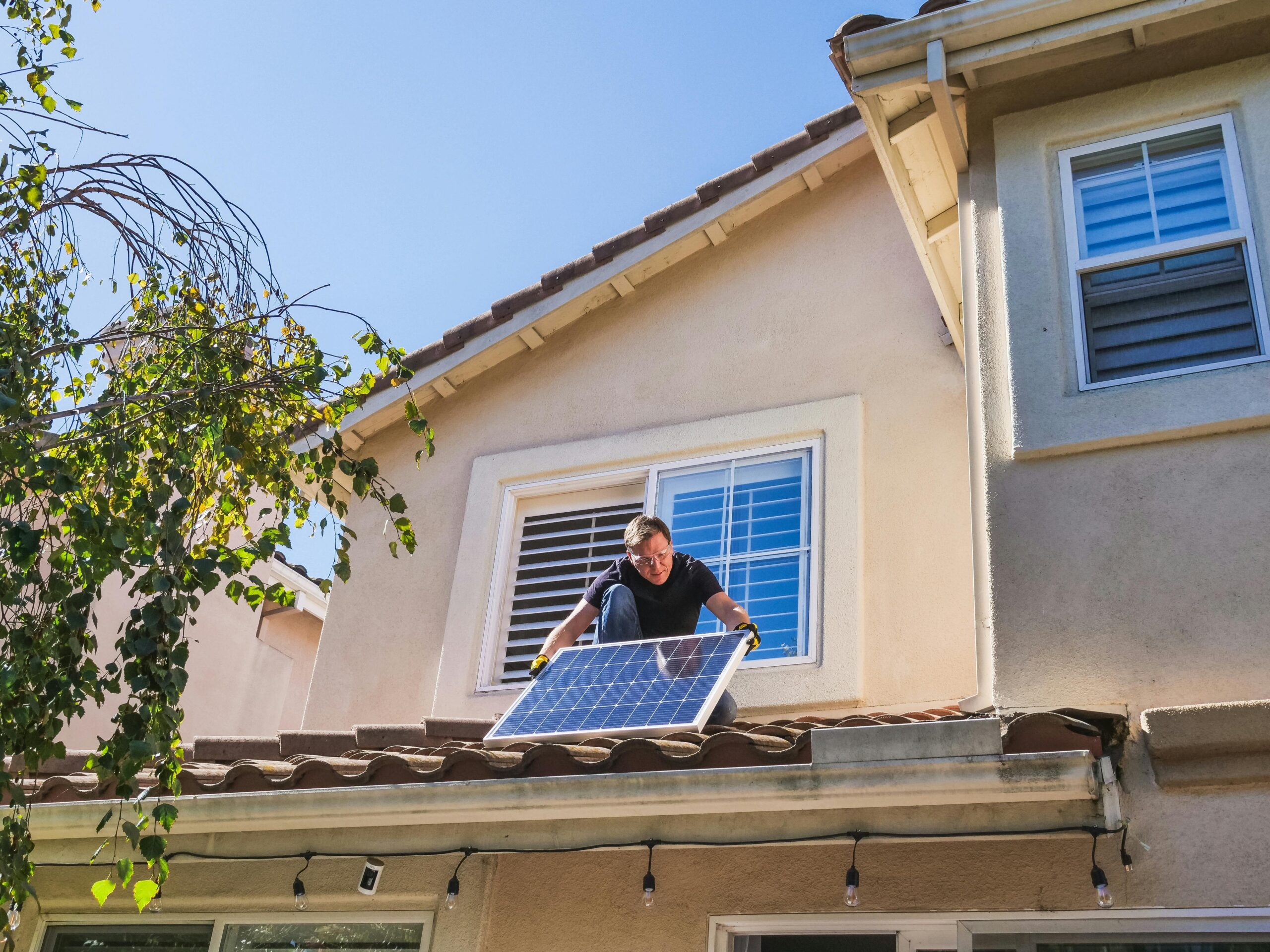
Solar installers typically choose between two primary mounting approaches, each with distinct advantages and engineering requirements. Penetrating mounts attach directly to roof rafters through the waterproof membrane, creating the strongest possible connection but requiring careful waterproofing at each penetration point. Non-penetrating systems use weighted ballast to secure arrays without compromising roof integrity, though they require structural analysis to ensure the roof can support additional dead loads.
Penetrating mount systems utilize lag bolts or structural screws that extend through roofing materials into structural members below. Each penetration point requires proper flashing and sealant application to prevent water intrusion. The industry standard calls for stainless steel hardware with corrosion-resistant coatings to ensure decades of reliable performance without degradation.
Ballasted systems distribute weight across a larger footprint using concrete blocks or integrated ballast trays. These systems work particularly well on commercial flat roofs where structural capacity exists for additional loading. However, engineers must verify that concentrated loads near roof edges don’t exceed design specifications, as perimeter areas typically have lower load ratings than central zones.
Rail Systems and Attachment Points
Regardless of mounting method, solar panels attach to aluminum or steel rail systems that distribute forces across multiple anchor points. The spacing between attachment points directly impacts system resilience, with closer spacing providing superior wind resistance but increasing installation complexity and cost. Most residential installations use 48-inch spacing between roof attachments, while commercial projects in high-wind zones may require 24-inch or tighter spacing.
The rails themselves must be properly sized for span distances and expected loads. Undersized rails can deflect under load, creating stress concentrations at panel mounting points and potentially damaging expensive photovoltaic modules. Professional installers use engineering software to model deflection characteristics and ensure systems remain within acceptable tolerance ranges under maximum design loads.
🔧 HVAC and Mechanical Equipment Anchoring Considerations
Rooftop HVAC units, exhaust fans, and mechanical equipment face different anchoring challenges than solar arrays. These components often include vibrating machinery that can loosen fasteners over time through cyclical loading. Additionally, mechanical equipment typically requires service access, meaning anchoring systems must balance security with maintainability.
Vibration isolation curbs serve dual purposes: they reduce noise transmission into occupied spaces while providing secure mounting platforms for equipment. These curbs must be properly anchored to roof structure using through-bolts or anchor bolts embedded in concrete curbs. The connection between equipment and curb typically uses spring isolators or rubber pads that absorb operational vibrations while maintaining seismic restraint.
Seismic anchoring requirements have become increasingly stringent following building collapses during earthquakes. Modern codes require mechanical equipment to be restrained against movement in all directions, including vertical lift-off during seismic events. This necessitates specialized restraint cables or rigid bracing systems engineered for the specific equipment weight and local seismic design category.
📊 Cost Analysis: Proper Anchoring vs. Damage Repair
While comprehensive anchoring systems add upfront costs to installation projects, the financial analysis clearly favors proper engineering and installation practices. Consider the following cost comparison:
| Scenario | Initial Cost | Risk Cost | Total Exposure |
|---|---|---|---|
| Proper Anchoring System | $3,000-$5,000 | Minimal | $3,000-$5,000 |
| Inadequate Anchoring | $1,500-$2,500 | $15,000-$50,000+ | $16,500-$52,500+ |
| Equipment Replacement | N/A | $10,000-$30,000 | Variable |
| Roof Damage Repair | N/A | $5,000-$20,000 | Variable |
These figures don’t account for indirect costs including business interruption, liability claims if airborne equipment damages neighboring properties, insurance premium increases following claims, or complete loss of equipment warranties when installation standards aren’t met. Insurance companies increasingly scrutinize installation quality and may deny claims when proper engineering standards weren’t followed.
🌧️ Waterproofing: The Often-Overlooked Critical Component
Even perfectly engineered structural anchoring fails if water infiltrates through penetration points. Roof leaks cause progressive damage that compounds over time, degrading insulation, promoting mold growth, damaging interior finishes, and potentially compromising structural members. The cost of addressing water damage typically exceeds the original installation cost by factors of three to ten.
Professional waterproofing techniques begin with proper flashing selection and installation. Flashing materials must be compatible with existing roofing membranes, resistant to UV degradation, and capable of accommodating thermal expansion without splitting or separating. High-quality installations use multi-layer waterproofing approaches with mechanical flashing bases, sealant layers, and top covers that shed water away from penetration points.
Sealants require particular attention because they degrade over time through UV exposure, temperature cycling, and mechanical stress. Professional-grade polyurethane or silicone sealants offer superior longevity compared to cheaper alternatives, but even premium products require inspection and maintenance every 3-5 years. Establishing a proactive maintenance schedule prevents minor sealant degradation from escalating into major water intrusion problems.
Drainage Considerations Around Equipment
Rooftop equipment often creates drainage complications by blocking or redirecting water flow. Installers must evaluate how equipment placement affects existing drainage patterns and modify drainage infrastructure accordingly. Standing water around equipment bases accelerates corrosion, creates ice hazards in cold climates, and increases the risk of water infiltration during freeze-thaw cycles.
Some installations require crickets or saddles—small roof structures that divert water around equipment. Others need additional roof drains or scuppers to handle increased water volume in specific areas. Neglecting these drainage considerations leads to premature equipment failure and roof membrane degradation, significantly reducing the effective lifespan of both systems.
🛡️ Building Code Compliance and Permit Requirements
Municipal building codes establish minimum standards for rooftop equipment anchoring based on structural engineering principles and historical performance data. These codes typically reference broader standards published by organizations including the International Code Council, American Society of Civil Engineers, and industry-specific groups focused on solar installations or mechanical equipment.
Permit processes exist to ensure installations meet these minimum standards through plan review and field inspection. Attempting to circumvent permit requirements creates multiple problems: installations may not meet safety standards, property insurance coverage may be voided, equipment warranties often become invalid, and property resale becomes complicated when unpermitted work is discovered during due diligence.
Professional installers understand code requirements and design systems that exceed minimum standards, providing safety margins that account for real-world conditions. They also navigate the permit process efficiently, minimizing project delays while ensuring full compliance. The modest cost of working with licensed, insured contractors who pull proper permits represents sound risk management rather than unnecessary expense.
🔍 Inspection and Maintenance: Protecting Your Investment Long-Term
Even excellently installed anchoring systems require periodic inspection and maintenance to ensure continued performance. Environmental exposure gradually degrades all materials, mechanical fasteners can loosen through thermal cycling, and vegetation growth can compromise waterproofing integrity. Establishing a regular inspection schedule identifies problems when they’re minor and inexpensive to address.
Annual inspections should examine anchor point integrity, checking for rust, corrosion, or mechanical loosening. Sealants require close scrutiny for cracking, shrinking, or separation from substrates. Solar mounting hardware needs inspection for proper torque specifications, as thermal cycling can loosen connections over time. Documentation of inspection findings creates a maintenance history that proves valuable for warranty claims and property transactions.
Following major weather events, additional inspections become critical. High winds, hail storms, or seismic activity can compromise anchoring systems without creating obvious visible damage. Professional inspectors use specialized tools including torque wrenches, thermal imaging cameras, and moisture meters to identify hidden problems before they escalate into expensive failures.
💡 Maximizing Solar Panel Efficiency Through Proper Mounting
Beyond safety considerations, proper anchoring directly impacts solar panel performance and energy production. Incorrectly mounted panels may not maintain optimal tilt angles as mounting hardware deflects under load, reducing electricity generation by 5-15%. Vibration from loose mounting hardware accelerates micro-crack development in photovoltaic cells, progressively degrading panel output over time.
Thermal management also depends on proper mounting techniques. Solar panels require adequate airflow across rear surfaces to prevent efficiency-robbing heat buildup. Mounting systems should maintain minimum clearances between panels and roof surfaces—typically 4-6 inches—to promote convective cooling. Blocked airflow can reduce panel output by 10-20% during hot weather while accelerating degradation of temperature-sensitive electrical components.
Panel-to-panel alignment affects both aesthetics and performance. Properly anchored systems maintain consistent spacing and alignment throughout the array, optimizing electrical connections and preventing localized shading that creates hot spots. These hot spots reduce panel lifespan and create fire hazards when electrical current bypasses shaded cells through reverse voltage conditions.
🎯 Selecting Qualified Installation Professionals
The quality of rooftop equipment anchoring directly correlates with installer expertise and commitment to professional standards. Homeowners and business owners should verify installer credentials including proper licensing, insurance coverage, manufacturer certifications, and professional organization memberships. These qualifications indicate commitment to ongoing education and adherence to industry best practices.
Request references from recent projects and verify that previous installations have performed successfully over multiple years. Online reviews provide useful information, but direct conversations with previous customers offer deeper insights into installer responsiveness, problem-solving capabilities, and warranty support. Quality installers welcome these inquiries and proudly share their track records.
Obtain multiple detailed quotes that break down costs for materials, labor, permits, and warranty coverage. The lowest bid often indicates shortcuts in engineering, materials quality, or waterproofing techniques that create long-term problems. Focus instead on value—comprehensive approaches that balance upfront investment with long-term performance, minimal maintenance requirements, and strong warranty protection.
🌟 Future-Proofing Your Rooftop Investments
Climate change increases the frequency and intensity of extreme weather events, making robust anchoring systems more critical than ever. Wind speeds during severe storms have increased measurably over recent decades, and projections suggest this trend will continue. Anchoring systems designed to exceed current code requirements provide additional safety margins as environmental conditions become more challenging.
Technology evolution also demands flexible anchoring approaches. Solar panel efficiency continues improving, meaning future upgrades might involve heavier or larger panels. HVAC equipment transitions toward more sophisticated systems with different mounting requirements. Anchoring infrastructure designed with adaptability in mind accommodates future changes without requiring complete reinstallation.
Proper documentation of anchoring systems, including engineering calculations, as-built drawings, and material specifications, facilitates future maintenance and modifications. This documentation proves invaluable when transferring property ownership, securing financing, or upgrading systems years after initial installation. Professional installers provide comprehensive documentation packages that protect your investment throughout its operational lifespan.
Securing rooftop equipment and solar panels through proper anchoring represents an essential investment in safety, efficiency, and long-term value. The modest additional cost of comprehensive engineering and professional installation provides substantial returns through equipment protection, liability risk reduction, maximized energy production, and preserved property values. By prioritizing quality anchoring systems and establishing proactive maintenance schedules, property owners protect their substantial investments while ensuring decades of reliable, safe operation.