Anchors are the unsung heroes of construction and engineering, holding structures firmly in place. But their performance isn’t guaranteed—environmental factors like moisture and frost can dramatically alter their reliability and strength.

🔧 The Critical Role of Anchors in Modern Construction
Before diving into the environmental challenges, it’s essential to understand why anchors matter so much in contemporary building practices. These fastening systems create secure connections between structural elements and their base materials, whether that’s concrete, masonry, or rock. From residential renovations to massive infrastructure projects, anchors serve as the foundation for safety and structural integrity.
The anchor market has evolved significantly over recent decades, with manufacturers developing specialized products for different applications and environmental conditions. Yet even the most advanced anchor systems face vulnerabilities when exposed to moisture infiltration and freezing temperatures. Understanding these vulnerabilities isn’t just academic—it’s a matter of safety, longevity, and economic efficiency.
💧 How Moisture Penetrates and Compromises Anchor Systems
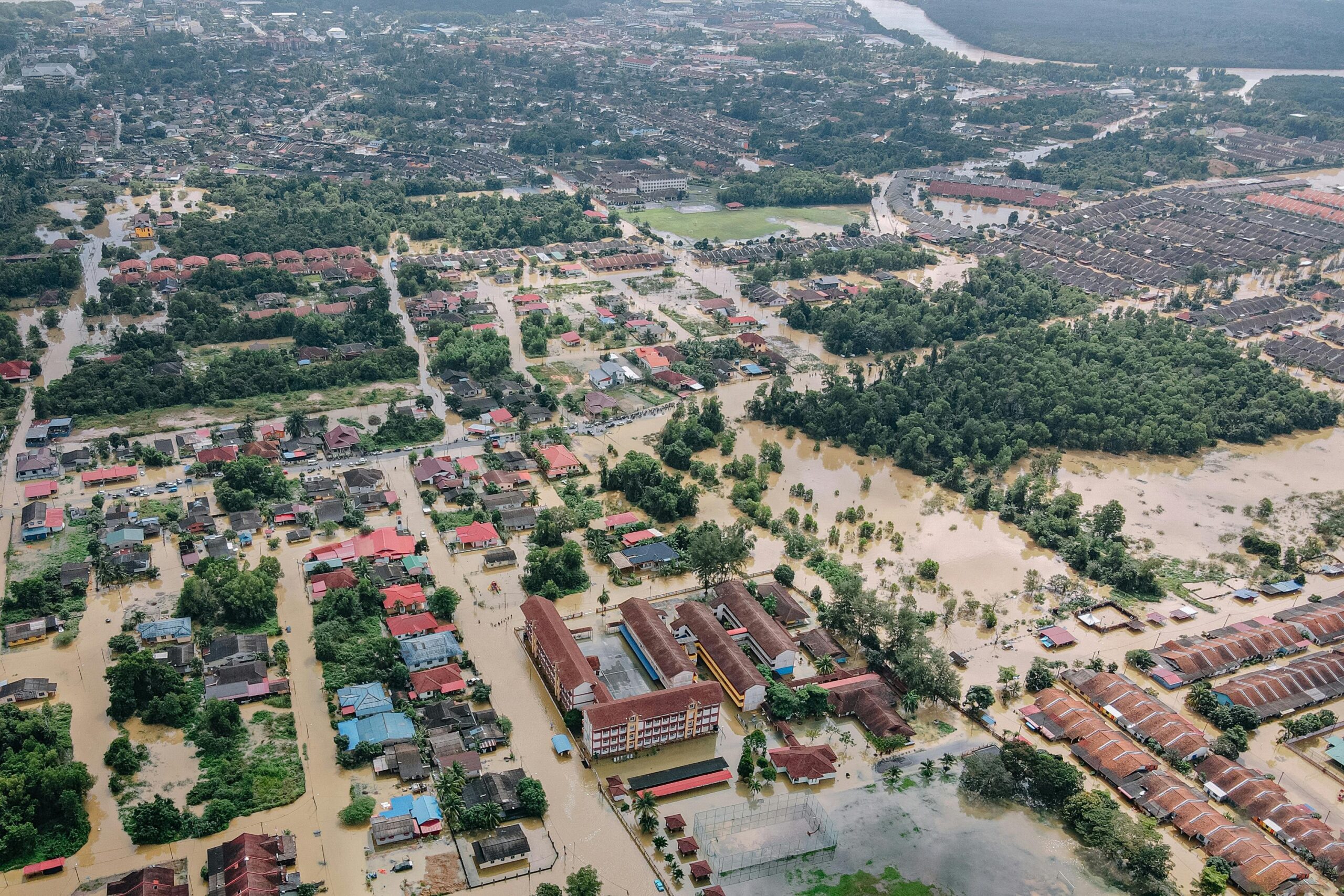
Water is relentless in its ability to find pathways into seemingly sealed systems. When moisture reaches anchor installations, several deterioration mechanisms begin working simultaneously. The base material surrounding the anchor can weaken, corrosion processes accelerate on metal components, and chemical bonds in adhesive anchors may break down.
Concrete, despite appearing solid, is actually porous at the microscopic level. This porosity allows water to migrate through capillary action, eventually reaching embedded anchors. The rate of moisture penetration depends on several factors:
- Concrete mix design and water-cement ratio
- Quality of installation and curing processes
- Presence of cracks or surface defects
- Environmental exposure conditions
- Age and degradation of the base material
Once moisture reaches the anchor zone, the chemistry of deterioration begins. For mechanical anchors, water can cause oxidation of steel components, leading to rust formation that expands in volume. This expansion creates internal stresses that can crack the surrounding concrete, further accelerating moisture ingress in a vicious cycle.
The Hidden Danger of Alkaline Corrosion
Many people assume that concrete protects embedded steel through its high alkalinity, which normally creates a passive protective layer. While this is true for reinforcing bars in sound concrete, anchors face unique challenges. The installation process itself can disrupt this protective environment, and moisture carrying chlorides or other contaminants can break down the passive layer, initiating active corrosion.
Chemical and adhesive anchors face different moisture-related challenges. The resin systems used in these products rely on specific curing conditions and chemical bonds. Excessive moisture during installation can prevent proper curing, reducing the bond strength significantly. Even after full cure, some resin systems remain vulnerable to moisture-induced degradation over extended periods.
❄️ Frost Action: The Silent Destroyer of Anchor Performance
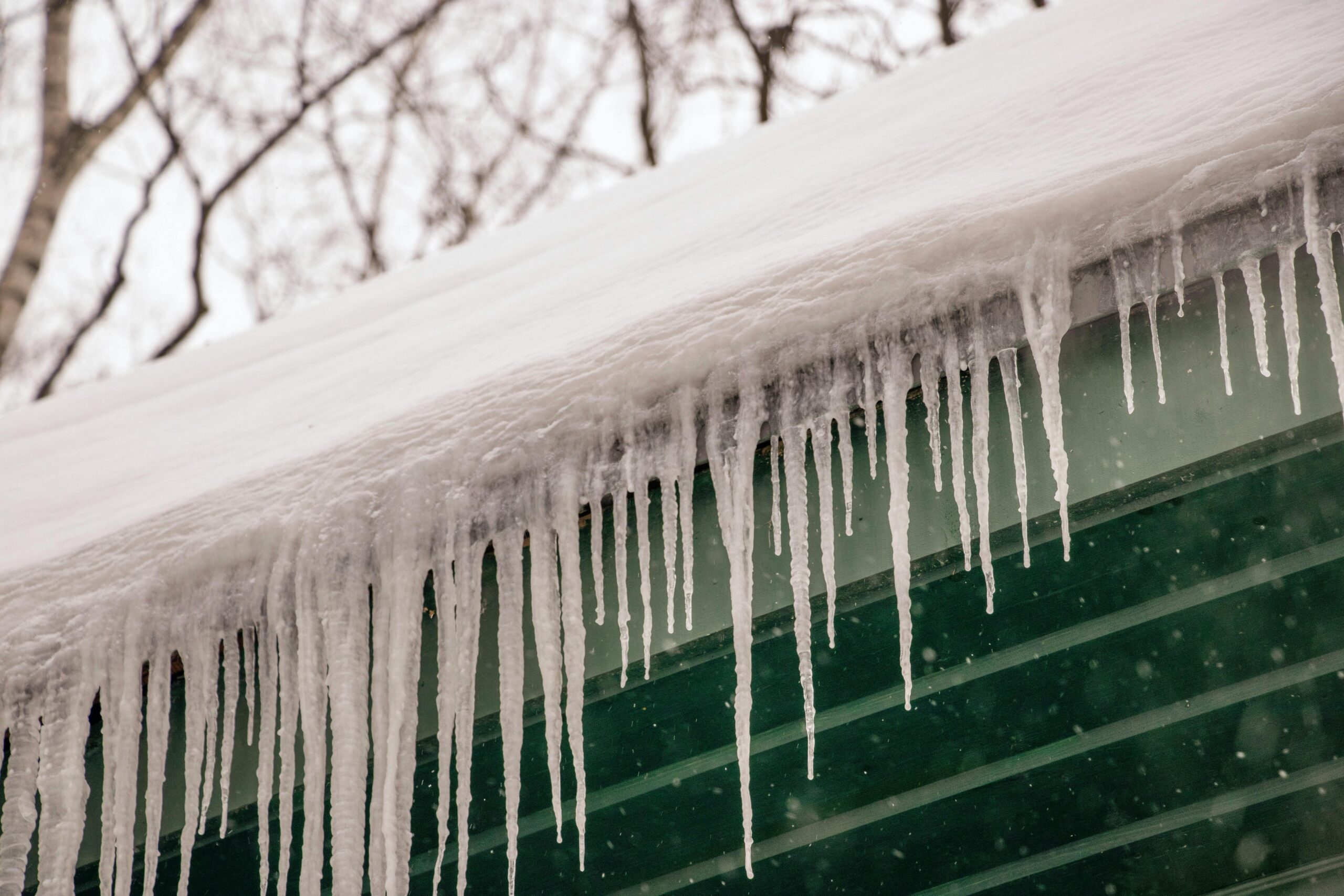
When water freezes, it expands by approximately nine percent in volume. This simple physical fact creates enormous pressures within confined spaces—pressures that can exceed the tensile strength of concrete and rock. For anchor systems, frost action represents one of the most destructive environmental forces they’ll encounter.
The freeze-thaw cycle doesn’t just happen once. In temperate climates, structures may experience dozens or even hundreds of freeze-thaw cycles annually. Each cycle causes cumulative damage, progressively weakening the anchor-substrate interface and the base material itself.
Understanding the Mechanics of Frost Damage
Frost damage to anchor systems occurs through multiple mechanisms working in concert. The most direct is the expansion of water within the drilled hole or around the anchor body. As ice crystals form and grow, they exert outward pressure on the surrounding material. In concrete, this can create micro-cracks that radiate outward from the anchor point.
The second mechanism involves what engineers call “hydraulic pressure.” As water in larger pores freezes, it displaces unfrozen water in smaller, interconnected pores. This displaced water must go somewhere, creating pressure waves that propagate through the material. This hydraulic pressure can reach levels that exceed the material’s resistance, causing internal cracking even at locations not directly frozen.
A third, often overlooked mechanism is differential thermal expansion. Different materials expand and contract at different rates when temperature changes. The anchor body, base material, and any adhesive or grout between them all respond differently to temperature fluctuations. These differential movements create shear stresses at interfaces, gradually degrading bond strength.
🌡️ Critical Temperature Thresholds for Anchor Performance
Not all cold weather affects anchors equally. Understanding the temperature ranges where different failure mechanisms activate helps in both design and troubleshooting. The critical threshold for most moisture-related frost damage begins at the freezing point of water—zero degrees Celsius or thirty-two degrees Fahrenheit.
However, the presence of dissolved salts, whether from deicing chemicals or environmental sources, can depress the freezing point significantly. Saltwater solutions may not freeze until reaching minus ten degrees Celsius or lower, meaning frost action can occur at temperatures that might seem safe.
| Temperature Range | Primary Concerns | Risk Level |
|---|---|---|
| Above 5°C (41°F) | Moisture penetration, slow corrosion | Low |
| 0°C to 5°C (32-41°F) | Initial freeze-thaw cycling begins | Moderate |
| -5°C to 0°C (23-32°F) | Active frost damage, ice crystal growth | High |
| Below -5°C (23°F) | Severe frost action, material embrittlement | Very High |
Installation temperature matters just as much as service temperature. Most anchor manufacturers specify minimum installation temperatures, typically around five degrees Celsius. Installing anchors in colder conditions can prevent proper curing of adhesives, reduce the effectiveness of mechanical expansion, and increase the brittleness of base materials.
🛡️ Engineering Solutions: Protecting Anchors from Environmental Assault
The good news is that engineers and manufacturers have developed numerous strategies to mitigate moisture and frost damage to anchor systems. These solutions range from material selection to installation techniques to ongoing maintenance protocols.
Material Selection and Protective Coatings
Choosing the right anchor material for the environmental conditions is the first line of defense. Stainless steel anchors offer superior corrosion resistance compared to standard carbon steel, though at higher cost. Hot-dip galvanized anchors provide a middle ground, offering enhanced protection at moderate price premiums.
For extremely aggressive environments, specialized materials like duplex stainless steel or non-metallic anchors made from fiber-reinforced polymers may be warranted. These materials resist both moisture penetration and the electrochemical reactions that lead to corrosion.
Protective coatings applied to the base material surface create barriers against moisture infiltration. Epoxy-based sealers, polyurethane membranes, and silane/siloxane treatments all reduce water absorption into concrete. When applied properly and maintained, these coatings can extend anchor service life significantly in harsh environments.
Installation Best Practices for Challenging Conditions
Even the best materials will fail if installation procedures don’t account for environmental factors. Proper hole preparation is crucial—holes must be clean, dry, and free from debris before anchor installation. In humid or wet conditions, this may require compressed air drying or even temporary heating of the hole.
Adhesive anchors are particularly sensitive to moisture during installation. Many manufacturers now offer specialized “wet-hole” adhesive formulations designed to cure properly even in damp conditions. However, standing water must still be removed, and these products have limits to how much moisture they can tolerate.
The depth of anchor embedment affects vulnerability to freeze-thaw cycling. Anchors embedded deeper into the substrate are protected by the thermal mass of the surrounding material, which moderates temperature fluctuations. Shallow embedments experience temperature swings that more closely track ambient conditions, increasing frost damage risk.
🔍 Inspection and Maintenance: Catching Problems Early
No anchor system lasts forever, especially in environments with moisture and frost exposure. Regular inspection programs identify deterioration before it progresses to failure. Visual inspection remains the most practical first-line approach, looking for signs like rust staining, surface cracking radiating from anchors, or displacement of attached fixtures.
More sophisticated inspection techniques provide deeper insights. Pull testing verifies that anchors still meet required load capacities, though it’s partially destructive and can only be performed on a sample of anchors. Ultrasonic testing can detect voids or debonding without damaging the installation. Infrared thermography sometimes reveals moisture accumulation patterns not visible to the naked eye.
Documentation of inspection findings creates a historical record that helps predict remaining service life and optimize maintenance scheduling. Deterioration rates aren’t constant—they typically accelerate over time as initial damage creates pathways for additional moisture and frost penetration.
⚙️ Load Capacity Reduction: Quantifying the Performance Impact
Understanding that moisture and frost damage anchors is important, but engineers need quantitative data to make design decisions. Research has established that anchor capacity can decrease substantially when environmental factors come into play.
Studies on mechanical anchors in freeze-thaw conditions show load capacity reductions ranging from fifteen to forty percent after multiple freeze-thaw cycles. The exact reduction depends on anchor type, installation quality, and severity of exposure. Expansion anchors tend to be more vulnerable than undercut anchors because their holding mechanism relies on friction and pressure against potentially weakened concrete.
Adhesive anchors may experience even more dramatic capacity losses in wet conditions. Some studies report reductions exceeding fifty percent when adhesive anchors are installed in wet holes or exposed to sustained moisture infiltration. This underscores the critical importance of following manufacturer installation guidelines regarding moisture content.
Safety Factors and Design Margins
Building codes and design standards account for environmental degradation through safety factors, but these may be insufficient in particularly harsh exposures. Conservative designers increase embedment depths, reduce allowable loads, or specify redundant anchor patterns when projects face severe moisture and frost conditions.
The concept of “design working life” also influences anchor selection. A temporary structure expected to last two years can accept higher environmental risk than a permanent installation with a fifty-year design life. Life-cycle cost analysis often reveals that investing in premium anchor systems and protective measures costs less than dealing with premature failures and repairs.
🌍 Real-World Applications and Case Studies
Theory means little without practical validation. Examining how anchor systems perform in actual challenging environments provides valuable lessons for future projects.
Highway infrastructure in northern climates faces perhaps the most severe anchor testing grounds. Barrier walls, sign supports, and lighting structures anchored to concrete bridge decks endure constant moisture exposure from rain and snowmelt, combined with aggressive freeze-thaw cycling and deicing salt contamination. Studies of these installations reveal that standard carbon steel anchors often show significant corrosion within five years, while stainless steel and specialty-coated anchors perform well beyond twenty years.
Coastal structures present different but equally demanding conditions. Marine environments combine high humidity, salt spray, and in some locations, freeze-thaw cycling. Anchors in these applications must resist chloride-induced corrosion while maintaining capacity through thermal cycling and wave loading. Performance data from coastal installations has driven development of specialized marine-grade anchor products.
Mountain facilities like ski resorts and observation platforms test anchor systems at high altitudes where temperature extremes intensify and UV radiation adds another degradation mechanism. Successful installations in these environments typically employ multiple protective strategies working together—corrosion-resistant materials, protective coatings, proper drainage design, and aggressive inspection schedules.
🚀 Emerging Technologies and Future Directions
The anchor industry continues innovating to address environmental challenges. Smart anchor systems with embedded sensors can monitor load, corrosion potential, and moisture levels in real-time, providing early warning of deterioration. While currently expensive, these systems make economic sense for critical applications where failure consequences are severe.
Advanced resin formulations promise better moisture tolerance and wider temperature performance ranges. Some new adhesive systems can be installed and achieve full capacity in wet holes at temperatures approaching freezing—conditions that would have precluded adhesive anchor use just a decade ago.
Nanotechnology applications are beginning to appear in both anchor coatings and base material treatments. Nano-engineered sealers create moisture barriers at the molecular level, potentially offering protection superior to conventional coatings while being thinner and less intrusive.
💡 Strategic Recommendations for Maximizing Anchor Performance
Drawing together all these insights, several key strategies emerge for anyone working with anchors in moisture and frost conditions. First, conduct thorough environmental assessment during project planning. Understanding the specific moisture sources, freeze-thaw cycle frequency, and temperature ranges allows appropriate anchor system selection.
Second, don’t compromise on installation quality to save time or money. Proper hole preparation, correct installation procedures, and adequate curing time before loading pay dividends in long-term performance. The marginal cost of doing installation right is trivial compared to remediation costs when anchors fail prematurely.
Third, implement protective measures appropriate to exposure severity. Surface sealers, proper drainage design, and protective enclosures all reduce moisture and frost impact. These measures work synergistically—combining multiple approaches provides much better protection than any single method alone.
Fourth, establish and follow regular inspection protocols. Early detection of deterioration allows interventions before failures occur. Inspection programs also generate data that improves future designs and maintenance planning.
Finally, stay informed about new products and techniques. The anchor industry evolves rapidly, with manufacturers continually introducing improved systems. What wasn’t possible five years ago may now be routine, and today’s specialty solution may become tomorrow’s standard practice.
Anchors will continue playing essential roles in construction and infrastructure regardless of environmental challenges. By understanding how moisture and frost affect performance and applying appropriate countermeasures, engineers and builders can unleash the full potential of anchor systems even in the harshest conditions. The difference between anchors that fail prematurely and those that perform reliably for decades often comes down to informed decision-making at the design and installation stages. The knowledge exists—success lies in applying it consistently and thoroughly. 🎯